Vietnam
Vietnam, the US, and the China Trade Equation
Vietnam is pursuing a trade deal with the United States, but this commercial diplomacy is shaped by its deep and structural trade relationship with China.
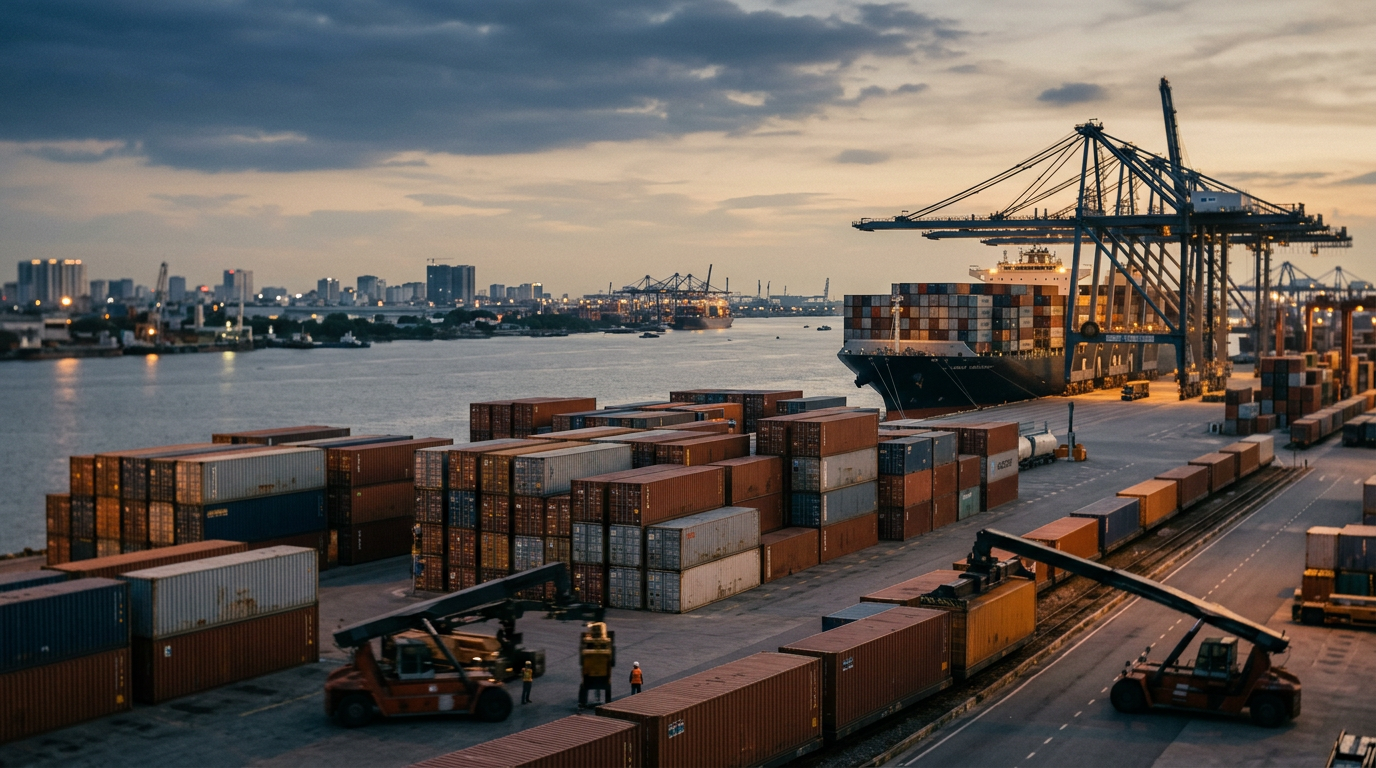
A recent report from the Straits Times indicates that Vietnam is nearing a trade agreement with the United States. The deal is intended to increase imports of American high-technology goods, helping to address the persistent trade imbalance between the two countries. Vietnamese leadership also took the opportunity to counter accusations that it is merely a transshipment point for Chinese goods heading to the US market. This diplomatic and commercial maneuvering highlights a core issue for many Southeast Asian nations: balancing their economic relationships with both the US and China.
The Gravity of Integrated Supply Chains
Vietnam's trade profile shows how deeply integrated regional economies have become with China. While a trade agreement with the US is significant for market access and technology transfer, it operates within a larger context of supply chains that are heavily centered on China. This integration provides capital and component inputs that are essential for Vietnam's export-oriented manufacturing sector. Even as Vietnam boosts its trade with the United States, many of its exports rely on inputs sourced from or manufactured in China. This reality constrains any country's ability to completely decouple its industrial base from its northern neighbor. The challenge, as outlined in ASEAN Rising, is for governments to "manage dependency without losing optionality." For Vietnam, this means securing new trade avenues and upgrading its industrial capacity with partners like the US, without disrupting the existing supply chain foundations upon which its economy is built.
Institutions and Trust in Trade Diplomacy
For a US-Vietnam trade deal to be durable, it requires robust institutional frameworks and a high degree of trust. The Vietnamese government's public denial of re-routing Chinese goods is a direct attempt to build that trust with Washington. American trade authorities are sensitive to circumvention, where goods from a third country are minimally processed in a partner country to avoid tariffs. Vietnam must demonstrate that its institutional capacity for customs enforcement and rules of origin verification is credible. Building this institutional trust is as important as the commercial terms of the deal itself. It signals that Vietnam is a reliable partner committed to fair trade practices, which is essential for attracting the high-quality, long-term capital investment from the US that it seeks.
From Assembly to Innovation
The focus on importing high-technology goods from the US is a strategic move by Vietnam to climb the economic value chain. The goal is to transition from a low-cost assembly hub to a center for higher-value manufacturing and innovation. This requires more than just capital and infrastructure; it demands a significant investment in talent. By integrating more sophisticated American technology and processes, Vietnam aims to develop its domestic workforce and foster a more innovative business environment. This aligns with a broader ASEAN ambition to move beyond dependency on a single economic partner by developing a more diversified and resilient economic model. The success of this strategy will depend on the country's ability to absorb new technologies and cultivate the skilled talent necessary to use them effectively.
What to watch
Observe the specific terms of the finalized US-Vietnam trade agreement, particularly the provisions related to technology transfer, intellectual property, and rules of origin. Attention should be paid to how US and other foreign investment patterns in Vietnam evolve, and whether this new capital is directed towards advanced manufacturing and research and development sectors. Finally, it will be instructive to monitor Vietnam's trade statistics with both China and the US to see how the balance shifts and to what extent the reliance on Chinese inputs changes over time.