Singapore
Singapore Tariff Highlights ASEAN's Managed Dependency Challenge
A new US tariff on Singaporean goods over forced labor concerns is a stark reminder of the complexities ASEAN nations face in managing trade relationships with major powers, a central theme of ASEAN Rising.
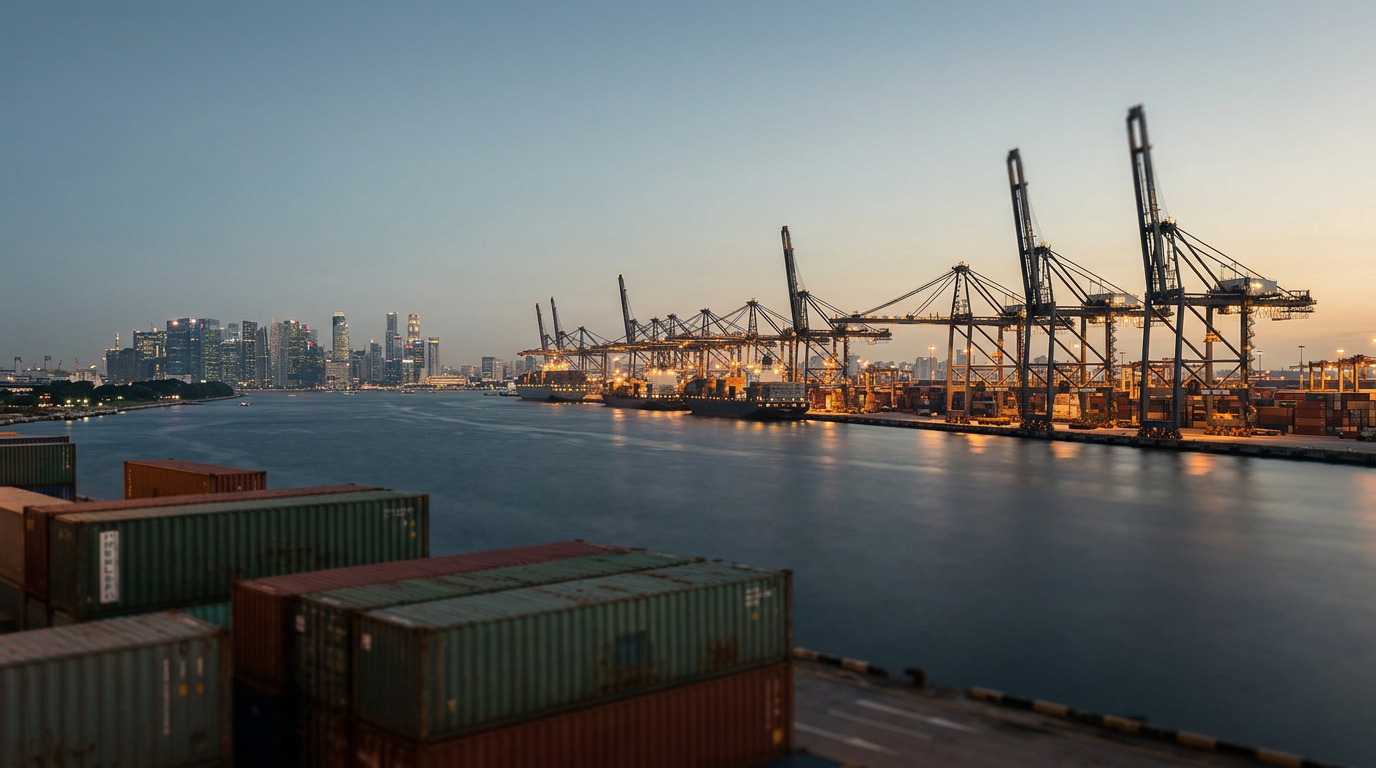
A recent US action imposing a 12.5% tariff on certain Singaporean exports, citing forced labor concerns, has highlighted a critical vulnerability for economies in the region. As reported by the Business Times, the move affects a substantial volume of trade and underscores the growing intersection of commerce and domestic policy. While Singapore has defended its labor practices, the incident serves as a cautionary tale for all of ASEAN . The era of purely transactional trade is fading, replaced by a new environment where economic partnerships are increasingly conditional on adherence to international norms and standards. This development complicates the strategic calculus for nations that have built their prosperity on global trade. It demonstrates that market access, even with long-standing partners, can be swiftly impacted by non-economic factors, demanding a more sophisticated approach to foreign policy and domestic governance.
The Structural Nature of Dependency
The challenge of navigating great power expectations is not new, but its character is changing. The core issue is one of managed dependency. As my book, ASEAN Rising, explores in the context of another global power, deep trade integration with larger economies is a structural reality. This integration is a primary engine of growth, but it also creates inherent vulnerabilities. The book notes that for governments in the region, "The question for ASEAN governments is no longer whether to engage, but how to manage dependency without losing optionality."
This principle is vividly illustrated by the Singapore tariff dispute. The dependency is not just on a single market for exports but also on a shared understanding of regulatory and ethical standards. When that understanding diverges, the economic consequences can be immediate and severe. The incident shows that maintaining strategic "optionality" requires more than diversifying trade partners; it demands building robust domestic institutions that can withstand international scrutiny. Trust in a nation's regulatory framework and its ability to enforce its own laws is becoming a decisive factor in international commerce.
Institutions and Trust as Economic Buffers
How can member states build resilience in this new environment? The answer lies in strengthening the core pillars of governance: institutions and trust. For Singapore, the immediate task is to demonstrate the integrity of its labor oversight and enforcement mechanisms. For its neighbors, the imperative is to proactively assess and fortify their own regulatory frameworks, from labor laws to environmental protections. Strong, transparent, and consistently enforced domestic policies are no longer just a matter of good governance; they are a crucial line of defense against trade disruptions.
Effective execution is paramount. It is not enough to have laws on the books; governments must invest in the talent and infrastructure necessary to implement them effectively. This means building capacity for inspections, verification, and enforcement that meets global benchmarks. By doing so, ASEAN nations can build trust ليس فقط with foreign governments but also with multinational corporations and investors who are themselves under pressure to ensure their supply chains are clean. This internal strengthening is the most durable way to manage external pressures and maintain a stable environment for capital.
What to watch
Looking ahead, the key indicator to monitor will be how this event influences policy discussions within ASEAN, both at the national and regional levels. Watch for concrete steps taken by individual countries to audit their own supply chains and labor practices for exposure to similar trade actions. Note whether this sparks a broader conversation among member states about establishing common, verifiable standards that could provide a collective buffer against such pressures. The response, whether individual or collective, will signal how effectively the region is adapting to a global trade environment where economics and ethics are inextricably linked.