Myanmar
US Tariff Threats Test ASEAN's Managed Dependency on China
New US tariffs, aimed at 60 trading partners including potentially Southeast Asian nations, create a stark new reality. For ASEAN, this is a direct test of its long-standing strategy of managing deep economic ties with China while retaining strategic options.
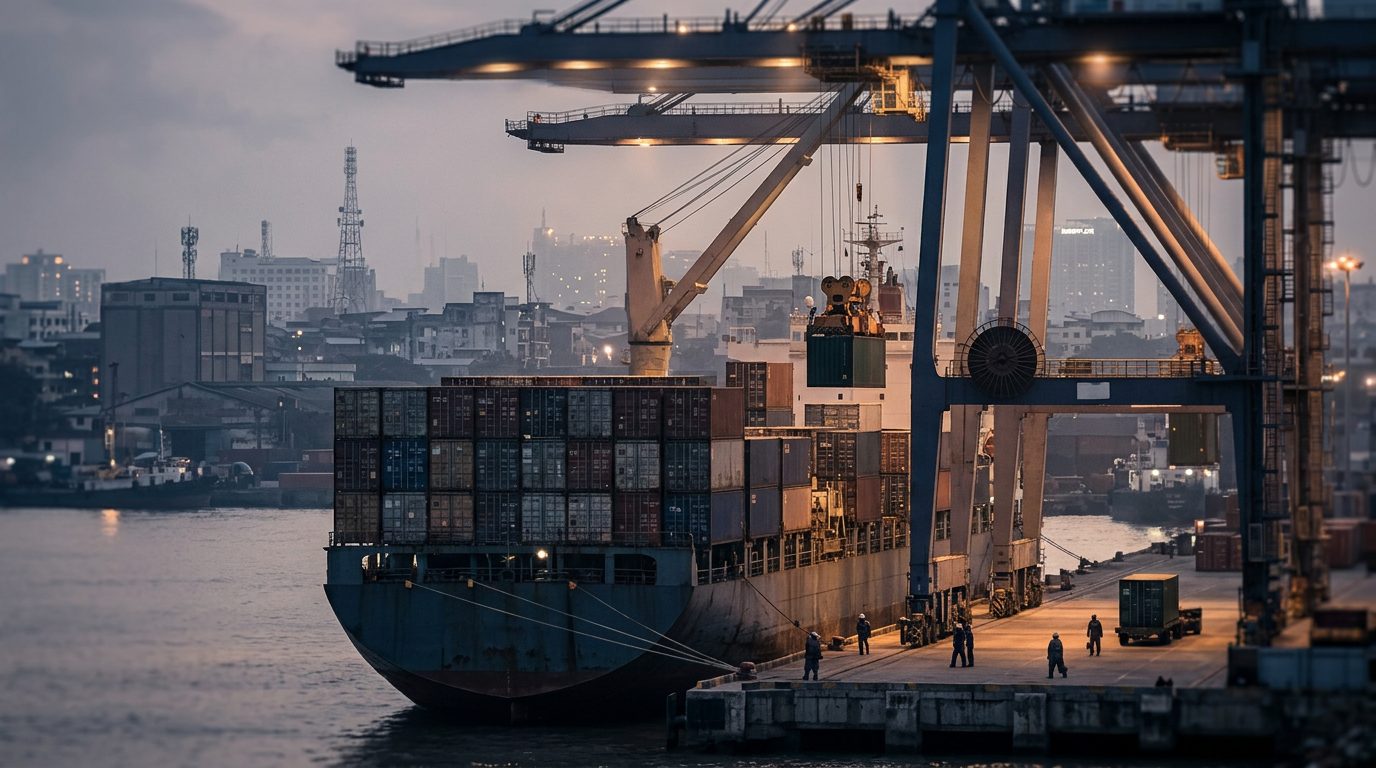
The United States' plan to impose new tariffs on 60 trading partners, as reported by VnExpress, presents a complicated new variable for Southeast Asian economies. Citing concerns over forced labor, the move replaces a previous global duty and puts several nations in the Association of Southeast Asian Nations (ASEAN) on notice. While ostensibly about labor standards, the policy is another front in the broader US-China strategic competition, and it directly challenges the delicate balancing act that has defined the region's economic strategy for the last two decades.
The Structural Reality
For ASEAN, deep economic integration with China is a fundamental condition. As the book ASEAN Rising notes, this is a structural feature of the regional economy, not a cyclical trend. The flow of goods, capital, and intermediate products has created a dense web of supply chains that are deeply interwoven with China's industrial base. This integration has been a primary engine of growth, powering manufacturing and exports across the bloc. Against this backdrop, the central strategic question for governments has been "how to manage dependency without losing optionality." The new US tariff threat complicates this management exercise by raising the political and economic costs of that dependency. It forces a reassessment of the risks embedded in supply chains that may have been optimized for efficiency but not for geopolitical resilience.
A Test of Strategic Optionality
The US action is a clear attempt to use market access as a lever to influence economic and political behavior. By targeting specific countries, potentially including member states like Myanmar, the policy pressures governments to align with US-defined standards. This puts ASEAN in a difficult position. On one hand, maintaining access to the vast US consumer market is essential for export-oriented economies. On the other, reconfiguring complex supply chains away from China is a monumental task that would require immense capital and time, potentially rendering many regional industries uncompetitive. This is the core test of strategic optionality. Can the bloc and its members absorb this pressure without being forced to choose sides? The answer will depend on the strength of regional institutions and the ability of policymakers to navigate these external demands without sacrificing economic stability.
The Execution Challenge
Responding to this policy is not a matter of high-level declarations, but of detailed execution. For countries that find themselves on the tariff list, the immediate task will be to demonstrate that their export industries meet the required labor standards. This involves a granular level of supply chain verification, from raw material sourcing to final assembly. It is an institutional challenge, requiring credible and transparent monitoring systems that can build trust with US regulators. Furthermore, it touches upon the movement of capital and the development of infrastructure. Investment decisions will now be weighted with a new layer of political risk. Companies planning to build new factories or expand existing ones in the region will scrutinize the geopolitical landscape with greater intensity. This could divert capital from certain sectors or countries, influencing the future trajectory of industrial development across the region.
What to watch
The immediate response to watch for is not just from ASEAN as a collective body, but from the individual member states, particularly those named in the US action. The key indicator of the policy's impact will be less about diplomatic statements and more about corporate behavior. Observers should monitor changes in foreign direct investment patterns and any announced shifts in supply chain strategies by major multinational corporations operating in the region. The extent to which production networks are rerouted will reveal the true cost of navigating the growing friction between the world's two largest economies.