Malaysia
Malaysia's Automotive Ambition Meets a Familiar Test
Malaysia aims to transition its automotive sector from assembly to higher-value manufacturing. Success will depend on the slow work of improving institutions, infrastructure, and talent.

A recent announcement from Malaysia details a plan to elevate its automotive industry beyond assembly into the more complex space of high-value component manufacturing, including electronics and software. As reported by malaymail.com, the goal is to integrate the country more deeply into global supply chains for the next generation of vehicles. This ambition places Malaysia in direct competition with established and emerging players in the region, turning the spotlight onto its ability to execute a complex industrial strategy.
Institutions and Execution
National industrial plans are a common feature of economic policy in Southeast Asia. Malaysia itself has a long history of automotive industrial planning with mixed results. The success of this latest initiative will not be determined by the ambition of its goals, but by the quality of the institutions tasked with its execution. As the book "ASEAN Rising" notes, for any country, "scale matters only when institutions can turn it into investable depth." While the context in the book was Indonesia, the principle applies equally to Malaysia's industrial goals. Attracting foreign direct investment in high-technology manufacturing requires more than pronouncements; it requires a transparent, efficient, and predictable regulatory environment. Investors in sophisticated sectors like automotive electronics look for assurances that bureaucratic processes will be streamlined and that the government can coordinate effectively across multiple agencies and levels of administration.
Capital and Infrastructure
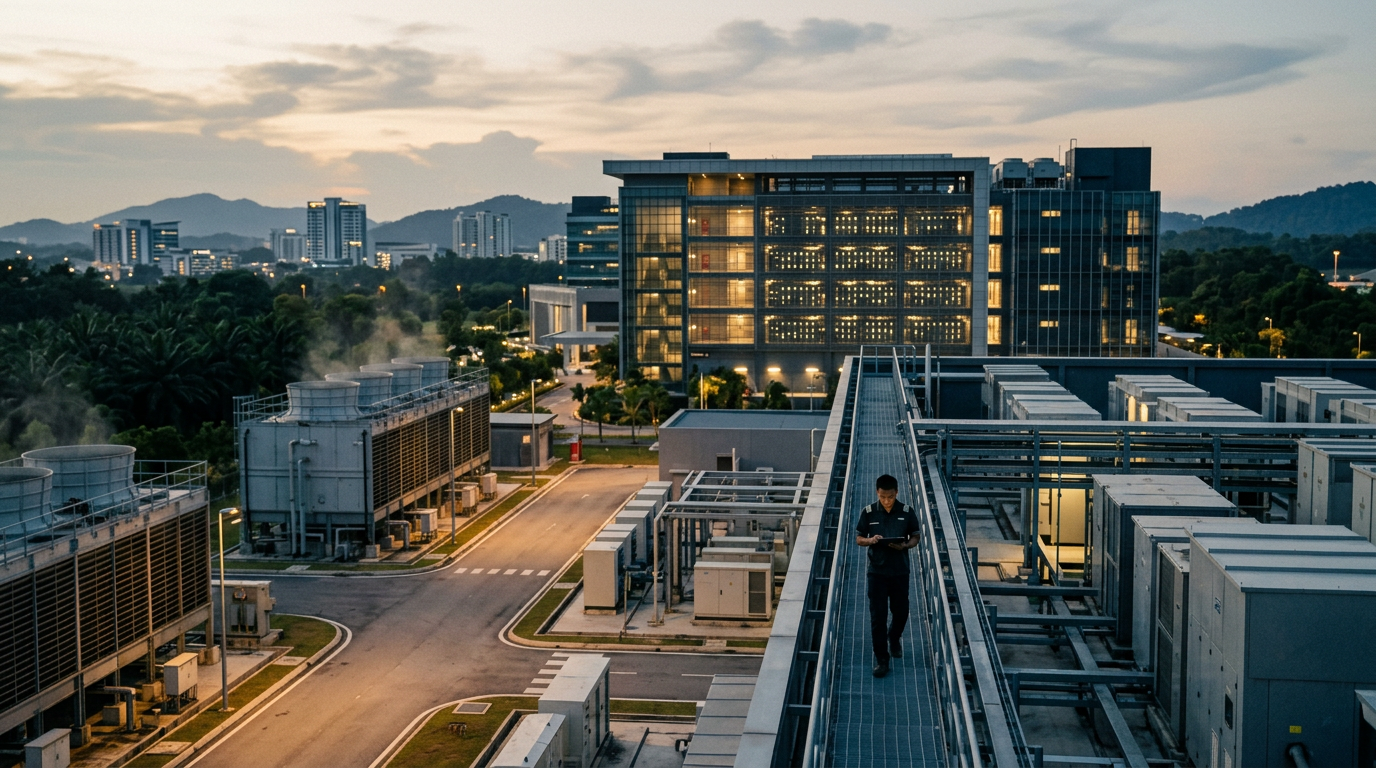
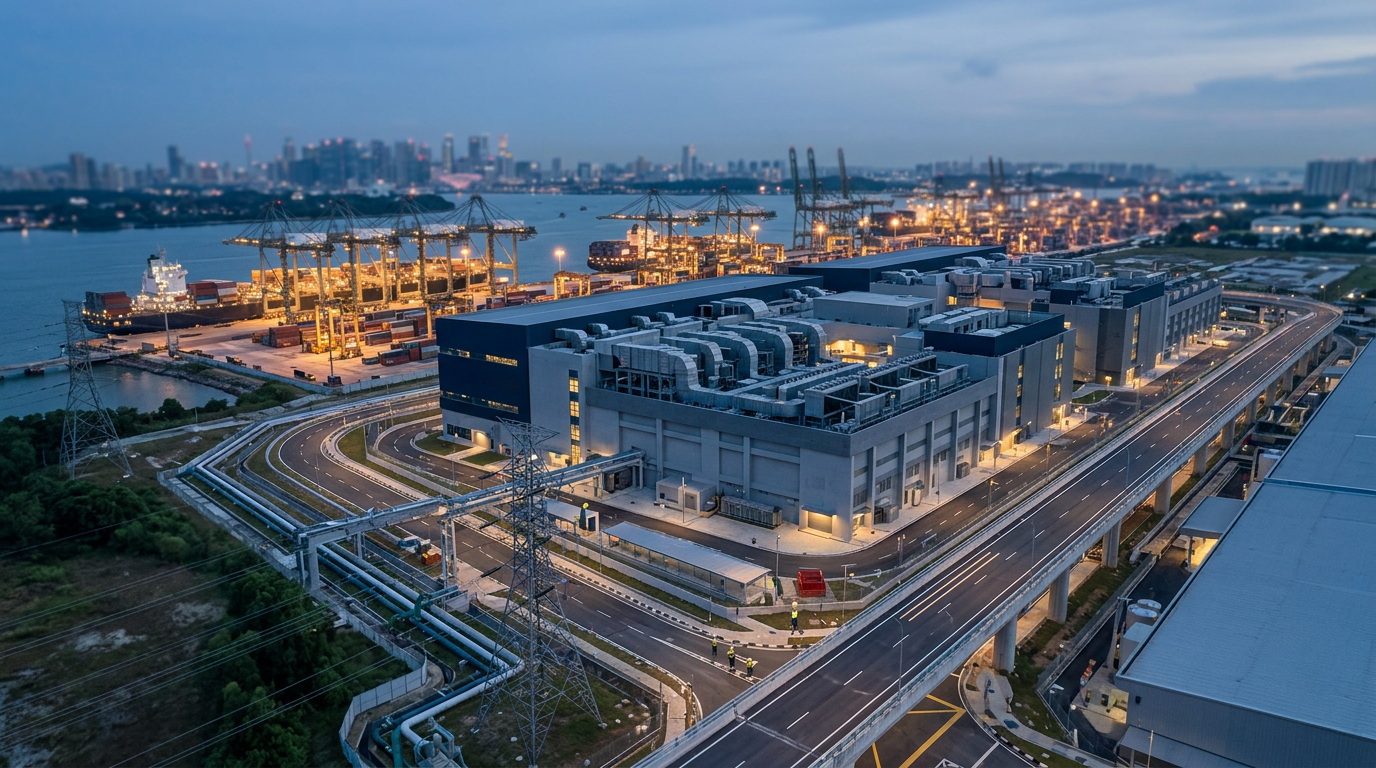
Shifting from vehicle assembly to producing high-value components is a capital-intensive undertaking. It requires not just financial capital from foreign and domestic investors, but also substantial public investment in physical infrastructure. The new strategy depends on the availability of industrial parks with reliable electricity, water, and high-speed data connectivity. Modern automotive component manufacturing, particularly in electronics and software, is intolerant of disruptions to power or logistics. The government's ability to deliver these foundational elements will be a primary factor for companies considering multi-decade investments in the country. FDI announcements can generate headlines, but realised investment flows are contingent on the slower, more difficult work of ensuring that land, permits, and power are readily available.
Talent and Trust
Perhaps the most significant constraint is talent. A workforce skilled in vehicle assembly is not immediately transferable to the design, manufacturing, and testing of advanced electronics or software systems. Malaysia's plan acknowledges the need for upskilling, but the challenge is considerable. It involves a long-term commitment to reforming technical and vocational education, fostering closer collaboration between industry and universities, and potentially liberalizing skilled immigration policies. Building this talent pipeline is a slow process. It also requires building trust with global automotive firms, assuring them that Malaysia can provide a stable supply of qualified engineers, technicians, and software developers for years to come. Without this deep pool of human capital, the country risks remaining in the lower-value segments of the automotive industry.
What to watch will be the specific, concrete policy measures that follow this announcement. The focus should be on the budgets allocated to infrastructure upgrades, the implementation of new training curricula in technical colleges, and the simplification of regulations for investors in the target sectors. These details, rather than the initial declaration, will signal whether Malaysia is truly prepared to move its automotive industry into a higher-value future.