Malaysia
Malaysia's Chip Boom and the Art of Managed Dependency
As Malaysia attracts billions in semiconductor investment, its success offers a case study in navigating global supply chain rivalries. The strategy reflects a core ASEAN challenge: managing economic integration with China while building strategic autonomy.
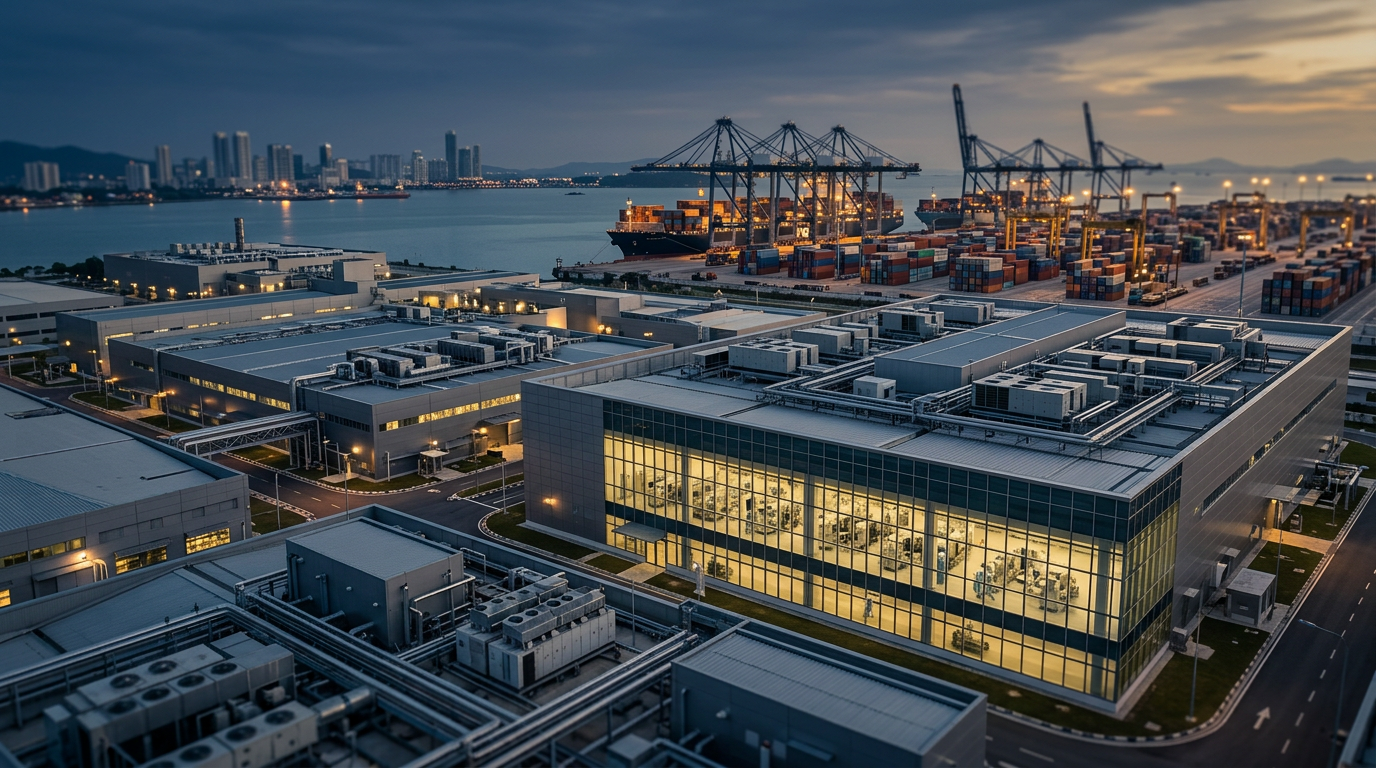
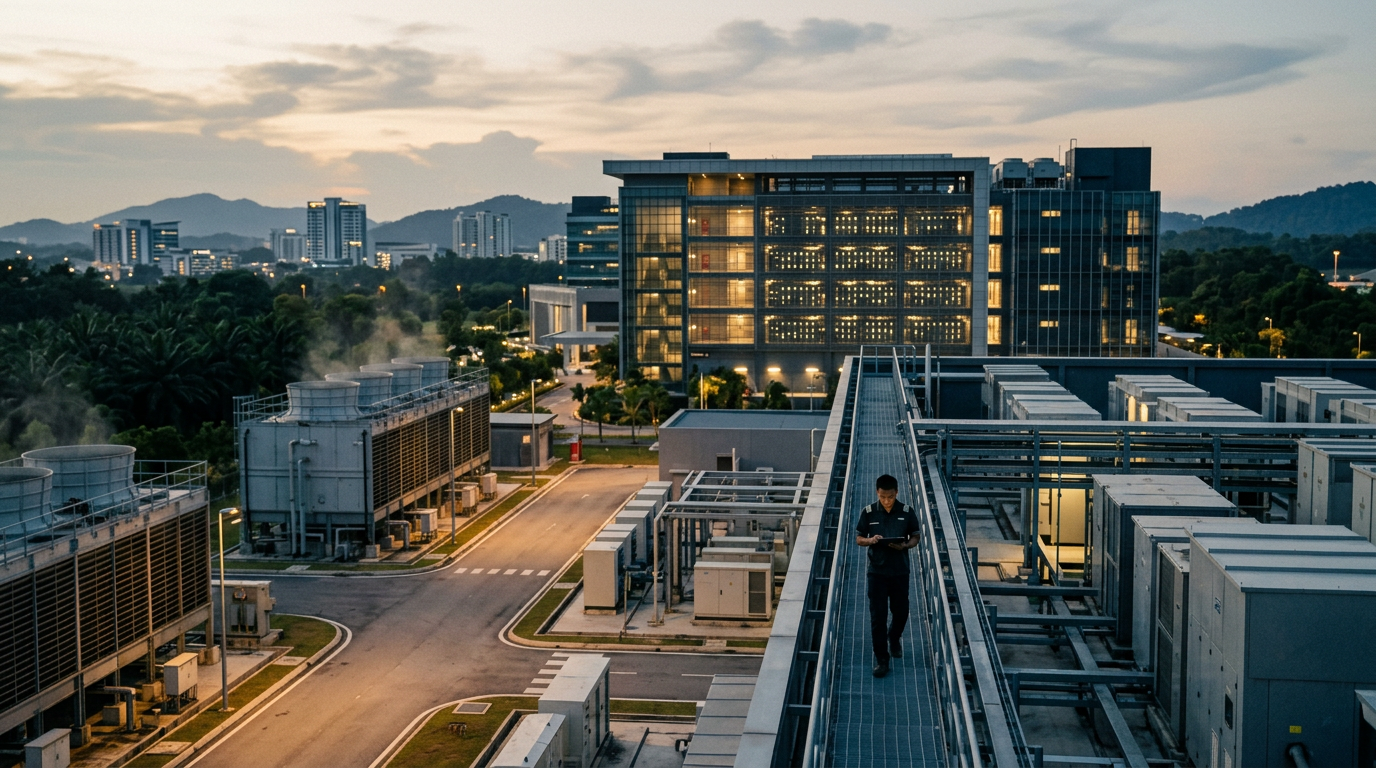
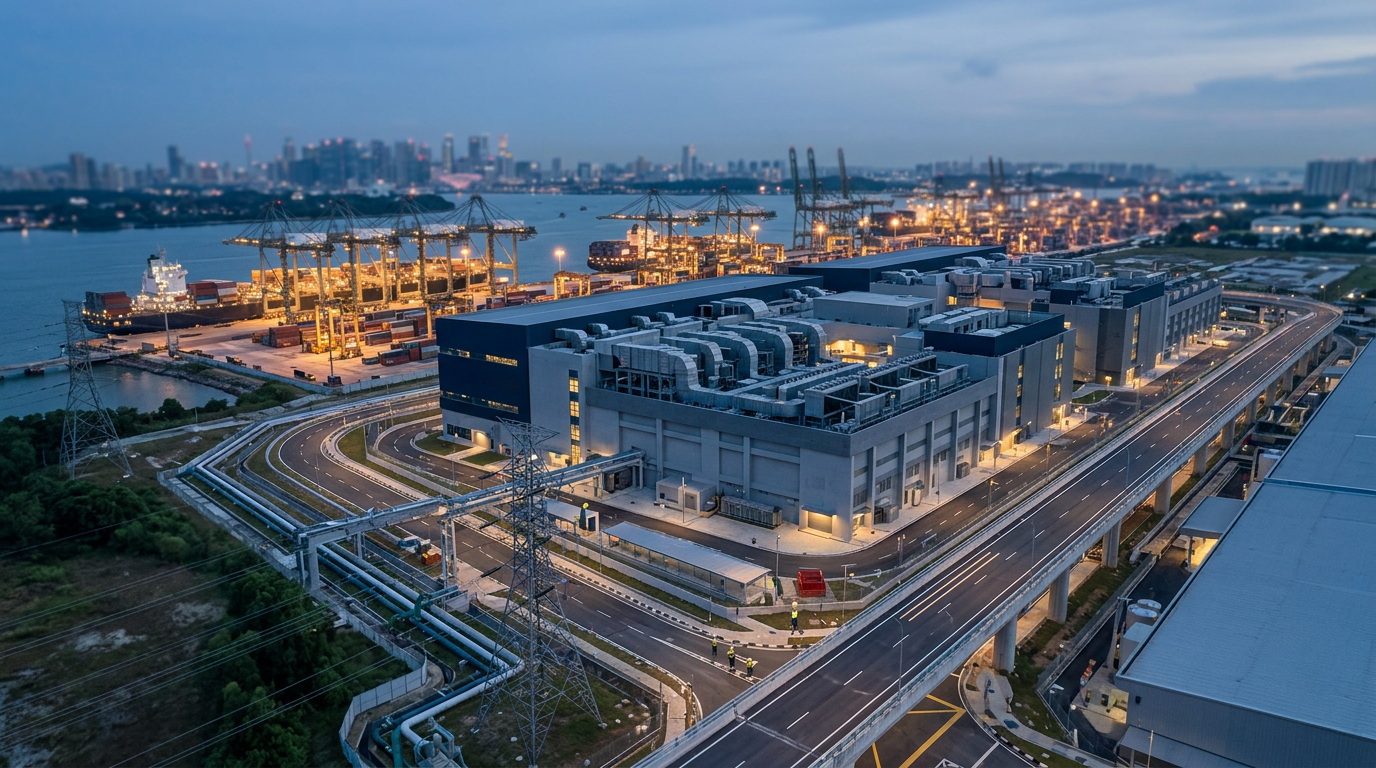
A recent report from the Straits Times highlights Malaysia's accelerating emergence as a standout economy in Asia, fueled by a boom in investment related to artificial intelligence and semiconductors. The country is now a significant global supplier of AI-related hardware, attracting a surge of foreign capital as companies diversify their supply chains amidst persistent US-China technological competition. This development is not a matter of chance, but the outcome of deliberate industrial policy and a pragmatic approach to geopolitics.
Institutions and Capital
Malaysia's success is built on a foundation of decades of institutional experience. Government bodies like the Malaysian Investment Development Authority (MIDA) have a long track record of attracting and facilitating foreign direct investment in the Electrical and Electronics (E&E) sector. This established framework provides investors with a degree of predictability and support that is highly valued in a volatile global market.
In recent years, billions of dollars have been committed by major technology firms to expand their Malaysian operations, particularly in semiconductor assembly, testing, and packaging. This influx of capital from American, European, and Asian firms demonstrates confidence in Malaysia as a stable and neutral hub. For global companies, Malaysia offers a measure of insulation from the direct crossfire of trade disputes, providing a reliable node in their reconfigured supply chains. This builds trust in the country's governance and its ability to execute on long-term industrial plans.
Infrastructure and Talent
The current boom is also leveraging a deep well of existing infrastructure and human capital. Penang, often called the "Silicon Valley of the East," has been a critical center for the global electronics industry since the 1970s. This legacy provides a ready-made ecosystem of suppliers, logistics, and skilled technicians that new facilities can plug into.
This concentration of expertise allows Malaysia to capture higher-value segments of the semiconductor supply chain. While the country is known for back-end processes, the growing ecosystem and experienced talent pool create opportunities to expand into more advanced activities like integrated circuit design and research. The availability of a trained workforce, combined with established physical and digital infrastructure, reduces the friction for companies looking to set up or expand sophisticated manufacturing operations.
Strategic Weight and Dependency
Malaysia's strategy in the chip sector offers a clear illustration of the principles for navigating regional power dynamics outlined in ASEAN Rising. The book notes that deep economic integration with China is a structural reality for Southeast Asian nations. The pertinent question for governments is no longer about disengagement, but about "how to manage dependency without losing optionality."
By positioning itself as a critical, neutral player in a high-technology sector, Malaysia is doing precisely that. It is not decoupling from any economic partner but is actively building its own strategic importance. By becoming an indispensable part of the global semiconductor supply chain for a wide range of international firms, Malaysia enhances its economic resilience and gains a greater degree of autonomy. This diversification of partnerships, centered on building sovereign capabilities in a future-facing industry, is a form of managed dependency that gives the country more agency in its foreign and economic policy.
What to watch
The key question is how Malaysia sustains this momentum. The global demand for chips is cyclical and subject to rapid technological change. Sustaining its position will require continued investment in education to move the workforce further up the value chain into design and development. It also depends on the government's ability to maintain policy stability and navigate geopolitical currents, ensuring the country remains an attractive and trustworthy destination for capital. Finally, observers will watch to see if Malaysia can translate its strength in assembly and packaging into a more commanding role in advanced fabrication and R&D, which would further solidify its place in the global technology order.