Vietnam
Vietnam's FDI Wins Show the Primacy of Execution
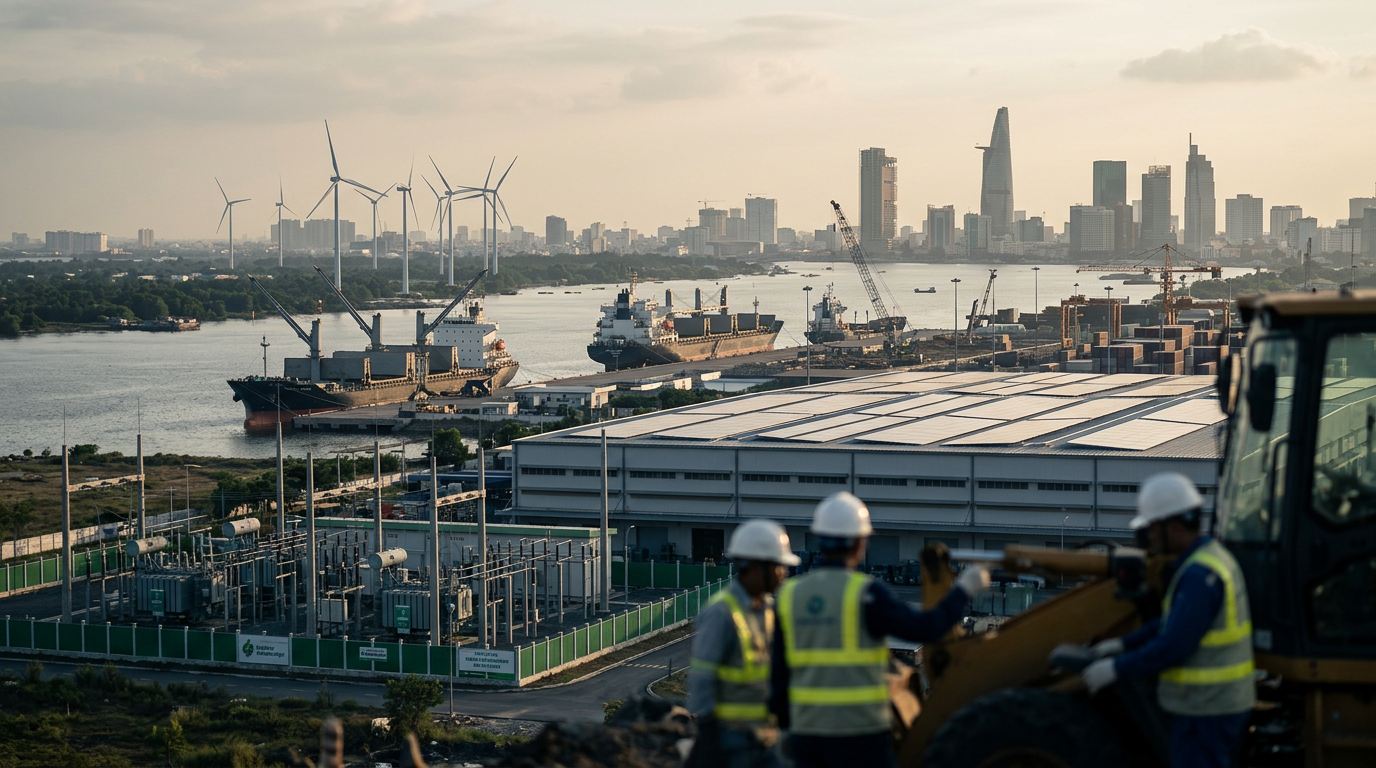
Vietnam's manufacturing surge is a lesson in the power of execution. Announced FDI is one thing; realised investment that builds factories and hires workers is another. Vietnam is succeeding in the slower, harder work of turning promises into projects.
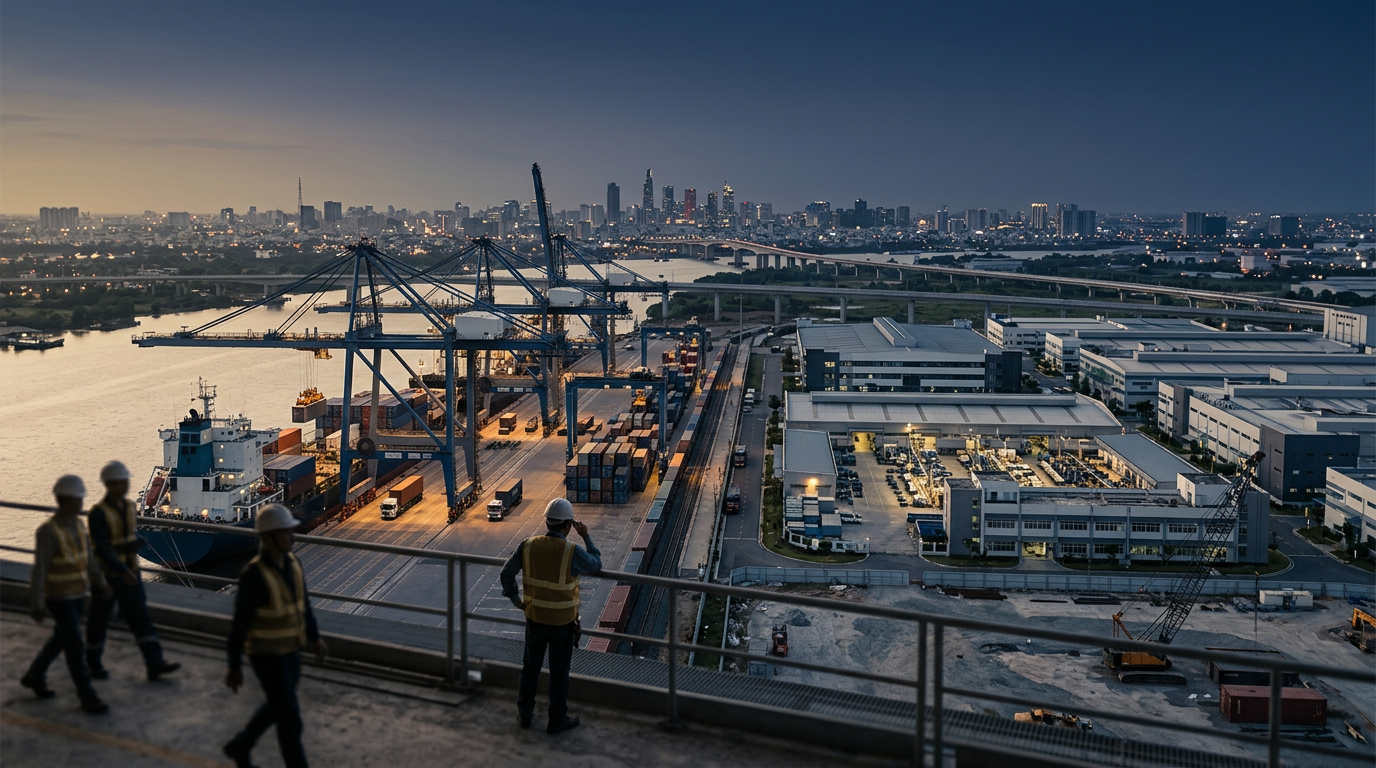
Northern Vietnam is consolidating its position as a key node in global manufacturing supply chains. According to a report from vietnamnet.vn, the region attracted $8.63 billion in new manufacturing foreign direct investment (FDI) in the first half of the year. This figure, representing over 80% of the country's total for the period, highlights a significant concentration of capital in provinces like Quang Ninh, Bac Giang, and the port city of Hai Phong.
The influx is driven by major electronics and energy projects, reinforcing a trend that has been building for several years. While Southern Vietnam has historically been the country's commercial hub, the North is now leading in high-tech manufacturing, a direct result of targeted infrastructure investment and policy execution.
From Announcement to Investment
Headline FDI figures are encouraging, but they represent commitments, not completed investments. As the book ASEAN Rising notes, "realised flows depend on the slower work of land, permits, power and talent reaching the ground." Vietnam's success in the north demonstrates a growing capacity to manage this complex process. The government has prioritized improving the physical and administrative infrastructure needed to absorb large-scale investment.
This is not just about building roads and ports. It is about creating a predictable environment for investors. By streamlining the process for securing land, obtaining permits, and ensuring reliable access to electricity, local authorities are lowering the friction that often plagues large projects. This focus on institutional effectiveness is what turns a promising FDI announcement into an operational factory.
Infrastructure and Talent as Magnets
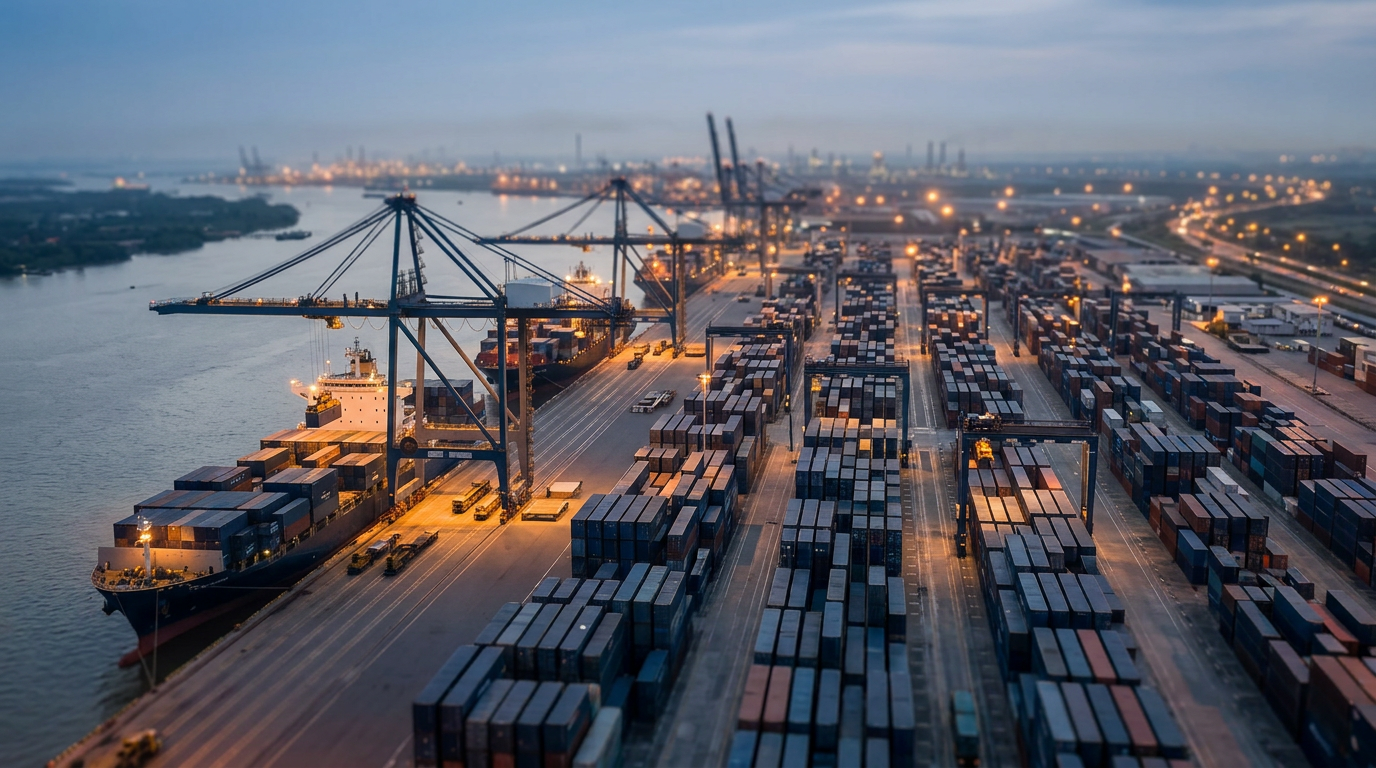
The concentration of investment in the North is no accident. It is the payoff from a long-term strategy centered on infrastructure development. The expansion of the Lach Huyen International Gateway Port in Hai Phong and the continued development of the highway network connecting to the Chinese border have created a logistical backbone that is attractive to export-oriented manufacturers.
At the same time, the region is developing a skilled workforce. The presence of technical universities and vocational training centers, often in partnership with foreign investors, is creating the talent pool necessary to operate sophisticated manufacturing lines. This interplay of hard infrastructure and human capital creates a virtuous cycle, where successful projects attract more investment, which in turn justifies further upgrades to infrastructure and skills training.
The Sovereignty of Execution
While Vietnam maintains a centralized state, its economic success is increasingly a story of local execution. Provincial governments in the North have become adept at competing for and facilitating investment. They have learned that sovereignty is expressed not just through national policy, but through the ability to deliver on commitments at the project level.
This capacity for execution builds trust with foreign capital. Investors see that the system can deliver the essentials: cleared land for factories, reliable power grids, and a workforce capable of meeting production targets. This trust is a valuable asset, allowing Vietnam to capture a significant share of the global manufacturing shift. The country is not just a low-cost destination; it is becoming a reliable one.
What to watch
Sustaining this momentum will require continued attention to the fundamentals. As more factories come online, pressure will increase on the electricity grid, logistics networks, and the supply of skilled labor. Investors will be watching to see if Vietnam can scale its infrastructure and talent development to keep pace with its own success. The ability of local institutions to manage these growing pains will determine whether the investment boom continues or falters.