Singapore
Singapore's Steady PMI Signals Deeper Institutional Strengths
A resilient PMI reading from Singapore points not just to semiconductor demand, but to the underlying power of a 'usable state' where execution and reliability have become a core comparative advantage.
A recent report that Singapore's Purchasing Managers' Index (PMI) grew to 51.4 in July, indicating expansion in the factory sector, provides a useful lens on the country's economic fundamentals. As the Business Times noted, this growth occurred despite persistent supply-chain pressures from the Middle East, with demand for semiconductors for artificial intelligence applications providing a significant boost. While the headline number is positive, the resilience it represents points to a deeper story about the nature of the country's competitive advantage, one rooted in the quality of its institutions and its capacity for execution.
The Power of a Usable State
Singapore's ability to weather external disruptions and attract high-value manufacturing is not an accident of geography or the result of a single industry's boom cycle. It is the outcome of a sustained, decades-long focus on building state capacity and ensuring low friction for businesses. The stability reflected in the PMI data is a direct consequence of a predictable and efficient operating environment. This is a core theme in the book ASEAN Rising, which argues that a functional, reliable state apparatus is more valuable to long-term investment and economic complexity than one that simply makes grand pronouncements.
This "usability" manifests in tangible ways. It can be seen in the streamlined processes for registering a business, the clarity of tax regulations, and the efficiency of customs clearance. For a company involved in the complex, time-sensitive semiconductor industry, this institutional reliability reduces operational risk. It allows management to focus on production, innovation, and talent development rather than on navigating an opaque or arbitrary bureaucracy. This low-friction environment is a quiet but powerful asset that compounds over time, making the economy more resilient to the kinds of supply-chain shocks mentioned in the report.
Infrastructure as a Statement
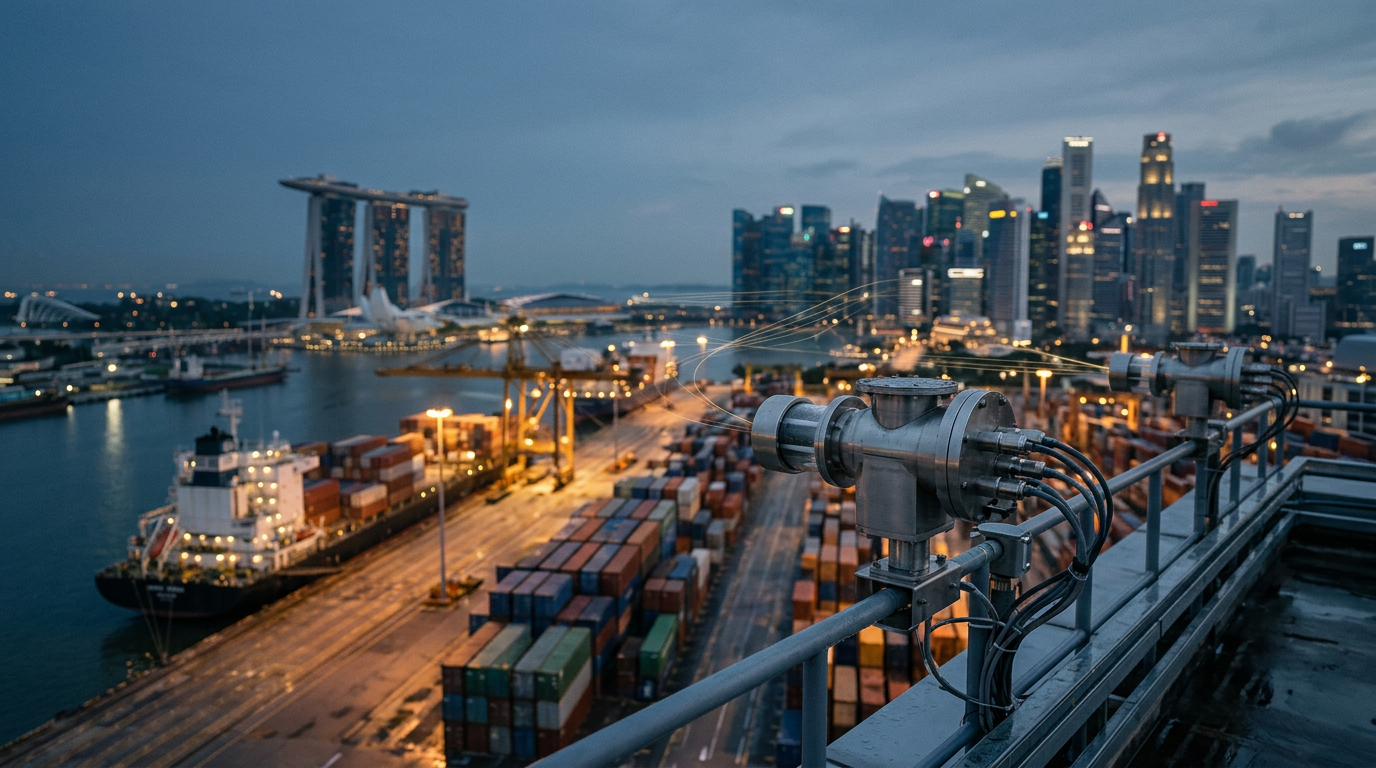
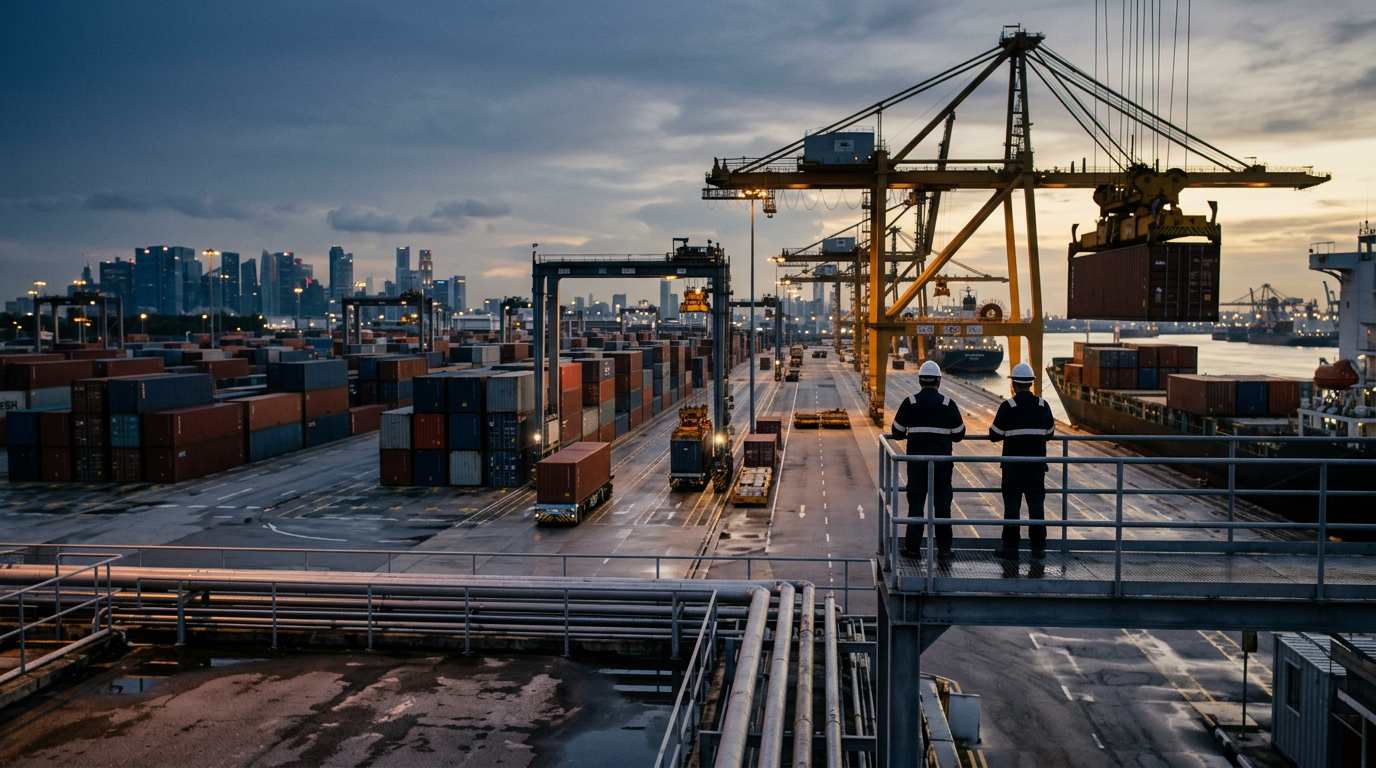
The news of continued manufacturing growth in the face of supply-chain headwinds highlights another core element of Singapore's institutional strength: its infrastructure. The country's port and airport are not just large-scale facilities; they are among the most efficient and reliable in the world. This is not a passive backdrop to economic activity but an active participant in it. When global logistics are stressed, the ability of a country's infrastructure to function without delay becomes a significant differentiating factor.
This performance is a powerful signal to global markets and investors. It demonstrates a culture of execution and a commitment to maintaining the systems that underpin the economy. As the chapter on state capacity in the book observes, "Infrastructure that arrives on time signals more than infrastructure that is merely announced." The consistent, high-performance operation of Singapore's physical and digital infrastructure serves as a testament to this principle. It is a statement of intent and capability that attracts capital far more effectively than ambitious project announcements that have yet to break ground. This proven reliability is what allows global firms to integrate Singapore into their supply chains with a high degree of confidence.
From Reliability to Advantage
Ultimately, the story of Singapore's steady PMI is a story of trust. The decision for global firms to center their AI-driven semiconductor manufacturing in Singapore is built on a foundation of trust in the country's institutions. This extends from the physical reliability of its infrastructure to the legal and regulatory systems that govern commerce. Investors trust that contracts will be enforced, intellectual property will be protected, and the political environment will remain stable.
In an increasingly volatile world, this institutional reliability has evolved from a simple best practice into a core comparative advantage. It allows Singapore to compete not just on cost or location, but on the certainty and predictability it offers. This, in turn, creates a reinforcing cycle, attracting not only the capital to build advanced factories but also the specialized global talent required to run them. The result is a resilient, high-value economy capable of sustaining growth even when faced with external pressures.
What to watch
The key indicator of economic health is not just the monthly PMI figure, but the underlying institutional capacity that drives it. For the broader ASEAN region, the lesson from Singapore is the immense value of execution. Investors and analysts should watch how other ASEAN nations progress in their own large-scale infrastructure projects and regulatory reforms. The ability of these countries to deliver on their stated plans for ports, industrial parks, and digital frameworks will be a primary determinant of their capacity to attract the kind of investment that builds durable, complex economies.