Vietnam
Vietnam, China, and the semiconductor long game
Vietnam's semiconductor ambitions depend on turning announcements into realised flows of capital and talent. Institutions, infrastructure, and execution are the real metrics to watch.

A recent report from VietnamPlus indicates that Vietnam and China are progressing in their joint efforts to develop the semiconductor industry. This follows high-level agreements and signifies a move from policy discussions toward tangible implementation, with a focus on training engineers and establishing shared standards. The initiative aligns with Vietnam's broader strategy to ascend the electronics value chain, a goal shared by several of its ASEAN neighbors.
Ambition Meets Execution
Vietnam has successfully attracted significant foreign investment into its electronics sector for years, building a substantial base in assembly and testing. The government now aims to capture more sophisticated segments of the semiconductor supply chain. This requires a leap in domestic capabilities, particularly in design and eventually fabrication. While partnerships with China can provide access to a large market and established expertise, the core work of building a competitive local industry is a domestic affair.
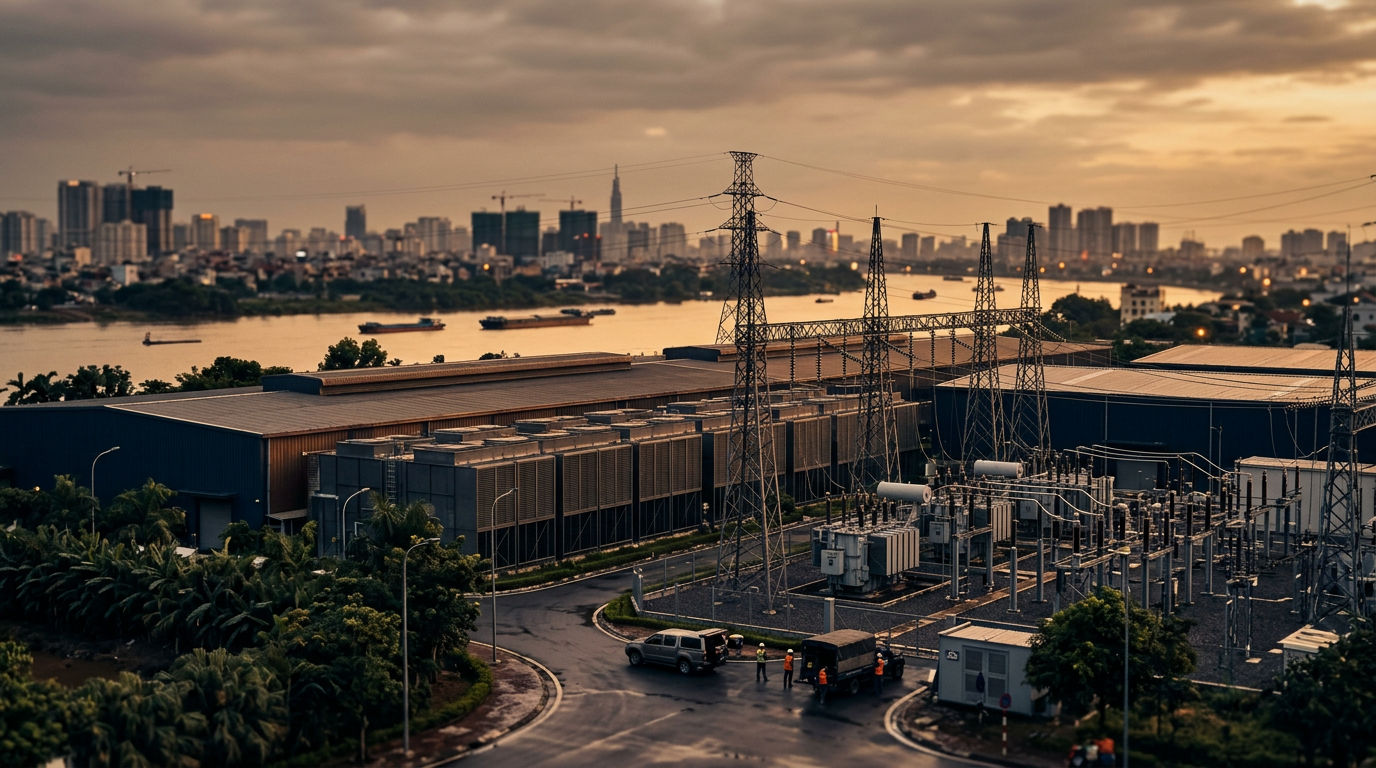
As the book "ASEAN Rising" notes, headlines about foreign direct investment are easy to generate. However, "realised flows depend on the slower work of land, permits, power and talent reaching the ground." Attracting world-class semiconductor firms and fostering domestic champions requires more than just policy pronouncements. It demands a regulatory environment that is both stable and efficient, capable of handling the complex needs of this capital-intensive industry. The success of this Vietnam-China cooperation will be measured not by the number of agreements signed, but by the tangible development of industrial parks, the reliability of the power grid, and the efficiency of customs and logistics.
The Talent Bottleneck
The most significant constraint on Vietnam's semiconductor ambitions is human capital. The government has set an ambitious target of training 50,000 engineers for the industry by 2030. Achieving this goal is a monumental task that requires a concerted effort from both public and private sectors. Universities must adapt their curricula, and companies must invest in vocational training and on-the-job upskilling. The collaboration with China is positioned to contribute to this, but the primary responsibility for cultivating a deep pool of skilled technicians and engineers rests within Vietnam.
Building a robust talent pipeline is about more than just numbers. It involves creating an ecosystem where skilled professionals can thrive, with competitive compensation and opportunities for career advancement. Without this, trained engineers may seek opportunities abroad, leading to a brain drain that would undermine the entire initiative. The long-term viability of Vietnam's semiconductor industry will depend on its ability to develop and retain this specialized workforce.
What to watch
Beyond the official statements, the key indicators to monitor will be institutional performance. Observers should track the pace of infrastructure development at designated high-tech parks, the number of engineers completing specialized training programs, and the actual disbursement of announced FDI. These metrics will provide a clearer picture of whether Vietnam is successfully translating its high-level semiconductor ambitions into a durable industrial reality.