Vietnam
Vietnam, Rare Earths, and the China Plus One Dividend
Vietnam is attracting significant FDI in strategic sectors like rare earths, but long-term success will depend on its ability to build the institutional capacity to absorb and deploy this capital effectively.
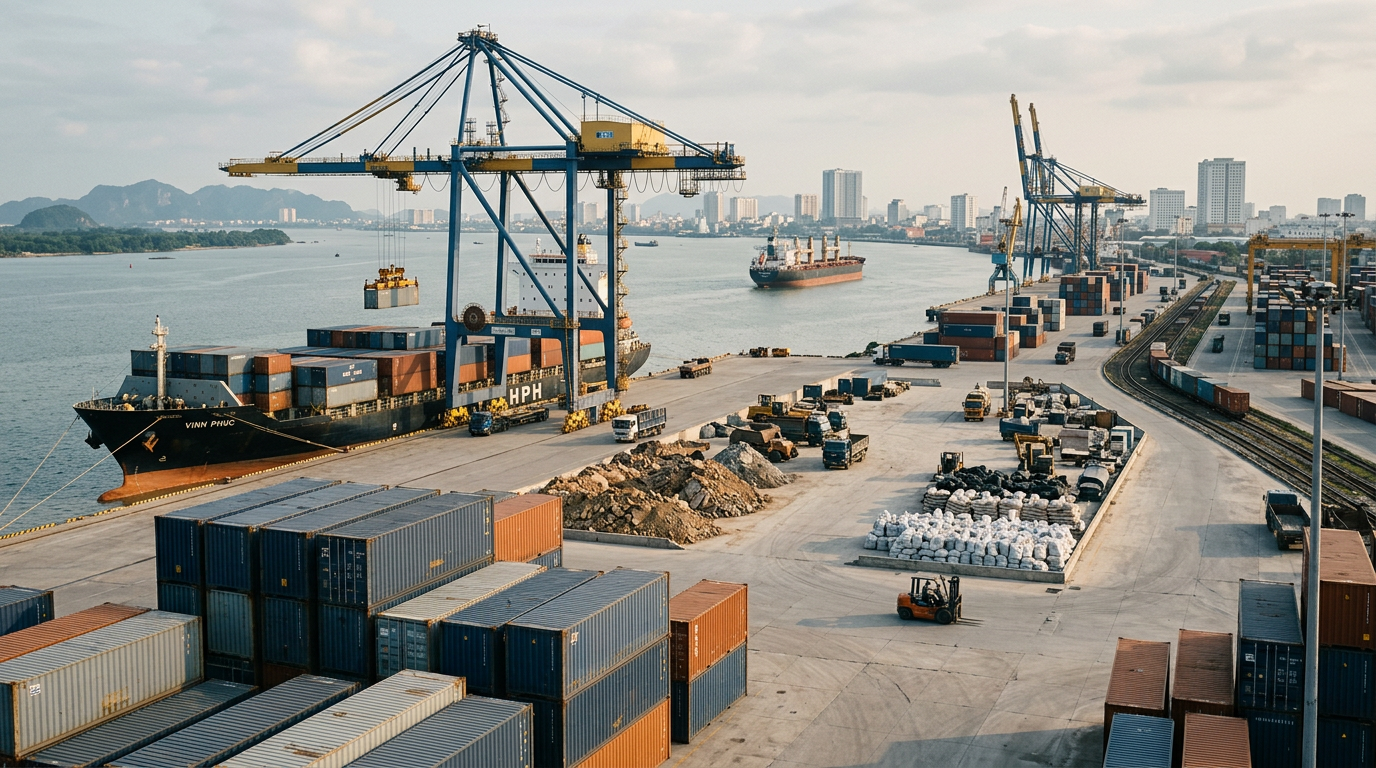
Vietnam is gaining ground as a destination for foreign direct investment, particularly in strategic sectors like rare earths, as companies diversify their supply chains away from China. A recent article in The Diplomat highlights this trend, noting that Vietnam is emerging as a significant manufacturing base for companies pursuing a "China Plus One" strategy. While this influx of capital is a positive development, the country's ability to translate these announcements into productive, long-term economic capacity remains a central question.
Institutions and Investable Depth
The attention on Vietnam, especially in a high-tech field like rare earth element processing, is a testament to its growing appeal. The country possesses the second-largest estimated reserves of rare earths globally, a resource that is fundamental to the production of magnets used in electric vehicles, wind turbines, and consumer electronics. As global manufacturers seek to reduce their reliance on a single source for these materials, Vietnam presents a logical alternative. However, headline-grabbing investment announcements are only the first step.
As the book ASEAN Rising notes in its analysis of Indonesia, another regional giant, scale and resource endowments are not sufficient on their own. The true measure of success lies in the ability of a country's institutions to convert potential into tangible projects. The book makes the point that "realised flows depend on the slower work of land, permits, power and talent reaching the ground." Vietnam's journey will be defined by its progress in these areas. Turning geological assets into processed, exportable goods requires a sophisticated and efficient bureaucracy, clear legal frameworks for mining and land use, and reliable infrastructure.
From Extraction to Value-Added Manufacturing
To fully capitalize on the China Plus One trend, Vietnam must move beyond simple resource extraction and into higher-value stages of the supply chain. Processing rare earth oxides into metals and eventually into finished products like magnets is a complex, capital-intensive, and technically demanding process. Success requires more than just digging minerals out of the ground; it necessitates a robust ecosystem of supporting industries, a skilled workforce, and consistent energy and water resources.
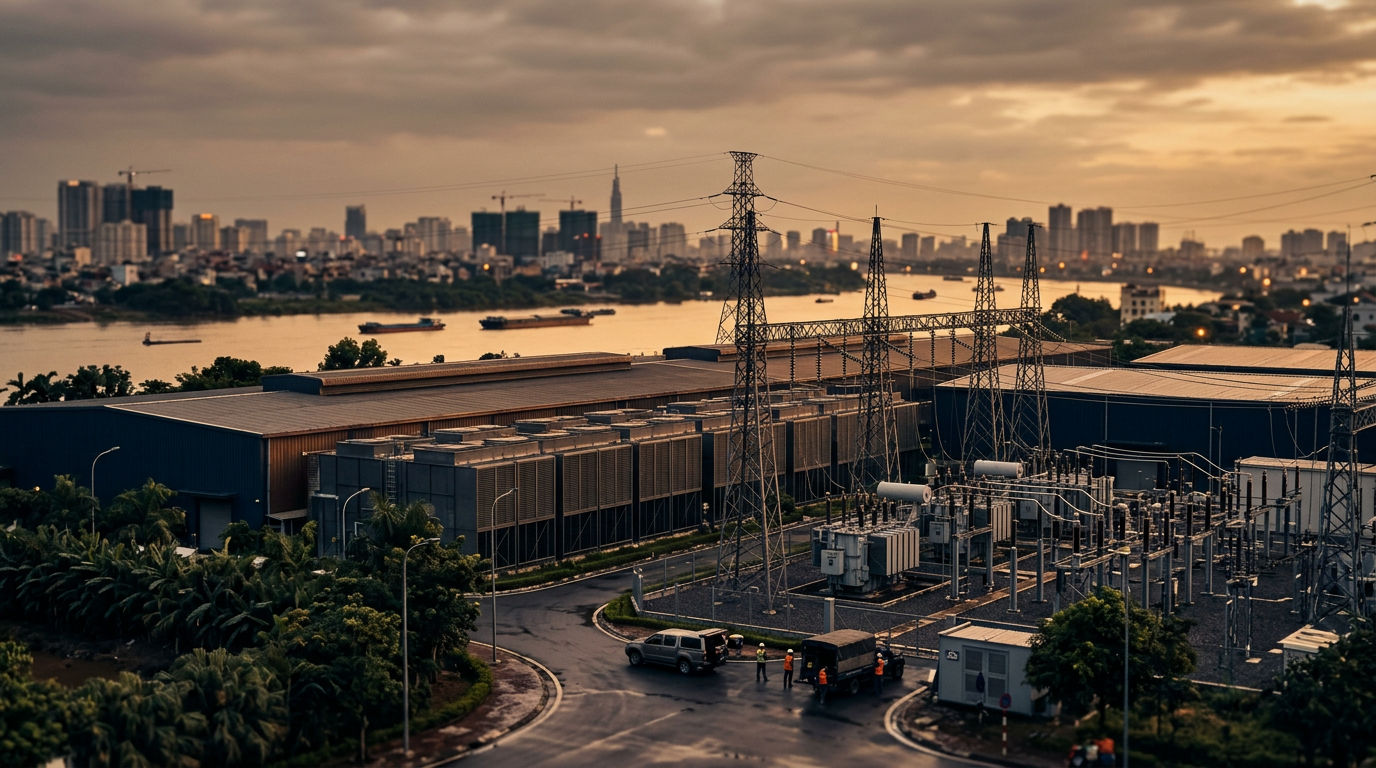
This is where the execution capacity of the state becomes paramount. Attracting a large-scale anchor investor in rare earth processing could create a powerful magnet effect, pulling in other component manufacturers and service providers. However, that initial investor will scrutinize the country's ability to deliver on its promises. Issues such as the timely issuance of permits, the availability of industrial-grade power and water, and the presence of technicians and engineers will be decisive. The government's ability to coordinate between national ministries and provincial authorities to provide a seamless experience for investors will be a significant factor in converting interest into operational factories.
The Talent and Trust Equation
The long-term sustainability of Vietnam's manufacturing ambitions also rests on human capital. Developing a workforce with the specialized skills for advanced manufacturing is a generational effort. It requires investment in vocational training, university partnerships, and a policy framework that allows for the importation of foreign experts to train local teams. The country has a young, dynamic population, but equipping them with the specific technical competencies needed for industries like rare earth processing is a deliberate process.
Furthermore, building trust with international partners is essential. For companies moving sensitive parts of their supply chains, regulatory predictability and the protection of intellectual property are non-negotiable. Vietnam has made significant strides in this area through its participation in various free trade agreements, but consistent enforcement and a transparent legal system are necessary to maintain investor confidence. The trust that foreign firms place in Vietnam's institutional framework will ultimately determine the quality and longevity of the investment it attracts.
What to watch
Observers should monitor the progress of specific, large-scale investment projects in Vietnam, particularly in the rare earths sector. The key indicators of success will not be the initial announcements, but rather the speed and efficiency with which these projects move from the planning stage to full-scale operation. Attention should be paid to the government's ability to resolve practical bottlenecks related to infrastructure, workforce skills, and regulatory approvals. The evolution of these on-the-ground factors will determine whether Vietnam can fully leverage the current interest into a lasting economic advantage.