Vietnam
Vietnam: From FDI Magnet to Supply Chain Power
Vietnam is moving to strengthen its domestic supply chains for electronics and semiconductors, a crucial step in maturing from a destination for foreign direct investment to a self-sufficient industrial power.
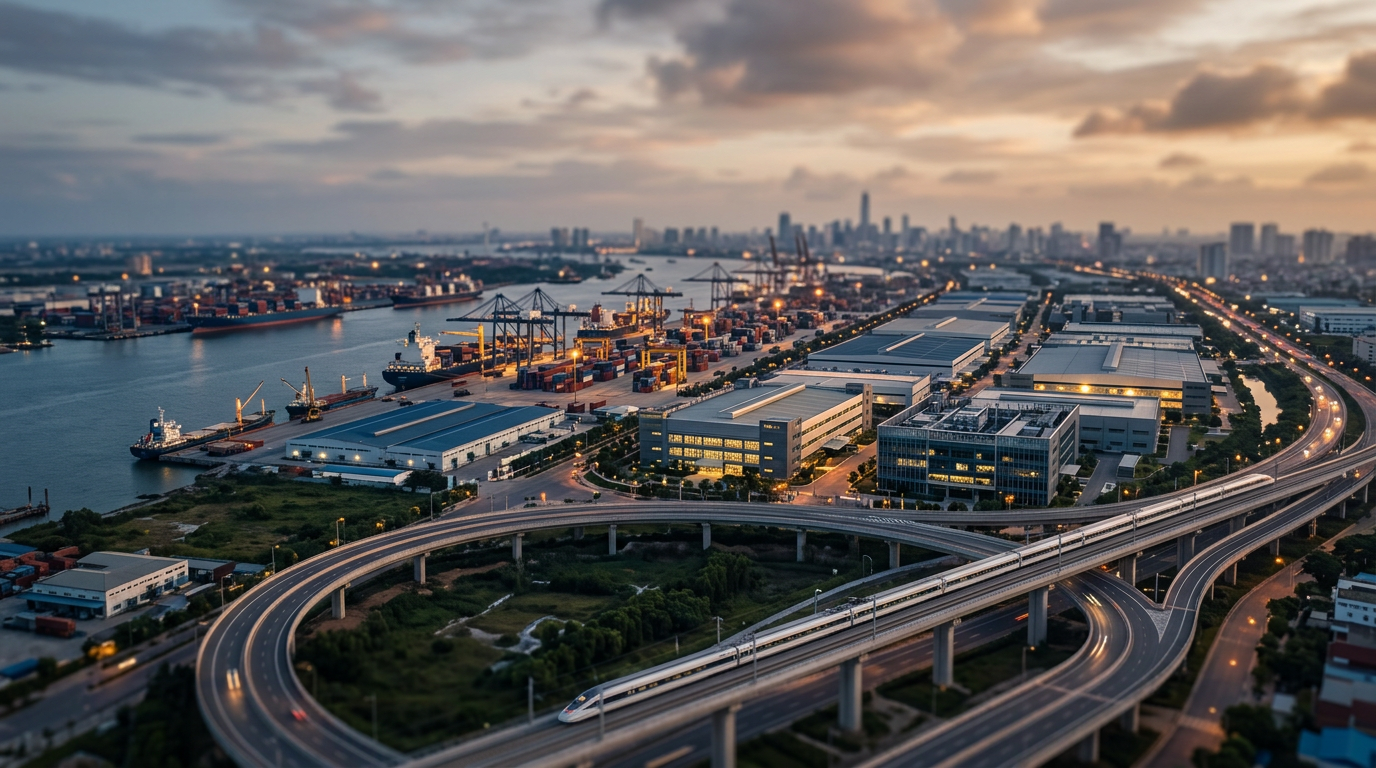
Vietnam's government is focusing on strengthening its domestic supply chains, particularly in the electronics and semiconductor sectors, as reported by Vietnam News. This initiative addresses a core challenge for the rapidly growing economy: while export figures are impressive, the value of imported components remains high, indicating a dependency on external suppliers. The government's plan aims to enhance the capacity of domestic firms to supply necessary parts and services, thereby increasing the local value-add and building a more resilient industrial base.
Institutions and Execution
The move reflects a deeper understanding of industrial policy. Attracting foreign direct investment (FDI) is only the first step. As argued in ASEAN Rising, the real work lies in creating an environment where investment can flourish and integrate with the local economy. The book notes that "realised flows depend on the slower work of land, permits, power and talent reaching the ground." Vietnam's focus on supply chain development is a direct attempt to address these foundational elements. Building effective institutions that can coordinate between foreign-invested enterprises and domestic suppliers is essential. This requires not just policy directives but also strong execution capabilities to ensure that local firms can meet the demanding standards of global electronics and semiconductor giants.
Capital and Talent
Developing a robust domestic supply chain is a capital and talent intensive process. Vietnamese firms need access to financing to upgrade their production facilities and invest in new technologies. This is where state-supported industrial development funds and preferential credit can play a role. However, capital alone is insufficient. The talent pipeline is equally important. The demand for skilled engineers, technicians, and managers in the high-tech sector is acute. Vietnam's strategy must therefore include a significant investment in vocational training and higher education, aligning curricula with the specific needs of the semiconductor and electronics industries. This ensures that the workforce can support the country's industrial ambitions.
Infrastructure and Trust
Physical and digital infrastructure is the backbone of any modern supply chain. Reliable power, efficient logistics, and high-speed data networks are non-negotiable for participation in the global electronics trade. Vietnam has made significant strides in infrastructure development, but continued investment is necessary to keep pace with industrial growth. Furthermore, building trust between multinational corporations and local suppliers is paramount. This trust is built on a track record of quality, reliability, and adherence to contracts. Government can act as a facilitator, creating platforms for partnership and ensuring a transparent and predictable legal framework that protects the interests of all parties. This fosters a collaborative ecosystem rather than a purely transactional one.
What to watch
Monitor the specific policy instruments Vietnam deploys to support domestic suppliers, such as tax incentives, R&D grants, and programs for technology transfer. The success of this initiative will be measured not just by the growth in the number of local suppliers, but by their ability to move up the value chain, from simple assembly to more complex component manufacturing. The level of integration between domestic firms and lead foreign investors will be a key indicator of Vietnam's progress in building a truly synergistic and resilient industrial ecosystem.