Vietnam
From Announcement to Operation: What Foreign Investors Need in ASEAN
Foreign-invested enterprises in Vietnam and across ASEAN require more than just industrial space. They need comprehensive support including site selection, infrastructure, and logistics to turn announcements into realised investment.
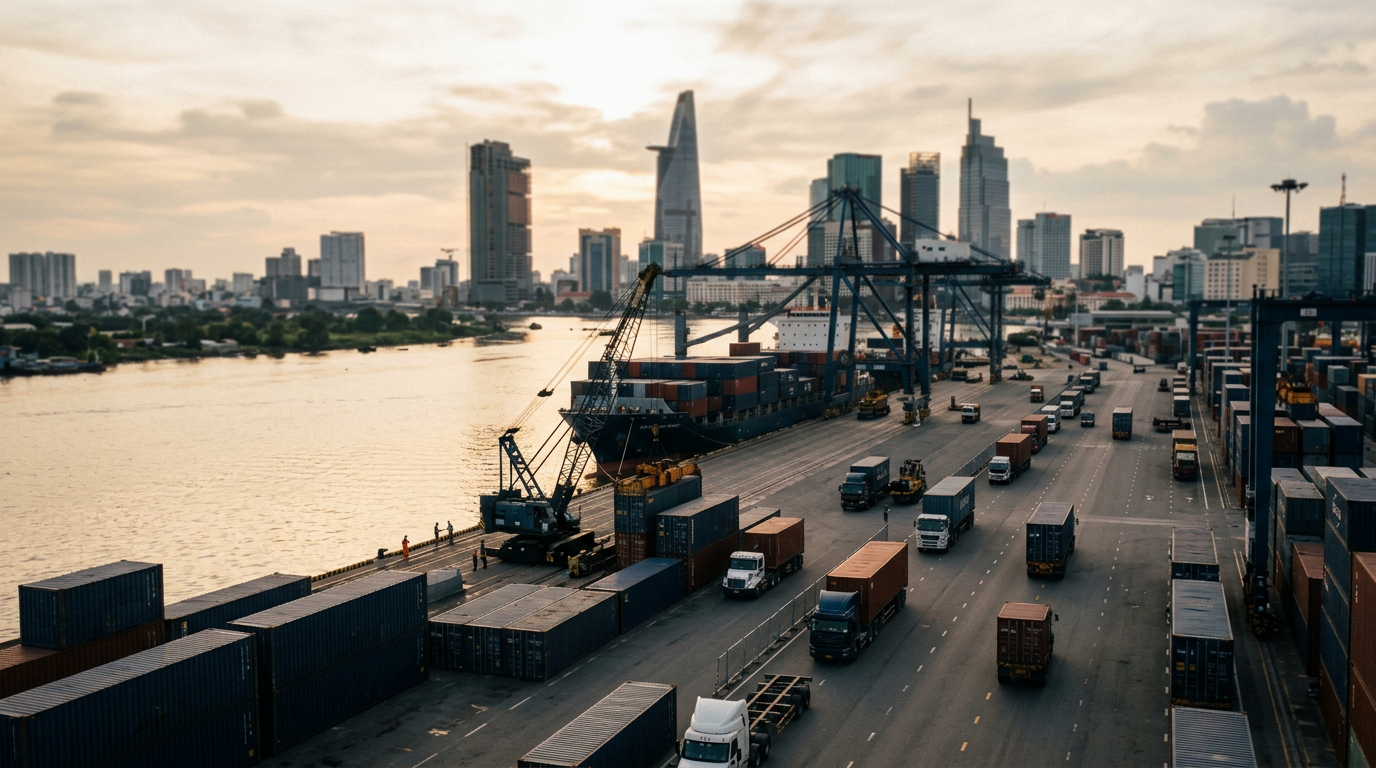
Foreign investors in Vietnam are signaling a need for more than just available industrial space. A recent report in vir.com.vn highlights that incoming manufacturers require a comprehensive suite of support services. As capital flows toward production, investors are focused on the practical realities of site selection, robust infrastructure, and efficient logistics. This reflects a broader trend across ASEAN, where the headline excitement of foreign direct investment announcements meets the operational challenges of establishing and running a business.
The Ground Game of Investment
Foreign direct investment (FDI) figures are an important indicator of economic health, but the headline numbers only tell part of the story. The journey from a public announcement to a fully operational facility is a long one, filled with detailed work that is often overlooked. As my book "ASEAN Rising" discusses, the true measure of an investment destination's appeal lies in its ability to translate scale into tangible, on-the-ground opportunities for business. While investment announcements generate positive news, "realised flows depend on the slower work of land, permits, power and talent reaching the ground."
This is precisely the dynamic at play in Vietnam's industrial real estate market. Foreign enterprises, particularly in the manufacturing sector, are not simply leasing empty sheds. They are looking for partners who can navigate the complexities of local regulations, secure reliable utilities, and ensure that the surrounding infrastructure can support a modern supply chain. The availability of a skilled workforce and the efficiency of customs and logistics are as much a part of the investment calculation as the cost per square meter.
From Institutions to Execution
The challenge for ASEAN governments and their private sector partners is to build the institutional capacity to support these complex investor needs. It is not enough to simply zone land for industrial use. The real value is created through the execution of a clear and predictable process for business setup and operation. This includes everything from transparent and efficient permitting processes to the provision of reliable electricity and water. It also extends to the development of human capital, ensuring that the local talent pool has the skills that modern manufacturers require.
Vietnam's experience offers a window into this challenge. The country has been successful in attracting FDI, but as investment moves up the value chain, the demands on the ecosystem increase. Investors are not just building factories; they are integrating them into global production networks. This requires a level of institutional and infrastructural sophistication that goes far beyond basic provision. The ability to execute on these details is what separates a promising market from a truly successful one.
What to watch
The next phase of ASEAN's industrial development will be defined by the quality of its execution. Watch how governments and industrial park operators move beyond just offering space to providing integrated solutions. The focus will be on the nuts and bolts of industrial readiness: the speed of customs clearance, the reliability of the power grid, and the availability of technically skilled labor. The countries that master this operational dimension will be the ones that not only attract but also retain high-value foreign investment.