Malaysia
Penang, E&E, and ASEAN's Managed Dependency on China
Penang's record electrical and electronics exports highlight a structural reality for ASEAN: deep trade with China requires a strategic approach to managing dependency, particularly in talent and infrastructure.
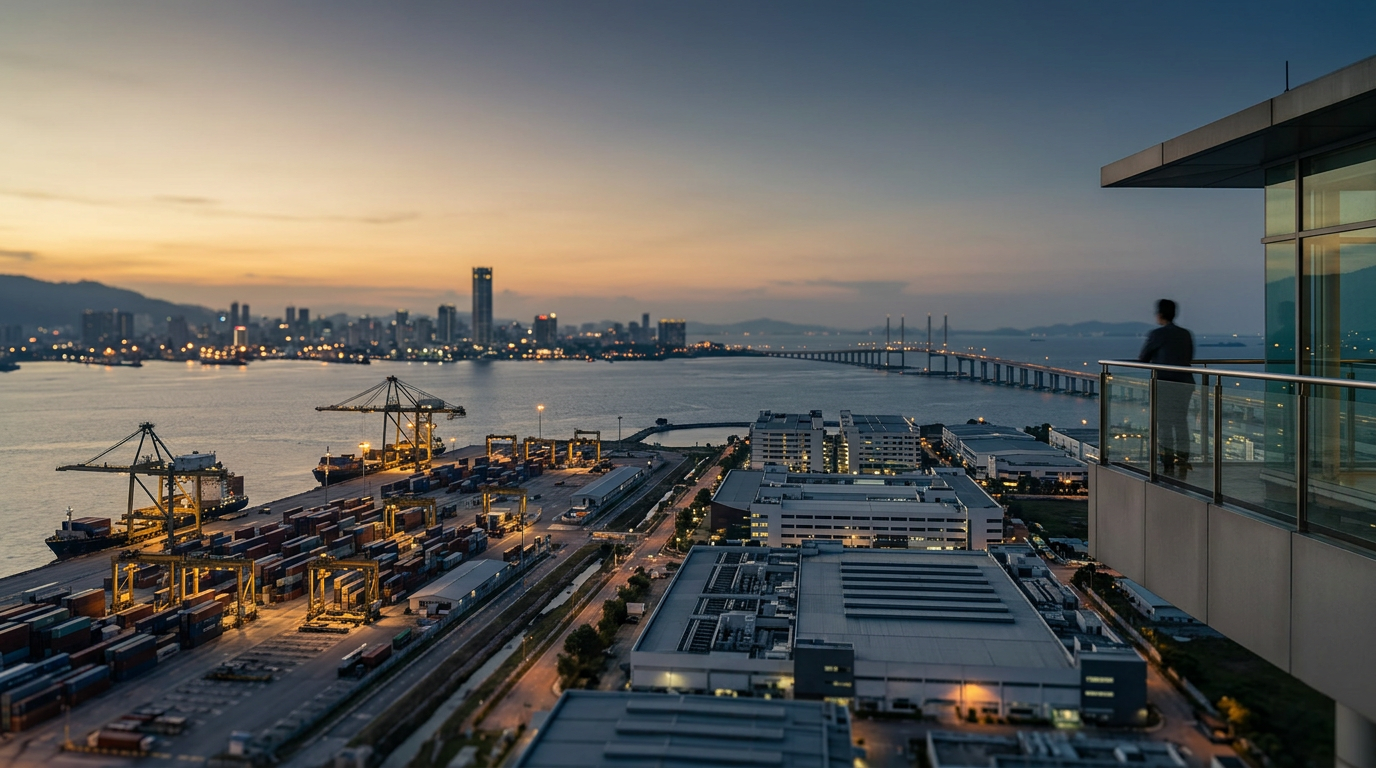
Penang's record RM350 billion in electrical and electronics (E&E) exports in the first half of 2026, as reported by Bernama, is a standout indicator of the region's deepening integration into global supply chains. This 80% year-on-year increase highlights the state's role as a key node in the semiconductor and electronics industries. Yet, this growth story is not just about Penang; it reflects a broader ASEAN dynamic of leveraging trade depth with global partners, most notably China, while navigating the complexities that come with it.
Trade, Talent, and Trust
Penang's export success is inextricably linked to the intricate supply chains that crisscross Southeast Asia and East Asia. China is the largest trading partner for Malaysia and every other ASEAN member state except the Philippines. Much of the E&E sector's value chain involves components and final assembly operations that connect factories in Penang with industrial hubs across China. As outlined in ASEAN Rising, this deep trade relationship is a structural feature of the region's economy. The challenge for policymakers is "how to manage dependency without losing optionality."
The surge in export value also brings immediate execution challenges, particularly in human capital. The report from Penang points to a growing need for more skilled talent to sustain the industry's growth. This talent deficit is a common constraint across ASEAN's high-growth sectors. It underscores the necessity of aligning national education and training institutions with the specific demands of a technologically advanced manufacturing base. Building a pipeline of skilled engineers and technicians is not just a matter of national policy but a requirement for maintaining the region's competitive position.
Capital, Infrastructure, and Optionality
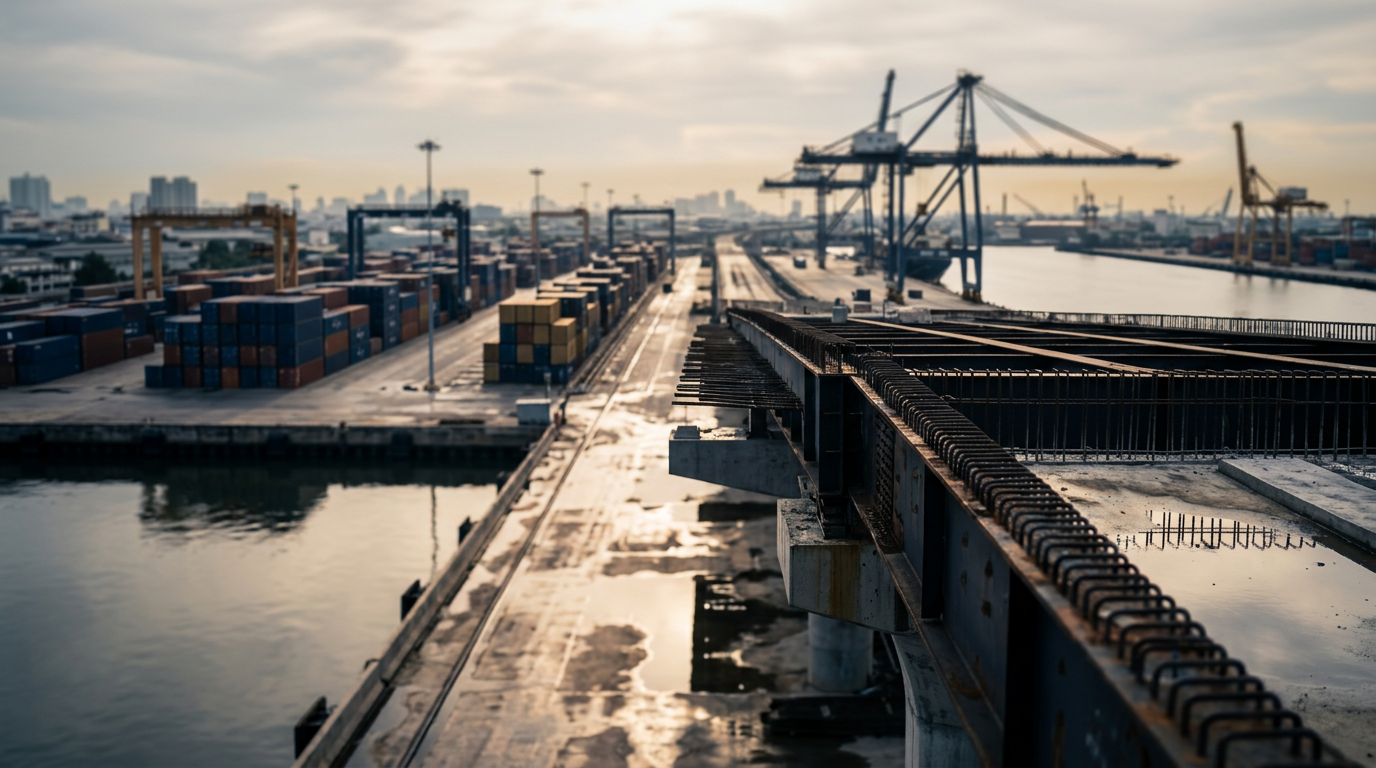
Sustaining the growth seen in Penang requires significant and sustained investment in both physical and human infrastructure. While foreign direct investment is a primary source of capital for the E&E sector, the character of this capital matters. Diversifying investment sources allows states like Penang to avoid over-reliance on a single partner and maintain strategic flexibility. The infrastructure required to support a 80% increase in export volume-from logistics and port capacity to the digital backbone for modern manufacturing-cannot be built overnight.
This is where the concept of managed dependency becomes practical. For ASEAN, deep economic ties with China are a source of growth and capital. However, this integration also concentrates risk. By investing in domestic capabilities, from a skilled workforce to robust infrastructure, member states can enhance their value within the supply chain. This improves their terms of engagement and creates a wider range of strategic and economic choices. The goal is not to decouple from China but to build the institutional capacity and physical infrastructure needed to ensure the relationship is balanced and sustainable.
What to watch: Observers should monitor whether the surge in E&E exports translates into concrete, long-term investments in Malaysia's educational institutions and domestic infrastructure. The ability to close the skilled talent gap will be a key determinant of whether Penang and, by extension, Malaysia can institutionalize the gains from this period of rapid growth. The policy choices made in response to these capacity constraints will shape the country's role in the global technology supply chain for years to come.