Thailand
Thailand, Trade, and Trust in the US-China Rivalry
A recent White House report on transshipment puts Thailand in a difficult position, highlighting the delicate balance ASEAN nations must strike between their deep trade ties with China and their strategic relationships with the United States.
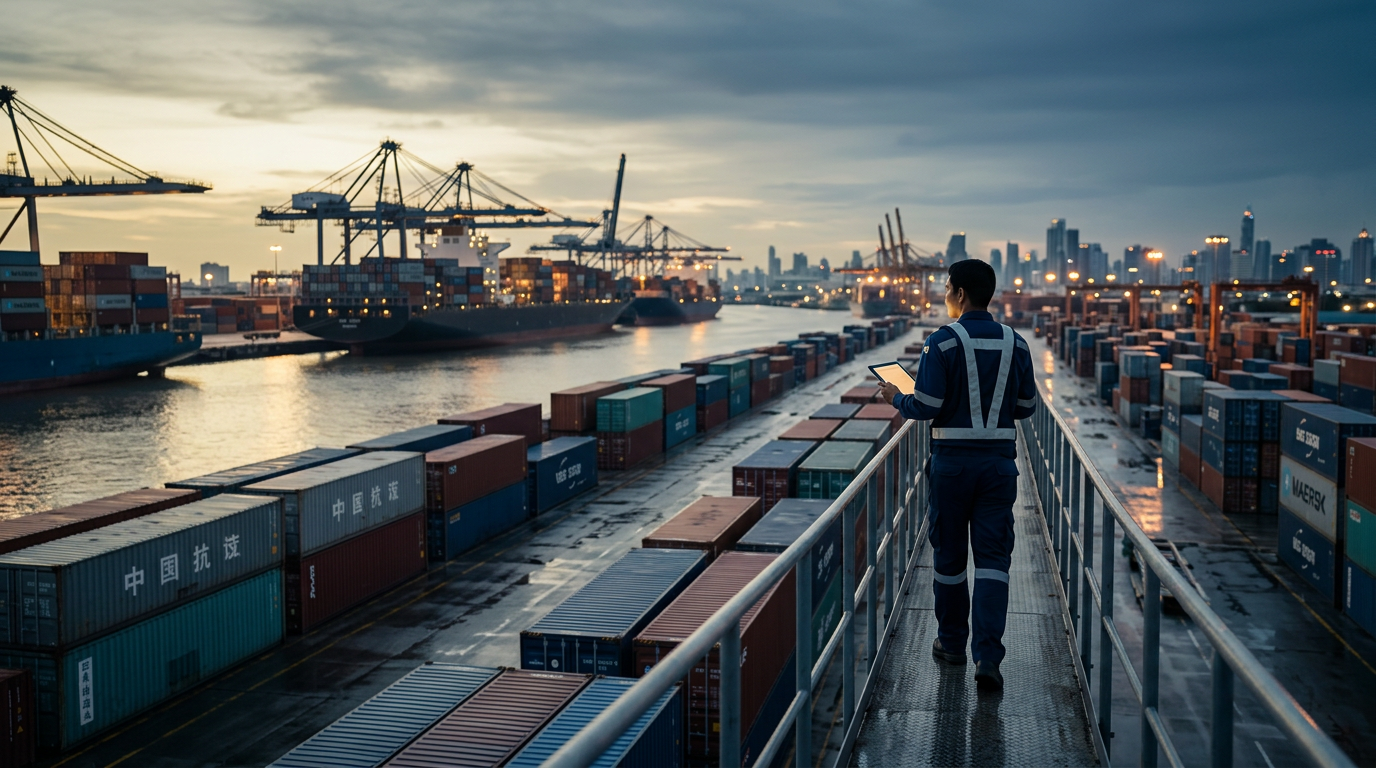
A recent report from the White House has caused concern among Thai exporters. The Thai National Shippers' Council (TNSC) has voiced apprehension over Thailand's inclusion in a report on transshipment hubs, according to the Bangkok Post. The council fears that this designation, even if based on allegations of illicit activity by a few, could damage the trust US importers place in the legitimacy of Thai exports as a whole. This development places a spotlight on the broader institutional challenges facing ASEAN members as they navigate the complexities of global trade and great power competition.
Institutions Under Pressure
The TNSC's reaction highlights a core vulnerability for export-oriented economies: the perception of institutional integrity. The US report, by flagging Thailand as a point of concern for transshipment, implicitly questions the robustness of its customs and export verification processes. For a nation reliant on global supply chains, such perceptions can have a direct impact on trade flows and investor confidence. The issue is not just about the alleged actions of a few bad actors, but about the institutional capacity to enforce trade regulations effectively and transparently. If US buyers lose confidence, they may shift their sourcing to other countries, impacting Thai industries and employment.
This incident underscores the importance of strong, trusted institutions in an era of heightened geopolitical scrutiny. As supply chains are reconfigured globally, the reliability of a country's regulatory framework becomes a significant competitive advantage. The TNSC's call for clarity and action is an attempt to safeguard this advantage, recognizing that trust, once eroded, is difficult to rebuild.
The China Factor and Managed Dependency
While the immediate issue involves the United States, the broader context is the deep economic integration between ASEAN and China. As detailed in "ASEAN Rising," the depth of trade with China is a structural reality for the region. This economic relationship often involves components and finished goods that are part of complex, cross-border supply chains. The US concern over transshipment is, in part, a reaction to the possibility that goods originating from China could be rerouted through third countries like Thailand to circumvent tariffs or other trade restrictions.
This puts Thai authorities in a delicate position. They must demonstrate to Washington that their institutions are strong enough to prevent illicit transshipment, while simultaneously managing a vast and legitimate trade relationship with their largest economic partner. The challenge for ASEAN governments, as the book notes, "is no longer whether to engage, but how to manage dependency without losing optionality." Thailand's situation is a clear example of this balancing act. Strengthening customs enforcement and supply chain verification is not just a matter of compliance, but a strategic necessity to maintain access to Western markets without decoupling from China's economic orbit.
Capital and Infrastructure Implications
The transshipment issue also has implications for capital investment and infrastructure development in Thailand and across ASEAN. A significant portion of regional infrastructure investment, from ports to railways, is designed to enhance connectivity and facilitate trade, much of it linked to China-centric supply chains. If trust in the region's trade governance falters, it could deter Western investment in these critical infrastructure projects.
Investors require predictability and transparency. Allegations of weak enforcement can create perceived risks that make capital more expensive or scarce. For Thailand's Eastern Economic Corridor and other large-scale projects, maintaining the confidence of a diverse range of international partners-including those from the US, Japan, and Europe-is essential for long-term success. The current situation with the White House report serves as a reminder that physical infrastructure must be supported by equally strong institutional infrastructure, including robust legal and regulatory systems that are trusted by global partners.
What to watch
Observe how the Thai government responds to the concerns raised by both the White House and the TNSC. The specific actions taken by customs and trade authorities to enhance supply chain verification and transparency will be telling. These measures will indicate Thailand's capacity to manage the competing pressures of its relationships with Washington and Beijing, a challenge that resonates across the entire ASEAN bloc as it navigates a shifting global trade environment.