Singapore
Sheng Siong's Rise and ASEAN's China Trade
Sheng Siong's recent success, fueled by its robust China supply chain, shows how deeply integrated ASEAN businesses are with China. This integration is a structural reality that regional firms must navigate carefully.
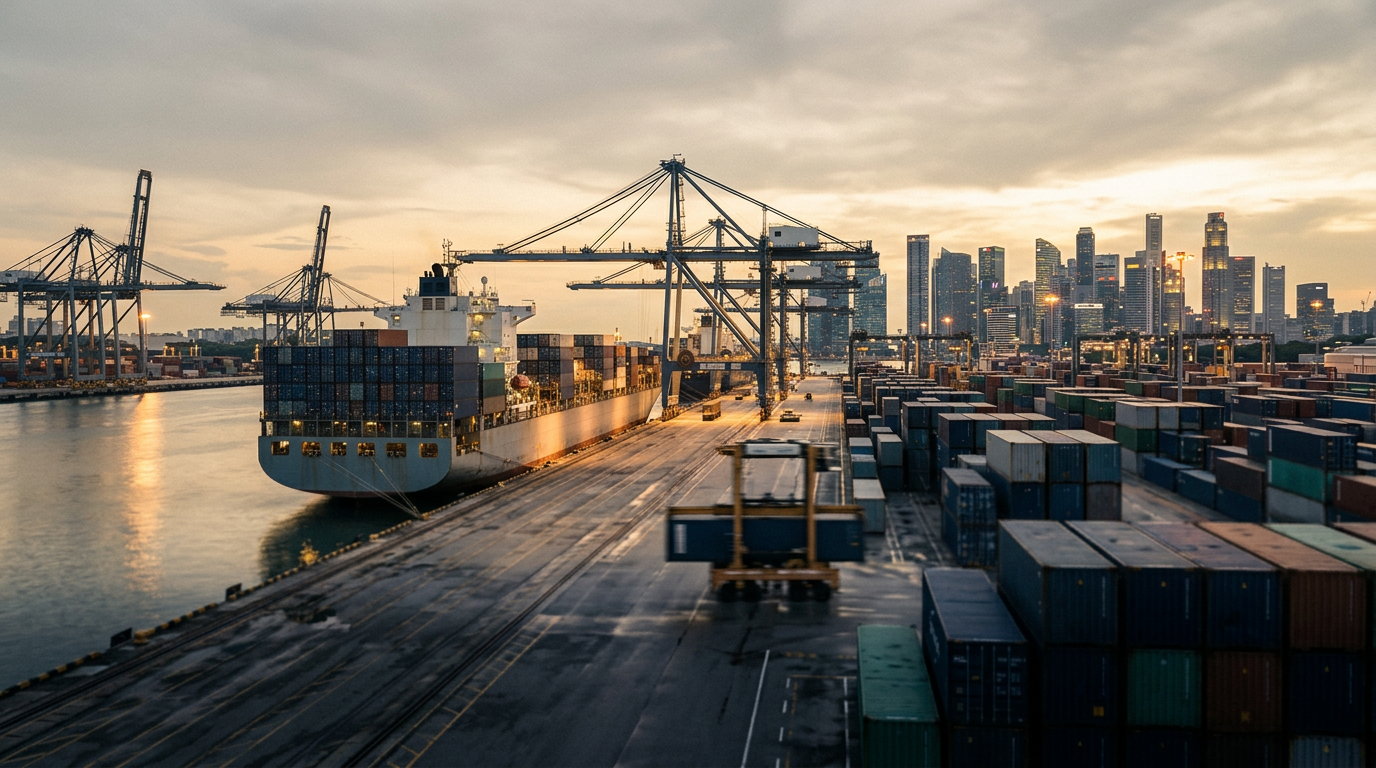
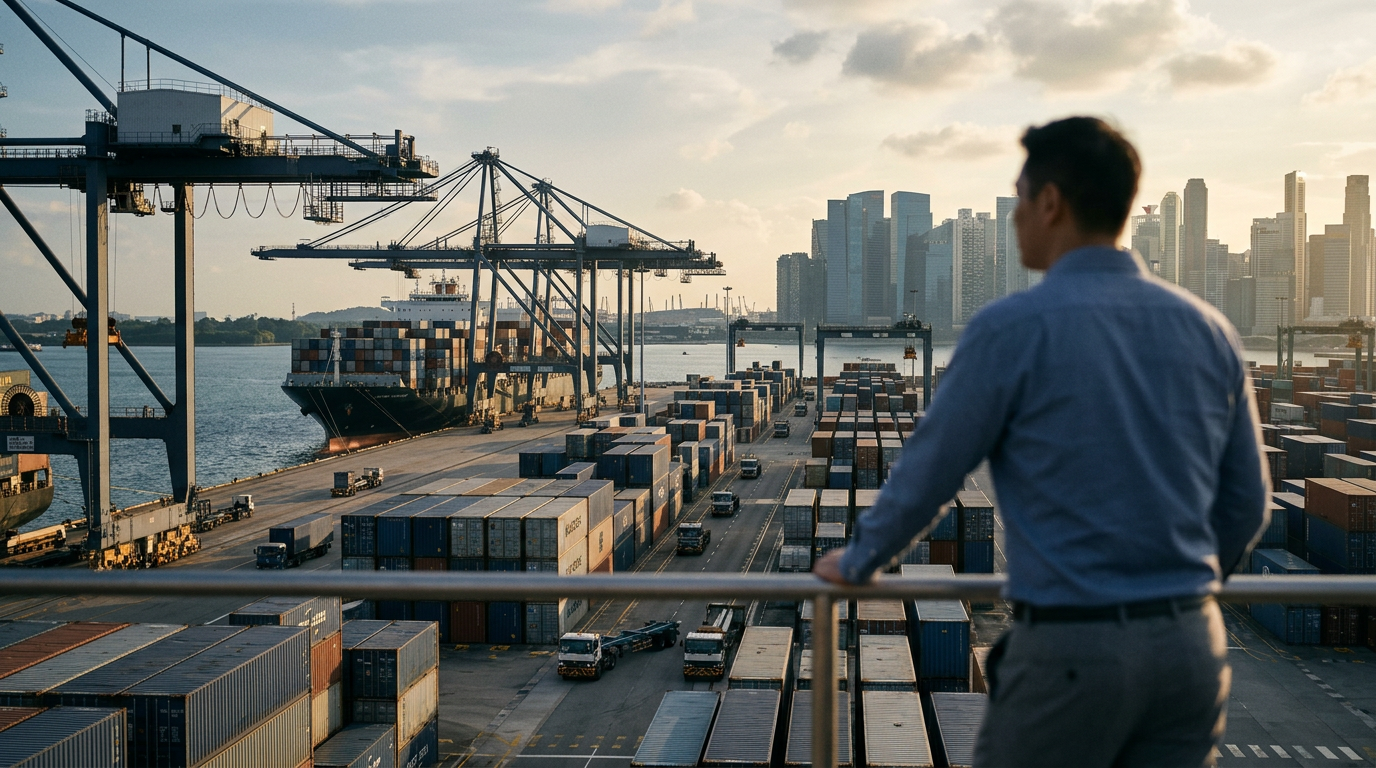
The founder of Singapore's Sheng Siong supermarket chain, Lim Hock Chee, has seen a significant increase in his wealth, as reported by VNExpress. This development is not just a story of individual success but also a reflection of a broader economic reality across the region: the deep and growing trade relationship between ASEAN and China.
The Institution of the Supply Chain
Sheng Siong's model is a case study in effective supply chain management. The company has built a sophisticated procurement network, sourcing a wide variety of goods directly from a network of suppliers in China. This allows the supermarket to offer competitive prices to Singaporean consumers, a key driver of its growth. The ability to establish and maintain these direct supplier relationships is a core institutional strength. By investing in the logistics, quality control, and cross-border financial infrastructure to support this trade, Sheng Siong has created a durable competitive advantage. This mirrors a larger pattern across ASEAN, where businesses that build robust institutional capacity to manage China-based supply chains are thriving. They are not merely traders but are building systems that manage procurement, logistics, and compliance at scale.
Capital and Execution
The success of this strategy is evident in Sheng Siong's financial performance. The firm's ability to translate its supply chain efficiency into strong retail execution and profitability has attracted significant investor capital, boosting its market valuation. This infusion of capital allows for further investment in infrastructure, such as new stores and distribution centers, creating a virtuous cycle. The story of Sheng Siong demonstrates how operational excellence in managing trade flows can be a powerful magnet for capital. For other ASEAN businesses, the lesson is that demonstrating mastery over the complexities of China trade can unlock new funding and opportunities for expansion. The execution of a clear, China-focused procurement strategy, as seen with Sheng Siong, provides a tangible roadmap for others to follow.
Managing Dependency
The reliance on Chinese suppliers, however, comes with inherent risks. As the book "ASEAN Rising" notes, the depth of this trade relationship is now a structural and permanent feature of the regional economy. The key issue for businesses and governments is no longer about choosing whether to engage with China, but about how to handle the resulting dependency. For companies like Sheng Siong, this means managing risks related to potential supply disruptions, shifts in trade policy, or currency fluctuations. Diversifying sourcing locations, even while maintaining strong China ties, and developing sophisticated hedging strategies are essential components of long-term resilience. The goal is to "manage dependency without losing optionality," ensuring that the business is not overly exposed to shocks from a single market, however important.
What to watch next is how ASEAN firms, inspired by examples like Sheng Siong, evolve their China strategies. Observers should monitor whether companies begin to invest more in supply chain diversification within ASEAN itself, even as they continue to refine their procurement operations in China. The development of regional talent with expertise in cross-border trade law, finance, and logistics will also be a key indicator of the region's ability to navigate its complex relationship with its largest trading partner.