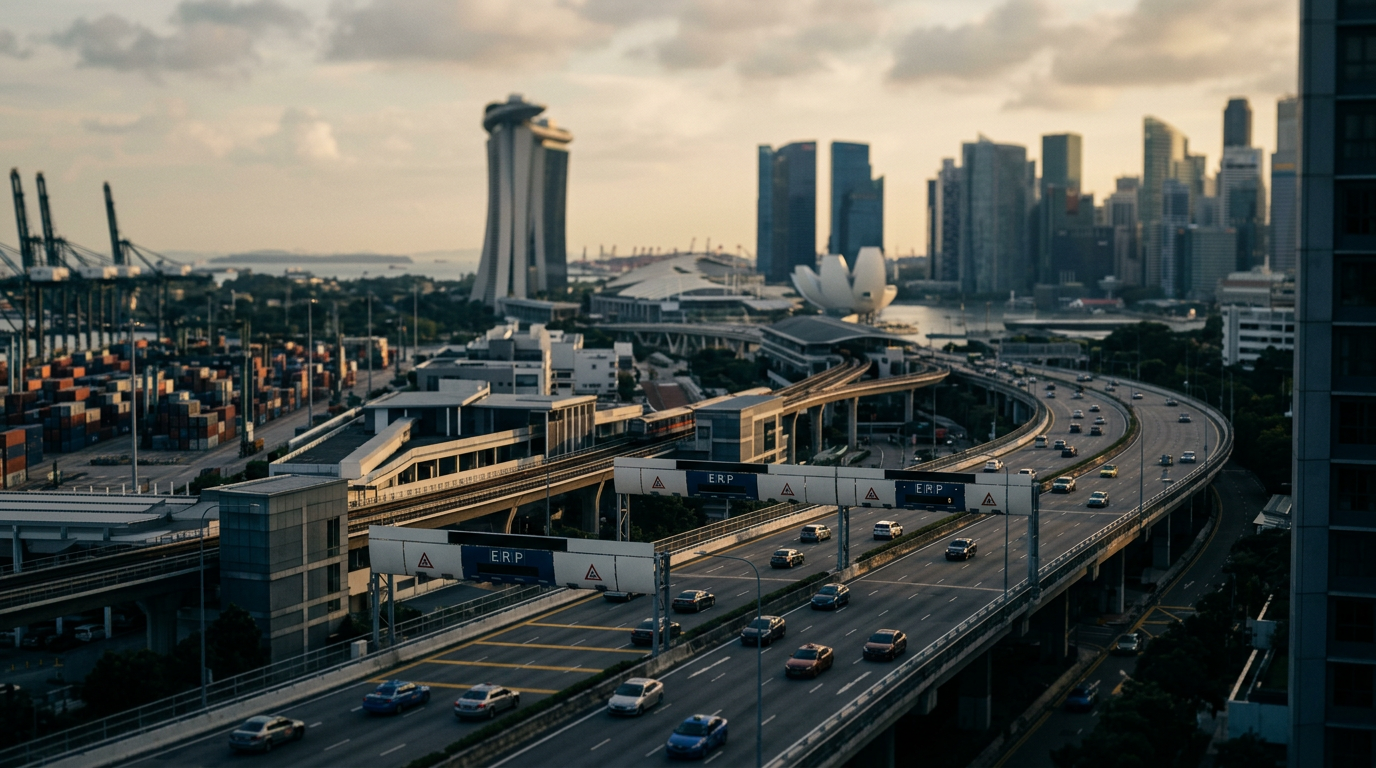
Singapore
Singapore Tightens Transshipment Rules Under US Pressure
Singapore's Ministry of Trade and Industry will now require firms transhipping goods to declare their true country of origin, a move that highlights the institutional challenges for ASEAN in managing US-China trade tensions.
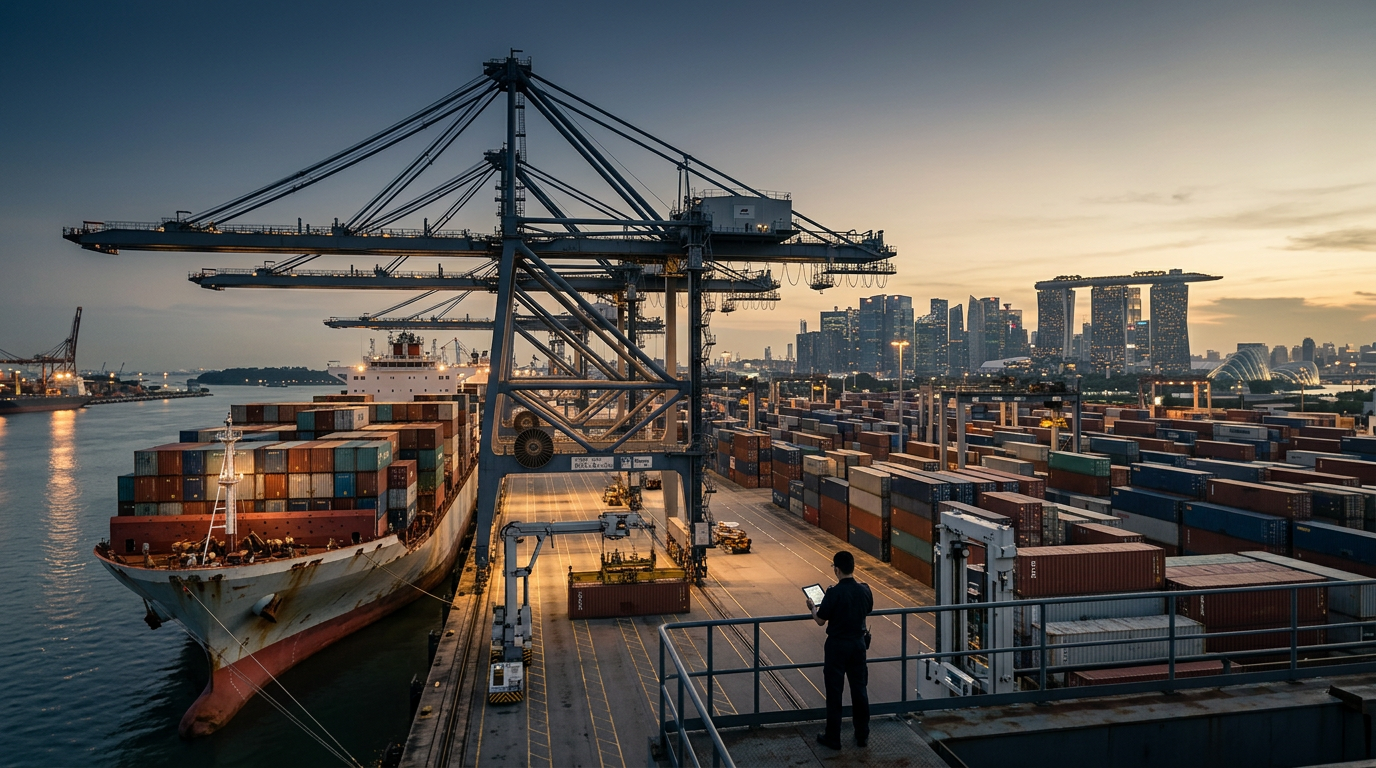
Singapore's Ministry of Trade and Industry (MTI) has announced that firms using the city-state for transshipment will now be required to declare the true country of origin for their goods. The policy change, reported by the Business Times, comes after the United States raised concerns that Chinese exporters were using Singapore and other economies to circumvent American tariffs. The move puts a new focus on the institutional frameworks governing trade and logistics across the region as external pressures mount.
Institutional Squeeze
The US action and Singapore's subsequent policy response show the difficulty ASEAN members face in navigating the trade conflict between Washington and Beijing. Singapore, with its world-class port infrastructure and status as a global trade hub, is a natural node for transshipment. Its extensive free trade agreements and efficient customs processing make it an attractive waypoint for goods moving into and out of Southeast Asia. However, these same strengths make it a target for scrutiny when major economic powers suspect tariff evasion.
The MTI's new declaration requirement is a direct institutional reaction to this pressure. It aims to increase transparency and demonstrate a commitment to enforcing global trade rules, thereby preserving trust with key partners like the US. For businesses, this means additional compliance steps and potential disruptions for supply chains that have relied on the seamless movement of goods through Singapore. The administrative burden may be small for established players with robust tracking systems, but it could present a larger hurdle for smaller firms.
Managing Dependency
The situation illustrates a core theme of ASEAN's economic positioning. As detailed in ASEAN Rising, deep trade integration with China is a structural reality for the bloc. The primary issue for governments is not about whether to trade with China, but "how to manage dependency without losing optionality." Singapore's policy update is a case study in managing this dependency under the watchful eye of the United States. By tightening its rules, Singapore aims to maintain its strategic flexibility and avoid being drawn deeper into the US-China dispute or facing punitive measures itself.
This incident also casts a light on the broader network of trade relationships. While the immediate cause was suspicion of Chinese goods being rerouted, the rule change affects all goods transhipped through Singapore, regardless of origin. It underscores how measures aimed at one country can have wider implications, forcing a system-wide adaptation. Other ASEAN members with significant transshipment volumes will be observing Singapore's experience closely, as they may face similar pressures to enhance their own customs and declaration protocols to maintain the integrity of their trade infrastructure.
What to watch
Going forward, the focus will be on the execution and enforcement of these new rules in Singapore and the reaction from its trading partners. Observers should watch for any signs of trade diversion to other hubs in the region that may have less stringent declaration requirements. The longer-term question is whether this is a standalone adjustment or the beginning of a broader regional trend toward tighter supply chain verification, driven by the persistent strategic competition between the US and China.