Singapore
Singapore, China, and the Limits of Traceability
Singapore's recent statements on the practical limits of tracking transshipments highlight a structural reality for ASEAN: deep trade integration with China requires careful management of dependency, not a futile attempt at decoupling.
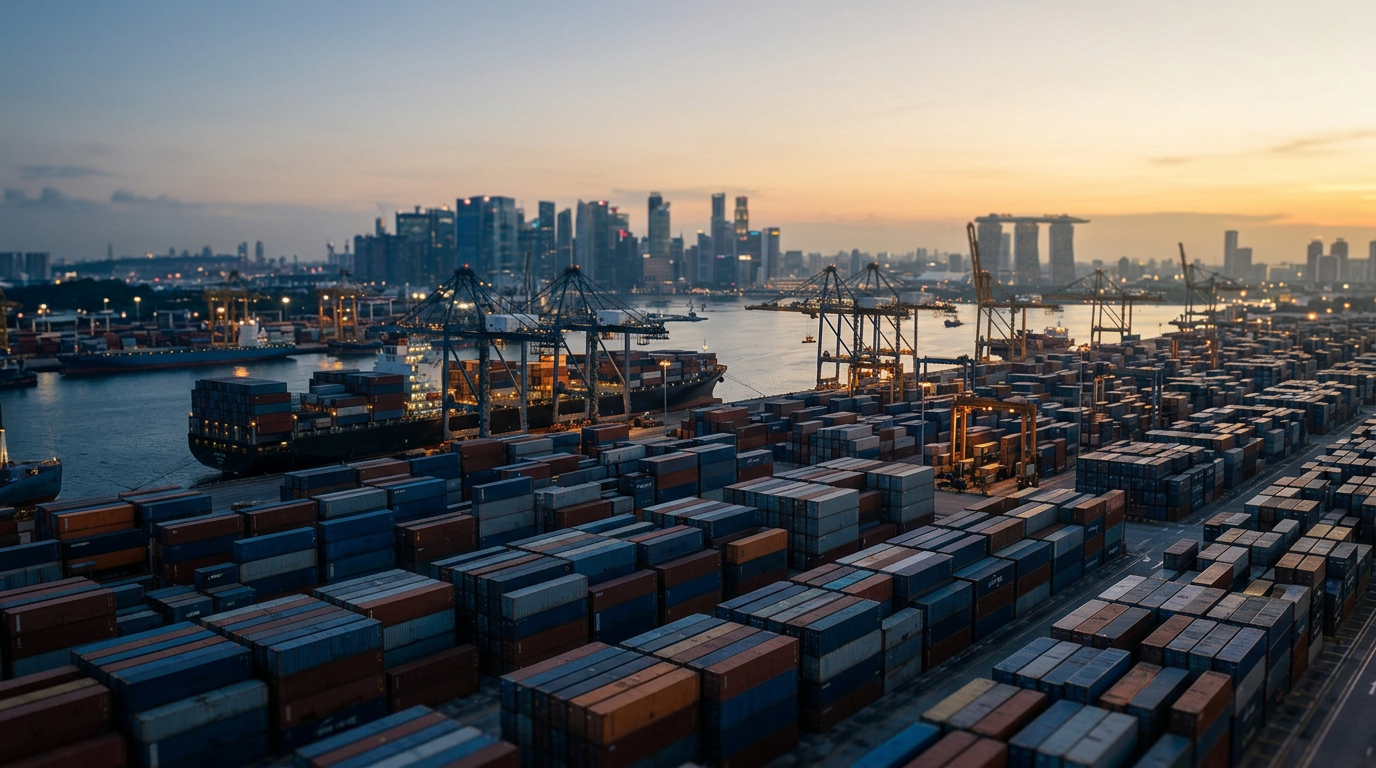
Singapore's Prime Minister Lawrence Wong recently stated that it is not realistic for the city-state to trace every transshipment container to its ultimate destination in response to potential US tariff enforcement. According to a report from The Business Times, the statement underscores the sheer volume of trade that flows through the region's ports and the practical limits of policing global supply chains. While aimed at addressing US concerns about tariff evasion, the issue speaks to a wider regional dynamic: the deep, structural economic ties between ASEAN and China.
The Transshipment Test
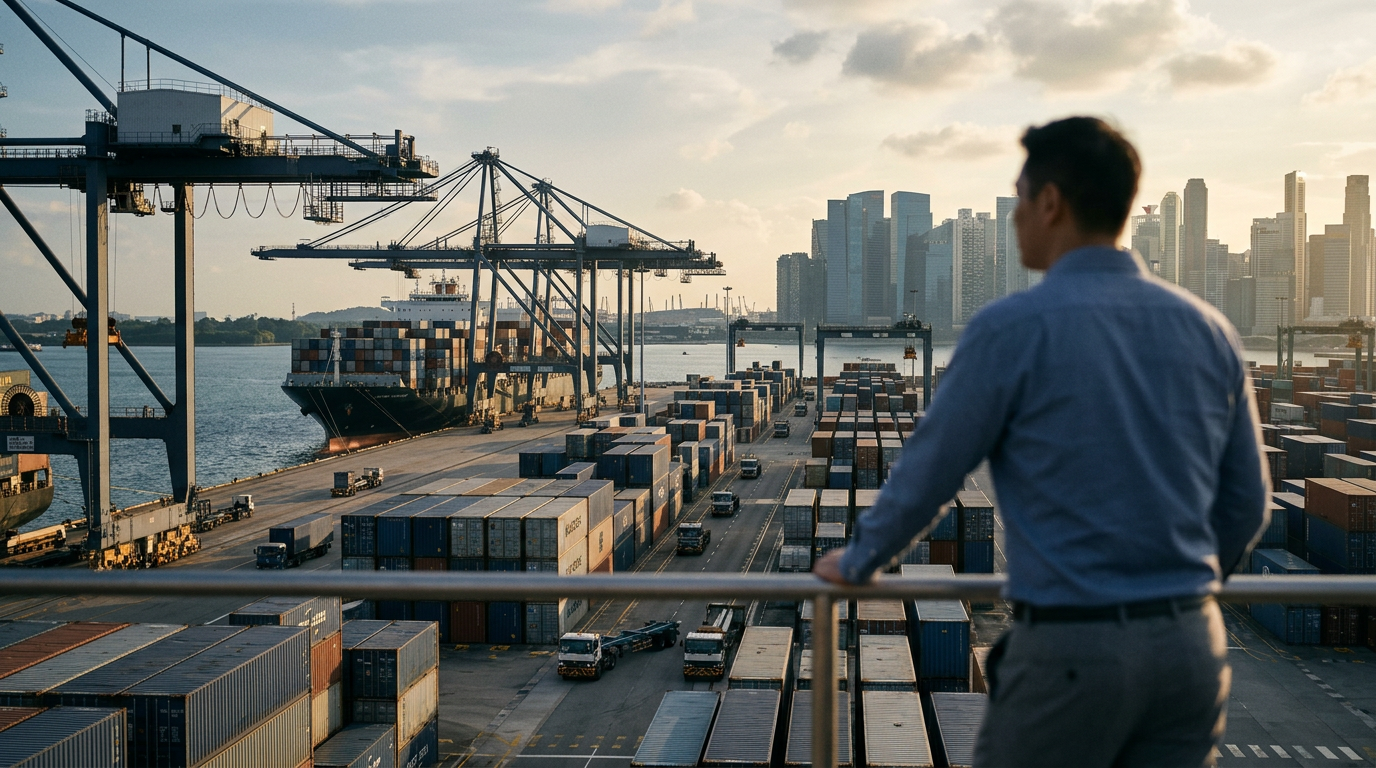
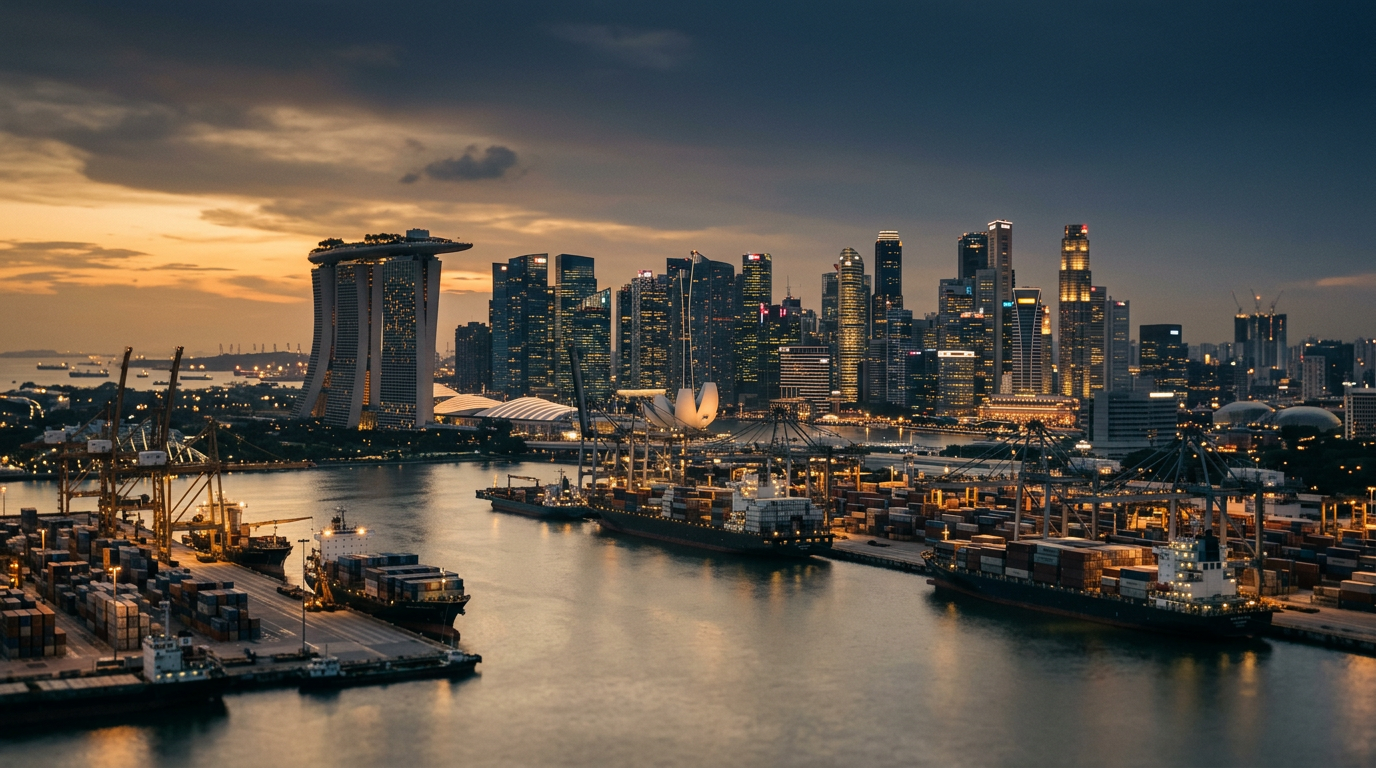
Singapore is one of the world's busiest transshipment hubs, a cornerstone of its economic model. Goods from across the globe, particularly from China, are consolidated, repackaged, or processed before being re-exported. This model thrives on efficiency and volume. Imposing a forensic level of traceability on every container would introduce immense friction, increase costs, and ultimately undermine the port's competitiveness. The government's stance is not a political statement on US-China rivalry but a pragmatic defense of its institutional framework. It suggests that external regulatory pressures, if misaligned with the physical and economic realities of global trade, will face resistance. The infrastructure that makes Singapore a world-class logistics hub is not designed for the granular inspection that would be required to satisfy every tariff regime's country-of-origin demands.
Managing Dependency
The prime minister's comments reflect a core dilemma for all of ASEAN. As the book "ASEAN Rising" notes, the region's deep trade relationship with China is a structural fixture of the modern economy. The central issue for governments is not how to disentangle their economies from China, but how to manage the resulting dependency while preserving strategic flexibility. "Trade depth with China is now a structural feature, not a cyclical one," and attempts to ignore this reality are bound to fail. Singapore's position on transshipment is a case in point. Instead of severing connections, the focus is on maintaining the efficiency of its capital-intensive port infrastructure and upholding its role as a reliable node in global trade networks.
A Trust-Based Model Under Pressure
Singapore