Indonesia
Indonesian Metal Export Delays and the Push for Value
Indonesia's move to control its mineral exports is more than a logistical hurdle; it is a live test of the entire region's ability to manage its deep economic ties with China and move up the global value chain.
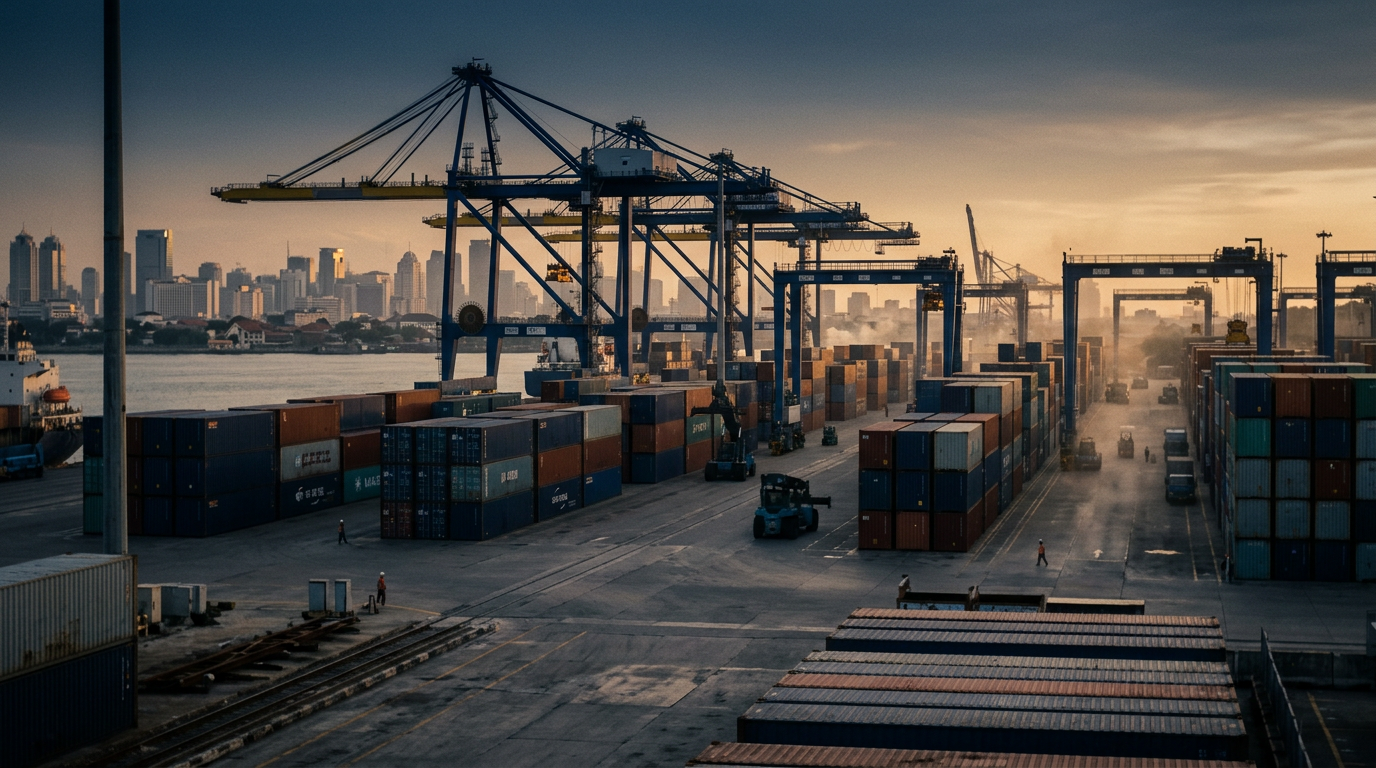
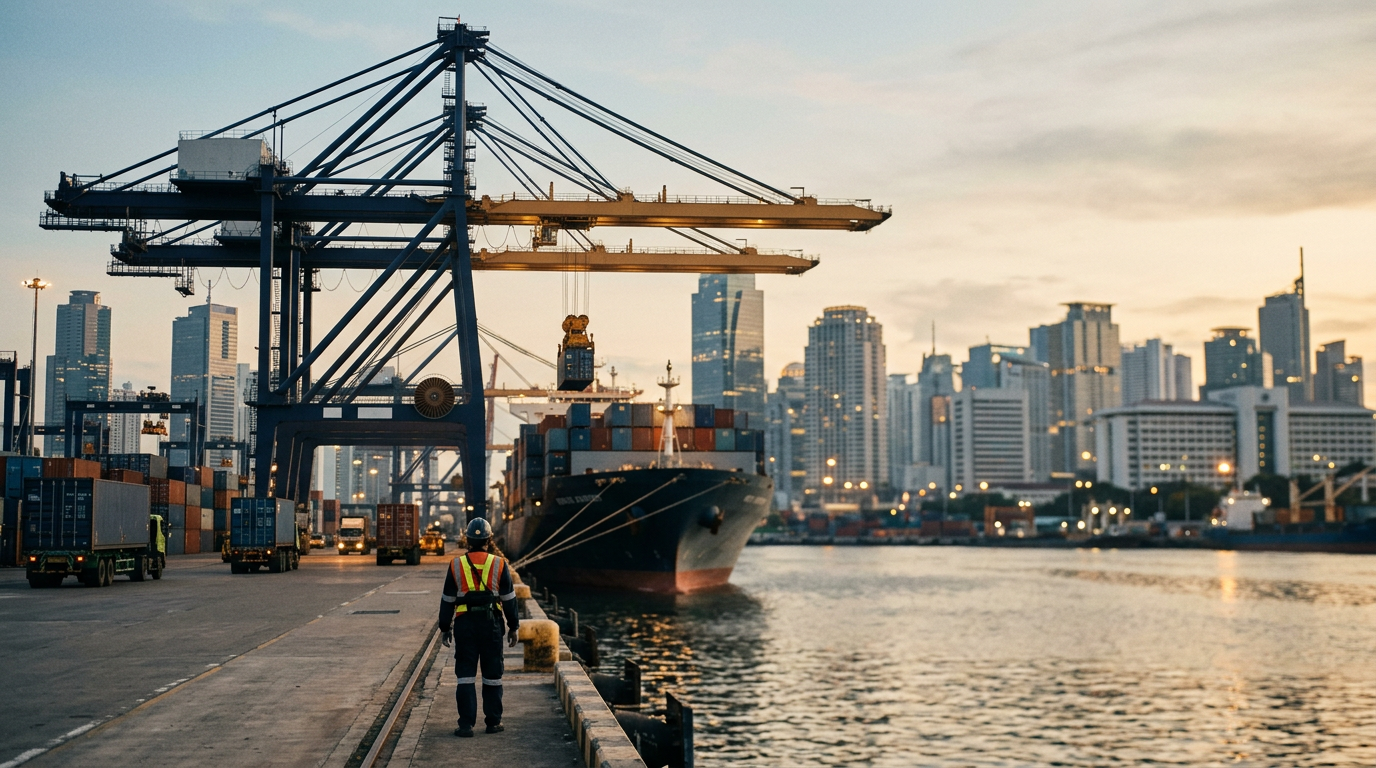
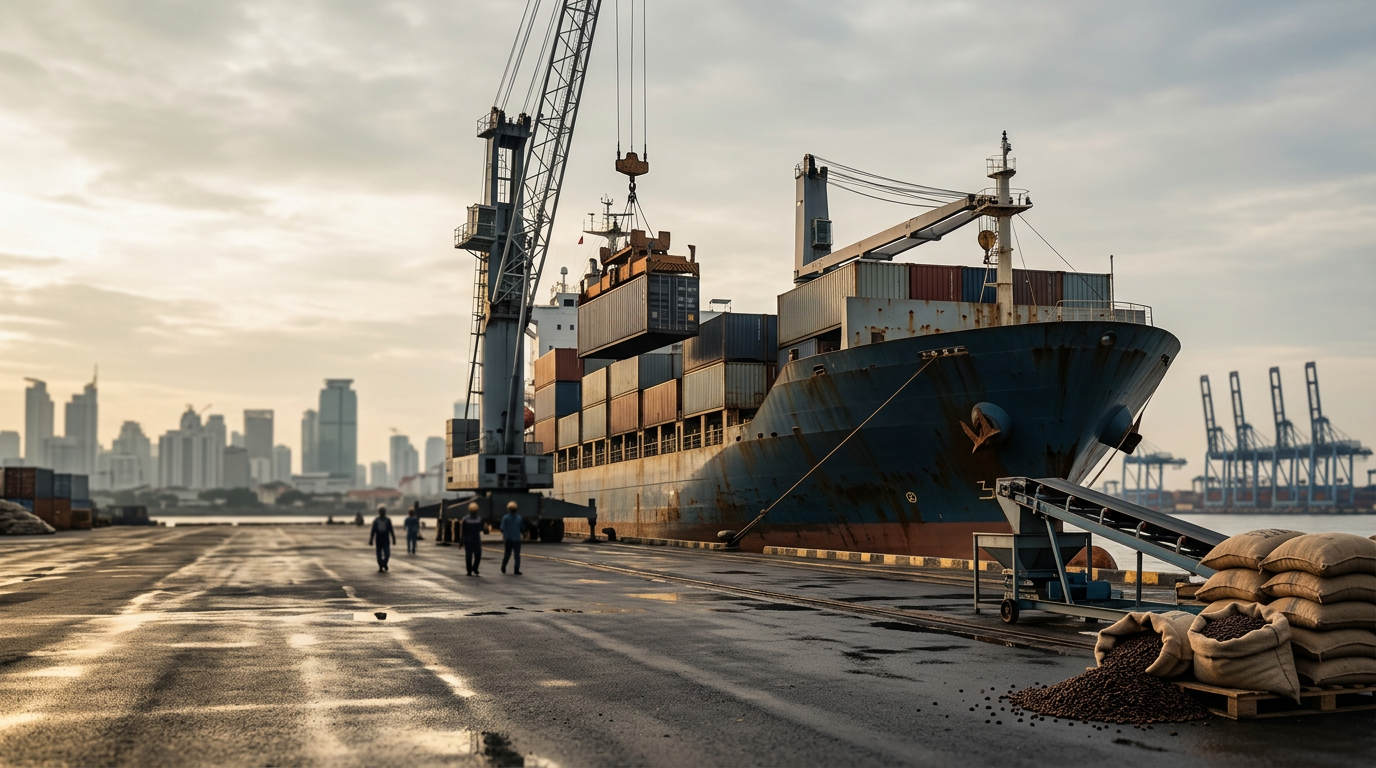
Indonesian metal exports are experiencing delays due to new checks for rare earths, which the government has prioritized for domestic use, as reported by the Business Times. While on the surface this appears to be a bureaucratic snag, the policy behind it represents a calculated move by Jakarta to alter its position in the global supply chain. It is a clear example of an ASEAN state grappling with a fundamental economic question: how to build an industrial future on top of a resource-rich present.
The Downstream Imperative
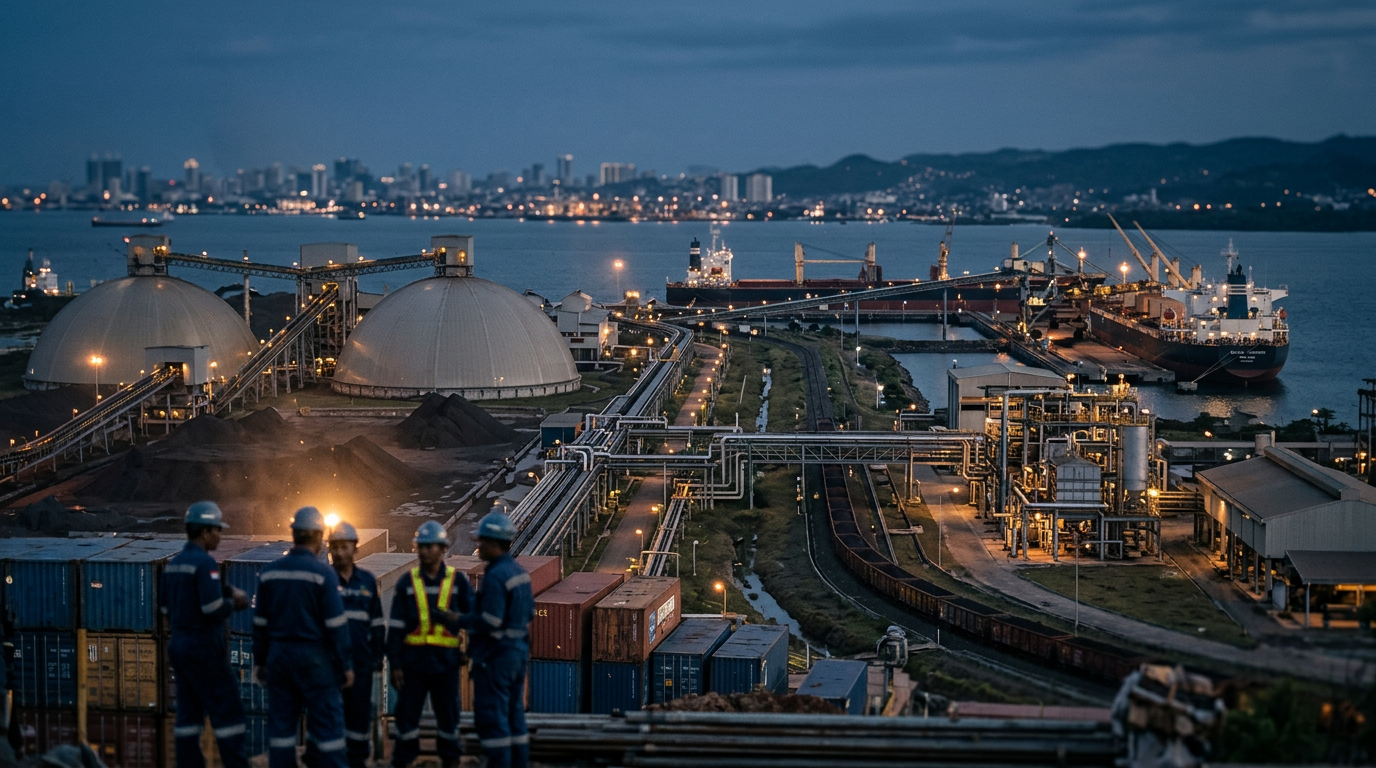
The Indonesian government's regulation is not just about hoarding resources. It is about forcing the development of a domestic downstream processing industry. For decades, the country has been a major exporter of raw commodities, from nickel and bauxite to copper concentrate. These materials are shipped abroad, processed into higher-value products in countries like China, and then often re-imported into the global market. The new policy, however, is designed to break this cycle. By restricting the export of unprocessed minerals, the government aims to stimulate the massive capital investment needed to build smelters and refineries within its own borders.
This is a strategy that requires strong, consistent institutions. The government must create a regulatory environment that gives foreign and domestic investors the confidence to pour billions of dollars into long-term infrastructure projects. The current export delays highlight the immediate friction that such a policy creates. The execution of these checks- and the broader industrial strategy- must be managed effectively to avoid deterring the very capital it seeks to attract. This is a high-stakes test of the state's capacity to turn policy into industrial reality, requiring not just new facilities but also the talent to operate them.
Managing Dependency
Indonesia's actions cannot be viewed in isolation. They are part of a broader regional dynamic concerning China. As the book ASEAN Rising notes, deep trade integration with China is a structural reality for Southeast Asian economies. China is the world's largest consumer of most industrial metals and the dominant force in processing rare earth elements. Jakarta's policy is therefore a direct response to this asymmetric relationship. It is a clear attempt to "manage dependency without losing optionality." Instead of remaining a simple supplier of raw materials to China's industrial machine, Indonesia is seeking to capture more of the value chain for itself.
This move demonstrates a sophisticated understanding of its own leverage within the global economy. By controlling the supply of raw materials essential for everything from stainless steel to electric vehicle batteries, Indonesia is asserting its strategic weight. The government is betting that the global demand for these materials, driven heavily by China, is inelastic enough to force processors and manufacturers to invest in the country. This is not a rejection of trade with China, but an effort to recalibrate the terms of that trade on a more equal footing, shifting from pure extraction to value-added production.
Trust and the Long Road
The success of this industrial ambition will hinge on execution and trust. The logistical bottlenecks reported are an early sign of the immense challenge involved in implementing such a transformative policy. Government agencies must be coordinated, regulations must be clear, and the infrastructure for inspection and transport must be adequate. Any perception of arbitrary enforcement or corruption could quickly erode investor confidence.
Furthermore, this policy tests the trust of long-standing trading partners. They must believe that Indonesia is a reliable part of the supply chain, even as it changes the rules. Building a domestic processing industry takes years, and in the interim, the government must manage the transition without causing excessive disruption. The stability of the policy framework will be just as important as the physical infrastructure built. Attracting patient capital for smelter construction requires a foundation of legal and political certainty.
What to watch
What to watch is how this policy impacts foreign direct investment flows into Indonesia's processing sector, particularly from Chinese firms that may choose to build capacity inside Indonesia to secure supply. Observers should also monitor whether other resource-rich ASEAN nations like the Philippines or Malaysia adopt similar downstream policies. Finally, the reaction of international commodity markets and the diplomatic responses from major trading partners will indicate how this assertion of resource sovereignty is being received on the global stage.