Malaysia
Malaysia, China, and the semiconductor value chain
Malaysia is the world's sixth-biggest exporter of semiconductors, holding 13% of the market for back-end processes, second only to China. This trade depth with China is now a structural feature, not a cyclical one.
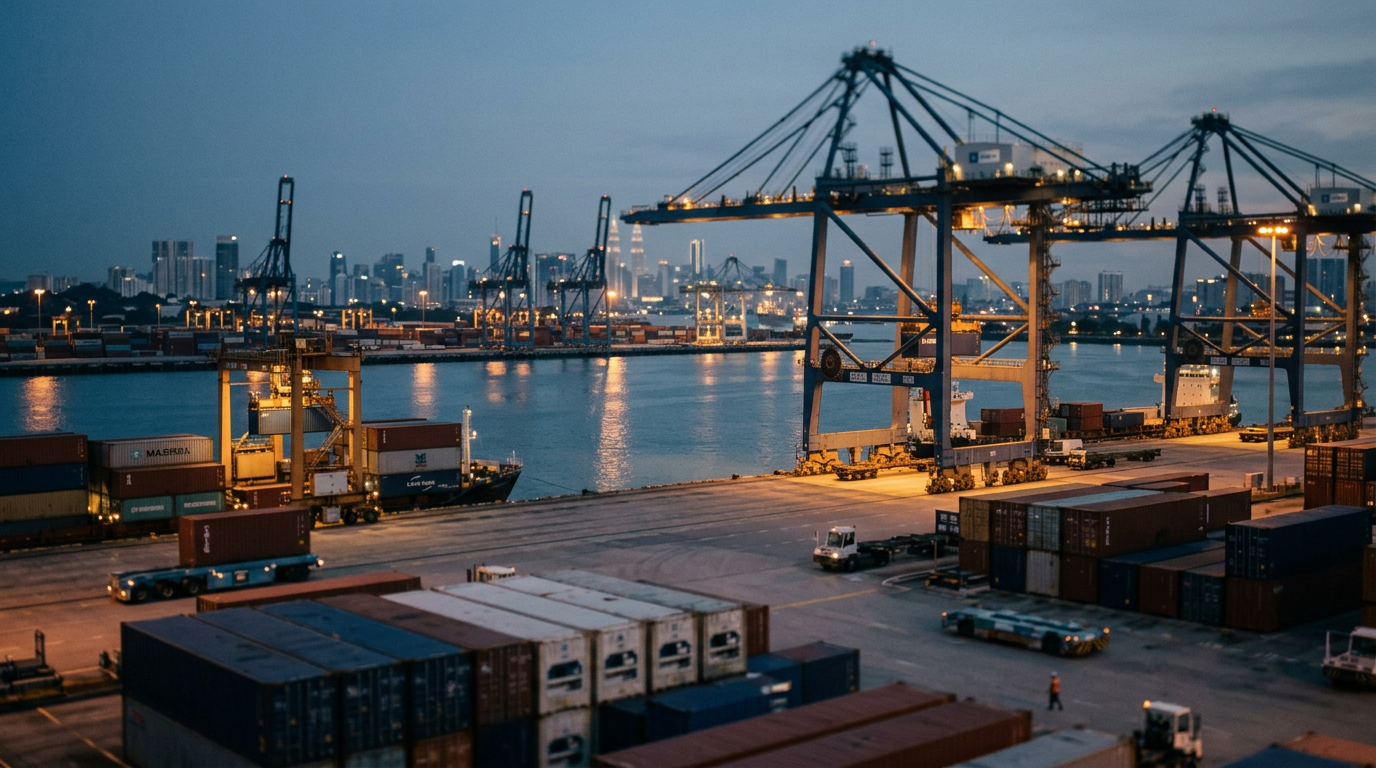
Malaysia is carving out a significant niche in the global semiconductor industry, particularly in back-end processes like assembly, testing, and packaging. As the Financial Times reports, the country now commands 13% of the global market for these services, making it the second-largest player after China and the world's sixth-biggest semiconductor exporter overall. This success, anchored by a new data center boom, highlights a deeper trend in ASEAN's economic integration with its northern neighbor.
Institutions and Infrastructure
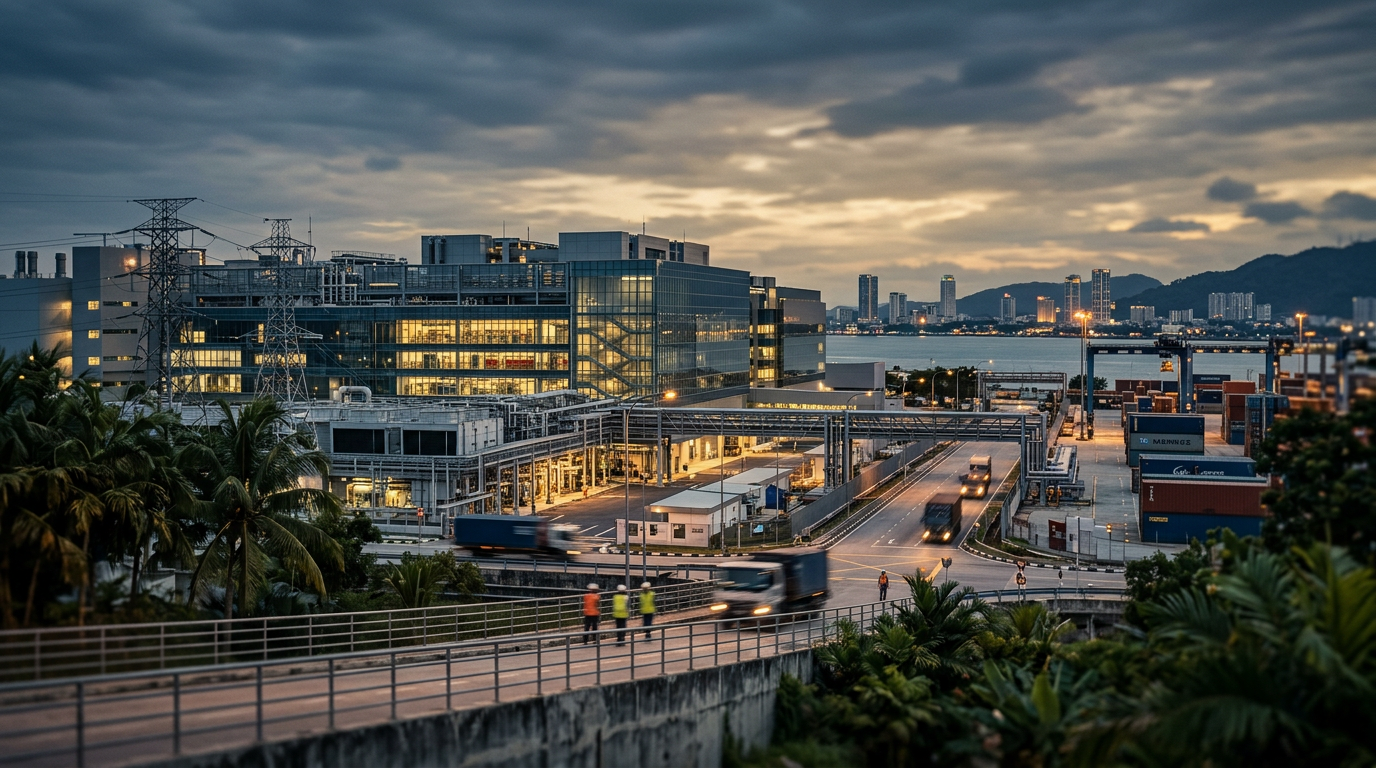
Malaysia's success is not accidental. It is built on decades of targeted industrial policy and investment in infrastructure. The nation first began developing its electrical and electronics sector in the 1970s, creating an ecosystem of suppliers, logistics, and skilled labor. Today, this translates into a network of industrial parks, reliable power grids, and connectivity that is attractive to global firms. The recent influx of investment into data centers is a testament to this foundation. These facilities require the same institutional stability and high-quality infrastructure that the semiconductor industry has long relied upon. This physical and institutional capital has created a durable advantage.
Trade Depth and Strategic Weight
Malaysia's position as second only to China in semiconductor back-end processing illustrates the deep economic linkages between ASEAN economies and China. This is not just a story of simple trade but of integration into complex, cross-border value chains. As detailed in "ASEAN Rising", the question for governments in the region is how to manage the resulting dependency. For Malaysia, its specialization in a high-value segment of the technology sector provides strategic weight. While the country is integrated with China's massive electronics industry, it also serves as a critical node for firms from the US, Europe, and Japan. This diversified dependency gives Malaysia a degree of leverage and choice that a simple commodity exporter would lack. The core issue is managing this intricate web of relationships to maintain national agency.
Talent and Trust
The semiconductor industry is talent-intensive. Malaysia has cultivated a pool of experienced engineers and technicians over many years, forming the bedrock of its current success. The challenge now is to keep pace with the industry's rapid evolution, particularly the move towards more advanced packaging technologies and the skills required for the expanding data center sector. Trust is equally important. International firms, including those from China and the West, invest in Malaysia because they have confidence in its legal framework, intellectual property protection, and operational stability. Maintaining this trust is essential for attracting the long-term capital required to move further up the value chain. As the book notes, for ASEAN governments "the question is no longer whether to engage, but how to manage dependency without losing optionality." Malaysia's semiconductor journey is a case study in this balancing act.
What to watch is how Malaysia navigates the next phase of its industrial development. The government's ability to foster innovation, upgrade the skills of its workforce, and maintain a stable and predictable policy environment will determine if it can solidify its position as a central hub in the global technology supply chain, all while balancing its deep economic ties with China against its relationships with other global powers.