
ASEAN Analysis & Commentary
Every analysis published on ASEAN Rising is sourced, datestamped and signed. We're more interested in being right in 12 months than first in 12 minutes.
Foundation pieces
Start here. The three pieces below set out the lens ASEAN Rising uses to read every story.
ASEAN Rising's core lens. Execution Economics is the study of whether countries, companies and institutions can convert obvious potential into delivered outcomes - and which six pillars decide the answer.
The region has capital, demographics, location and policy ambition. None of that has ever been the binding constraint. The next decade is an execution test, not a potential test - and it is already being scored.
Malaysia is the test case for whether ASEAN's middle powers can turn FDI, semiconductors and data centres into compounding domestic capability. Read the live coverage and execution scorecard.
Analysis tagged #singapore

 Singapore
, AI, and the Value of a Usable State
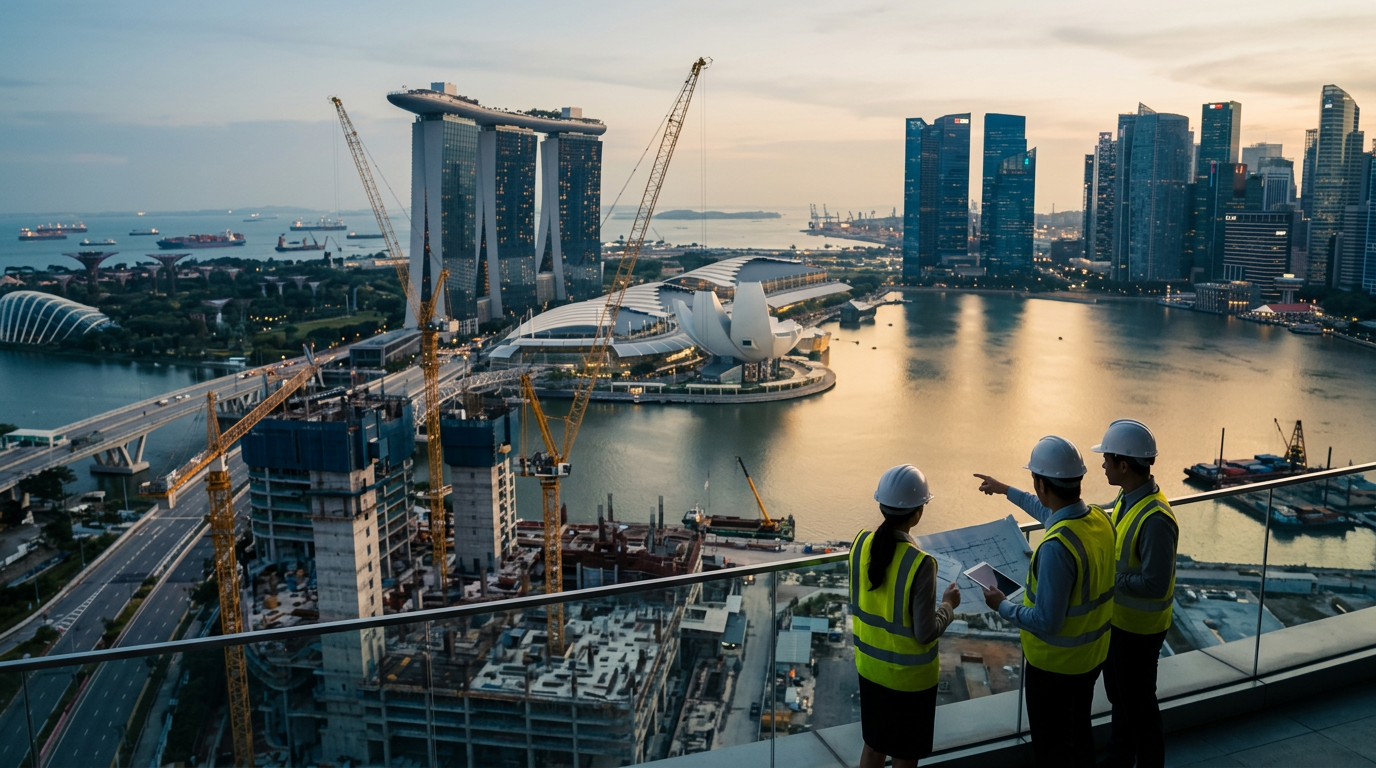
Singapore has an opportunity to position itself as a critical node in robotics and adjacent industries, preparing for the future of AI and its physical manifestations.
 Singapore
 Draws Thai Capital for Waterfront Development
A high-profile real estate investment from a Thai billionaire highlights Singapore's durable appeal, but also shows the institutional strengths required to absorb and realise large-scale foreign direct investment.
 Singapore
's Riverfront Bet On Regional Capital
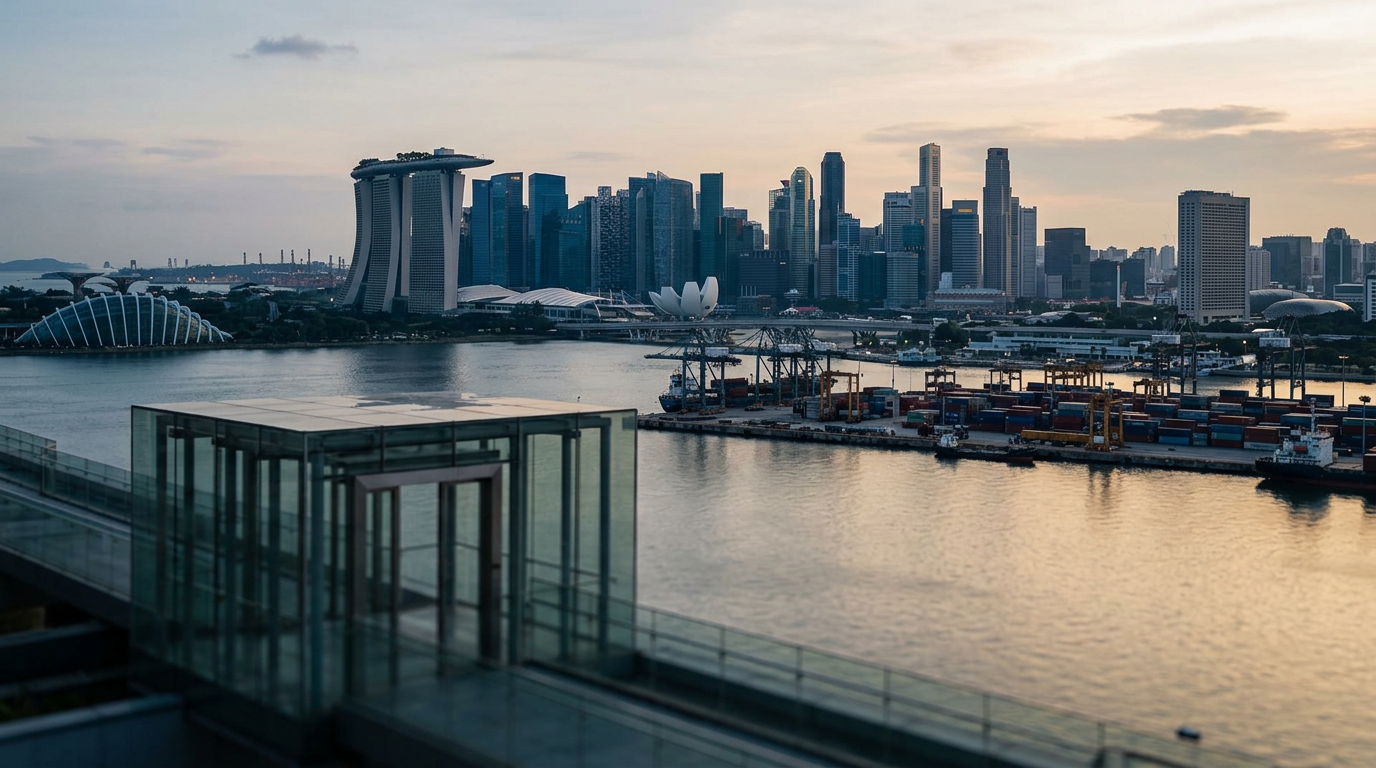
A high-profile Singapore real estate project bankrolled by a Thai billionaire shows how regional capital is reshaping ASEAN's urban landscapes, but Singapore's high costs demand execution to match.
 Singapore
, Not Just One City
Can Singapore's model for institutional excellence be replicated or extended? The city-state's role as a platform for regional investment is well-established, but its next phase of growth may depend on deeper integration with its neighbours.
 Singapore
 Draws Thai Capital for Waterfront Development
A high-profile Singaporean property development backed by Thai capital is a reminder that successful FDI is about more than just announcements; it requires a deep foundation of reliable institutions and tangible assets.
 Singapore
, not scale, is still the model for ASEAN FDI
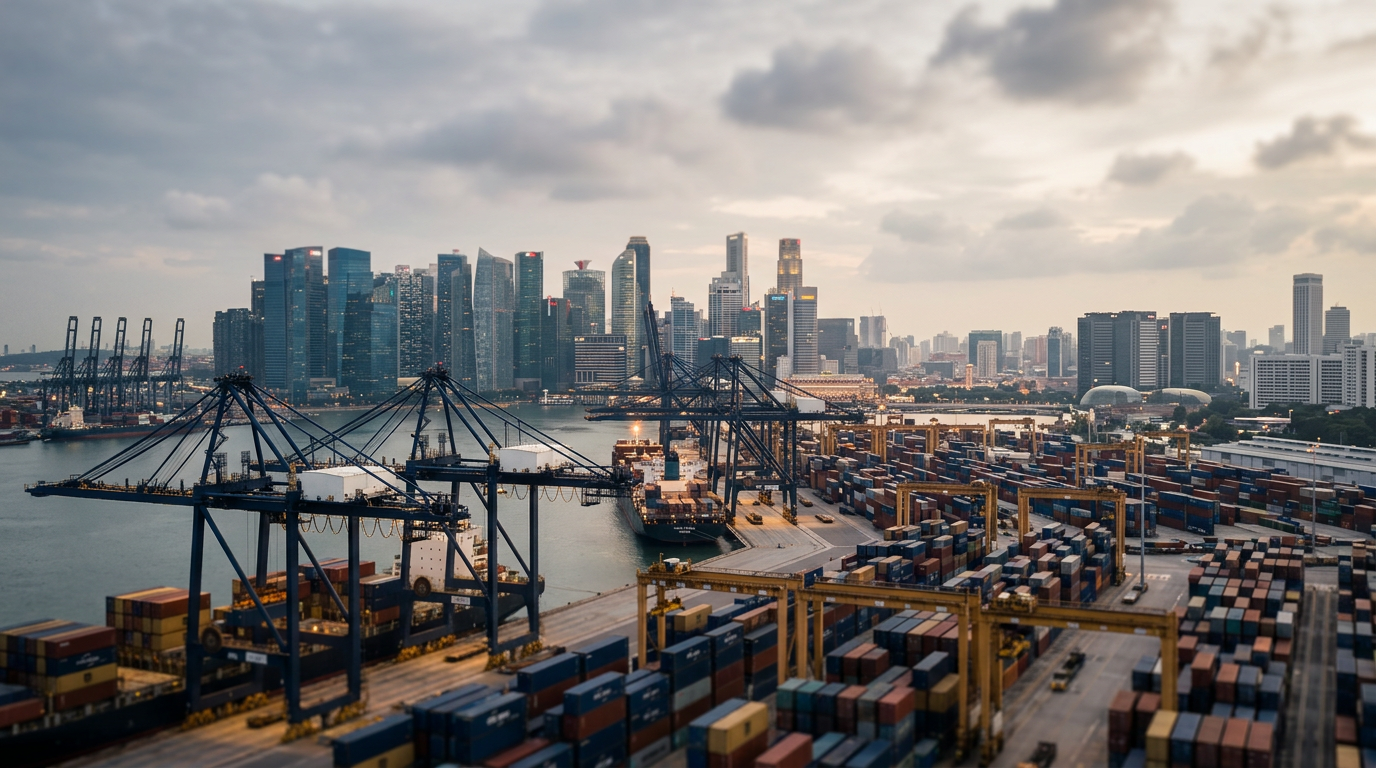
FDI announcements travel quickly. Realised flows depend on the slower work of land, permits, power and talent reaching the ground.
 Singapore
Beyond the Deal: FDI and the Hard Work of Building
FDI pledges are only the first step. The real measure of success is turning those announcements into tangible assets through the slower work of improving institutions and developing talent.
 Singapore
: Execution Over Scale
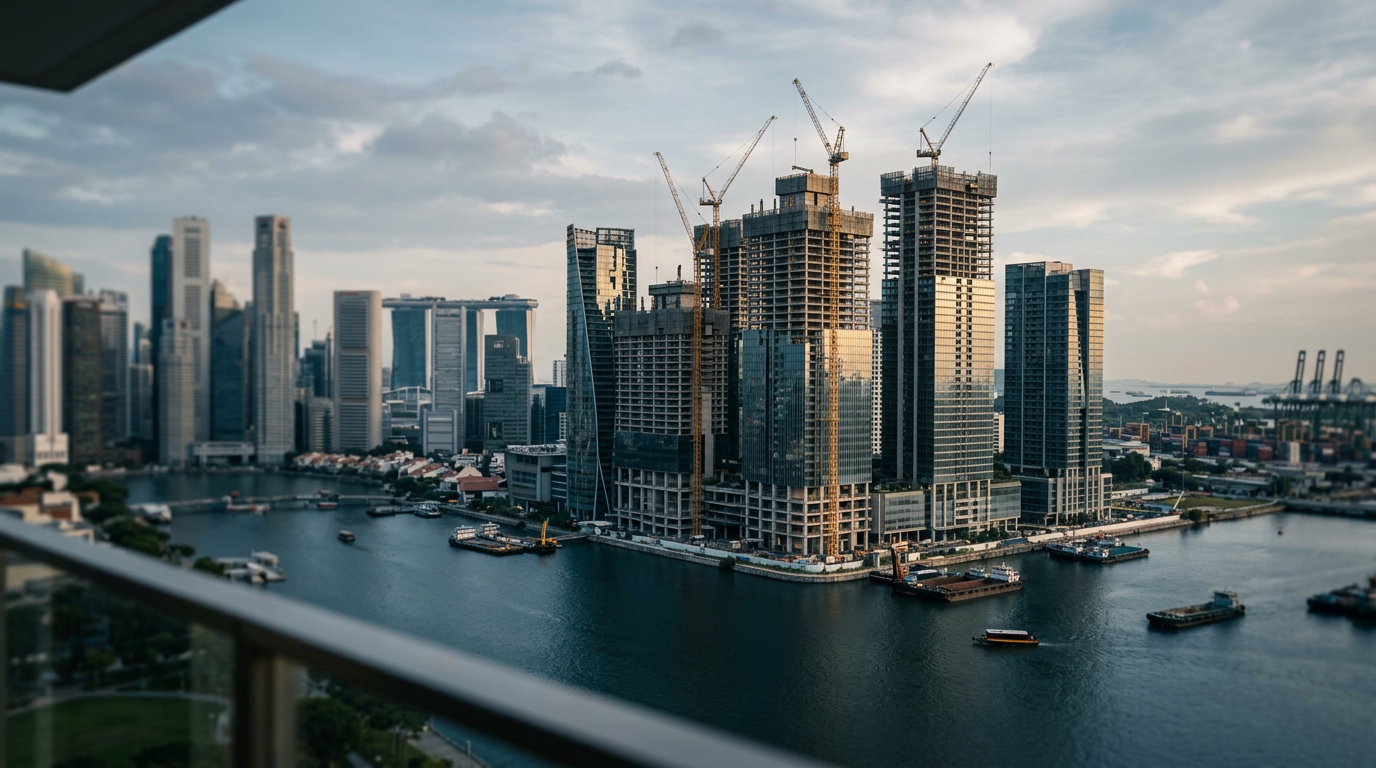
A major property investment by a Thai billionaire in Singapore is a reminder that successful FDI is about more than just market size. Execution, institutions, and trust are what turn announcements into assets.
 Singapore
, Thailand, and the Power of Predictability
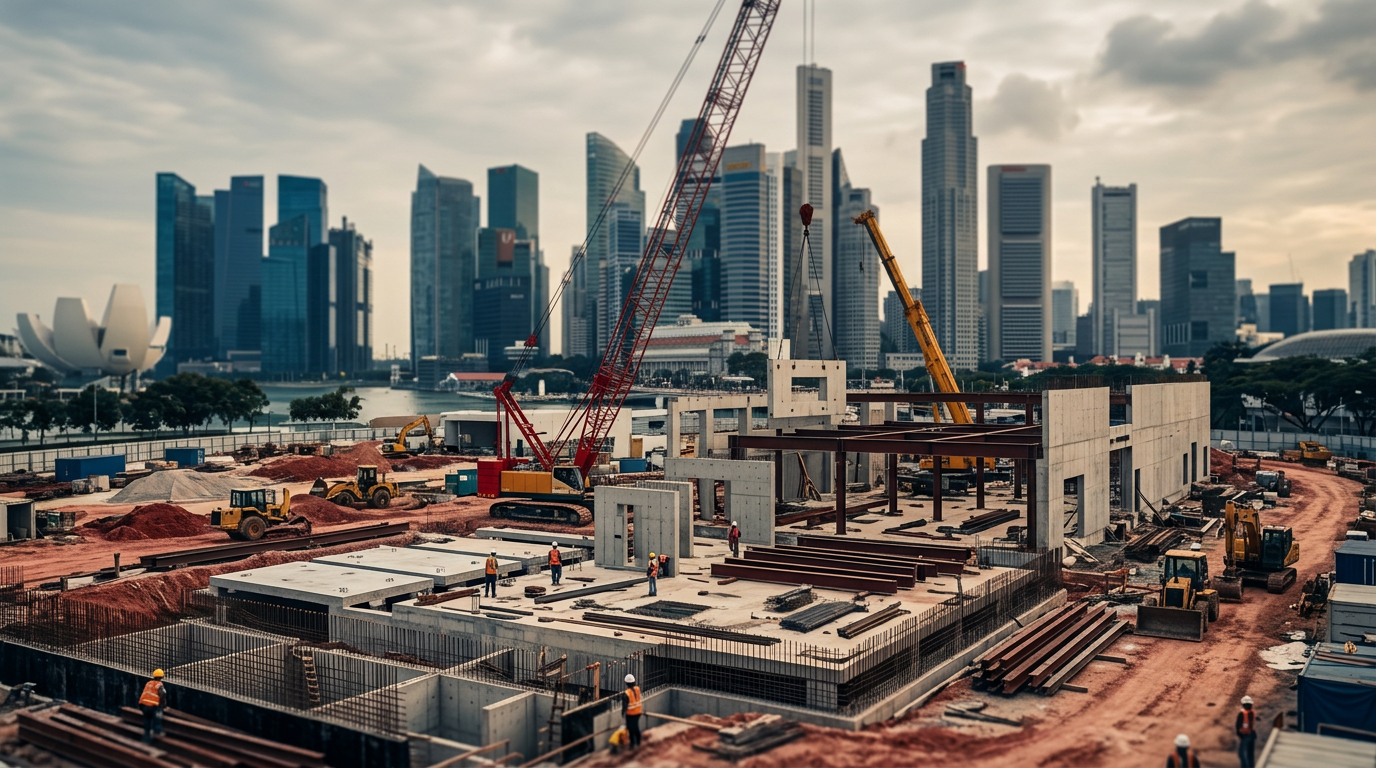
The launch of a luxury mixed-use project in Singapore, backed by a prominent Thai billionaire, illustrates a core ASEAN theme: the quiet power of reliable institutions to attract and deploy long-term capital.
 Singapore
Beyond the Deal: Capital Flows and Execution in ASEAN
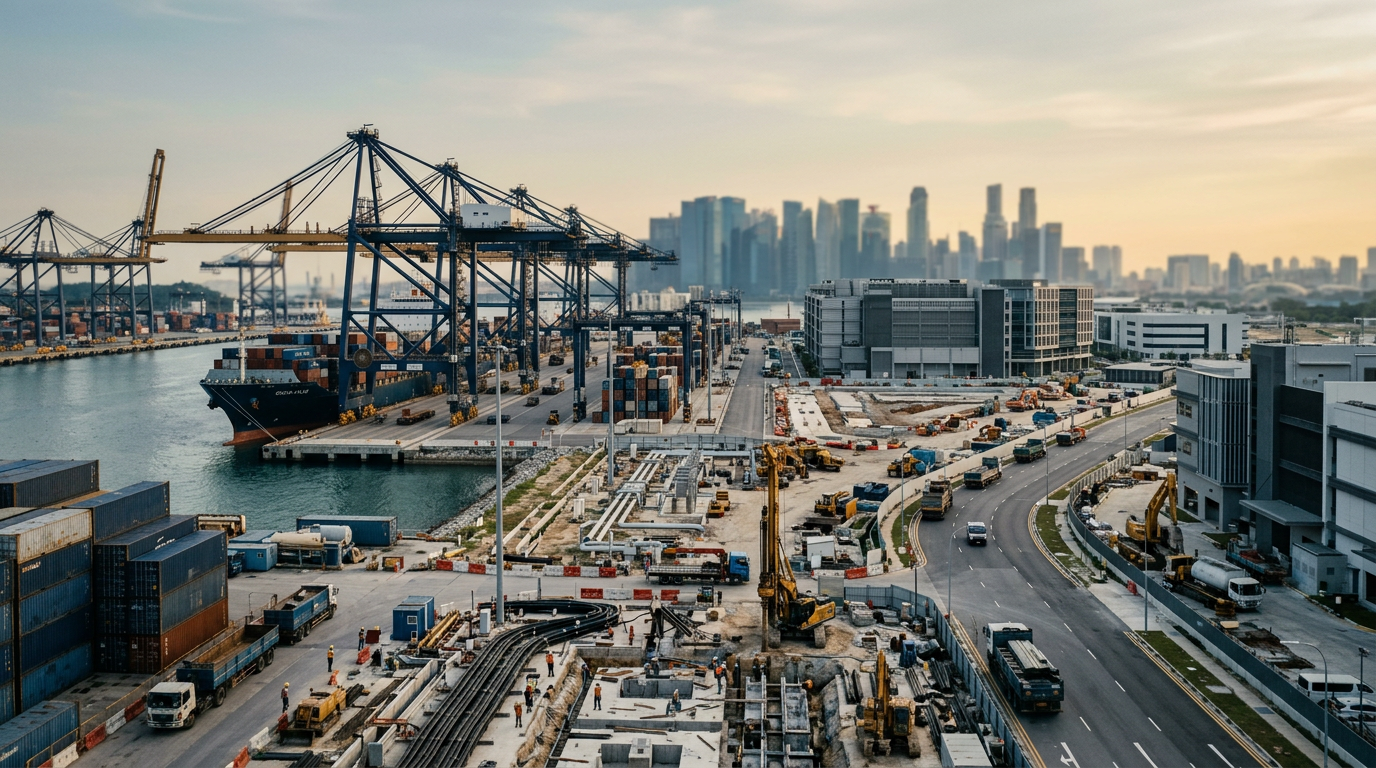
FDI announcements travel quickly. Realised flows depend on the slower work of land, permits, power and talent reaching the ground. Singapore and Thailand show the way.
 Singapore
, Not Just a Safe Harbour
FDI announcements travel quickly. Realised flows depend on the slower work of land, permits, power and talent reaching the ground.
 Singapore
's Open FDI Stance Attracts Thai Capital
A high-profile real estate investment from a Thai conglomerate into Singapore highlights the city-state's durable appeal, which is built on institutional quality and a predictable, open business environment.
 Singapore
 Draws Thai Capital for Waterfront Development
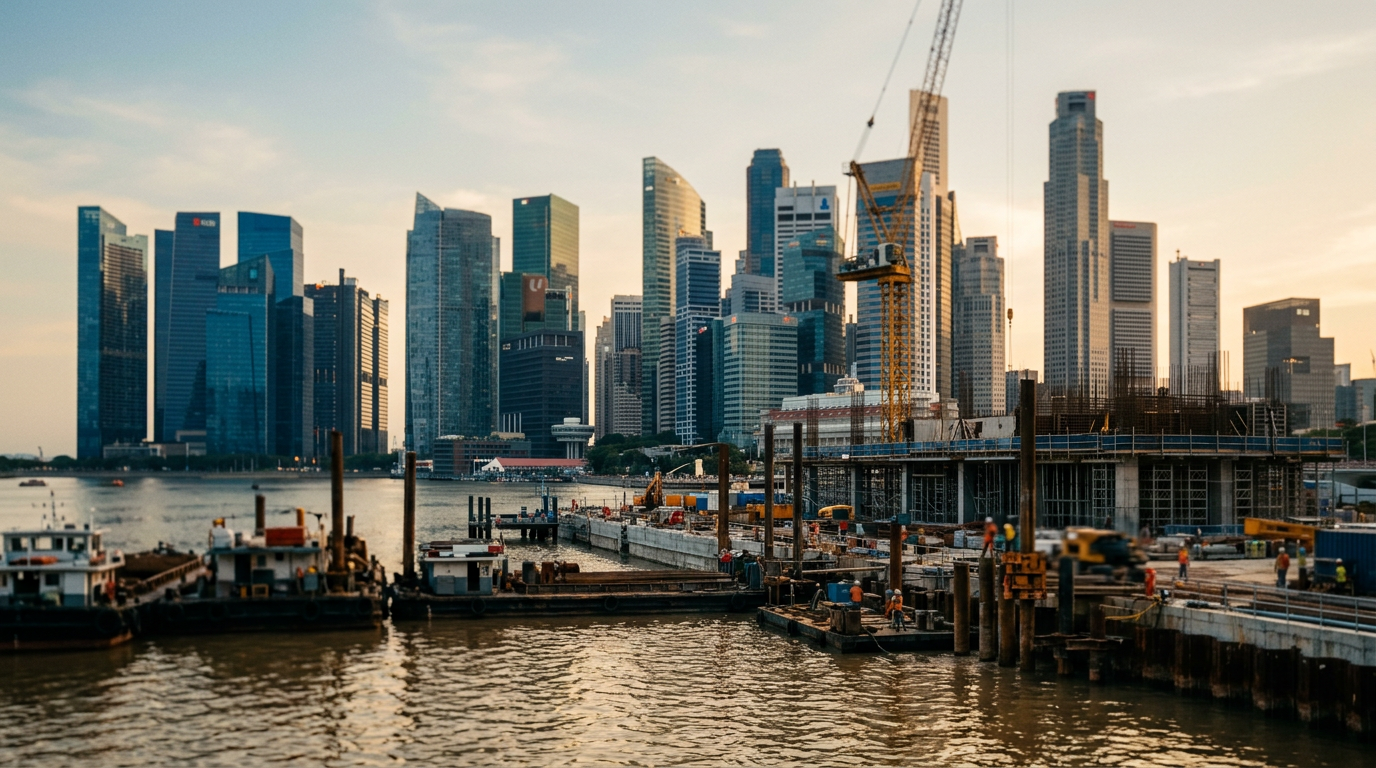
A new luxury mixed-use project on the Singapore River, backed by a prominent Thai investor, shows how the city-state's institutional quality continues to attract foreign capital.
 Singapore
, Los Angeles, and the Advantage of Reliable Ports
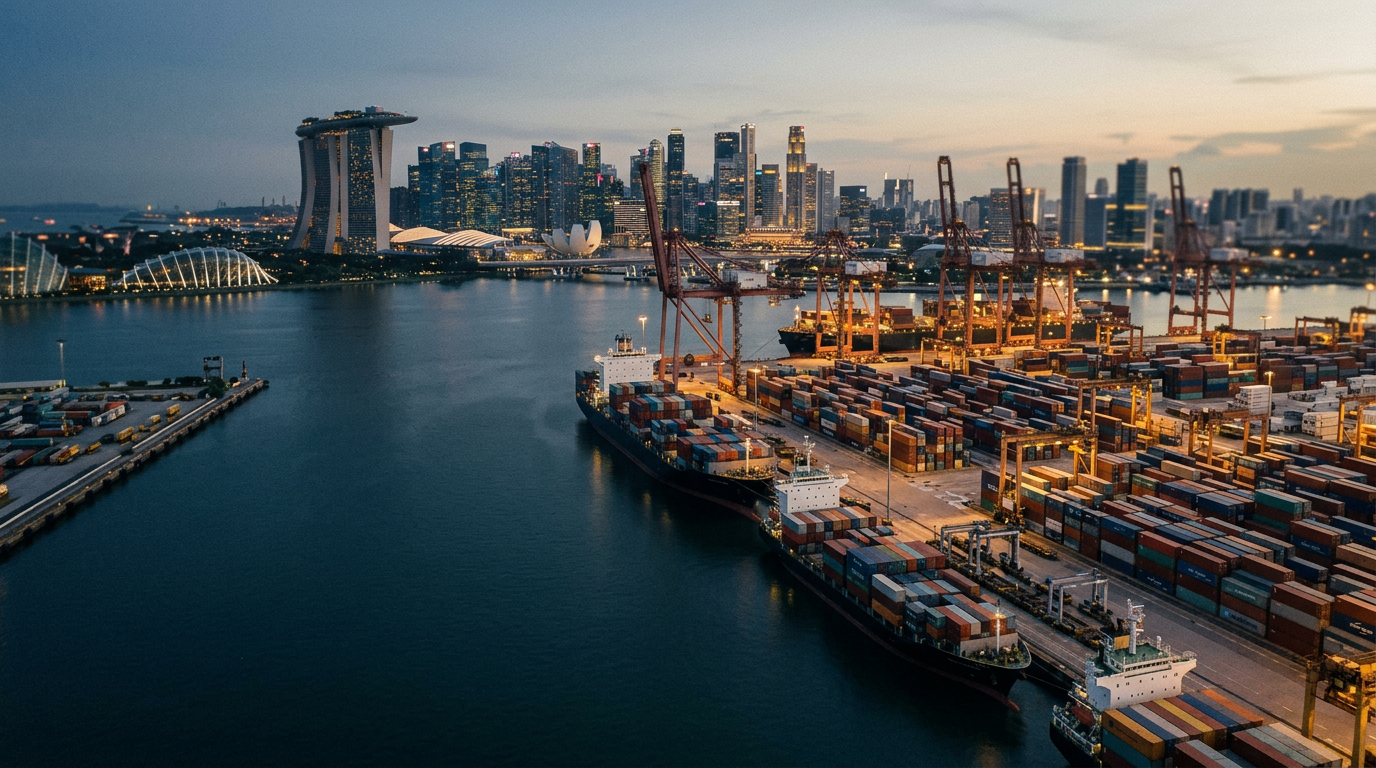
The Port of Los Angeles is seeking closer ties with Singapore, a reminder that institutional reliability is a key component of comparative advantage.
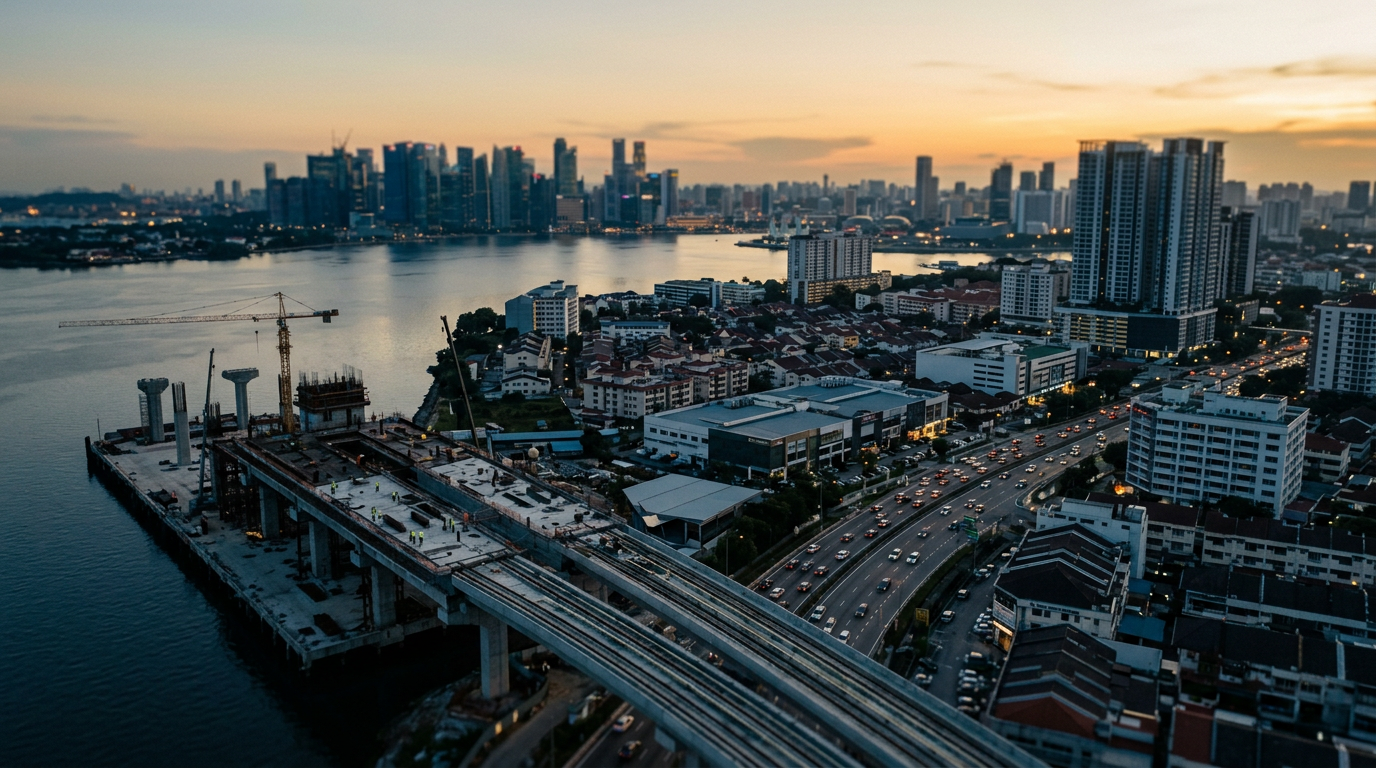
 Malaysia
 Delays, Singapore Dollars
The delay of the Johor Bahru-Singapore RTS Link highlights the persistent gap between investment announcements and on-the-ground execution in Southeast Asia.
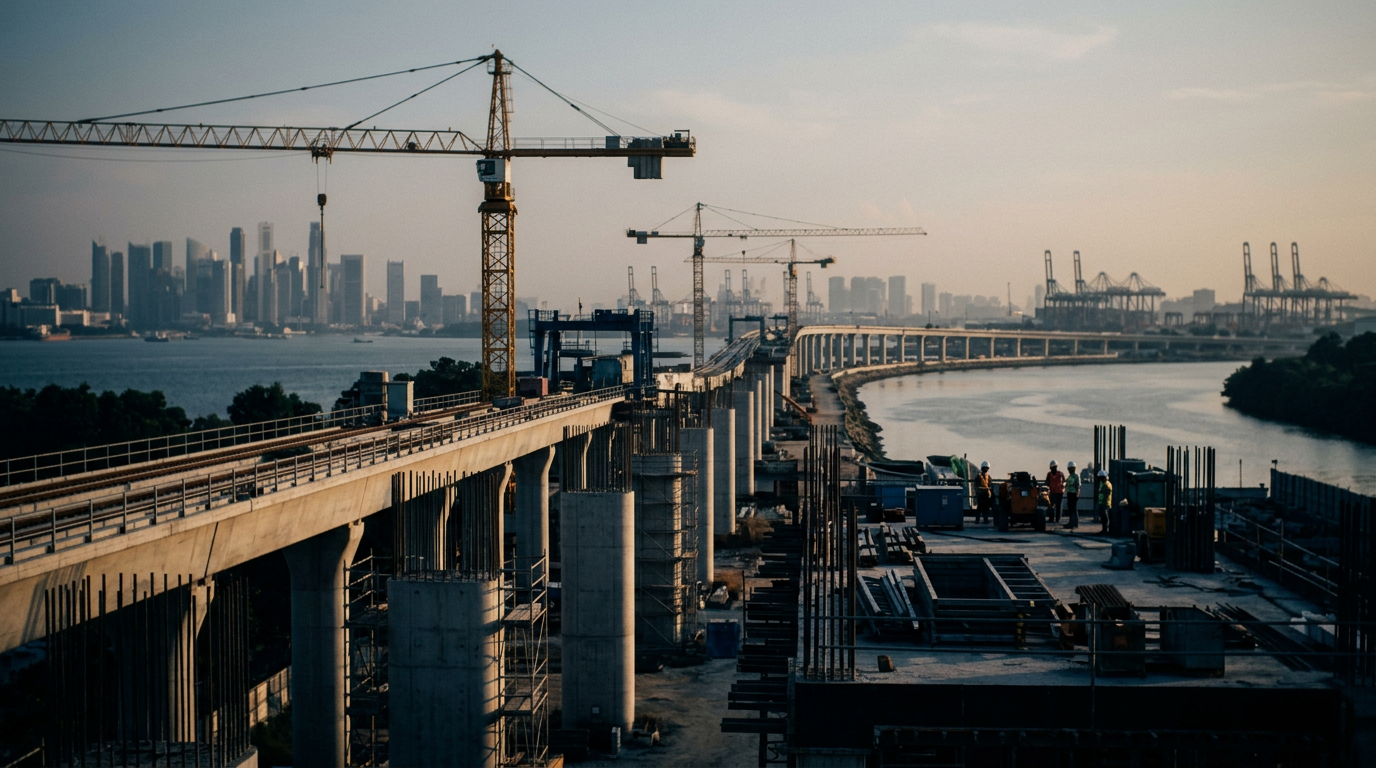 Malaysia
's RTS Link Delay Highlights the Governance Gap
The delay in the Johor Bahru-Singapore rail link shows that announcements are easy, but execution is hard.
 Singapore
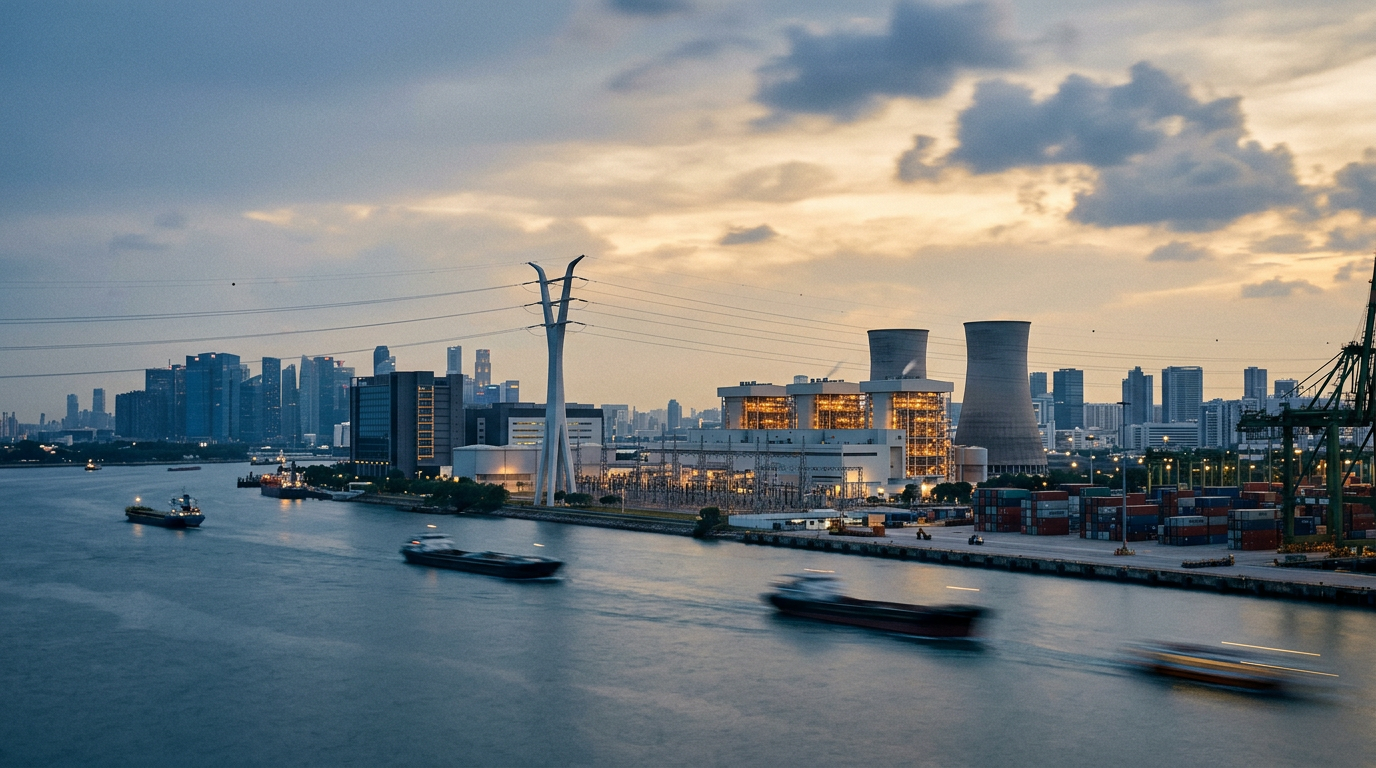
's Power Market Delivers a Lesson in Stability
The recent volatility in global energy markets has shown how Singapore's market structure and institutional capacity give it a competitive edge.
 Singapore
's Power Market Delivers a Lesson in Institutional Reliability
Recent volatility in global energy markets has seen Singaporean households seek out fixed-price electricity plans. This is a sign of a mature market, where reliable institutions offer consumers choice and certainty even in turbulent times.
 Singapore
State Capacity is a Utility
A state that can deliver essential services on time and on budget has a powerful advantage in a world of volatile energy prices and geopolitical risk.
 Singapore
's Power Market Delivers Stability Amid Volatility
Singapore's liberalized electricity market is providing consumers with choice and some insulation from global energy shocks. This highlights the benefits of strong regulatory institutions and a focus on execution, a core theme of ASEAN's development.

 Thailand
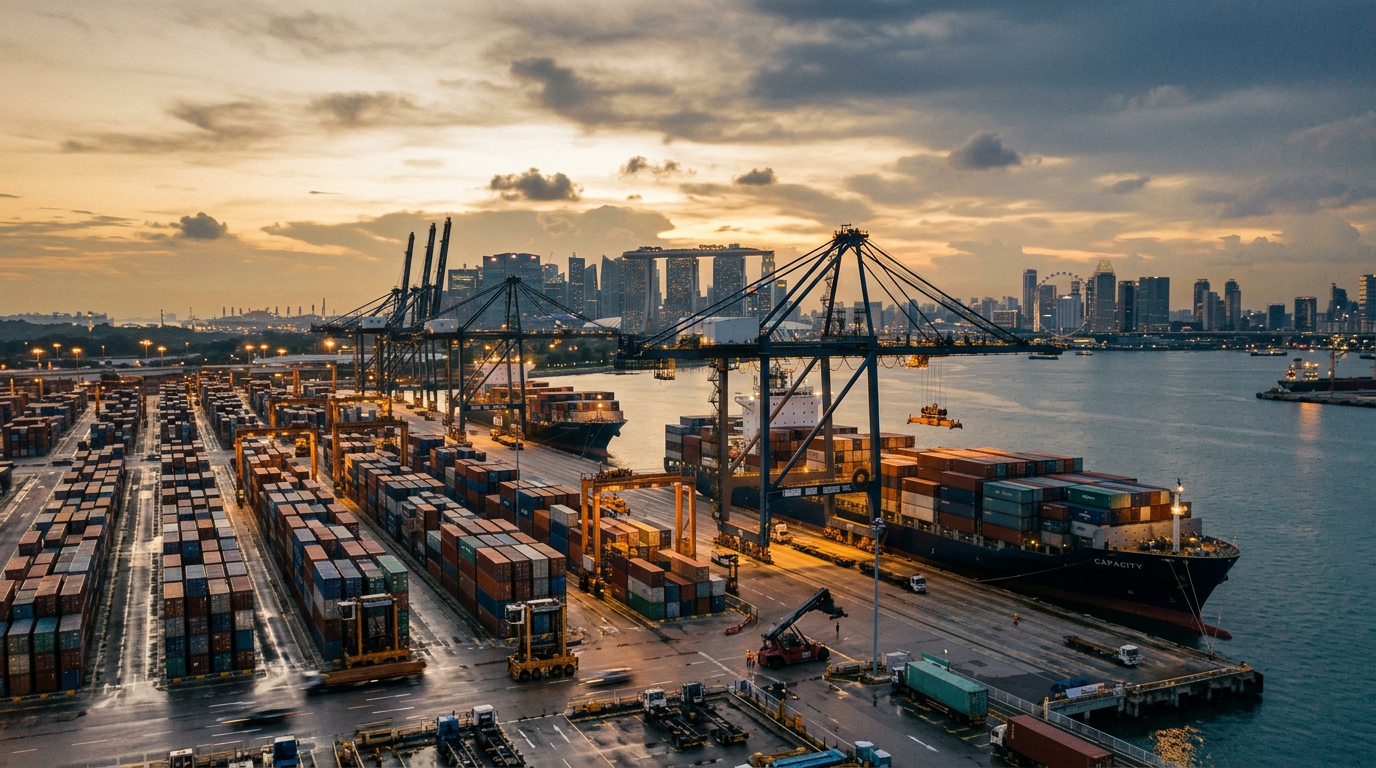
 courts Maersk for port expansion
Thailand is courting Maersk to expand Laem Chabang port. Success will depend on turning ambition into execution.
 Singapore
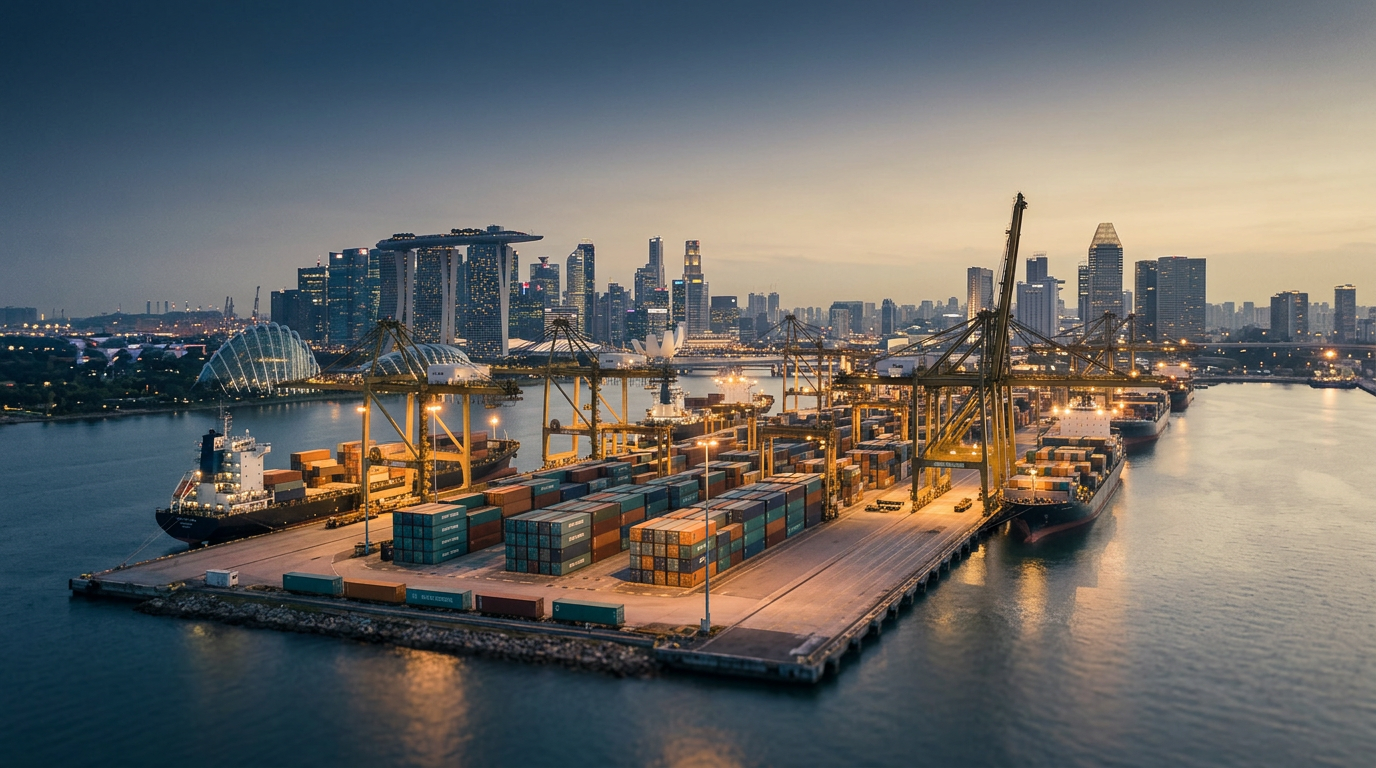
State Capacity is a Utility
A usable state is often more valuable than an exciting one.
 Singapore
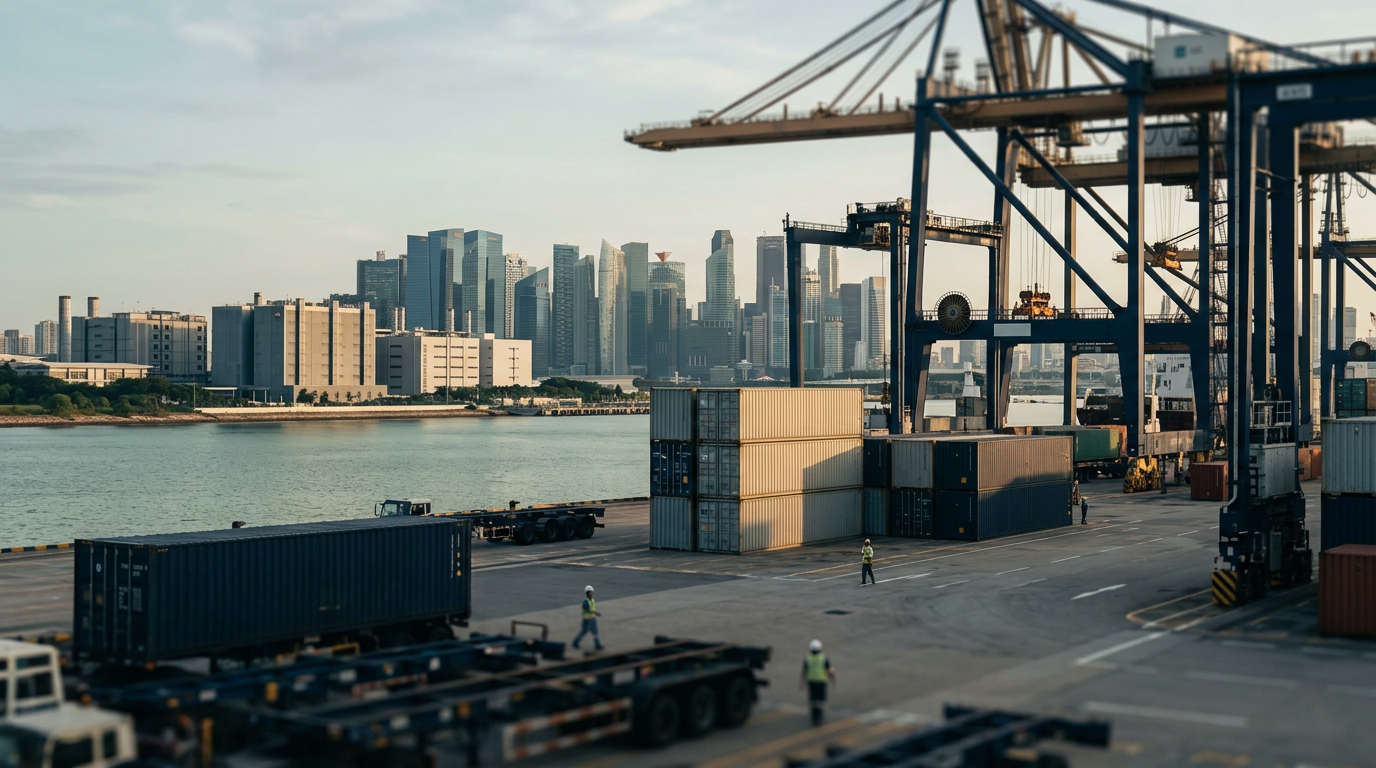
State Capacity is a Competitive Edge in Energy Markets
Reliable infrastructure and predictable regulation are a form of competitive advantage in a volatile world.
 Singapore
's Power Market Delivers a Lesson in Stability
The recent volatility in Singapore's electricity market highlights a core regional theme: predictable state capacity is a competitive advantage.
 Singapore
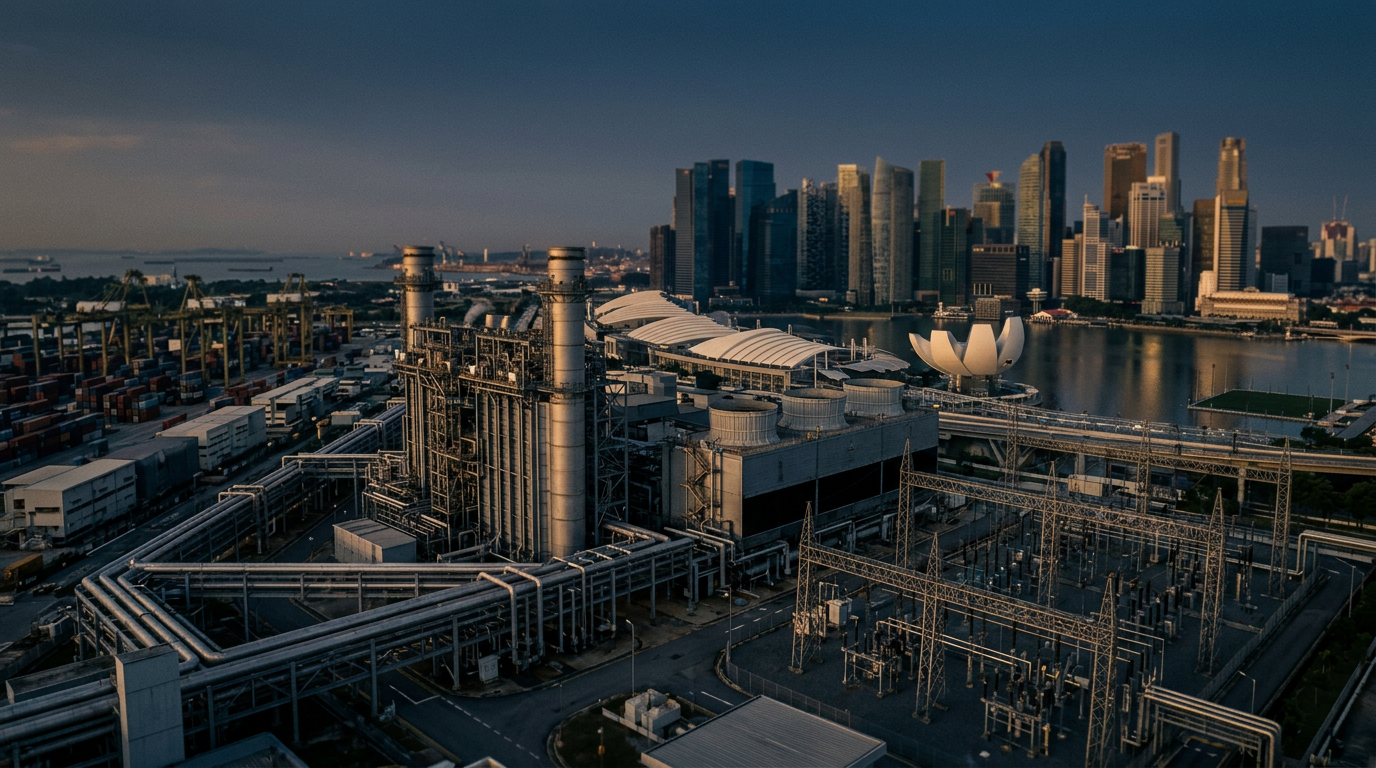
's Power Market Delivers Choice Amid Uncertainty
Singapore's liberalized power market offers consumers more choice and pricing certainty in the face of global energy shocks, a case study in how institutional design builds resilience.
 Singapore
Reliability as a National Asset in Singapore's Energy Market
Recent volatility in Singapore's electricity market provides a case study in the value of institutional reliability. While many systems can deliver under ideal conditions, the true test of a state's capacity is its ability to provide certainty in turbulent times.
 Singapore
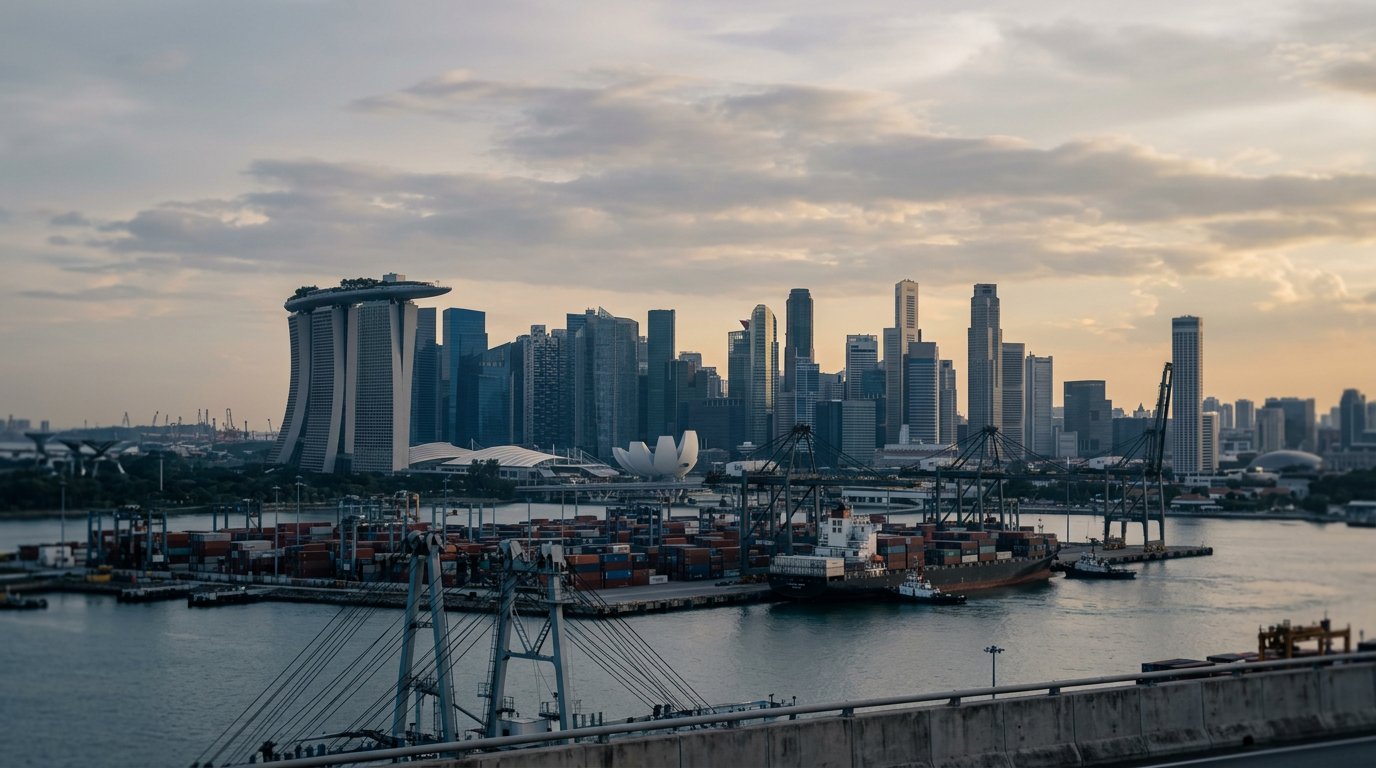
's Power Market Points to Institutional Strength
In an uncertain world, the quiet competence of Singapore's energy regulation offers a competitive advantage.
 Singapore
Samsung, KKR, and Singapore's Hyperscale Formula
Samsung's $1 billion investment into KKR's Helix data center platform shows how Singapore combines capital, coordination, and control to attract hyperscale capacity.
 Singapore
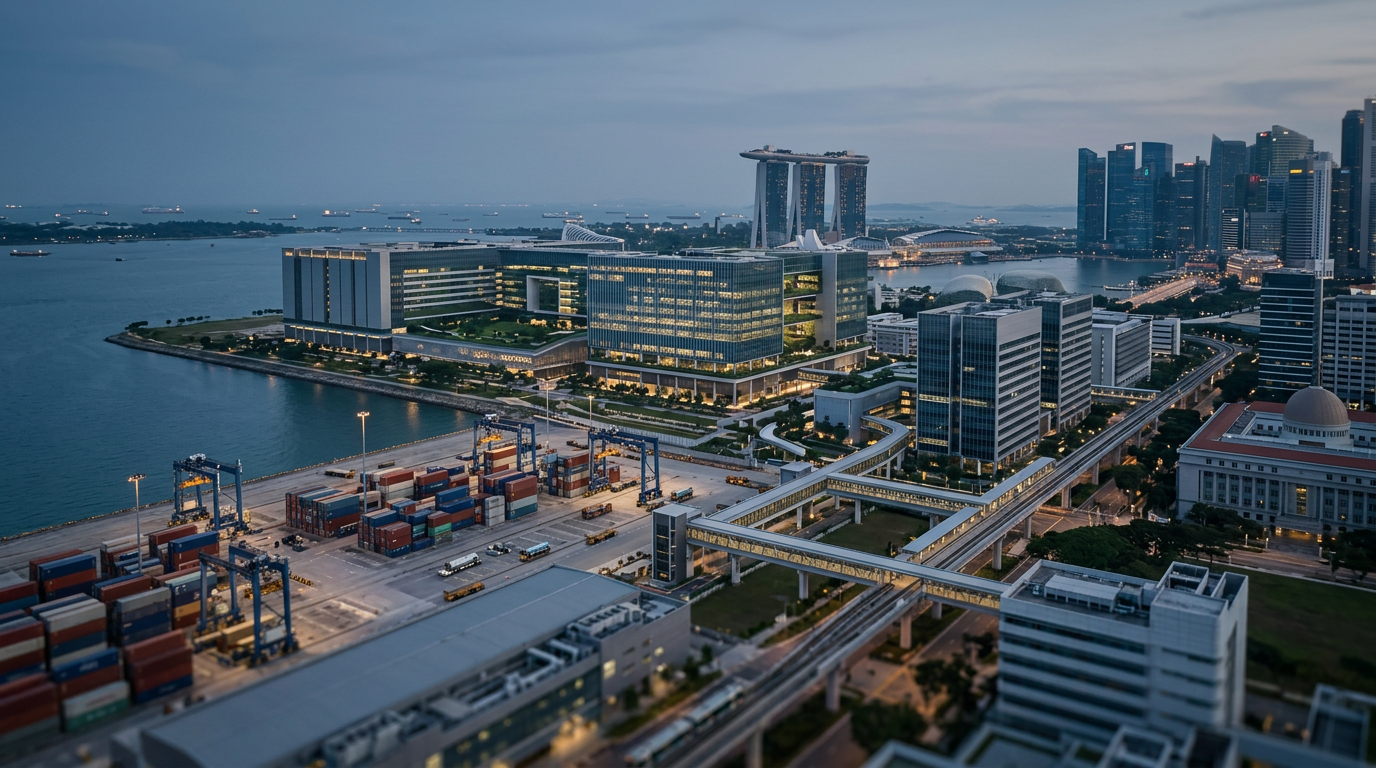
, AI, and ASEAN's Industrial Future
A jump in Singaporean factory output, driven by AI demand, shows how high-value manufacturing can take root. Yet the wider ASEAN region must still focus on the slower work of building institutional capacity to translate investment announcements into realised flows on the ground.
 Singapore
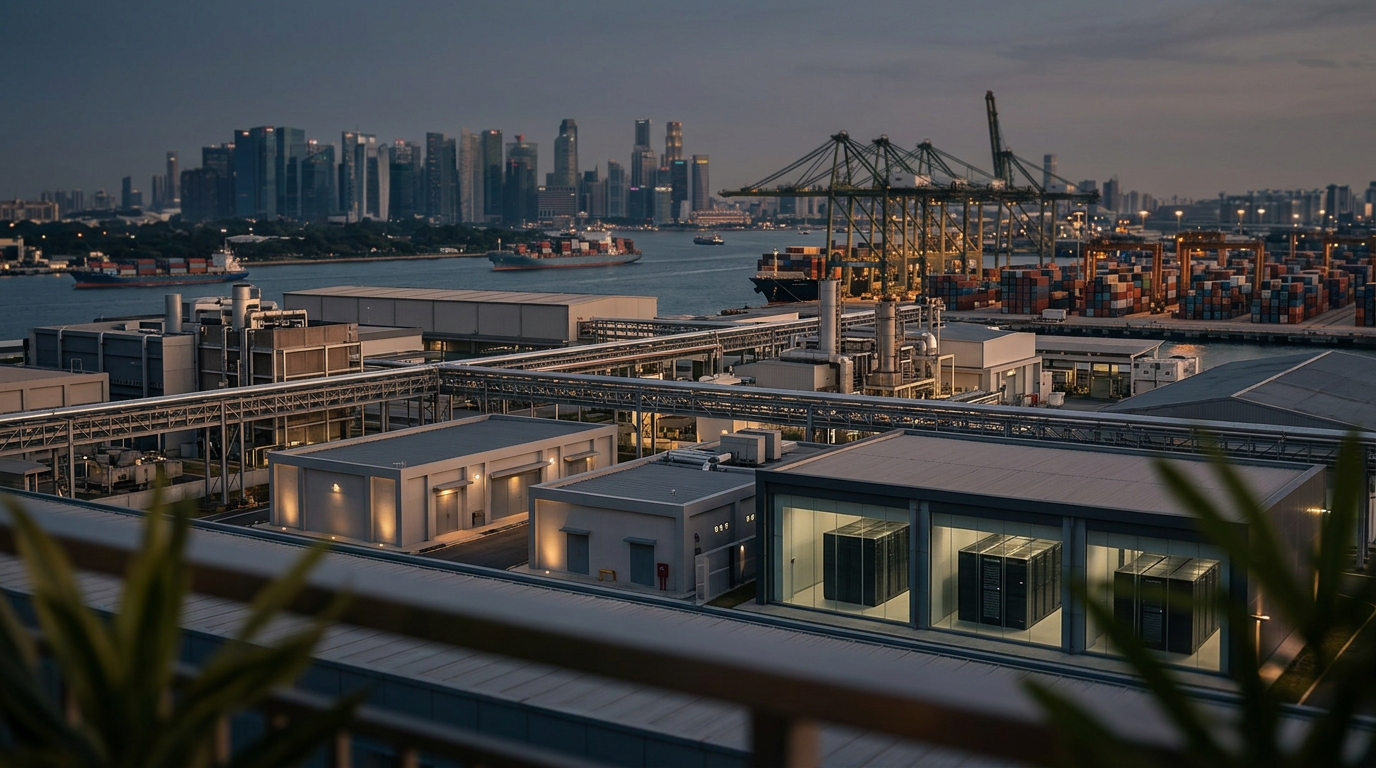
, AI, and ASEAN's Next Manufacturing Shift
Singapore's industrial surge from AI demand shows its institutional strengths. Can its ASEAN neighbors follow the same playbook?
 Singapore
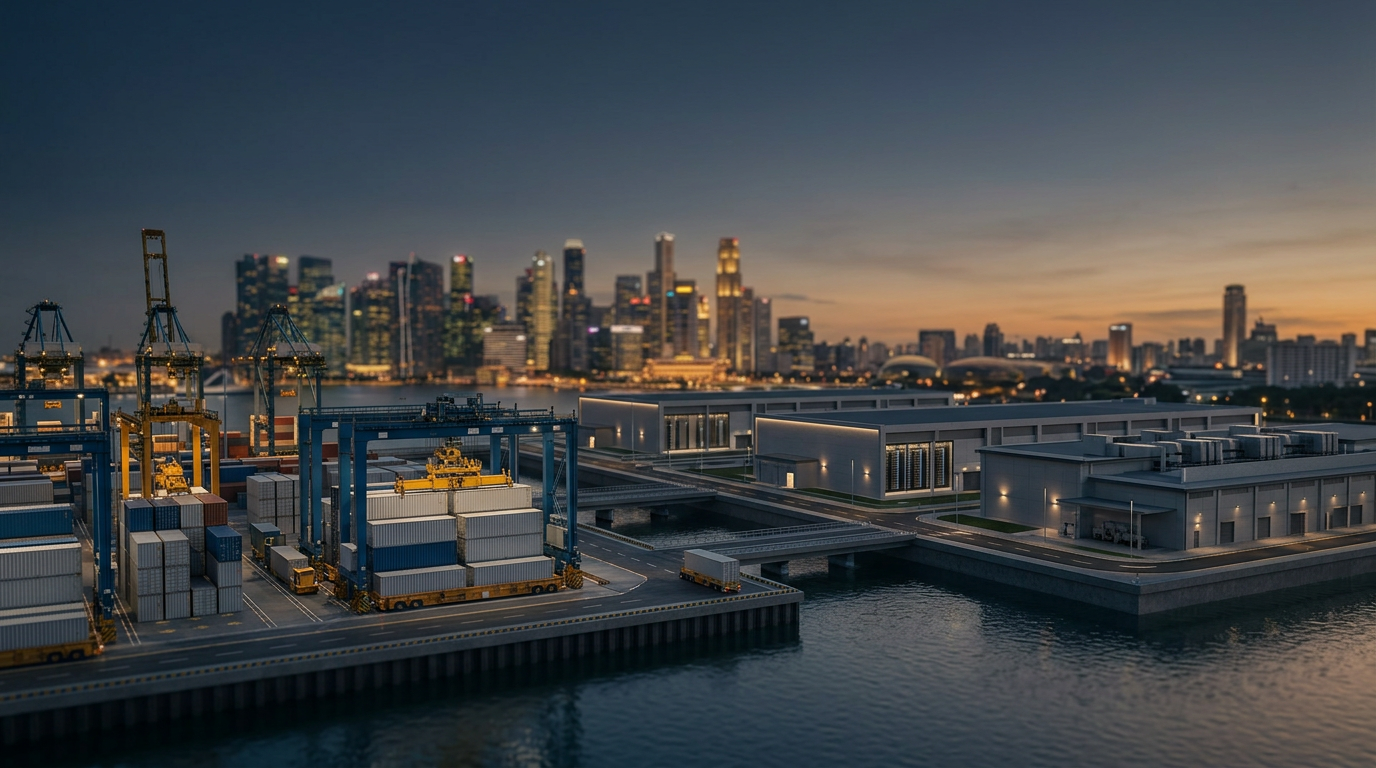
's AI Bet Highlights ASEAN's Execution Challenge
Singapore's industrial output is surging on AI demand, but this success story is a reminder that across the region, turning foreign investment interest into reality depends on the patient work of improving institutions and infrastructure.
 Singapore
The Hard Work of ASEAN Investment
Announced FDI is easy. Realized FDI is hard. That gap is where government institutions and private sector execution meet.
 Singapore
The Hard Work of Turning Announcements Into Assets
Announced foreign investment is not the same as realised investment on the ground. The recent expansion of Singapore's population to support major construction projects highlights the execution capacity required to turn capital into infrastructure.
 Singapore
's Data Centre Leadership: A Test of Coordinated Capital
A recent PwC forecast highlights massive growth in data centre investment in Singapore and Malaysia, but capital alone is not enough. Execution requires a level of institutional coordination that has become a Singaporean signature.
 Singapore
's Property Investment Boom Highlights an ASEAN Divide
Singapore's high-value investment environment is a function of its institutional strength, not just its location. Other ASEAN members must do the slow work of reform to compete.
 Singapore
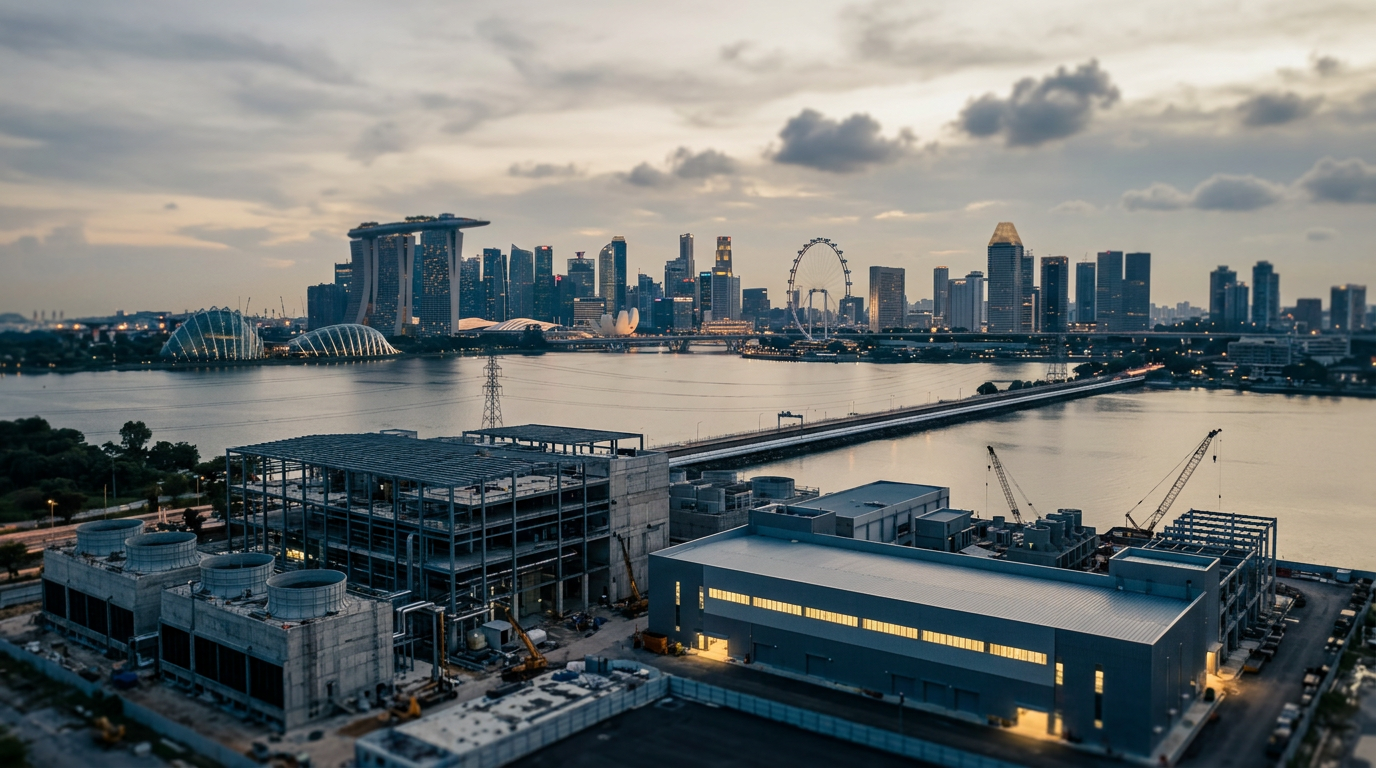
, Malaysia, and the Data Center Surge
A new PwC forecast for data center investment in Singapore and Malaysia shows that capital follows coordination. Singapore's established ecosystem gives it a powerful head start, but Malaysia's industrial capacity is attracting significant investment.
 Singapore
's Property Investment Boom Highlights the Power of Institutions
Singapore's leading position in global commercial property investment shows how stable institutions and clear rules can attract and retain capital, a lesson for all of ASEAN.
 Singapore
Jobstreet AI Launch Is a Test for Sovereign Data in ASEAN
Sovereign AI in ASEAN will be tested not by model launches but by who controls the compute, the data layer and the digital identity rails that sit underneath everyday economic life.
 Singapore
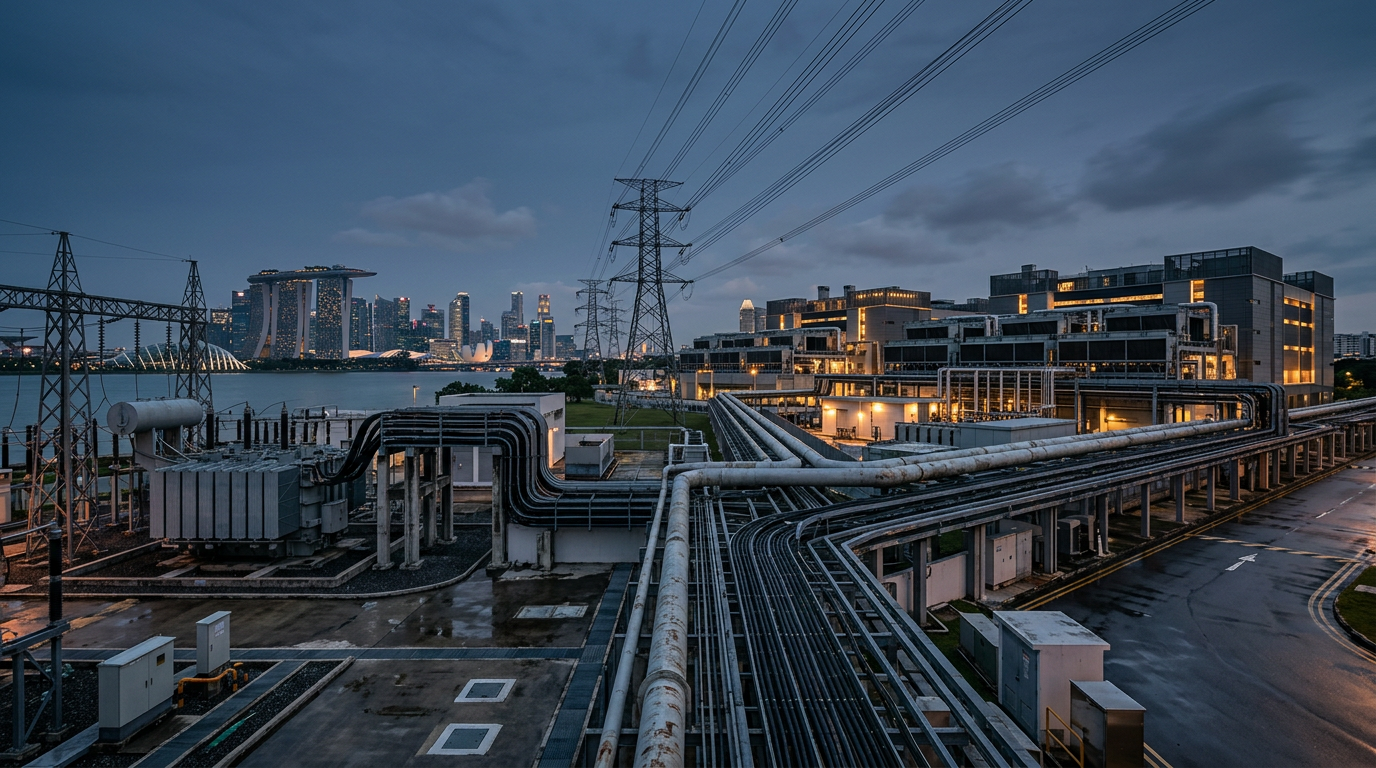
Data Centers and the Coordination Premium
PwC projects Singapore's yearly data center investments to hit US$19.2 billion by 2050. This reflects a regional trend where coordinated planning of utilities, connectivity, and land is a key industrial input, as detailed in ASEAN Rising.
 Singapore
, Malaysia, and the Data Center Surge
A new PwC forecast on data center investment in Singapore and Malaysia highlights a core theme of ASEAN's growth: the institutional capacity to coordinate complex industrial inputs like power, connectivity, and planning.
 Singapore
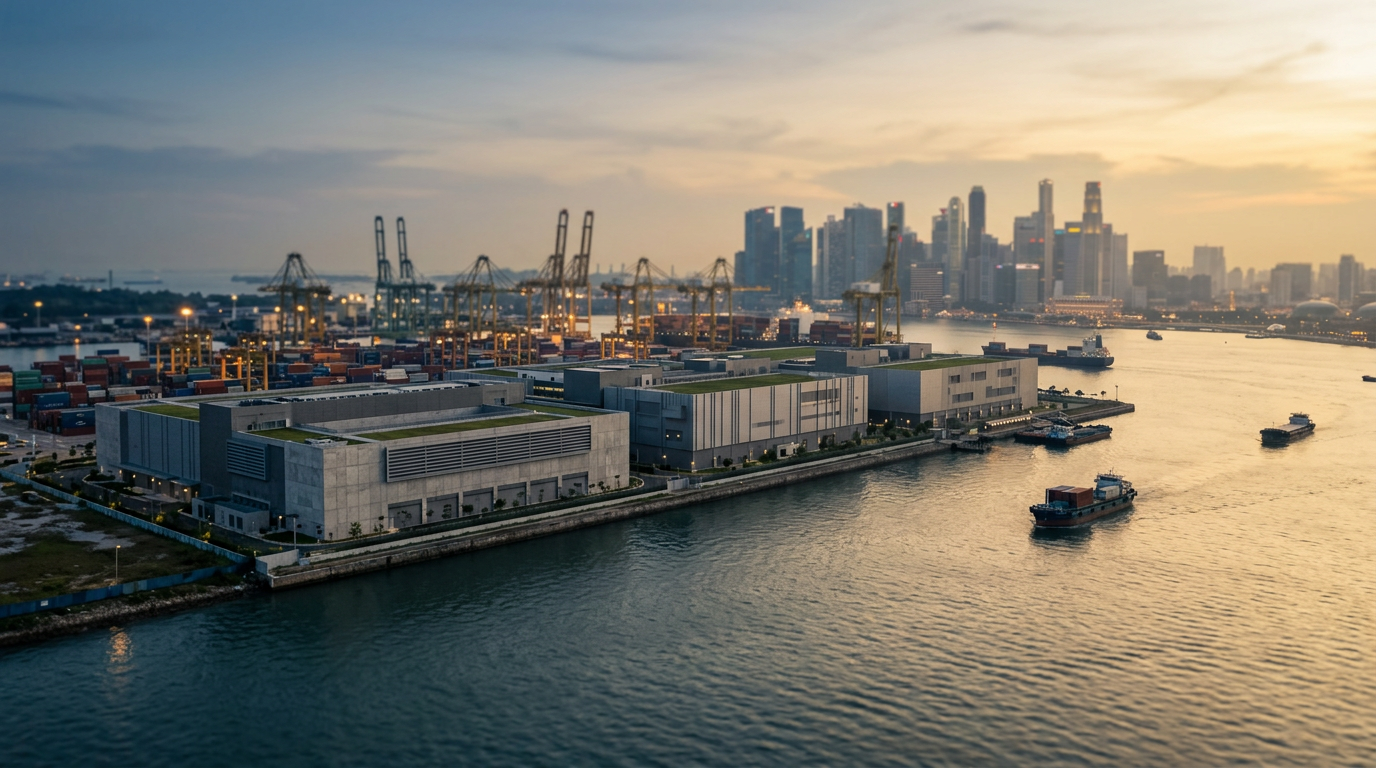
, Malaysia, and the Hyperscale Squeeze
Data center investment is pouring into Singapore and Malaysia. While Singapore has a head start, Malaysia's own industrial policy is setting up a classic contest for hyperscale dominance.
 Singapore
, Malaysia, and the data centre boom
PwC forecasts Singapore's annual data centre investment to reach US$19.2 billion by 2050, as part of a US$1.29 trillion regional surge that includes Malaysia.
 Singapore
, Malaysia, and the Data Center Land Rush
A recent PwC forecast for data center investment in Singapore and Malaysia highlights the institutional factors that attract hyperscale capacity. While Singapore has a head start, Malaysia is leveraging its own strengths in land and power to compete.
 Singapore
's Talent Infusion Highlights a Regional Test
Singapore's reliance on foreign talent for key infrastructure projects illustrates a core ASEAN challenge: converting capital into assets requires a flexible, skilled workforce. While Singapore navigates this with policy, its neighbours face a tougher road.
 Singapore
Radiant World Failure Highlights Commodity Trade Counterparty Risk
The failure of Singapore-based Radiant World, a commodity trading house, underscores the structural dependencies and counterparty risks that ASEAN institutions must navigate in the commodities sector.
 Singapore
Commodity Trader Default Tests Trust in Singapore
Allegations of forgery against a Singapore-based commodity trader put the spotlight on the institutional trust that underpins trade finance.
 Indonesia
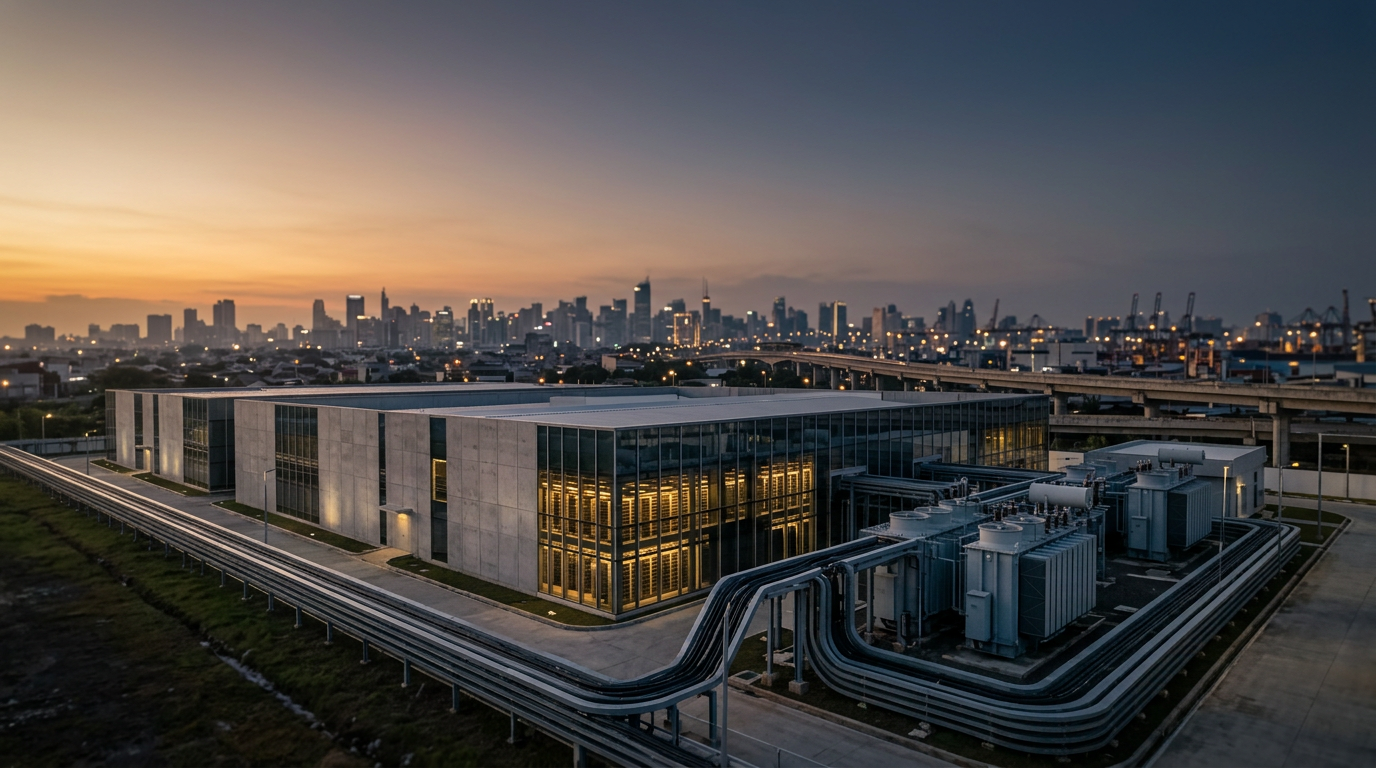
Coordinating Capital: The Data Center Boom in Indonesia
Singapore-based BDx's new 640 MW AI data center in Indonesia is a significant step, but its success will depend on more than just capital. It requires a complex interplay of infrastructure, regulatory alignment, and talent development, echoing the growth models of established.
 Singapore
's FDI Flows Face Headwinds From Restructuring
Singapore's investment attraction strategy is shifting from pure incentives to a focus on execution, institutions, and infrastructure. Announced FDI will need to navigate corporate restructuring and a tight labor market to become realized investment on the ground.
 Singapore
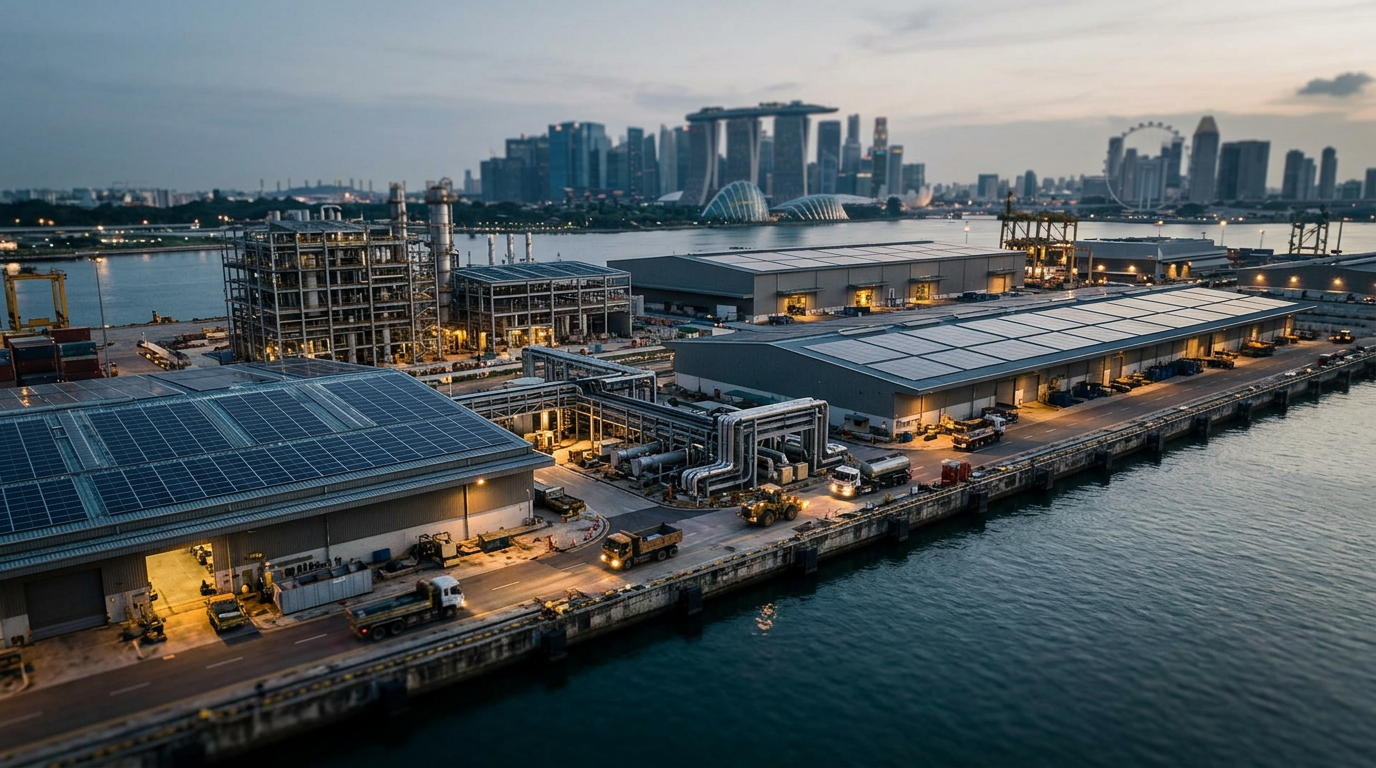
, ASEAN, and the Energy Transition
Singapore's recent success in using solar investments to offset fossil fuel costs highlights a broader regional theme: the slow, hard work of turning renewable energy potential into reality requires robust institutions and a relentless focus on execution.
 Singapore
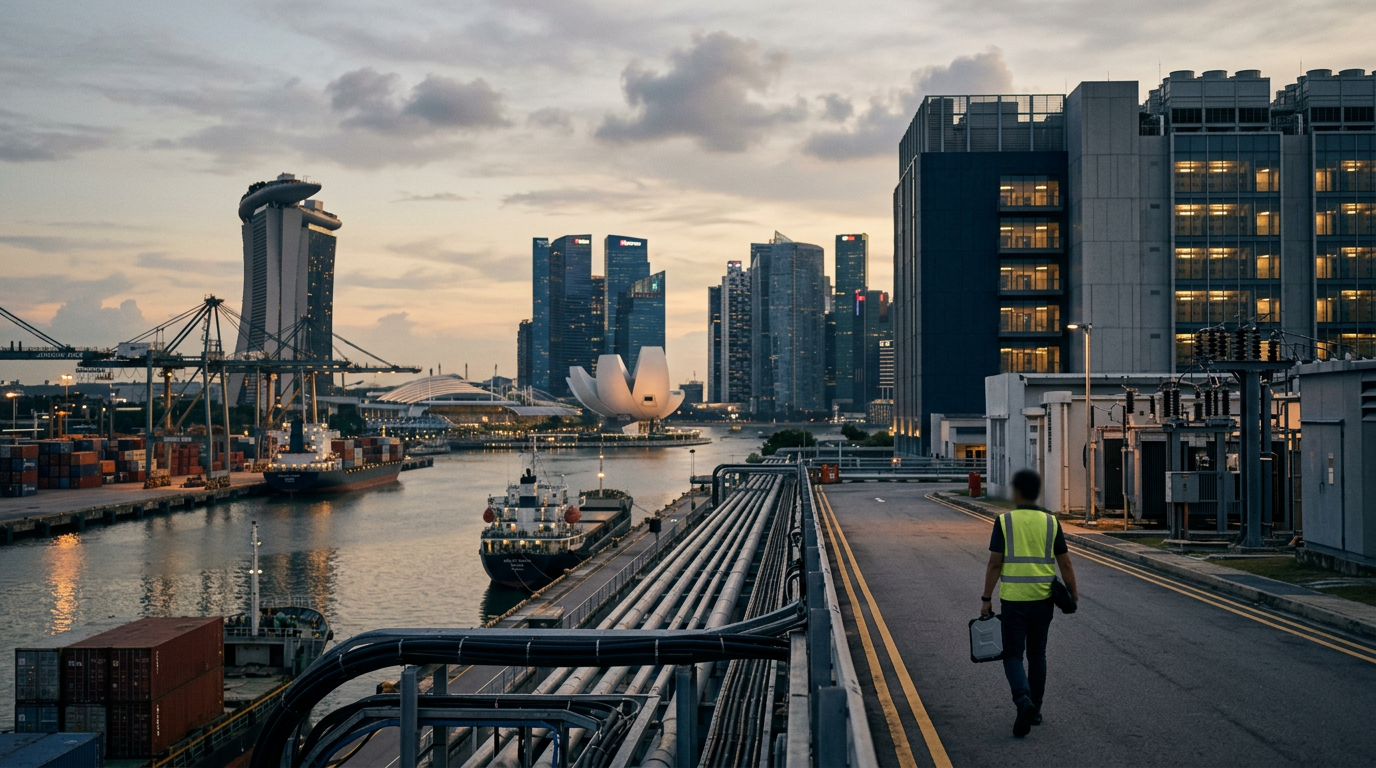
's Data Centre Evolution
Singapore's data centre operators are moving up the value chain, evolving from pure-play hyperscale providers into sophisticated multi-tenant ecosystems. This shift reflects a maturing market where coordinated capital and infrastructure planning create new forms of value.