Singapore
Beyond the Deal: FDI and the Hard Work of Building
FDI pledges are only the first step. The real measure of success is turning those announcements into tangible assets through the slower work of improving institutions and developing talent.
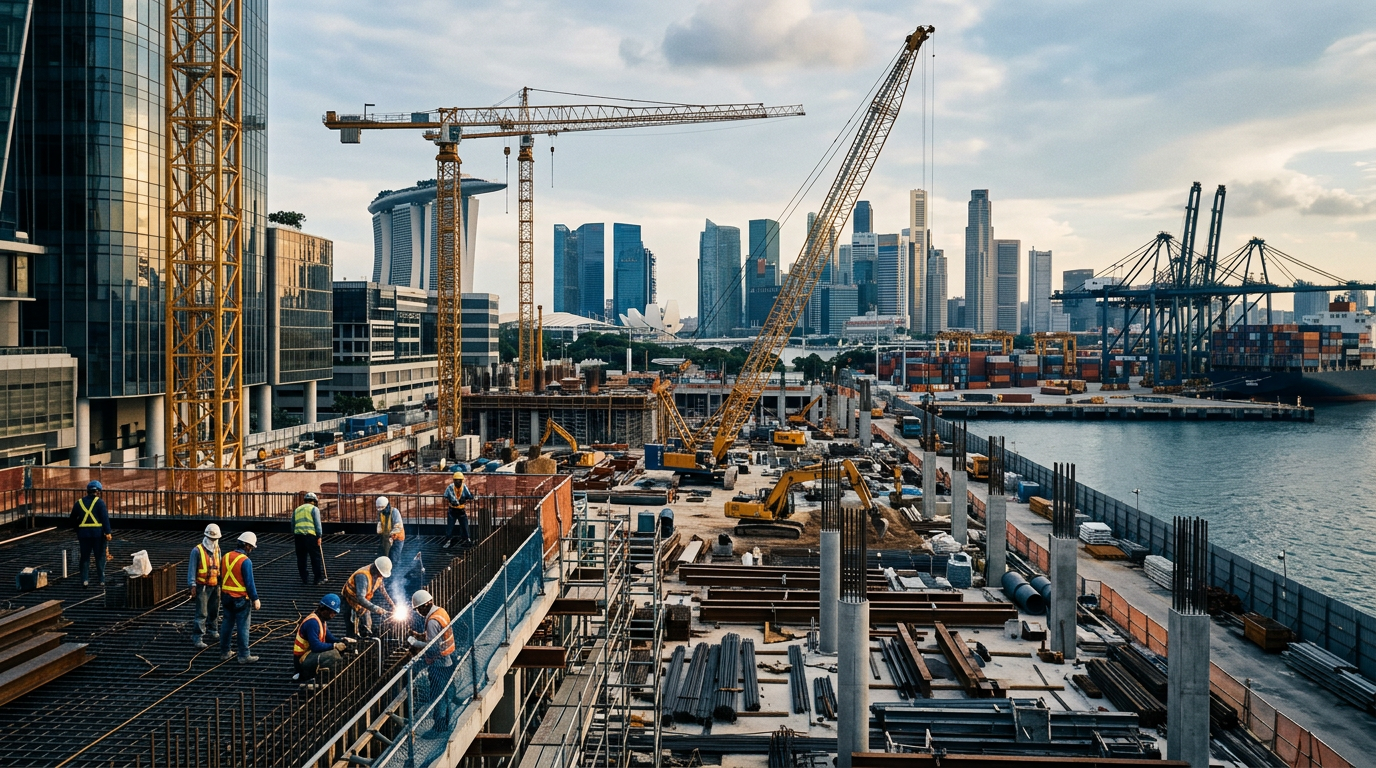
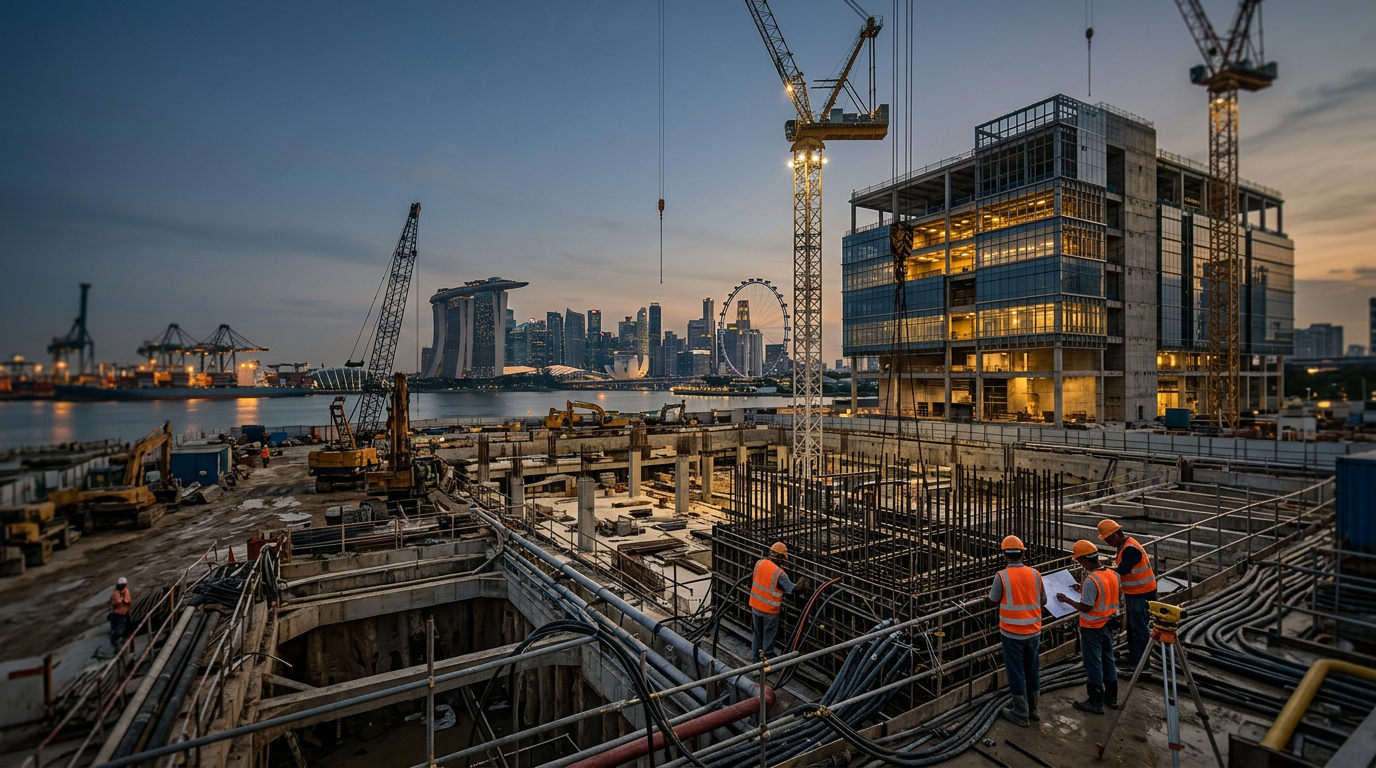
Singapore has once again demonstrated its ability to attract significant foreign investment, with a joint venture led by Thai billionaire Charoen Sirivadhanabhakdi set to develop a luxury mixed-use project along the Singapore River. As reported by e.vnexpress.net, the development will feature hundreds of residential units and commercial space, signaling continued confidence in the city-state's property market.
While this announcement is a positive indicator for Singapore, it also serves as a useful case study for the wider ASEAN region. High-value property deals are visible and generate headlines, but they represent the final stage of a long and complex process. The ability to attract and, more importantly, successfully execute such projects depends on a foundation of stable and efficient institutions.
From Announcement to Asset
Foreign direct investment (FDI) announcements are a common measure of economic health, but they are not the end of the story. As the book "ASEAN Rising" notes, "FDI announcements travel quickly. Realised flows depend on the slower work of land, permits, power and talent reaching the ground." The journey from a press release to a fully operational asset is fraught with potential friction. The ease of doing business, the clarity of regulations, and the speed of approvals are all critical factors that determine whether an announced investment becomes a completed project.
Singapore's success in this area is not accidental. It is the result of decades of focus on creating a predictable and transparent environment for investors. This includes clear land titles, streamlined permitting processes, and reliable infrastructure. For other ASEAN nations seeking to attract similar high-value investments, the lesson is that institutional quality is a primary determinant of investor confidence and, ultimately, realised FDI.
The Role of Infrastructure and Talent
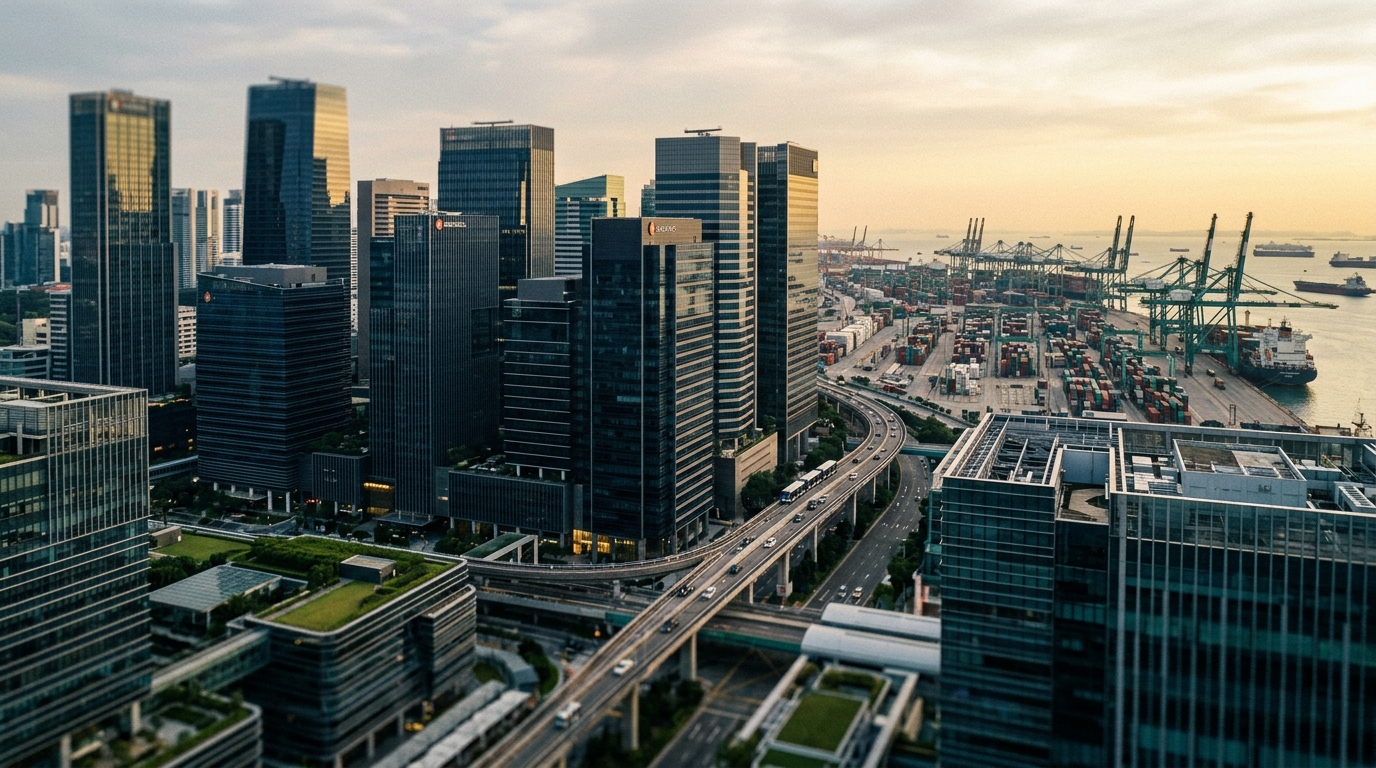
Beyond the regulatory framework, the physical and human capital of a nation is fundamental. A luxury development, for example, requires more than just a prime location. It needs reliable access to utilities like power and water, supported by high-quality transport infrastructure. The Singapore project will rely on the city's world-class public transport and road networks, which are the product of sustained, long-term public investment.
Equally important is the availability of skilled talent. The construction, management, and staffing of a mixed-use project require a deep pool of labor with diverse skills, from construction workers and engineers to hospitality and retail staff. The development of this human capital through education and training programs is a long-term endeavor that underpins a country's ability to absorb and benefit from large-scale foreign investment. The project along the Singapore River will draw upon a sophisticated local workforce, a resource that has been deliberately cultivated over many years.
What to watch
The gap between announced and realised FDI remains a key indicator of institutional effectiveness across ASEAN. Observers should monitor not just the headline-grabbing deal announcements, but also the progress of underlying reforms in land administration, business registration, and workforce training. The ability of member states to translate investment interest into tangible economic activity by strengthening these foundational pillars will determine their long-term competitiveness and capacity for growth.