Singapore
The Hard Work of Turning Announcements Into Assets
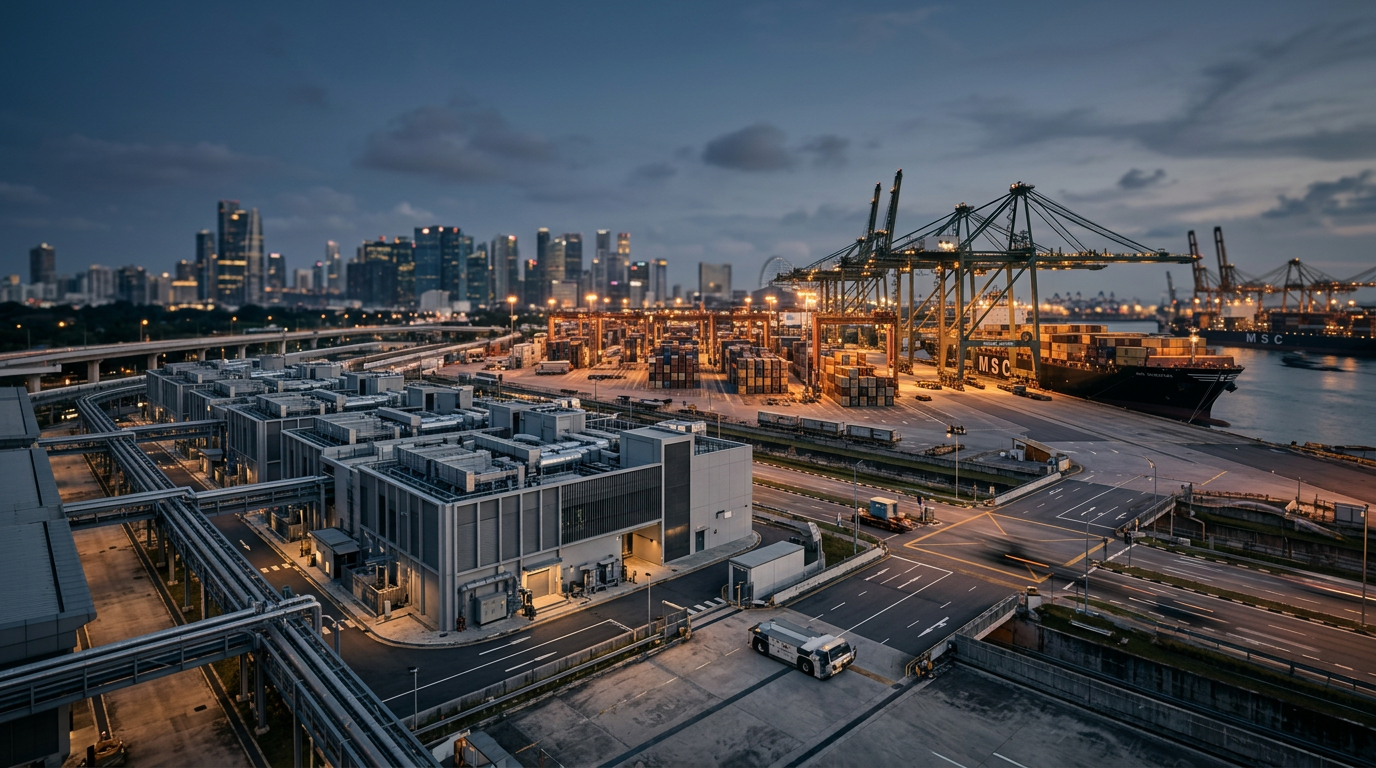
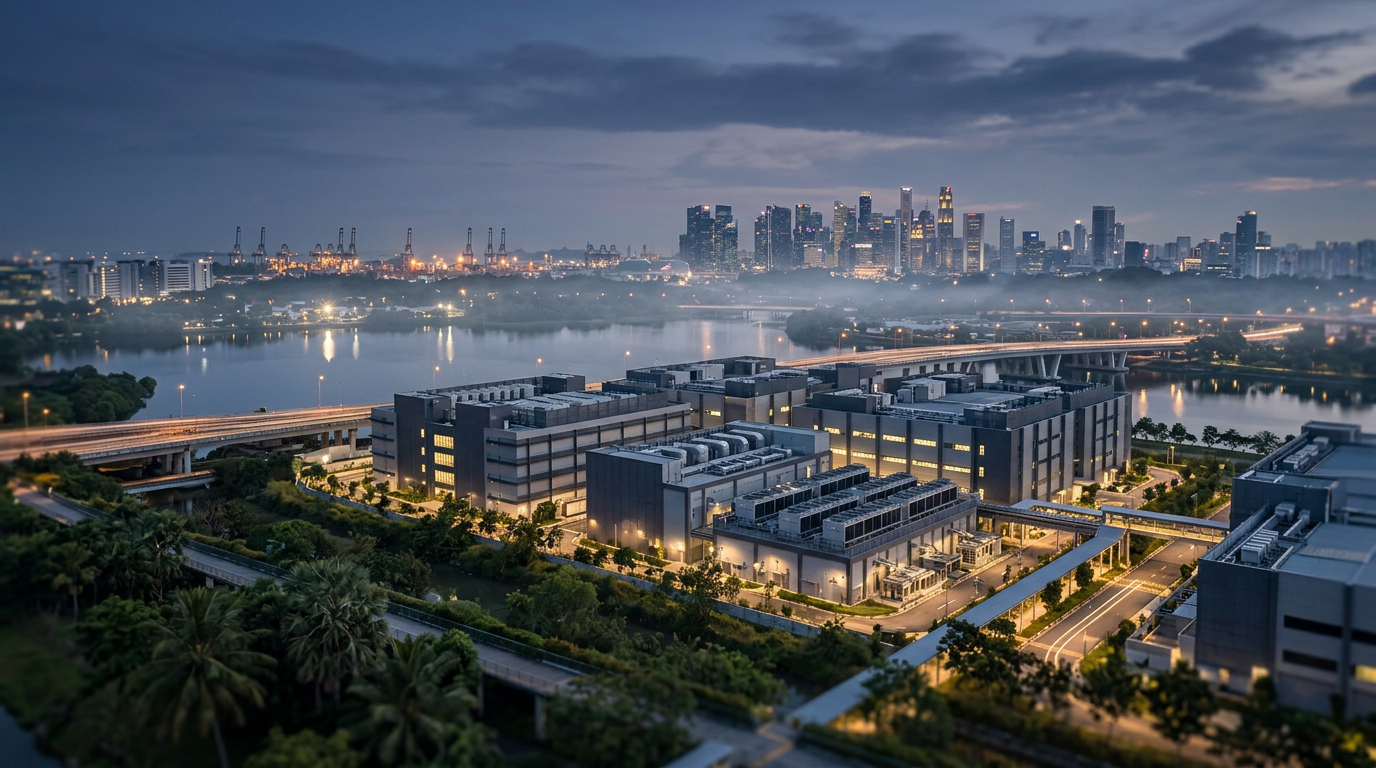
Announced foreign investment is not the same as realised investment on the ground. The recent expansion of Singapore's population to support major construction projects highlights the execution capacity required to turn capital into infrastructure.

Singapore's population recently grew by 1.6% to 6.21 million, an increase largely attributed to the influx of construction workers for major infrastructure projects. As reported by the Business Times, these workers are essential for the development of Changi Airport's Terminal 5, the expansion of Marina Bay Sands, and various transport initiatives. This news serves as a practical reminder of the immense human and logistical effort required to translate investment plans into tangible assets, a theme central to understanding economic development across ASEAN.
Institutions and Execution
The Singaporean case is notable for its display of institutional capacity. Mobilizing a significant workforce for large-scale projects requires a robust framework for immigration, housing, and project management. While many countries in the region can attract headline-grabbing foreign direct investment (FDI) announcements, the actual realization of these investments is a far more complex undertaking. As "ASEAN Rising" notes, the journey from a press release to a productive asset depends on the "slower work of land, permits, power and talent reaching the ground." Singapore's ability to manage this process is a core component of its economic strategy, allowing it to absorb and productively deploy both capital and labor.
Infrastructure and Capital
The projects driving Singapore's population growth are not merely construction jobs; they are foundational investments in the island's future as a hub for finance, trade, and tourism. Changi Airport's Terminal 5 and the expansion of Marina Bay Sands are designed to enhance Singapore's long-term capacity and competitive positioning. This highlights a key aspect of infrastructure development: it is the physical manifestation of a long-term capital strategy. The ability to execute these projects efficiently ensures that the invested capital begins generating returns, strengthening the economic base for the future.
Talent and Scale
While the current influx is weighted towards construction labor, it underscores the broader regional dynamics of talent mobility. Singapore has historically been a magnet for talent at all skill levels, using it to augment its small domestic population and power its economic engine. For larger ASEAN nations, the challenge is different but related. They must develop their domestic talent pools to match the scale of their economic ambitions. The lesson from Singapore is that managing talent - whether through immigration or domestic education - is a critical component of turning scale into a sustainable economic advantage. Without the right people in the right places, from the construction site to the corporate headquarters, investment plans remain just plans.
What to watch: Observe how ASEAN countries balance the immediate need for specialized foreign labor for strategic projects with the long-term goal of developing domestic talent and institutional capacity. The rate at which announced FDI commitments are converted into completed projects on the ground will be a key indicator of execution capability. Pay attention to policy changes related to permitting, land acquisition, and workforce mobilization, as these are the administrative levers that directly impact the speed and success of large-scale investment.