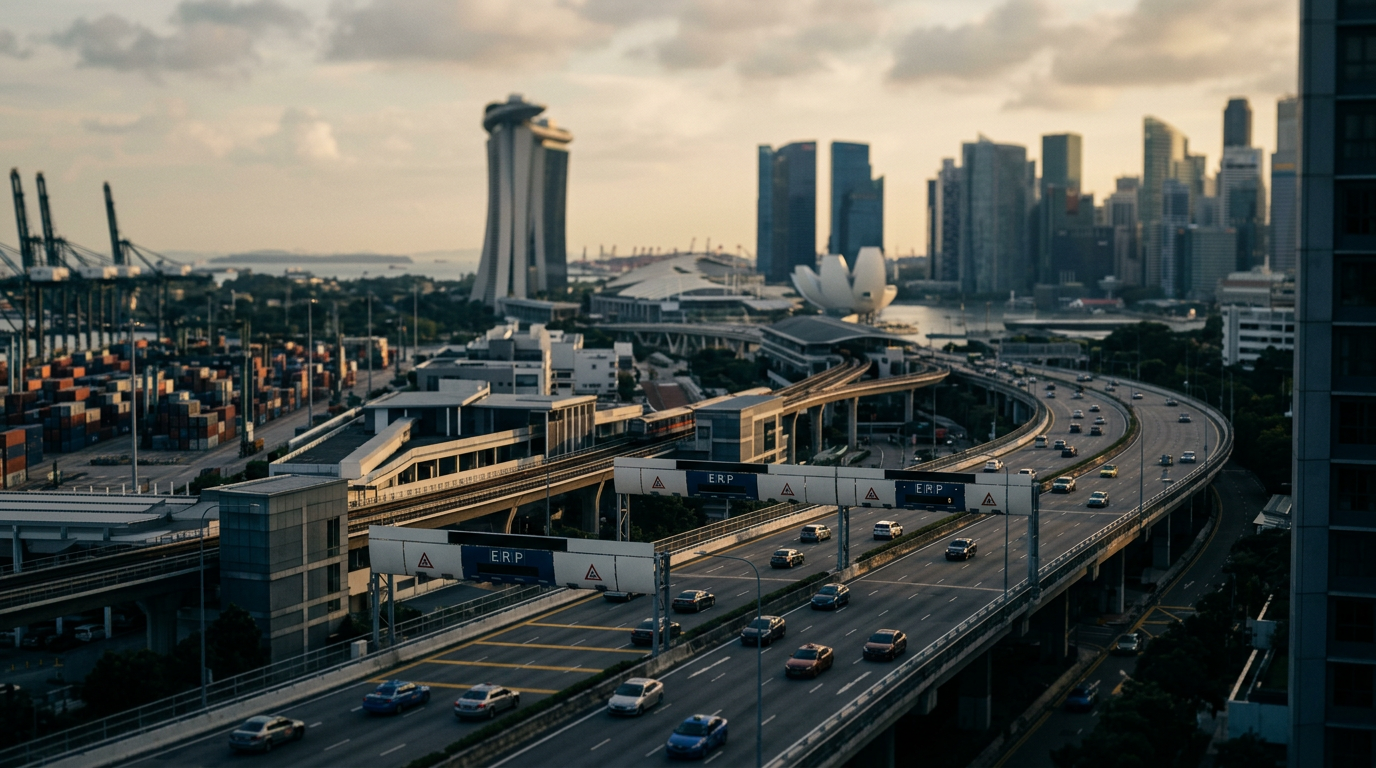
Singapore
Singapore, ASEAN, and the Energy Transition
Singapore's recent success in using solar investments to offset fossil fuel costs highlights a broader regional theme: the slow, hard work of turning renewable energy potential into reality requires robust institutions and a relentless focus on execution.
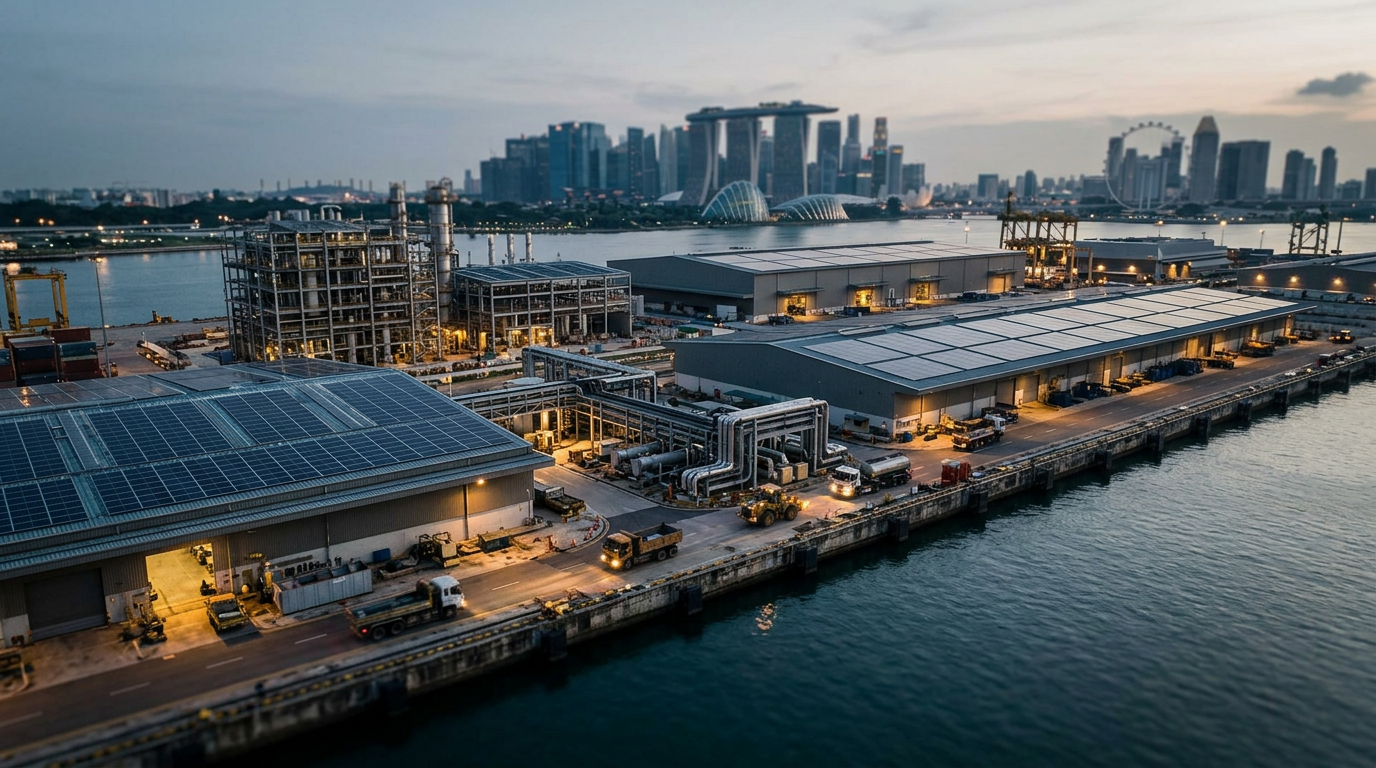
Singapore's solar energy investments saved an estimated US$97 million in fossil fuel costs over five months in 2026, according to a recent report from VnExpress. This saving, realized amid volatile global energy markets, demonstrates the tangible benefits of a sustained, state-led push into renewable energy. While Singapore is a city-state with unique characteristics, its progress offers a valuable lesson for its ASEAN neighbors: translating ambitious green energy targets into realized investment and measurable economic gains is a function of institutional quality.
From Ambition to Execution
Many Southeast Asian nations possess immense renewable energy potential, from Indonesia's geothermal resources to Vietnam's wind and solar capacity. The challenge, however, is not in the potential but in the execution. As the book "ASEAN Rising" notes, "realised flows depend on the slower work of land, permits, power and talent reaching the ground." Singapore's success is a case in point. Its gains are not the result of a single policy but of a long-term, systematic approach to building an environment conducive to energy innovation. This involves clear regulatory frameworks, investment in grid infrastructure, and programs to develop a skilled workforce.
For larger ASEAN economies, the hurdles are more complex. Securing land for large-scale solar or wind farms, navigating multi-layered bureaucracies for permits, and ensuring grid stability across vast geographies require immense institutional capacity. Foreign direct investment often follows the path of least resistance. Investors are drawn to markets where the friction between announcement and operation is lowest, and where the institutional machinery to solve problems is reliable.
The Role of Capital and Infrastructure
Singapore's solar success was enabled by significant capital allocation and infrastructure readiness. The cost savings on fossil fuels are a direct return on these prior investments. This illustrates a core principle for the region: energy infrastructure is not just a national issue but a regional one. The proposed ASEAN Power Grid, which aims to connect the electrical systems of member states, is a step toward creating a more resilient and efficient regional energy market. Such a grid would allow countries with surplus renewable energy to sell it to their neighbors, optimizing resource use and attracting larger-scale investment.
However, the grid remains more of an ambition than a reality. Its development is hampered by a lack of harmonized technical standards, regulatory differences, and financing gaps. The Singaporean example shows the value of a single-minded focus on a specific goal. While a fully integrated ASEAN grid is a monumental undertaking, bilateral agreements and smaller sub-regional connections can serve as practical starting points, building the institutional trust and technical experience needed for a more interconnected system.
What to watch: The next phase of ASEAN's energy transition will be defined not by high-level pronouncements but by progress on the ground. Observers should monitor the pace of regulatory reforms that streamline permits and land acquisition for green projects. The volume of realized, operational FDI in the energy sector, as opposed to announced pledges, will be the true measure of progress. Finally, the advancement of cross-border energy projects, even on a small scale, will indicate whether the region's institutions are capable of the cooperation needed to achieve collective energy security.