Singapore
Reliability as a National Asset in Singapore's Energy Market
Recent volatility in Singapore's electricity market provides a case study in the value of institutional reliability. While many systems can deliver under ideal conditions, the true test of a state's capacity is its ability to provide certainty in turbulent times.
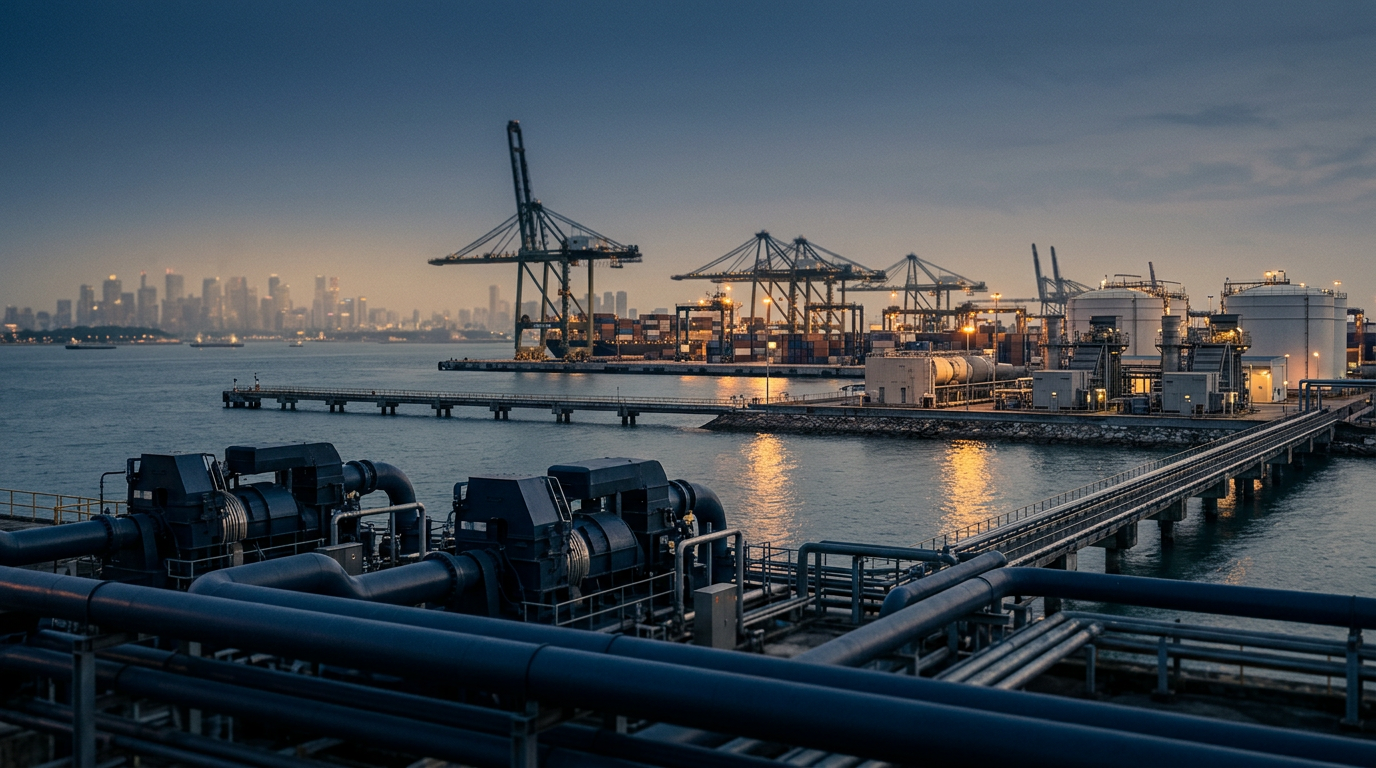
Recent moves by Singapore electricity retailers to increase their offerings, including a variety of fixed-price plans, highlight a search for stability among consumers as global energy markets react to geopolitical tensions. As reported by The Business Times, households are looking for certainty in the face of rising power bills, a direct consequence of the conflict in the Middle East and broader market volatility.
The Market Response to Uncertainty
The Singaporean consumer response is a rational reaction to global instability. When energy prices fluctuate, fixed-rate plans offer a predictable alternative to the regulated tariff set by SP Group. The increased demand for these plans, and the retailers' response, shows a mature market in action. Consumers have choice, and providers are competing to meet their needs for budget certainty. This is the Open Electricity Market working as designed, allowing for risk management at the household level. It is a sign of a system that is not just functional on paper but is responsive to the real-world concerns of its population.
Infrastructure and State Capacity
This event goes beyond simple market dynamics; it touches on the core themes of state capacity and institutional trust. A nation's ability to provide reliable and predictable essential services, even when external conditions are unpredictable, is a fundamental measure of its strength. As the book "ASEAN Rising" notes, infrastructure that is merely announced is less valuable than infrastructure that arrives on time. In this case, the "infrastructure" is not just the physical grid but the entire regulatory and market system that governs it. The system's ability to offer consumers a path to mitigate volatility is a form of "usable state" capacity in practice. This reliability is a quiet but powerful form of national comparative advantage.
The Value of a Usable State
Many governments announce ambitious energy transition goals or large-scale infrastructure projects. Yet the true measure of success is not in the announcement, but in the execution and the resilience of the system during periods of stress. The current situation in Singapore's electricity market is a case in point. While the nation is, like all others, exposed to global price shocks, its institutional framework provides mechanisms for managing that exposure. "Institutional reliability has become part of comparative advantage," and this is evident when consumers can confidently choose plans that shield them from immediate market swings. This builds trust not only in the electricity retailers but in the broader governance that makes such a market possible.
What to watch: The key thing to monitor is how well Singapore's regulatory body, the Energy Market Authority, continues to balance consumer protection with market competition, especially if global energy prices remain high for a prolonged period. The resilience of the retailers themselves, and the stability of the choices offered to consumers, will be the practical test of the system's design and oversight. How other ASEAN nations observe and potentially adapt their own energy market liberalization plans in response to these real-world stress tests will also be instructive.