Singapore
The Hard Work of ASEAN Investment
Announced FDI is easy. Realized FDI is hard. That gap is where government institutions and private sector execution meet.
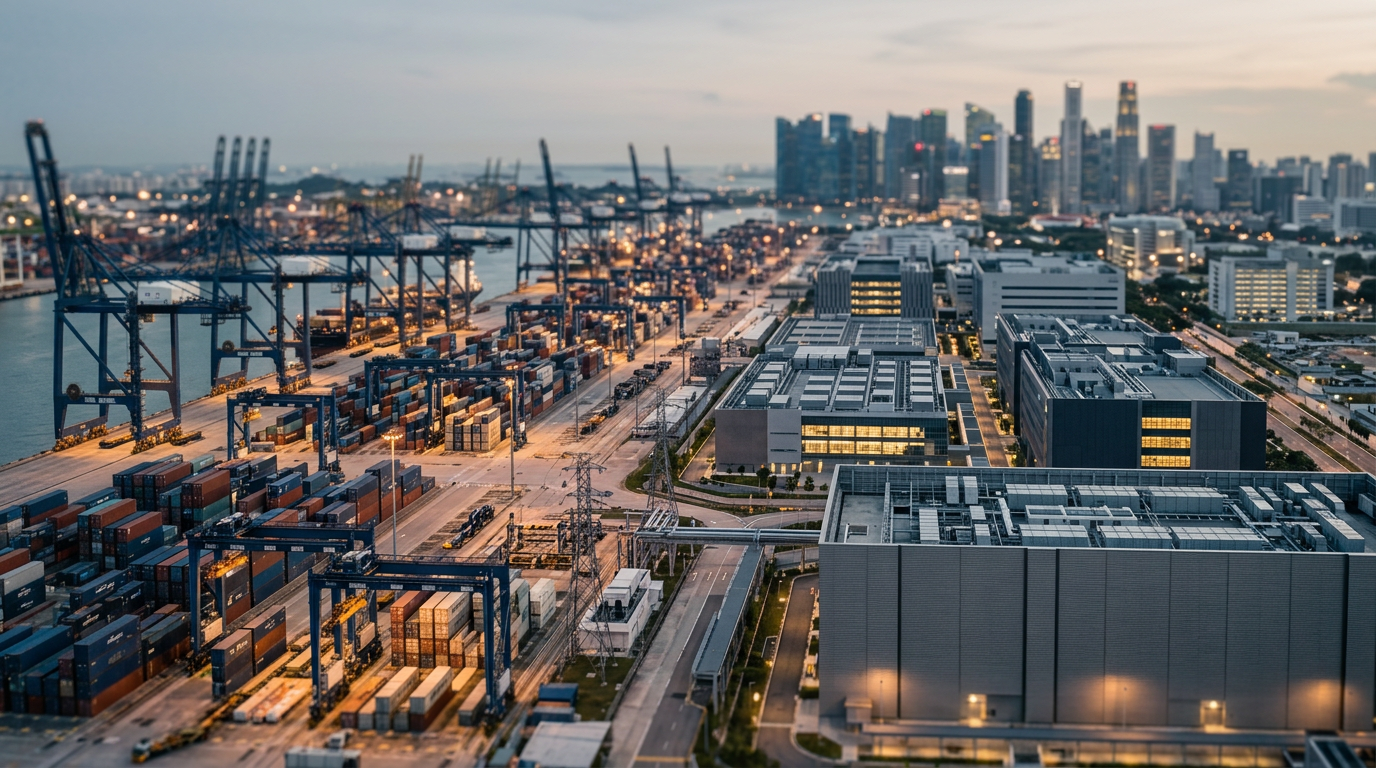
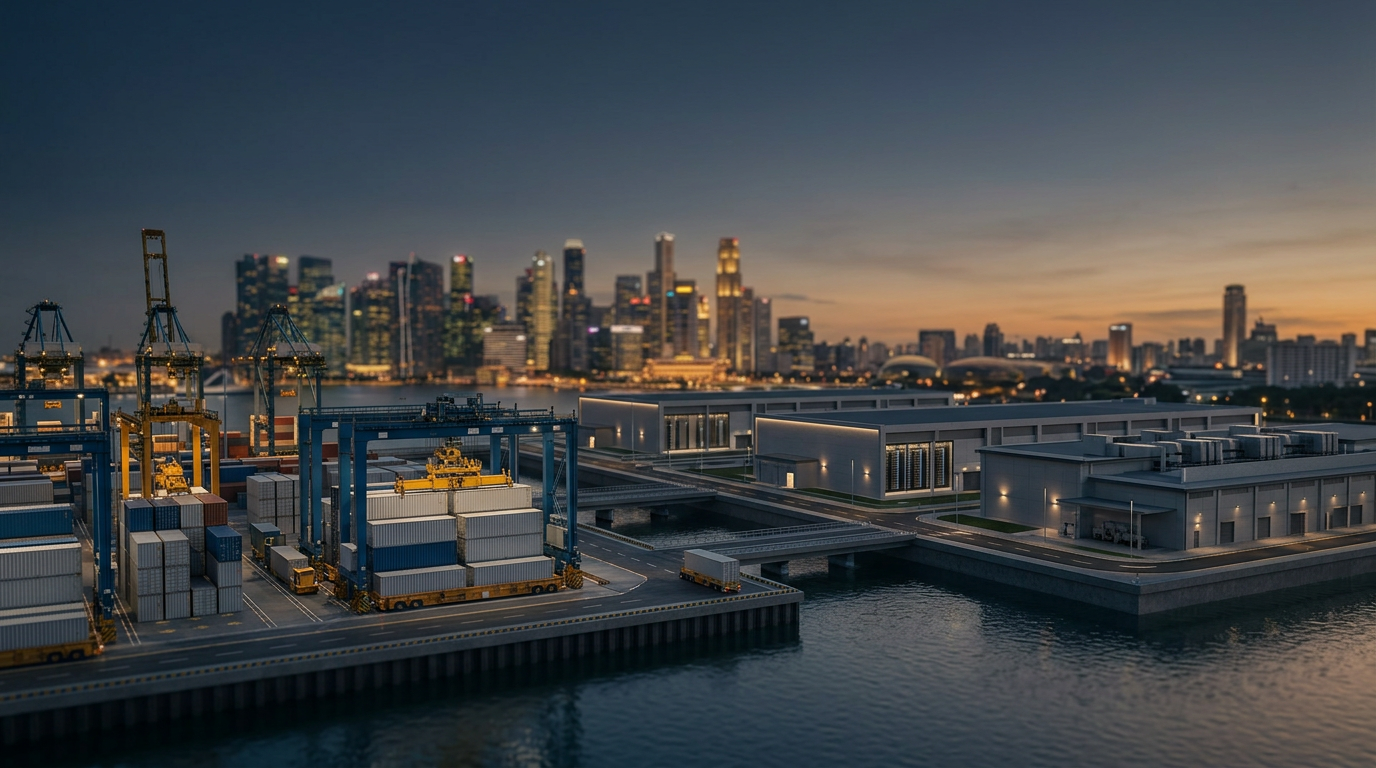
Singaporean factories just posted a strong month on the back of sustained demand for AI-related hardware, according to a recent report in the Straits Times. The city-state is well-positioned to ride the current wave of semiconductor investment, but its success also highlights a broader theme across the region. As global capital seeks new homes in Southeast Asia, turning investment announcements into real economic activity is a challenge that tests every government in the bloc.
From Announcement to Operation
Foreign direct investment (FDI) commitments are making headlines across ASEAN. Driven by supply chain diversification, geopolitical shifts, and the region's own economic gravity, firms are pledging billions to build new capacity in manufacturing, logistics, and data infrastructure. These announcements are a signal of intent, a vote of confidence in ASEAN's future. However, they are only the first step. The real work begins after the press releases are issued.
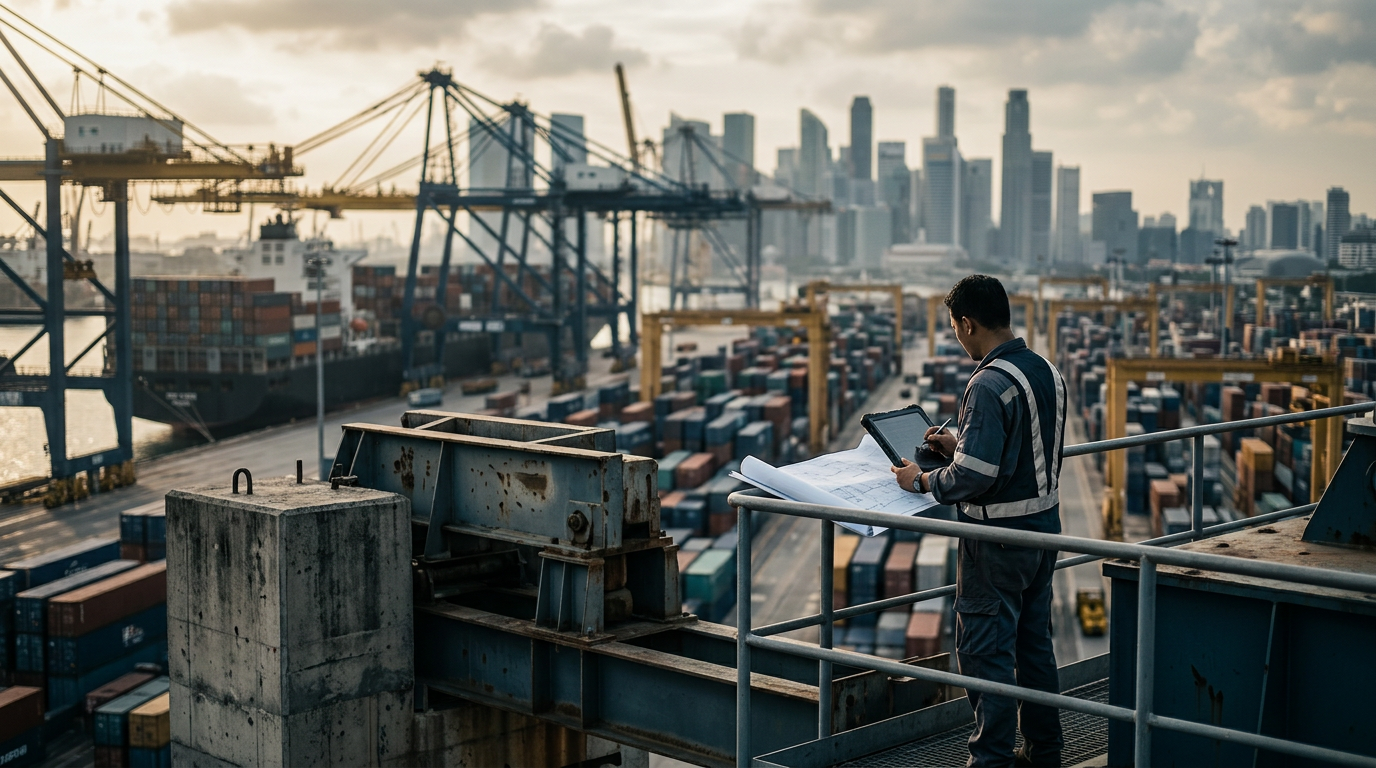
As the book "ASEAN Rising" notes, "realised flows depend on the slower work of land, permits, power and talent reaching the ground." This is the less glamorous, but more important, phase of investment. It involves securing land titles, navigating complex permitting processes, ensuring reliable electricity and water supplies, and hiring and training a workforce. It is here that the institutional capacity of a state is truly tested. A streamlined, transparent, and predictable regulatory environment is the foundation upon which successful projects are built.
The Execution Challenge
Singapore has long been a benchmark for execution. Its success is not accidental. It is the result of decades of focused effort on building world-class infrastructure, fostering a skilled talent pool, and creating a stable, pro-business policy environment. This allows a semiconductor firm to move with reasonable confidence from a factory plan to actual production. The August 2026 manufacturing data is a testament to this deep-seated capability.
Other ASEAN members are working to replicate this success in their own contexts. Indonesia, with its immense scale, is a case in point. The government has made improving the investment climate a priority, streamlining regulations through omnibus laws and establishing special economic zones. Yet the challenges of a decentralized political system and vast geography remain. The journey from an FDI announcement in Jakarta to a fully operational factory in a remote province requires coordination across multiple layers of government. The success of these initiatives will determine whether Indonesia can translate its demographic and resource advantages into sustained industrial depth.
Capital and Institutions
Ultimately, the story of FDI in ASEAN is a story of capital meeting institutions. Global capital is fluid and pragmatic. It will flow to where it can be deployed efficiently and generate predictable returns. While one country might offer lower labor costs and another might offer vast natural resources, the quality of institutions is the enabling factor that ties everything together. Investors need to trust that contracts will be enforced, regulations will be applied fairly, and infrastructure will be reliable.
For ASEAN, this means a continuous focus on the fundamentals: strengthening legal frameworks, investing in education and training, and building high-quality infrastructure. It's the steady, often difficult work of improving the mechanics of governance that will determine which economies capture the lion's share of the investment pouring into the region.
What to watch: The key metric to monitor is not the headline number of announced FDI, but the conversion rate of those announcements into operational projects. Pay attention to changes in national and sub-national regulations related to land acquisition, business licensing, and labor. The speed and predictability of these processes are leading indicators of an economy's ability to absorb and profit from new waves of global investment.