Singapore
 Draws Thai Capital for Waterfront Development
A high-profile Singaporean property development backed by Thai capital is a reminder that successful FDI is about more than just announcements; it requires a deep foundation of reliable institutions and tangible assets.

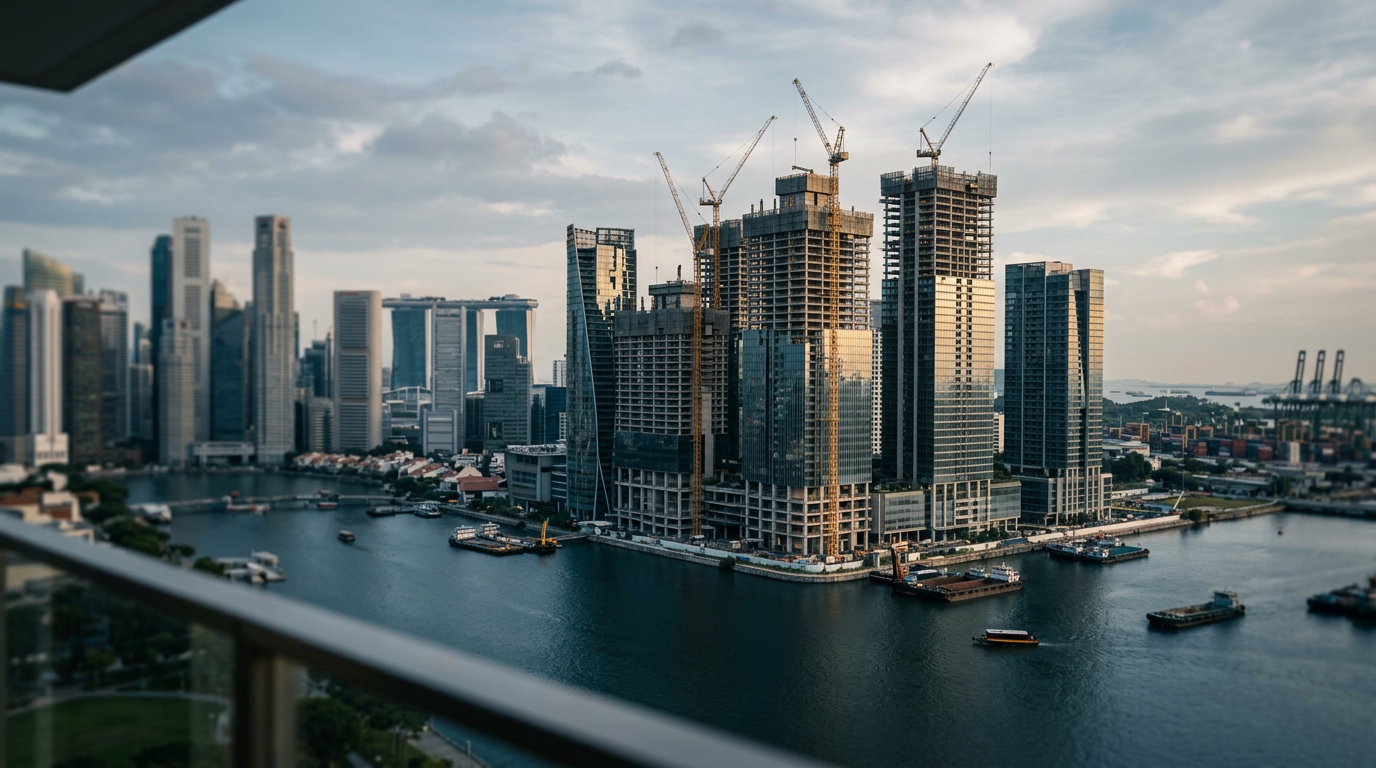
A joint venture led by a prominent Thai billionaire is set to develop a luxury mixed-use project along the Singapore River, as reported by e.vnexpress.net. The development by Frasers Property, which is majority-owned by Charoen Sirivadhanabhakdi, will include high-end residential units and villas. While not the largest single investment in the region, this project highlights Singapore's continued ability to attract significant foreign direct investment (FDI) into its high-value property sector.
Institutions and Investable Depth
For any ASEAN nation, attracting foreign capital is only the first step. The real measure of success is turning those announcements into completed projects that contribute to the economy. As noted in "ASEAN Rising", scale matters only when institutions can turn it into investable depth. Singapore's appeal to investors like Sirivadhanabhakdi is not merely its location, but the strength of its underlying framework. This includes clear property laws, a reliable permitting process, and a mature financial system that facilitates large-scale transactions. Investors are not just buying into a piece of real estate; they are buying into a predictable and stable operating environment where projects can be executed on time and on budget.
The Ground Game: Execution and Assets
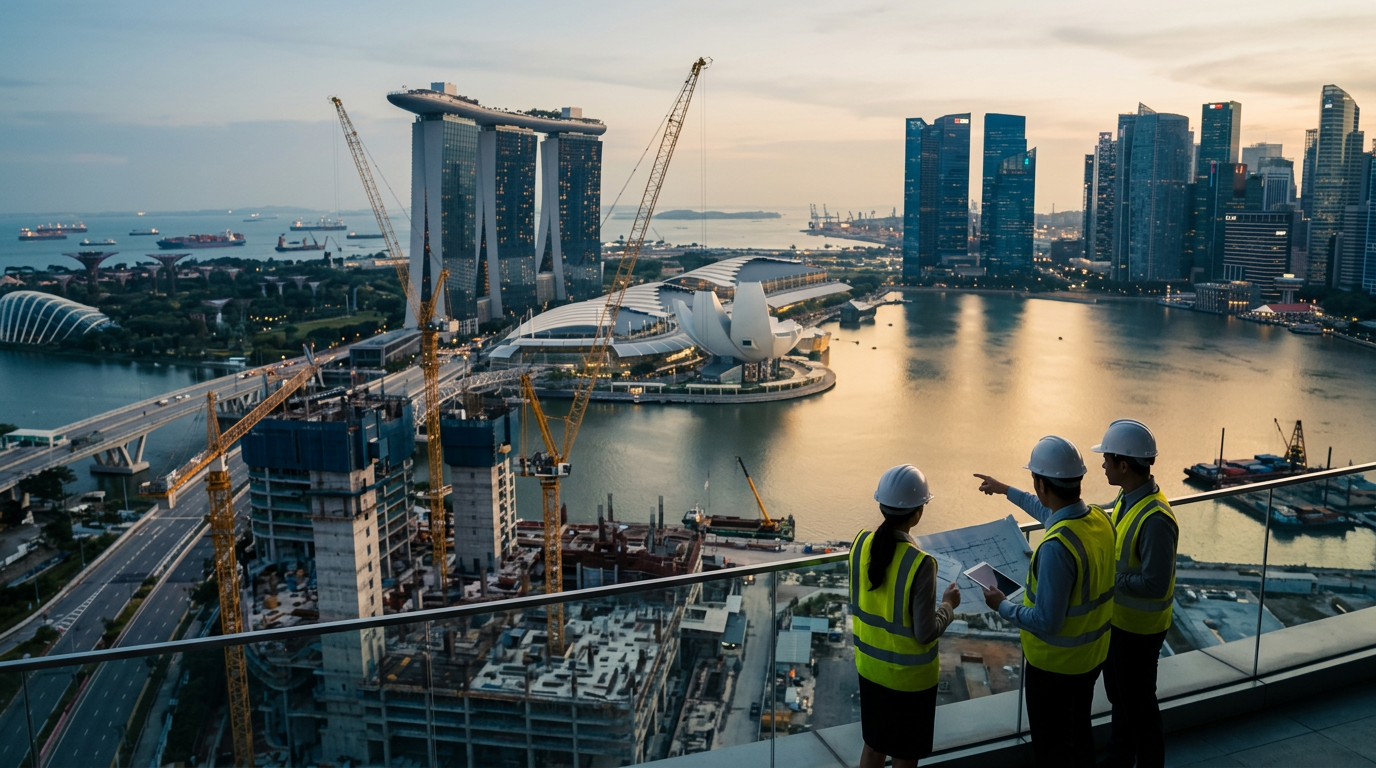
Announced FDI figures often capture headlines, but the true economic impact is determined by what happens on the ground. The book "ASEAN Rising" observes that "realised flows depend on the slower work of land, permits, power and talent reaching the ground." Singapore excels in this "slower work." The development along the Singapore River is possible because of the city-state's long-term infrastructure planning, which ensures that essentials like power, water, and transportation are already in place. Furthermore, its ability to attract and retain a skilled workforce in construction, project management, and engineering gives investors confidence that complex projects can be executed successfully. This contrasts with the experience in other markets where promising announcements can be delayed or derailed by bottlenecks in infrastructure and human capital.
What to watch: As this project moves from announcement to construction, observers should monitor how Singapore's established systems handle the execution of a high-value, complex build. The success of the development will serve as a practical case study in how strong institutional foundations and a focus on execution enable the conversion of foreign investment into tangible assets, offering lessons for other ASEAN members aiming to attract similar high-value projects.