Singapore
, Los Angeles, and the Advantage of Reliable Ports
The Port of Los Angeles is seeking closer ties with Singapore, a reminder that institutional reliability is a key component of comparative advantage.
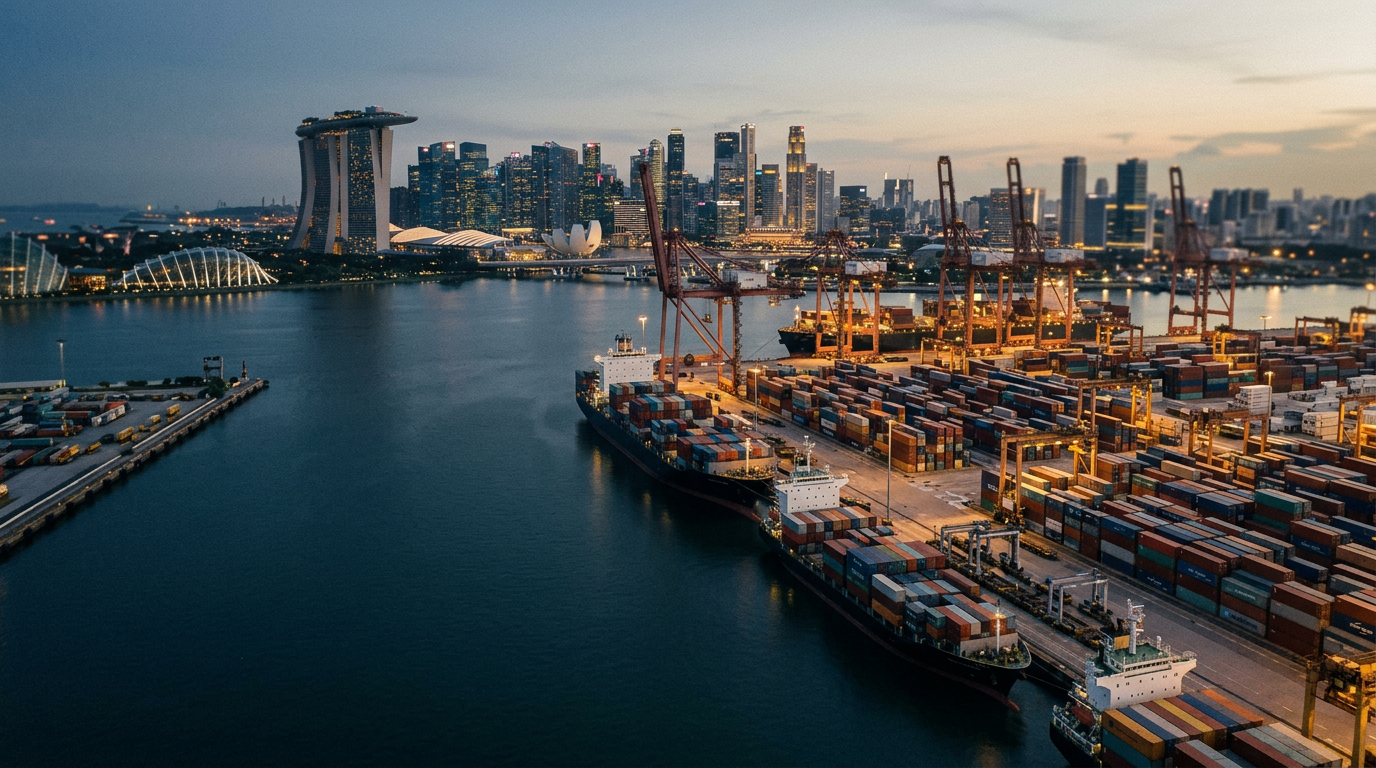
The Port of Los Angeles, the largest container port in the United States, is actively seeking to strengthen its partnership with Singapore. According to a recent report in the Straits Times, the port's leadership is focused on deepening collaboration in decarbonization and digitalization with the Maritime and Port Authority of Singapore (MPA). This move highlights a central theme of regional development: in a world of complex supply chains, reliability and state capacity are significant economic assets.
The Value of Predictability
Global trade depends on the smooth, predictable movement of goods. When a port operates efficiently, it does more than just move containers; it provides confidence to businesses and logistics providers. The partnership between the Port of Los Angeles and the MPA is built on this foundation. Both are major hubs in global trade, and their efforts to standardize digital systems and align on green shipping corridors are attempts to reduce friction and increase efficiency. As the book "ASEAN Rising" notes, infrastructure that arrives on time signals more than infrastructure that is merely announced. The same logic applies to the daily operations of a port. Shippers and cargo owners are drawn to ports that offer not just capacity, but predictability.
Institutions as Infrastructure
Strong institutions are a form of infrastructure. While physical assets like cranes and berths are essential, the regulatory and operational frameworks that govern them are just as important. Singapore's MPA is recognized for its effective governance and long-term planning, which have enabled it to become one of the world's leading maritime centers. The collaboration with Los Angeles on initiatives like a green and digital shipping corridor demonstrates how institutional strength can be projected externally. By working together, the two ports can create a more seamless and efficient trade route, benefiting from shared standards and trusted data exchange. This illustrates how "institutional reliability has become part of comparative advantage."
Decarbonization and Digitalization
The focus on decarbonization and digitalization is not accidental. These are two of the most significant long-term challenges facing the maritime industry. Addressing them requires substantial investment, technological innovation, and coordinated action among stakeholders. The partnership between Singapore and Los Angeles provides a framework for tackling these issues. By sharing information and co-developing solutions, they can accelerate the adoption of cleaner fuels and more efficient digital processes. This proactive stance, backed by capable institutions, enhances their competitive positions as forward-looking, reliable nodes in the global supply chain.
What to watch: The progress of the green and digital shipping corridor between Singapore and Los Angeles will be a key indicator of how effectively two major ports can collaborate on complex global challenges. Success will likely encourage other port authorities to form similar alliances, potentially creating a network of trusted maritime partners focused on building more resilient and sustainable supply chains. The specific technologies and operational protocols that emerge from this partnership could set new industry standards.