
ASEAN Analysis & Commentary
Every analysis published on ASEAN Rising is sourced, datestamped and signed. We're more interested in being right in 12 months than first in 12 minutes.
Foundation pieces
Start here. The three pieces below set out the lens ASEAN Rising uses to read every story.
ASEAN Rising's core lens. Execution Economics is the study of whether countries, companies and institutions can convert obvious potential into delivered outcomes - and which six pillars decide the answer.
The region has capital, demographics, location and policy ambition. None of that has ever been the binding constraint. The next decade is an execution test, not a potential test - and it is already being scored.
Malaysia is the test case for whether ASEAN's middle powers can turn FDI, semiconductors and data centres into compounding domestic capability. Read the live coverage and execution scorecard.
Analysis tagged #fdi
 Thailand
's Egg Export Curbs: A Lesson in Execution
Thailand's recent move to curb egg exports highlights a persistent challenge across ASEAN: turning policy into reality. The gap between announced goals and on-the-ground execution remains a drag on the region's economic integration and growth potential.
 Thailand
's FDI Climate and the Challenge of Execution
Thailand is a resilient, upper-middle income economy. But its FDI performance is hampered by execution bottlenecks.
 Thailand
: From Food Security to FDI
Thailand's recent move to curb egg exports highlights a deeper issue for ASEAN nations: translating policy into on-the-ground execution for sustained economic growth.
 Philippines
The Philippines: From Digital Divide to Investable Depth
A recent internet outage spared subscribers of one Philippine provider, highlighting the growing importance of resilient digital infrastructure for the archipelago nation. While foreign direct investment announcements are easy, turning them into reality requires concrete steps.
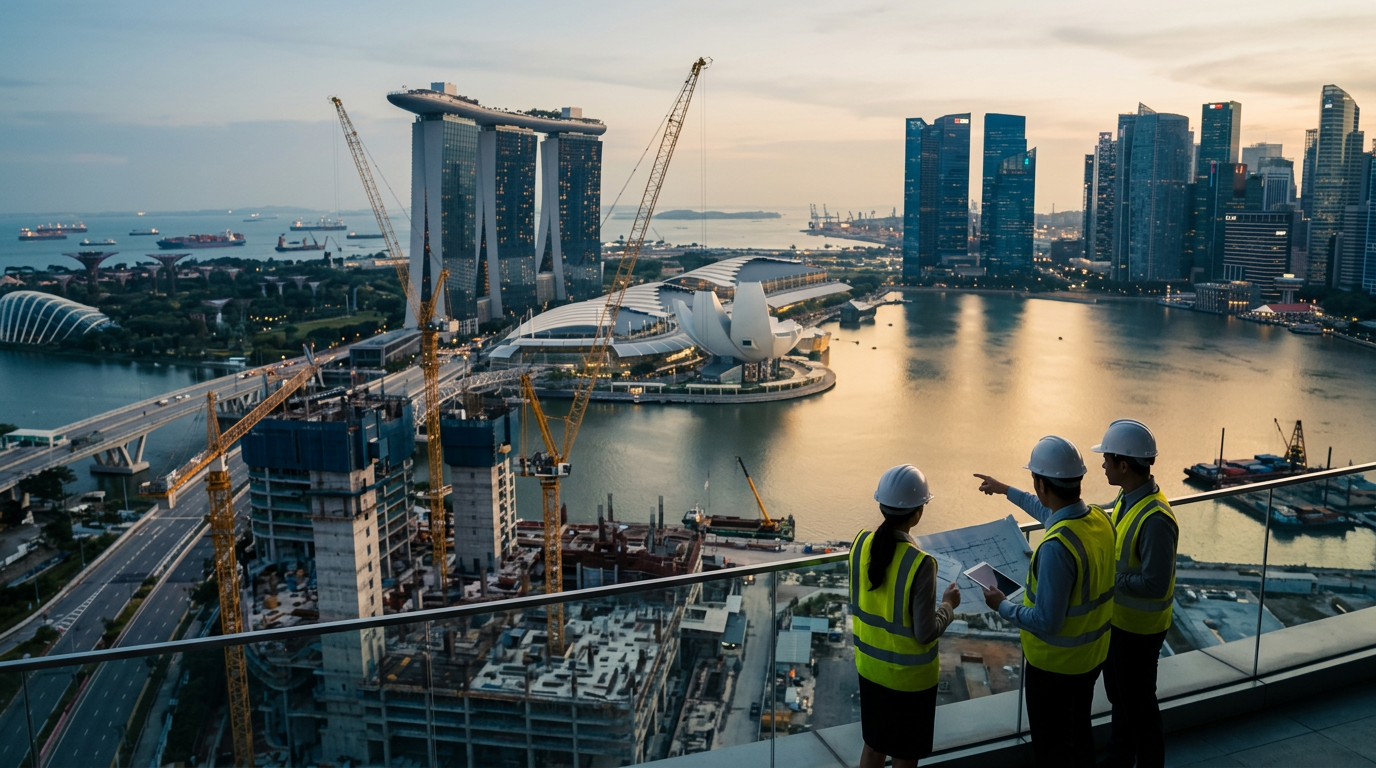
 Singapore
 Draws Thai Capital for Waterfront Development
A high-profile real estate investment from a Thai billionaire highlights Singapore's durable appeal, but also shows the institutional strengths required to absorb and realise large-scale foreign direct investment.
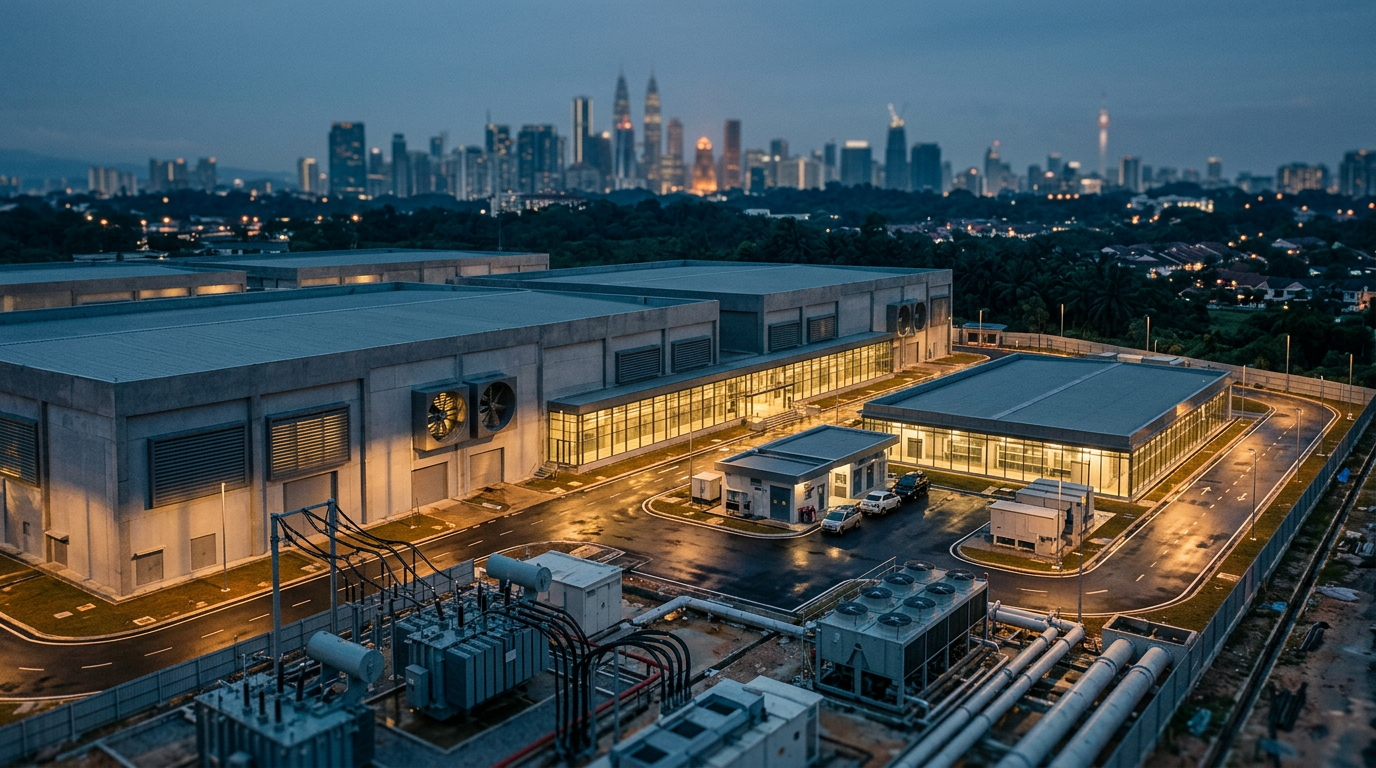
 Malaysia
's Data Centre Boom Tests Its Foundations
Malaysia is attracting record FDI in data centres. Execution on land, power, and talent will determine if this translates into sustained growth.
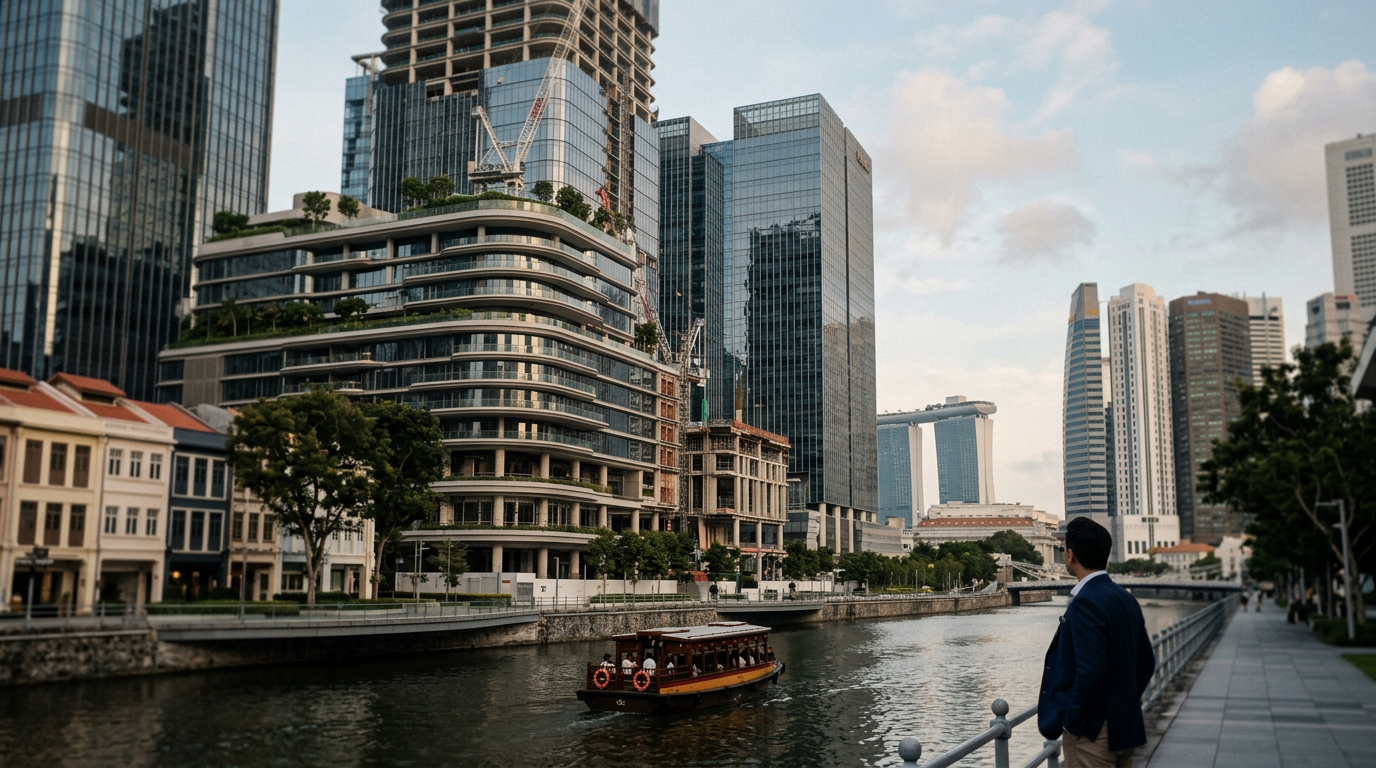 Singapore
's Riverfront Bet On Regional Capital
A high-profile Singapore real estate project bankrolled by a Thai billionaire shows how regional capital is reshaping ASEAN's urban landscapes, but Singapore's high costs demand execution to match.
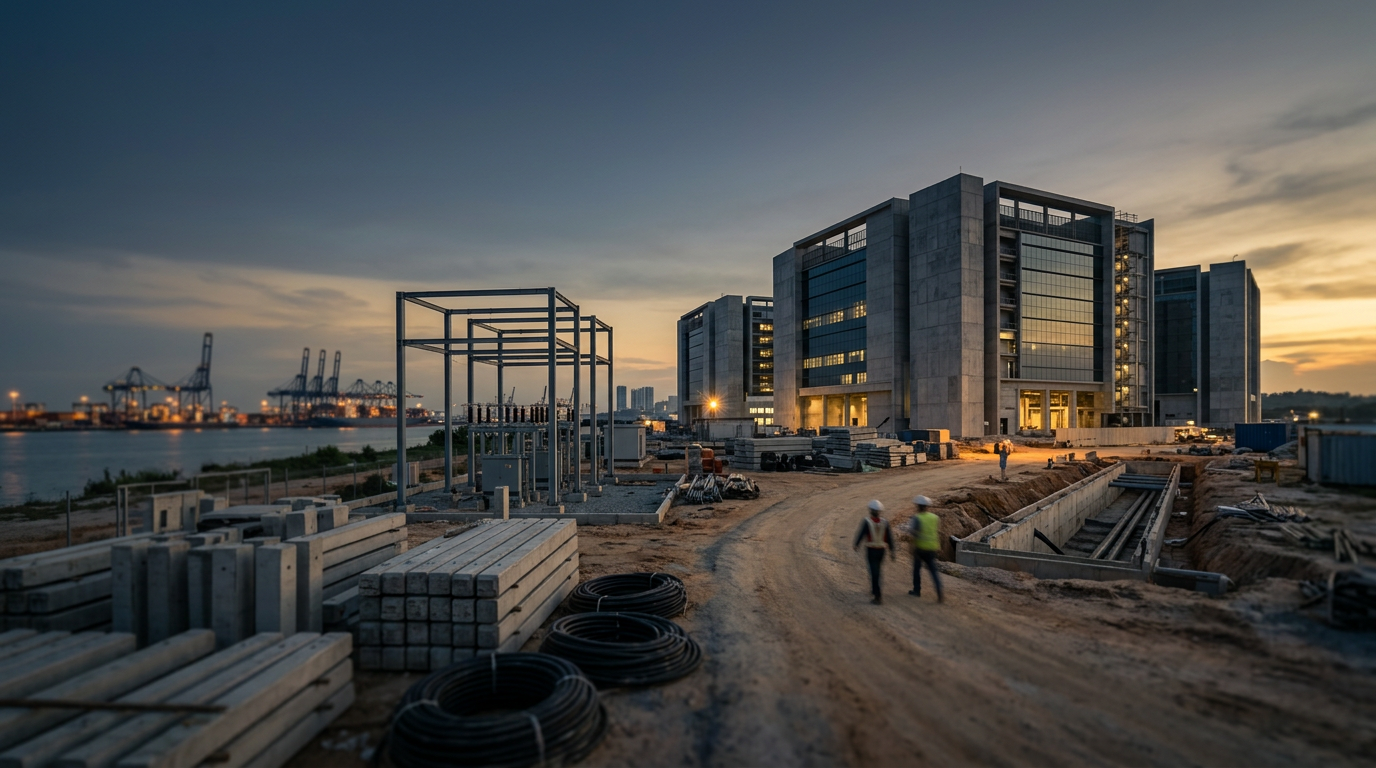 Malaysia
's Data Centre Boom Tests Its Foundations
Malaysia's data centre boom is attracting significant foreign investment. But growth depends on the slower work of land, permits, power and talent.
 Malaysia
's FDI Ambitions Test Its Institutional Capacity
Malaysia's FDI successes are clear, but a resilient economy depends on the slower work of improving land, permits, power, and talent.
 Indonesia
 and the test of FDI realisation
FDI announcements travel quickly. Realised flows depend on the slower work of land, permits, power and talent reaching the ground.
 Thailand
 sharpens its appeal for Gulf investment
Thailand is working to position itself as a hub for Islamic finance and investment from the Gulf, but success depends on more than high-level agreements.
 Singapore
 Draws Thai Capital for Waterfront Development
A high-profile Singaporean property development backed by Thai capital is a reminder that successful FDI is about more than just announcements; it requires a deep foundation of reliable institutions and tangible assets.
 Vietnam
's Growing Wealth and the Test of Institutions
A rising number of ultra-high-net-worth individuals in Vietnam is a positive signal, but sustained economic development depends on translating capital into tangible infrastructure and broad-based opportunities.
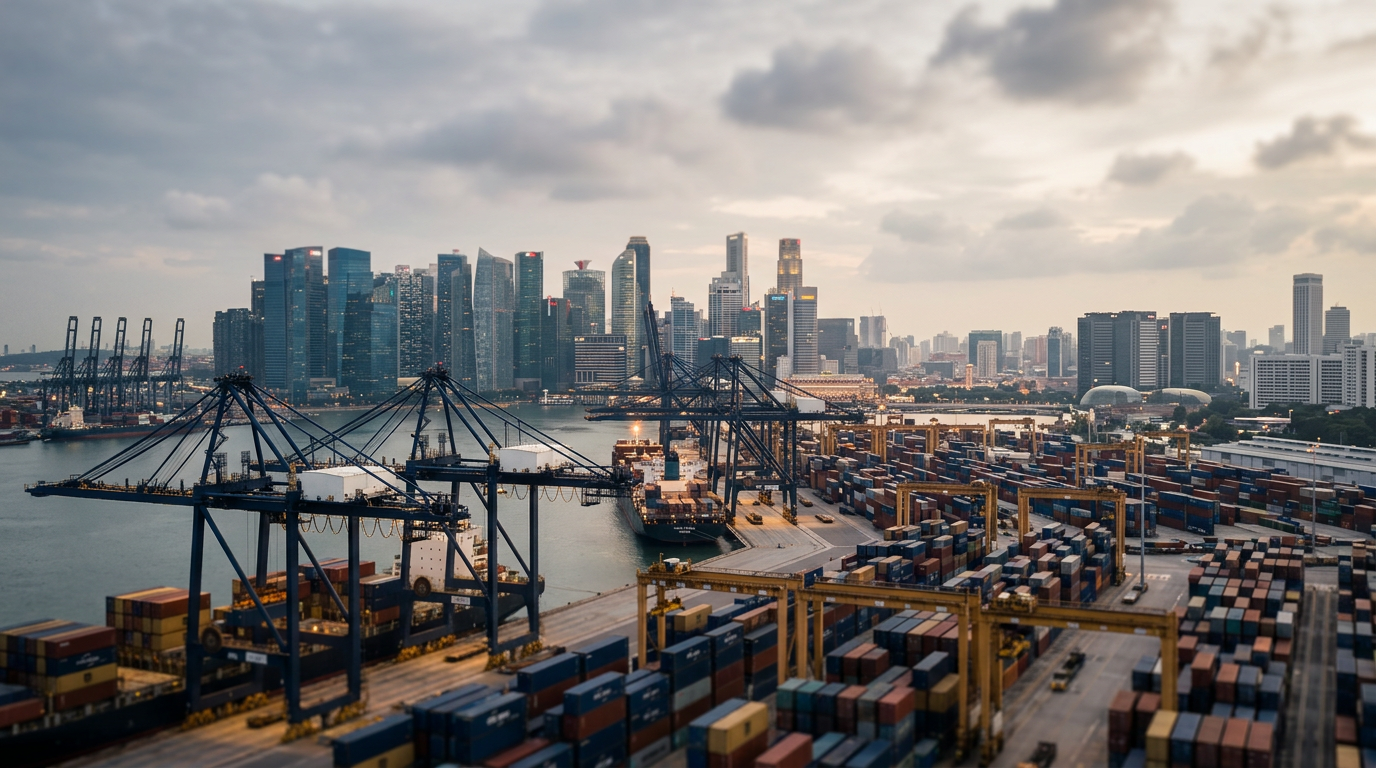 Singapore
, not scale, is still the model for ASEAN FDI
FDI announcements travel quickly. Realised flows depend on the slower work of land, permits, power and talent reaching the ground.
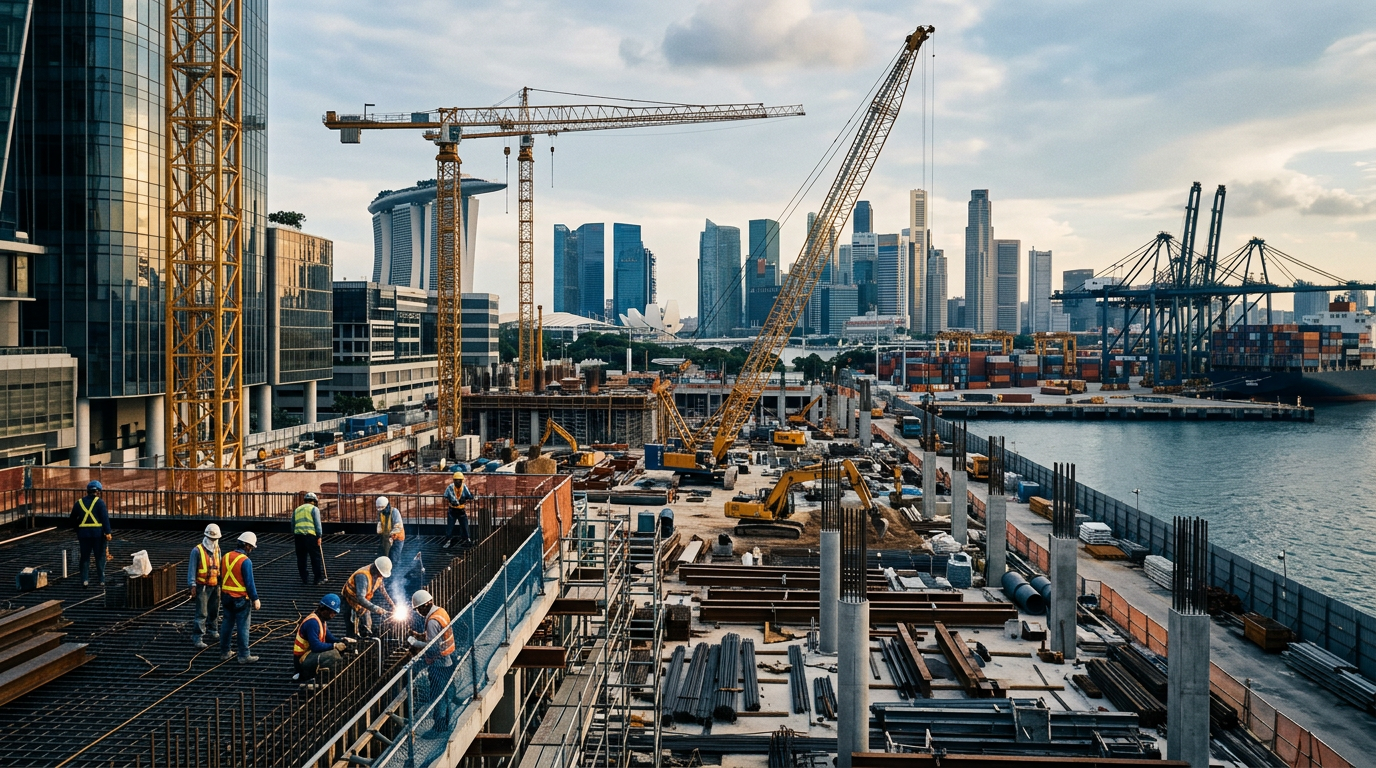 Singapore
Beyond the Deal: FDI and the Hard Work of Building
FDI pledges are only the first step. The real measure of success is turning those announcements into tangible assets through the slower work of improving institutions and developing talent.
 Singapore
: Execution Over Scale
A major property investment by a Thai billionaire in Singapore is a reminder that successful FDI is about more than just market size. Execution, institutions, and trust are what turn announcements into assets.
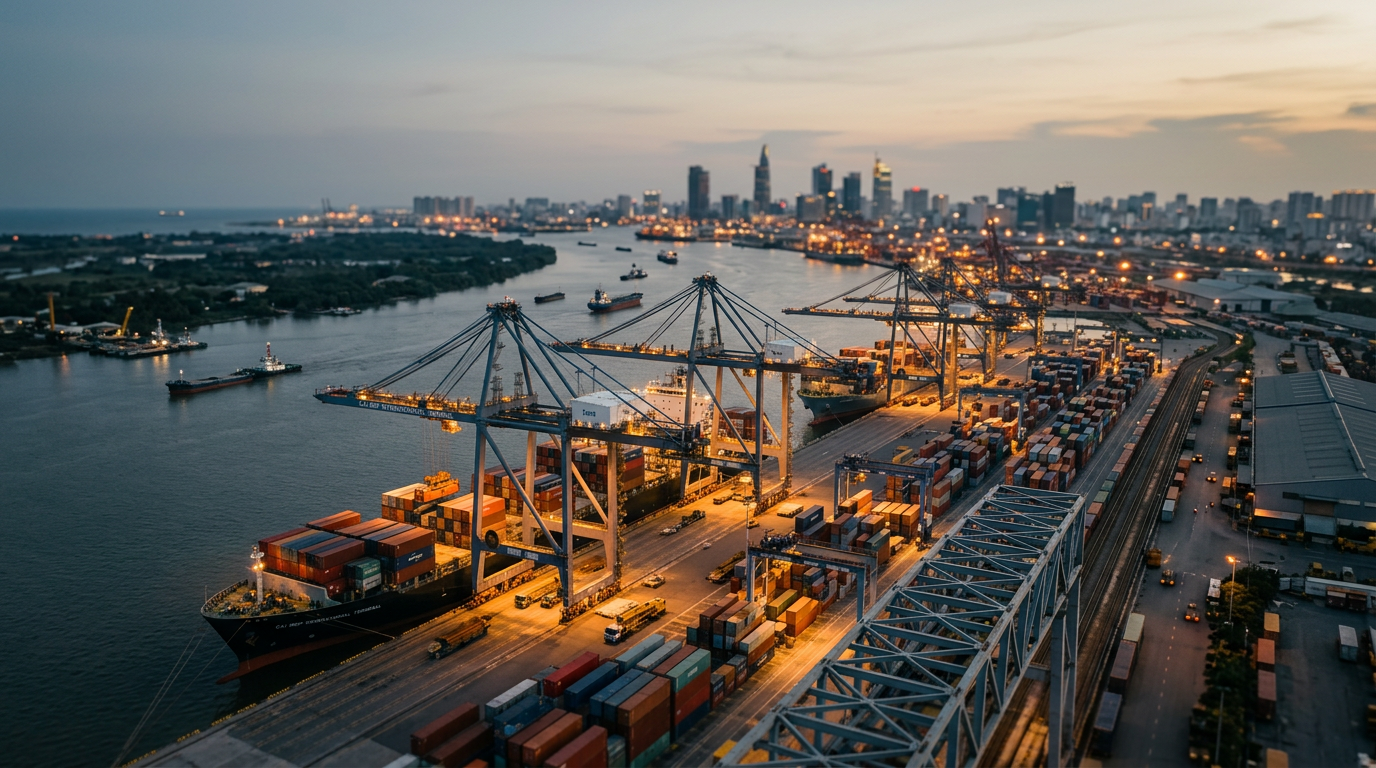 Vietnam
Beyond the Headlines: Translating Vietnam's Wealth Growth into FDI
Vietnam's fast-growing cohort of ultra-rich individuals is a positive signal, but sustained foreign direct investment will depend on the country's ability to build out its institutional and physical infrastructure.
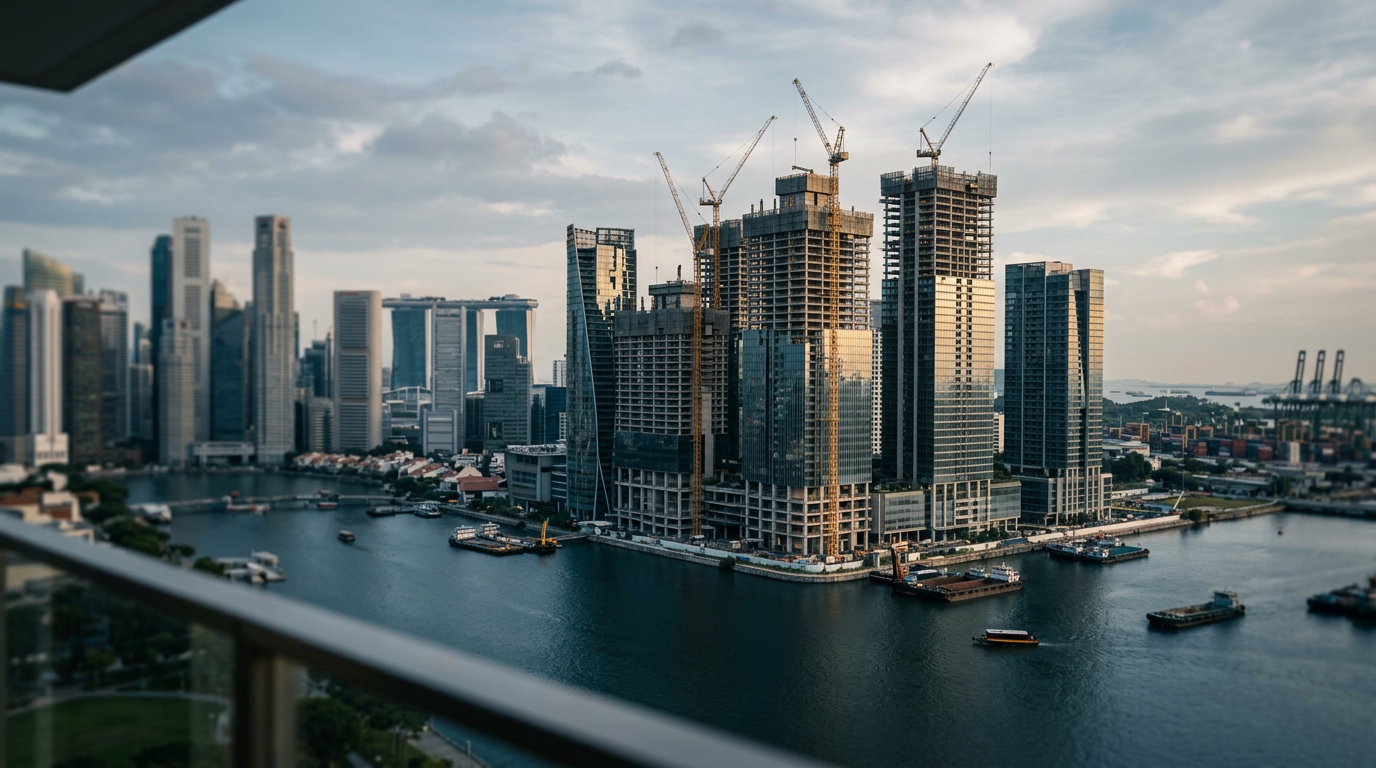 Singapore
, Thailand, and the Power of Predictability
The launch of a luxury mixed-use project in Singapore, backed by a prominent Thai billionaire, illustrates a core ASEAN theme: the quiet power of reliable institutions to attract and deploy long-term capital.
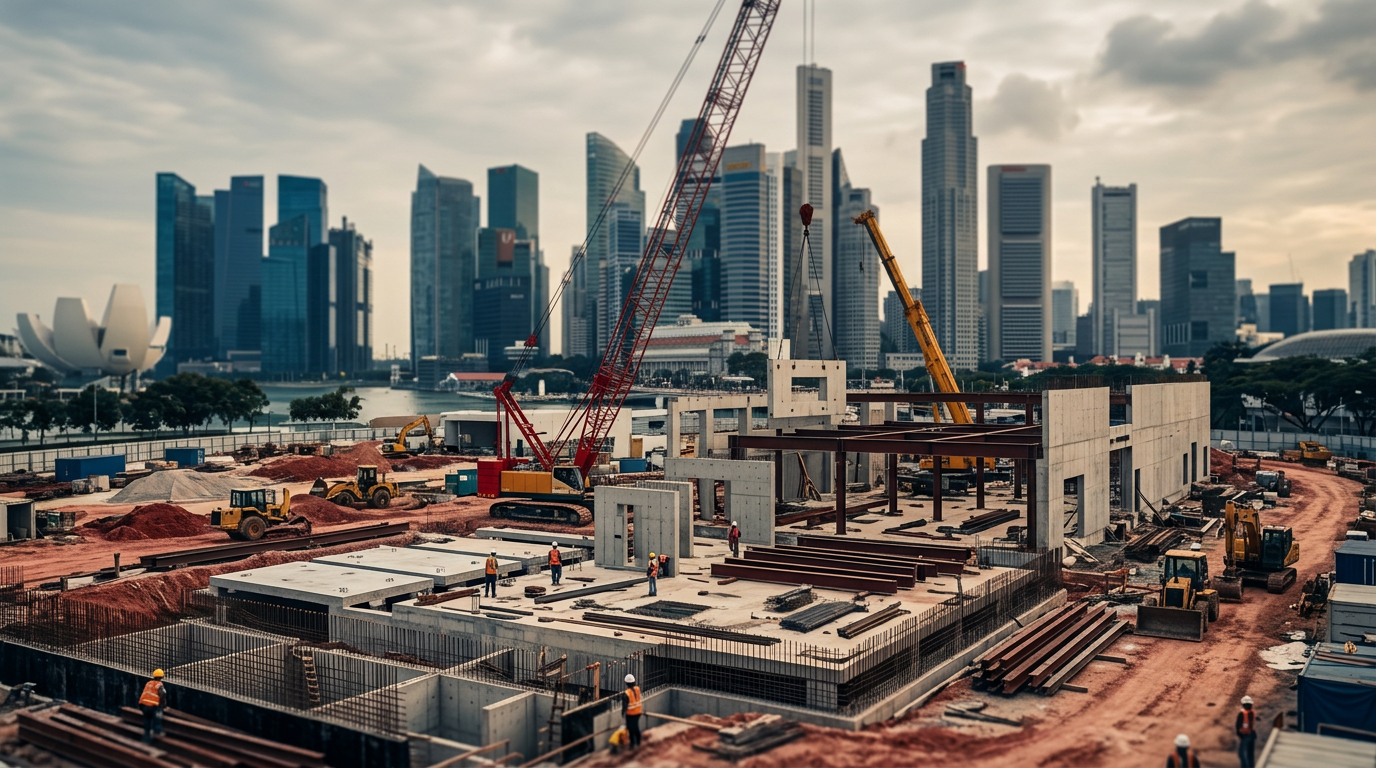 Singapore
Beyond the Deal: Capital Flows and Execution in ASEAN
FDI announcements travel quickly. Realised flows depend on the slower work of land, permits, power and talent reaching the ground. Singapore and Thailand show the way.
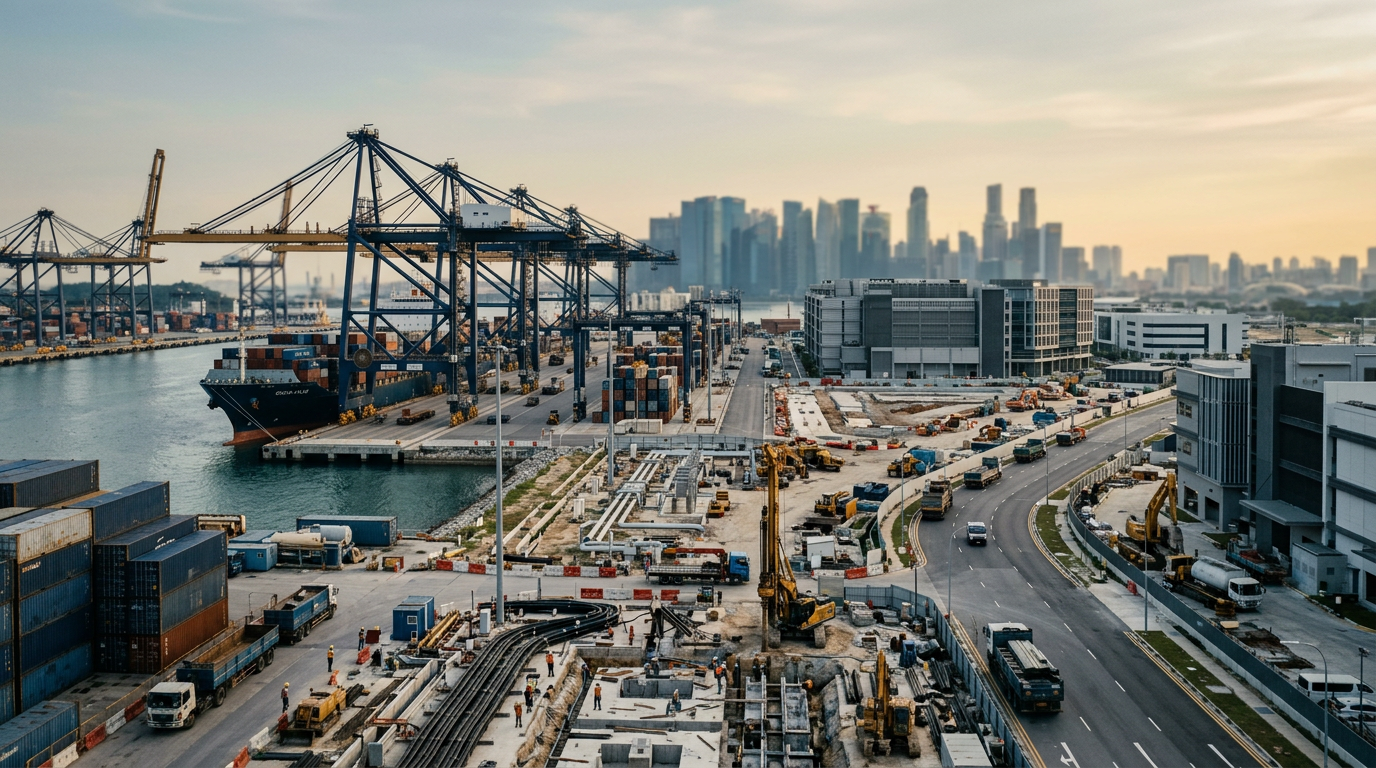 Singapore
, Not Just a Safe Harbour
FDI announcements travel quickly. Realised flows depend on the slower work of land, permits, power and talent reaching the ground.
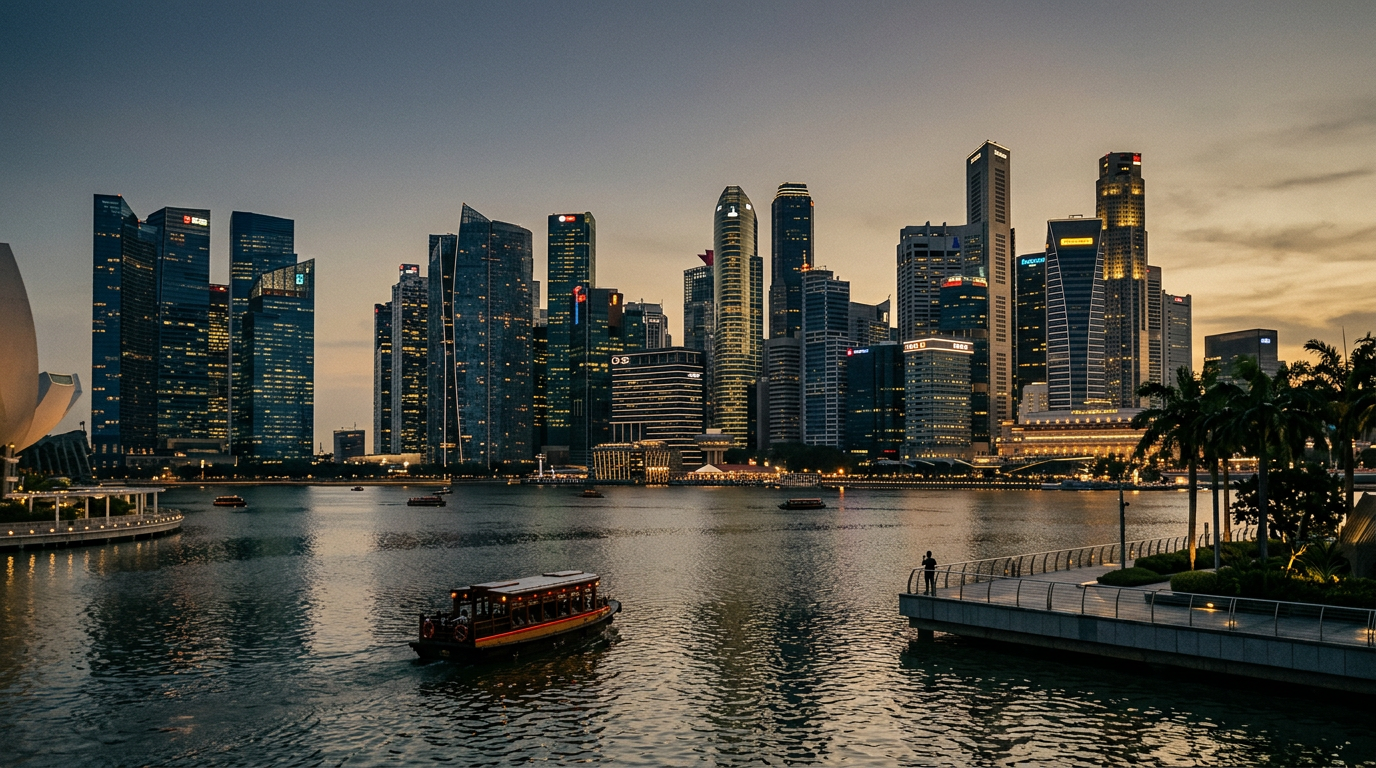 Singapore
's Open FDI Stance Attracts Thai Capital
A high-profile real estate investment from a Thai conglomerate into Singapore highlights the city-state's durable appeal, which is built on institutional quality and a predictable, open business environment.
 Vietnam
's Private Capital Surge Tests Institutional Capacity
A rapid rise in private wealth is a positive indicator for Vietnam, but channeling this new capital into productive, long-term national assets requires robust institutional and regulatory frameworks.
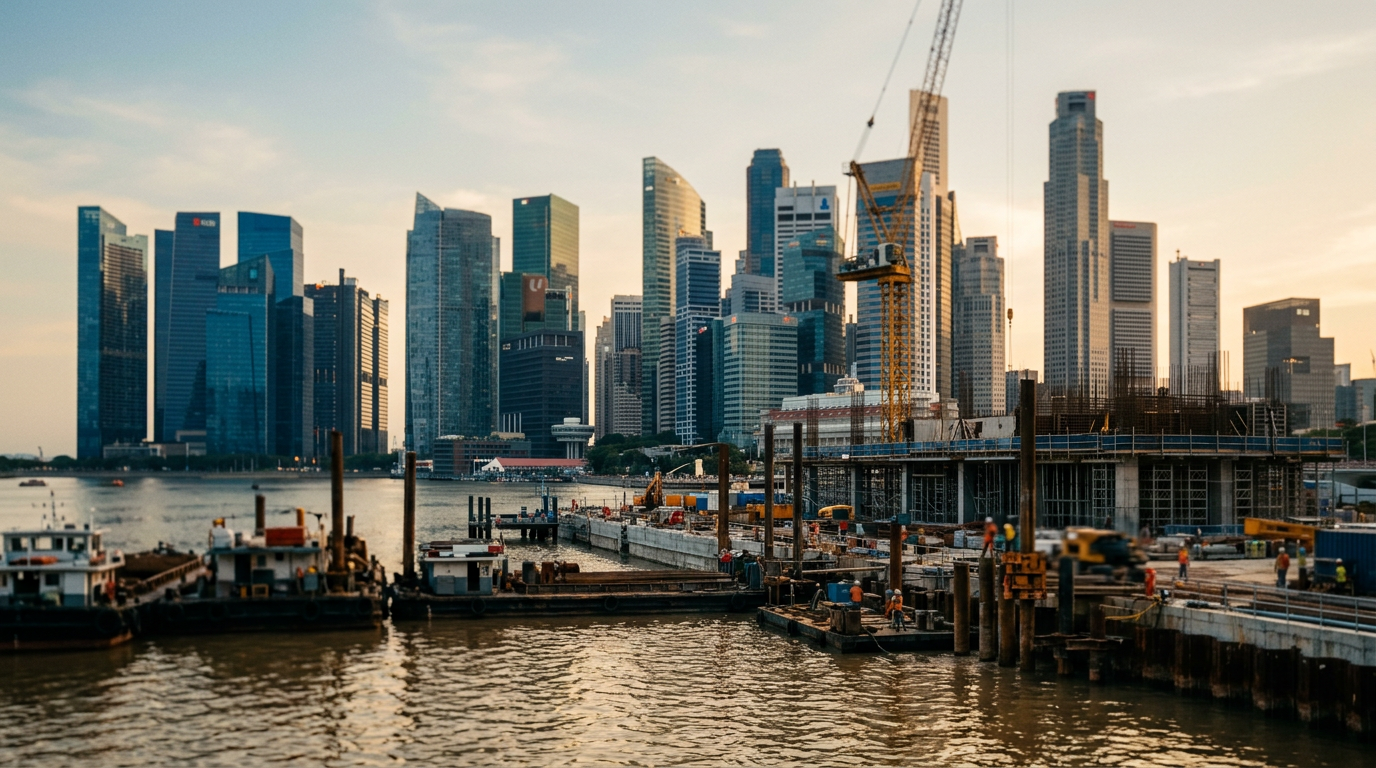 Singapore
 Draws Thai Capital for Waterfront Development
A new luxury mixed-use project on the Singapore River, backed by a prominent Thai investor, shows how the city-state's institutional quality continues to attract foreign capital.
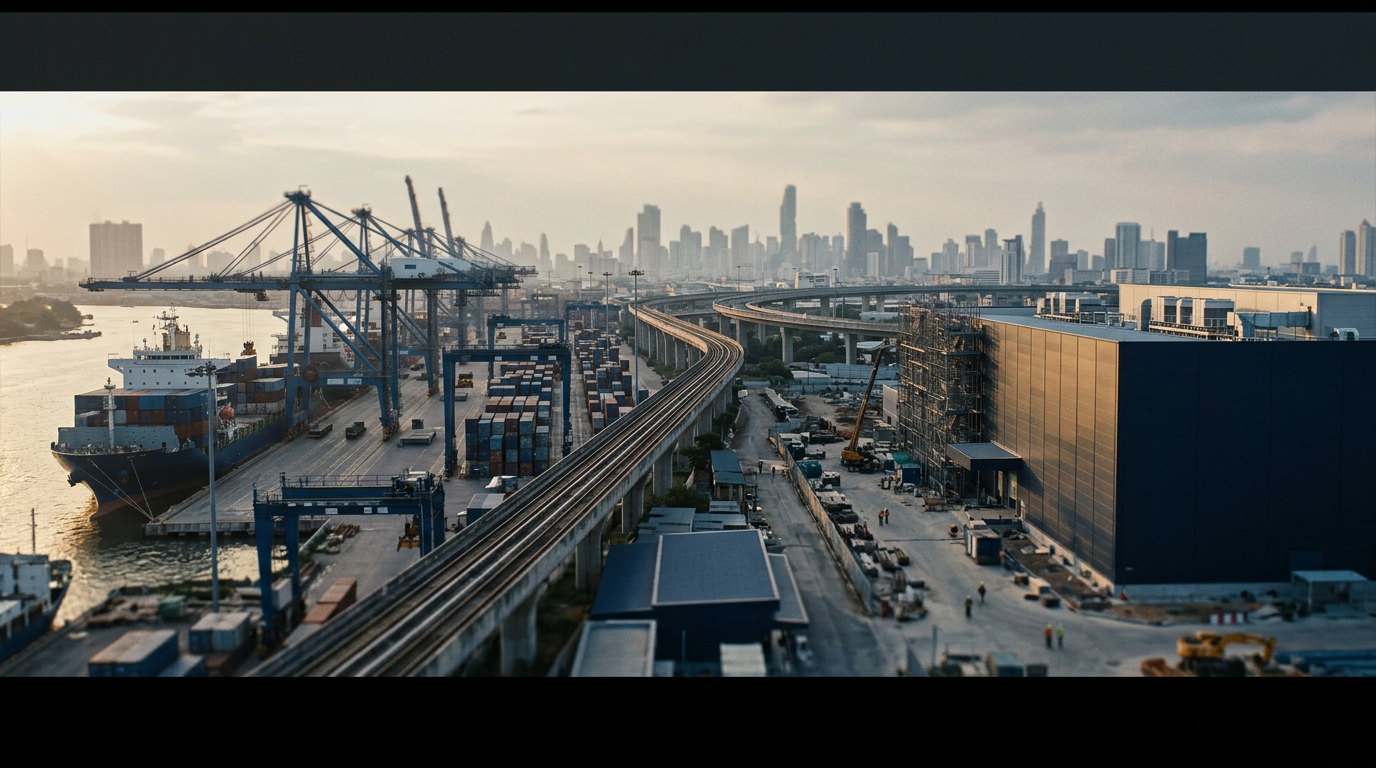 Thailand
's Semiconductor Ambitions Test ASEAN's FDI Execution Gap
Announced foreign direct investment is one thing; realised investment is another. Thailand's push to become a semiconductor hub shows how turning promises into projects requires deep institutional capacity.
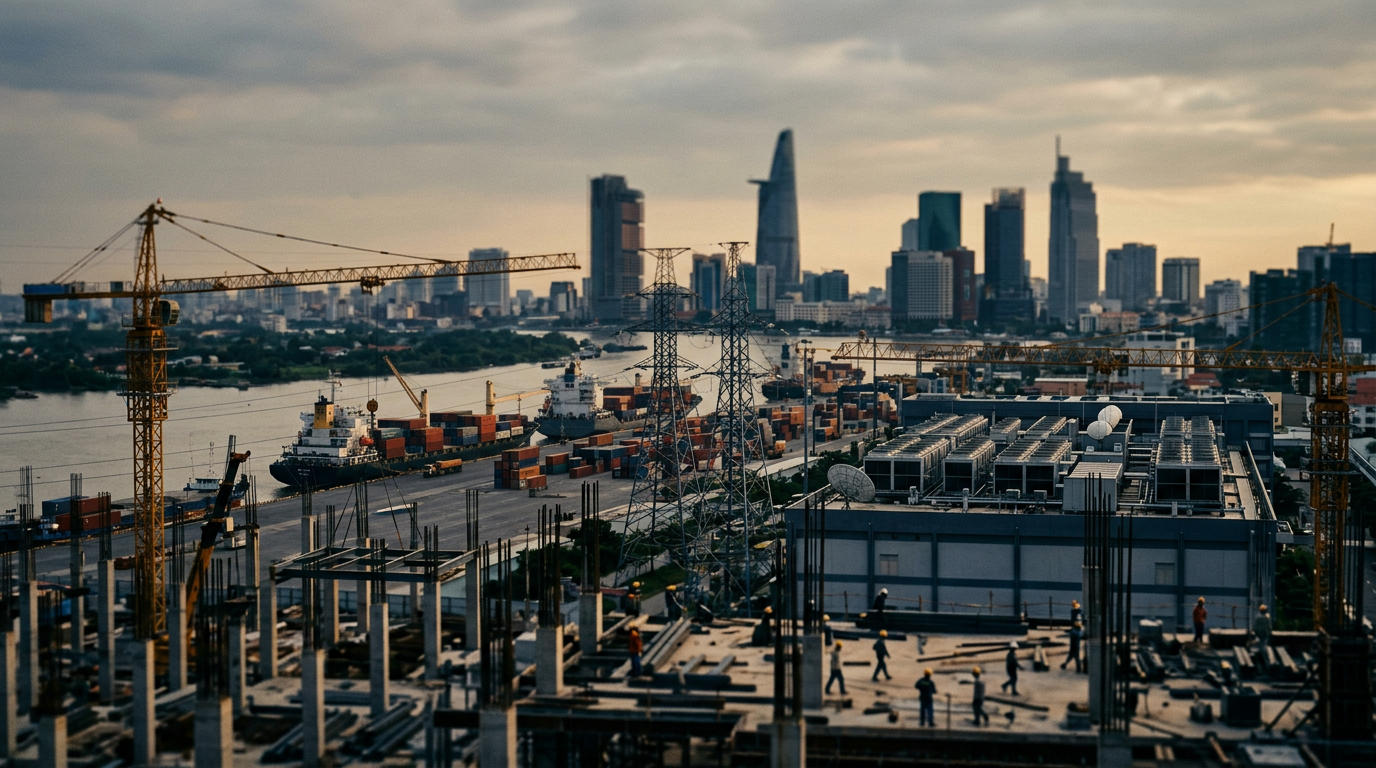 Vietnam
's Tech Ambitions Test Its Talent and Infrastructure
Vietnam is attracting significant interest from technology investors. However, turning this interest into realised investment will depend on developing a skilled workforce and improving infrastructure.
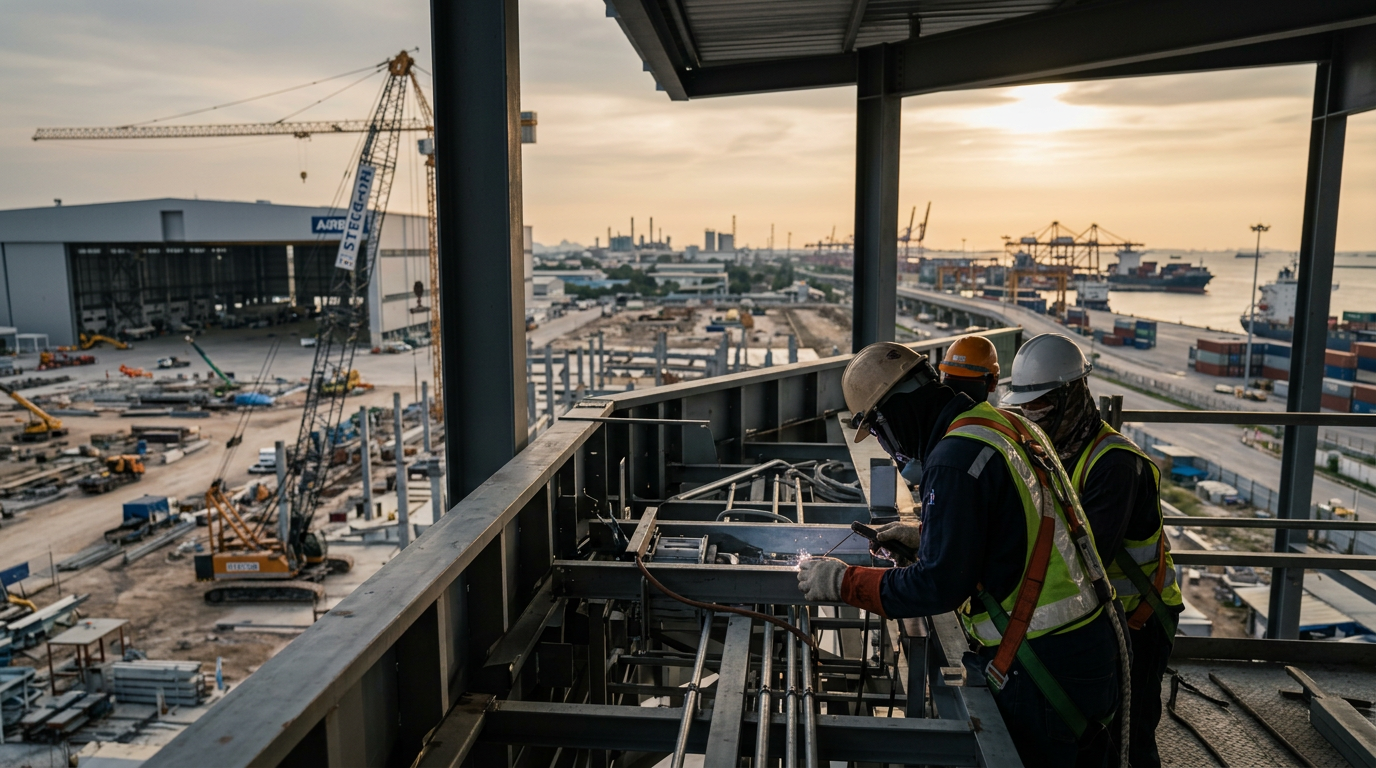 Thailand
Airbus, Thailand, and the Challenge of Deep Investment
Foreign investment pledges are one thing. Turning them into reality requires a lot of patient, on-the-ground work.
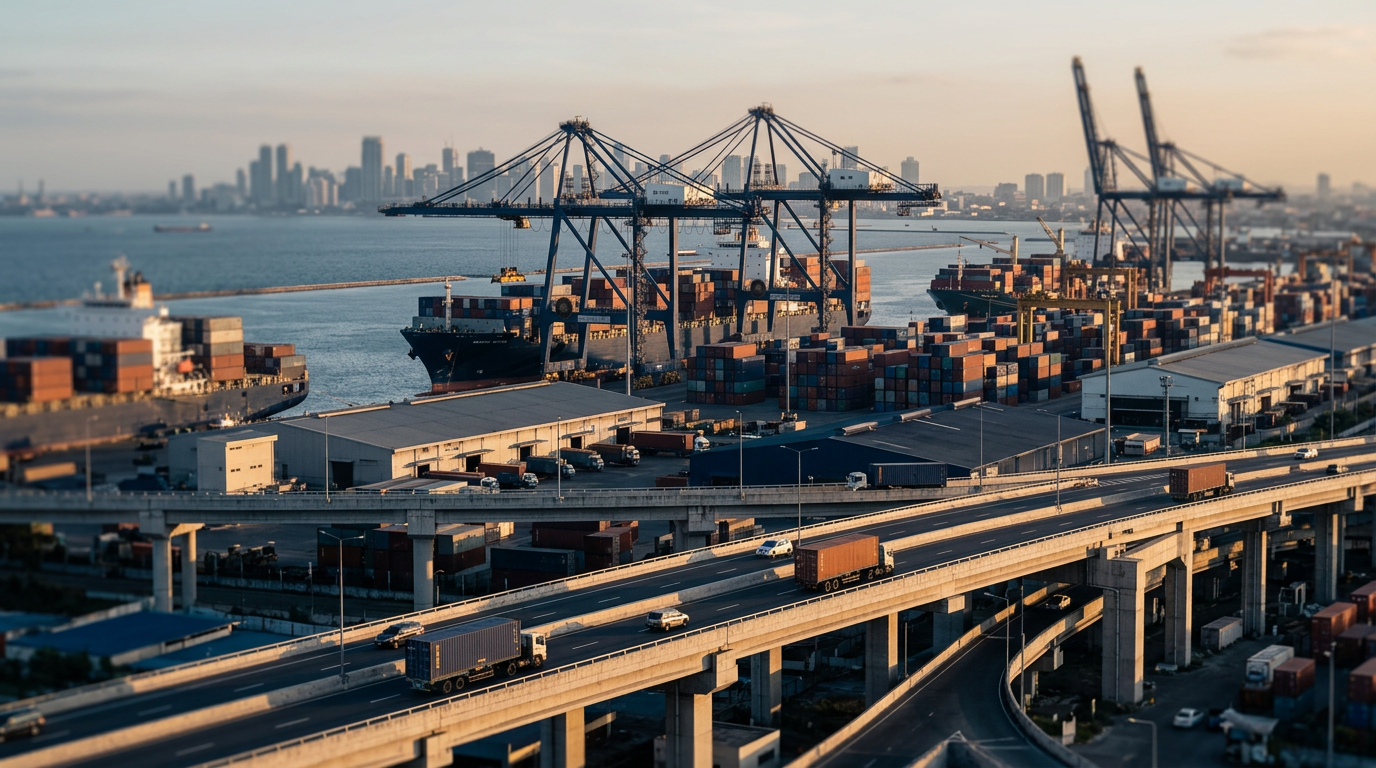 Philippines
Philippine Tourism: From Accolades to Assets
An award for a major hotel group is a positive signal. But converting tourism acclaim into durable economic growth requires a focus on institutions, infrastructure, and execution.
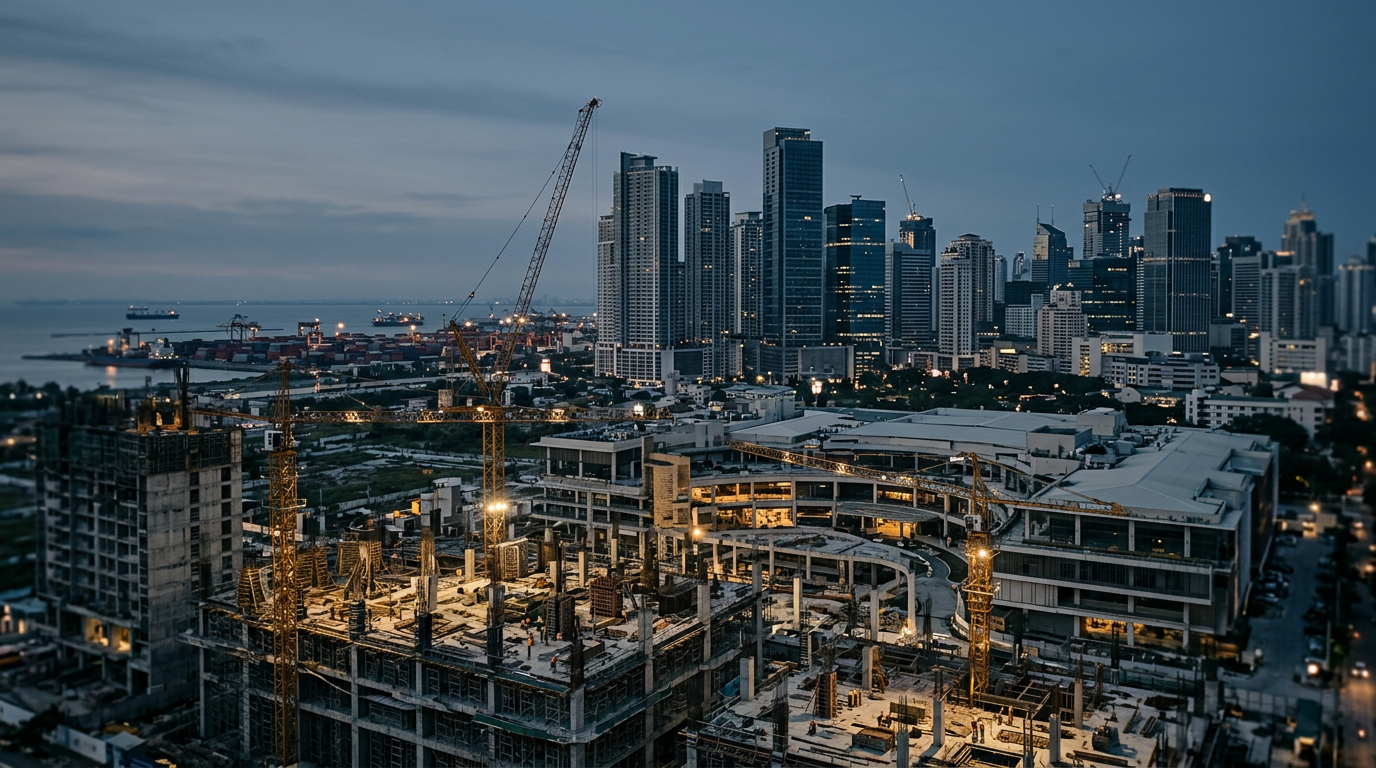 Philippines
: Hospitality Accolades Meet Investment Realities
The Philippine hospitality sector is winning awards, but the larger test is turning this into sustained, deep investment flows.
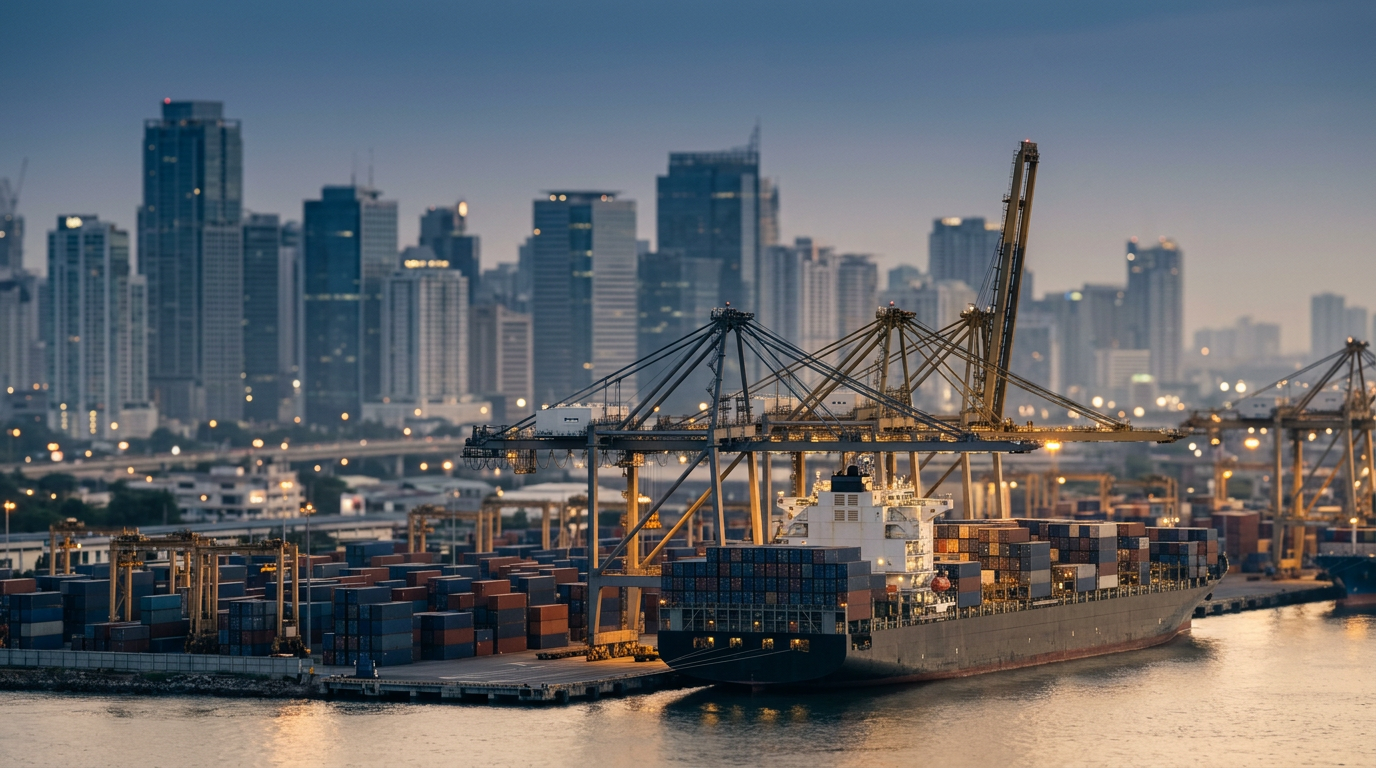 Philippines
The Philippines' Hospitality Win and the FDI Test
The Philippines' Robinsons Hotels and Resorts was named the country's Leading Hotel Group, a welcome sign for its tourism sector. But turning awards into durable foreign investment requires strengthening the institutional capacity to deliver.
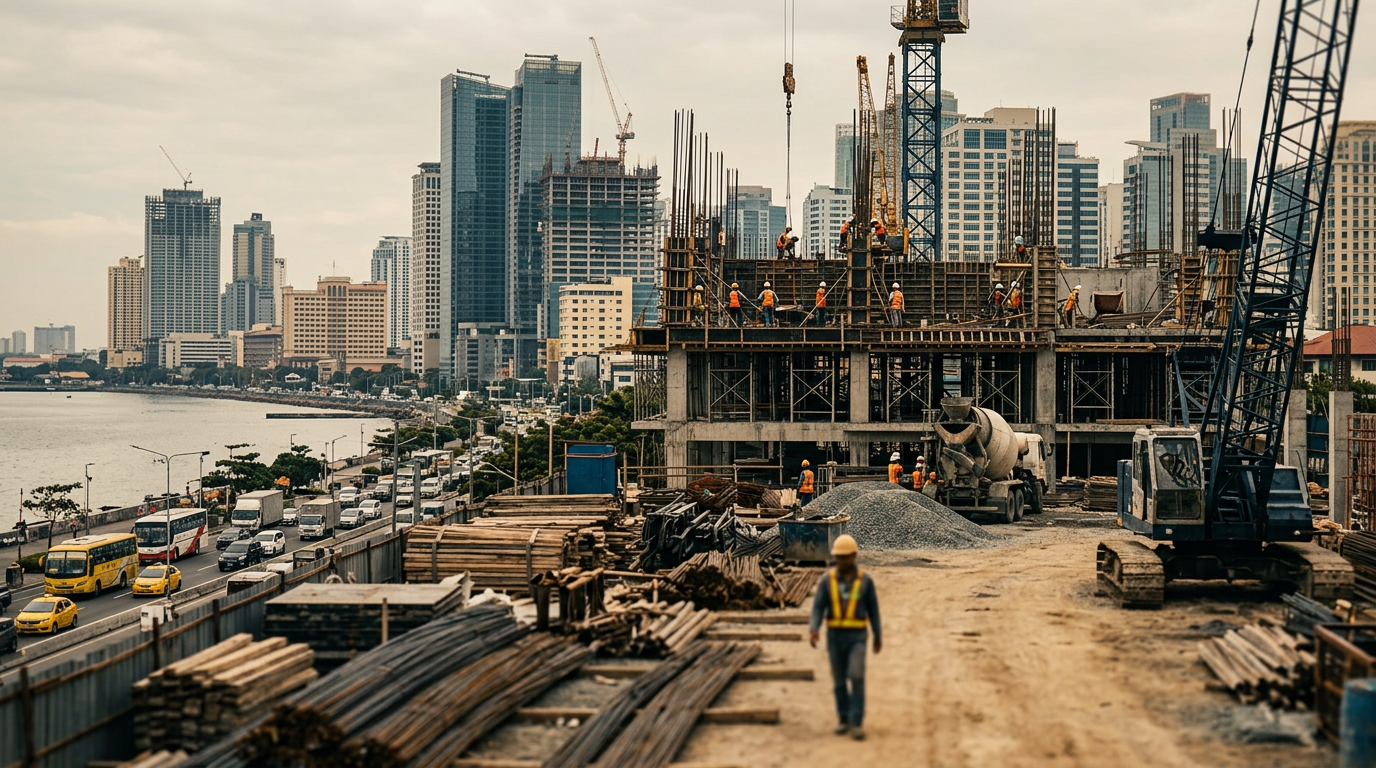 Philippines
Tourist Arrivals and Philippine Hotel Investment
Tourist arrivals are up, but hotel investment faces familiar headwinds. Turning tourist numbers into investable hotel properties requires land, permits, power, and talent.
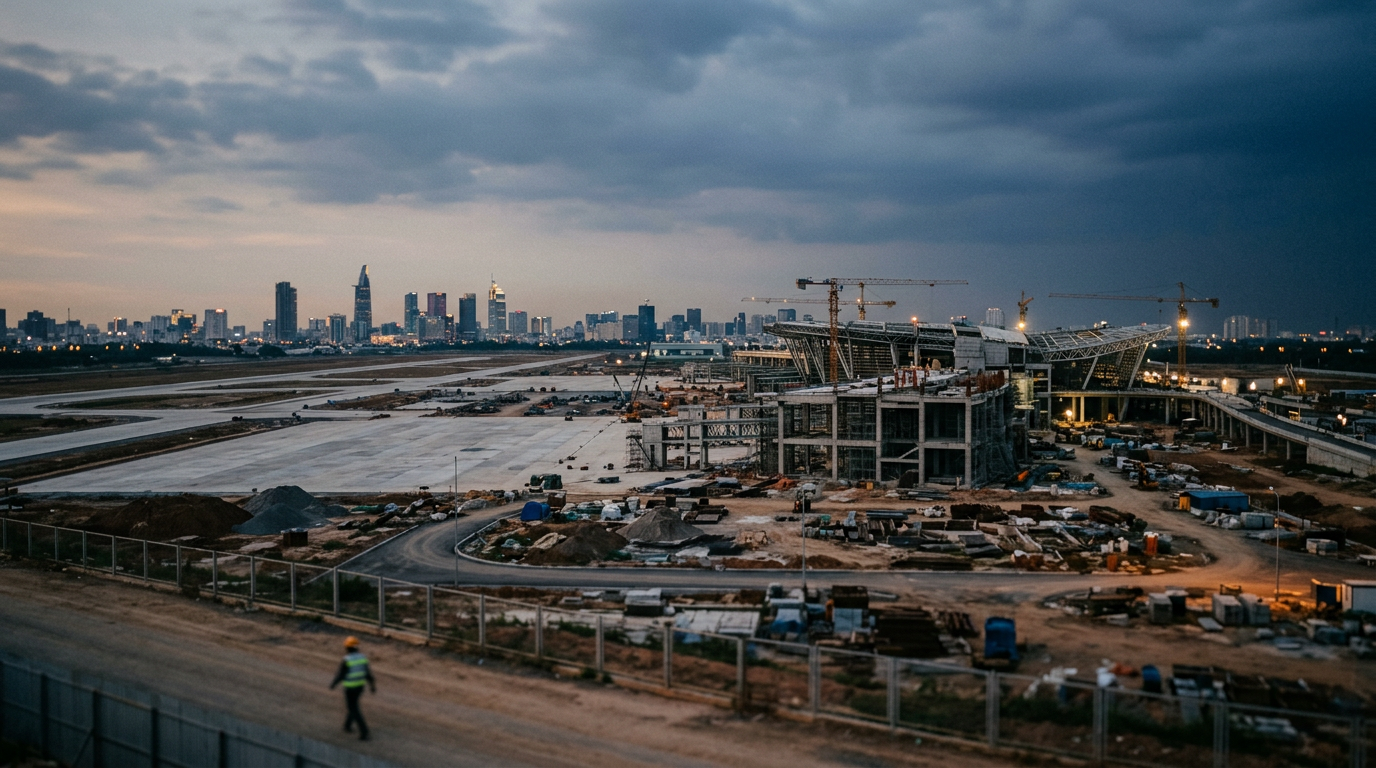 Vietnam
's Delayed Airport is a Costly Lesson in State Capacity
The new international airport in Ho Chi Minh City is a needed infrastructure upgrade, but its delays highlight a deeper challenge for Vietnam: the institutional capacity to deliver complex projects on time.
 Vietnam
's High-Tech FDI Ambitions Meet a Talent Bottleneck
FDI announcements travel quickly. Realised flows depend on the slower work of land, permits, power and talent reaching the ground. For Vietnam, the talent gap is now the primary constraint on its high-tech ambitions.
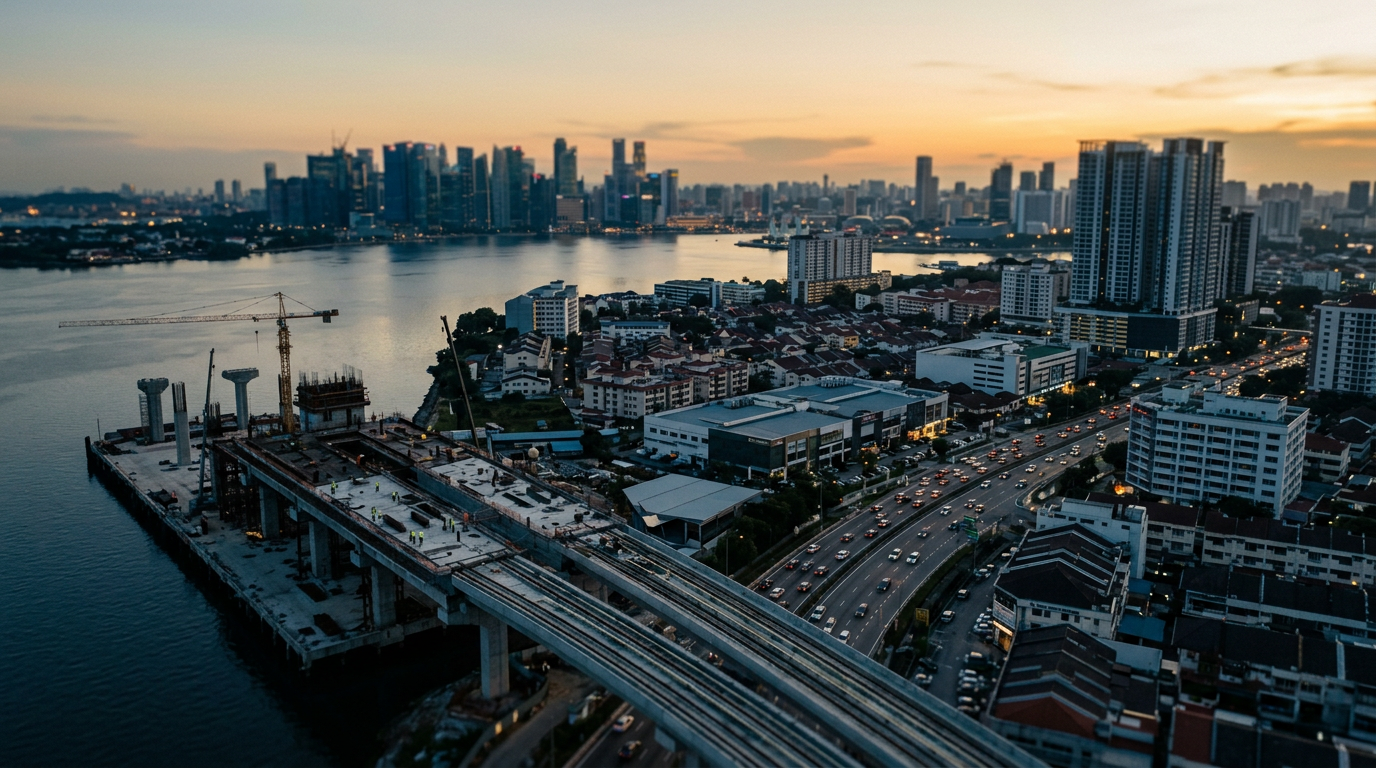 Malaysia
 Delays, Singapore Dollars
The delay of the Johor Bahru-Singapore RTS Link highlights the persistent gap between investment announcements and on-the-ground execution in Southeast Asia.
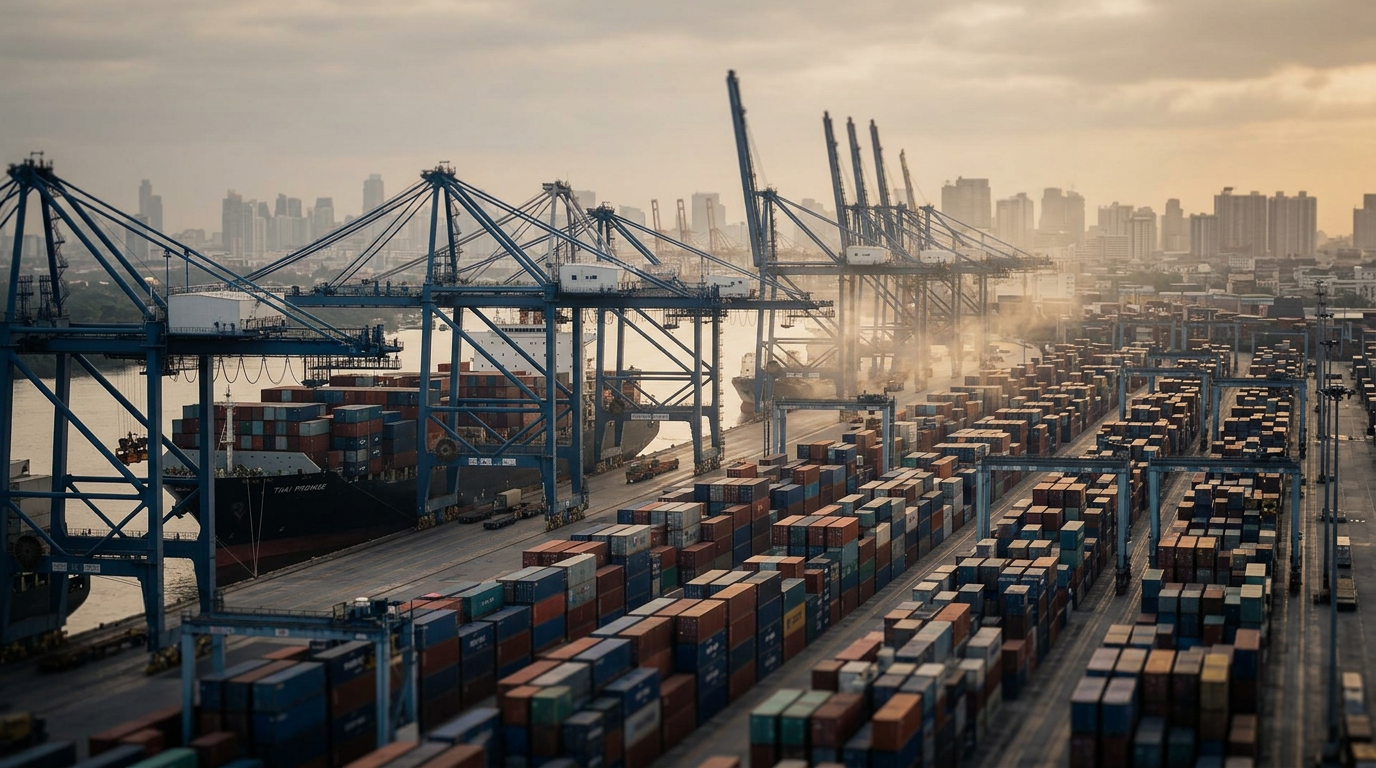 Thailand
: Beyond the Semiconductor Hype
Announcements are easy, but execution is hard. Thailand's push into the semiconductor industry depends on the slower work of building the infrastructure and talent to support it.
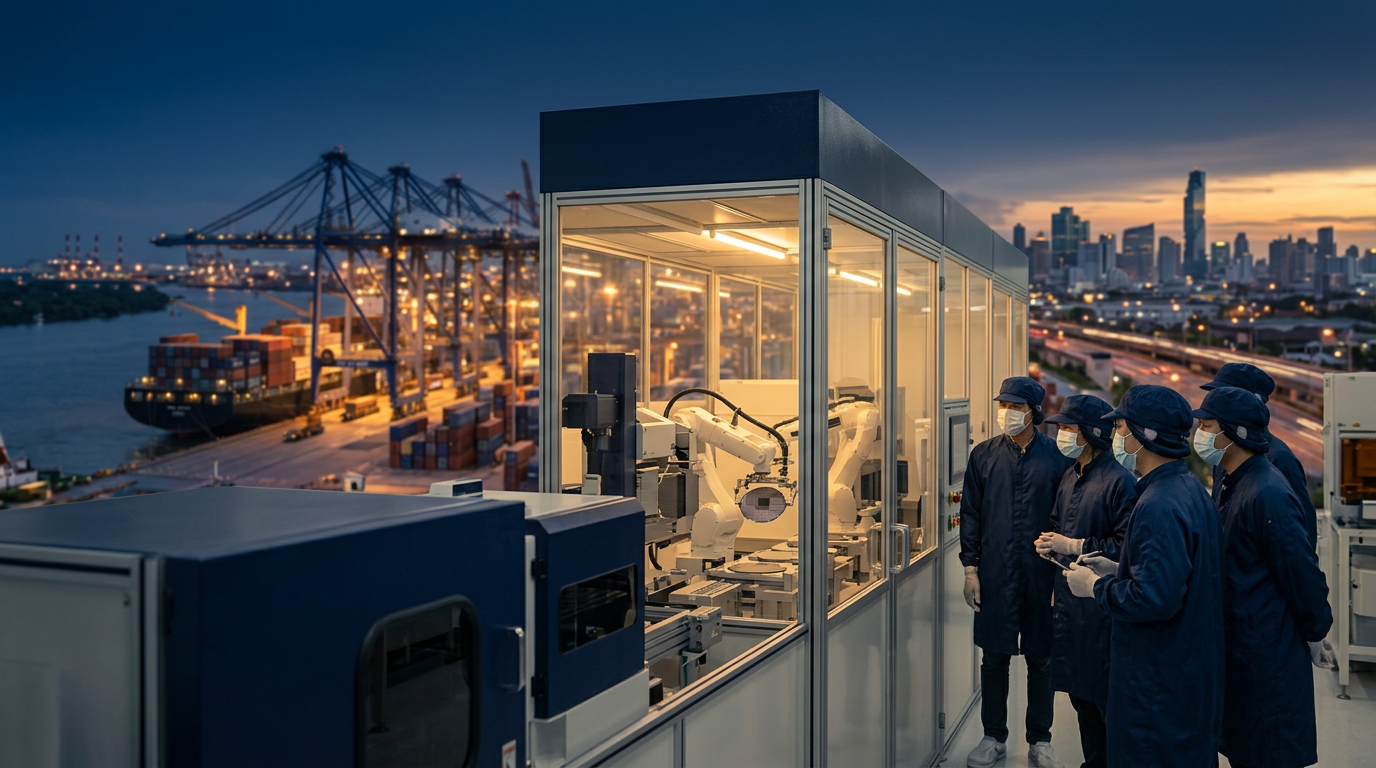 Thailand
: Beyond the FDI Announcement
Thailand is making a serious bid to become a regional semiconductor hub, but the real work begins after the press releases. Scale matters only when institutions can turn it into investable depth.
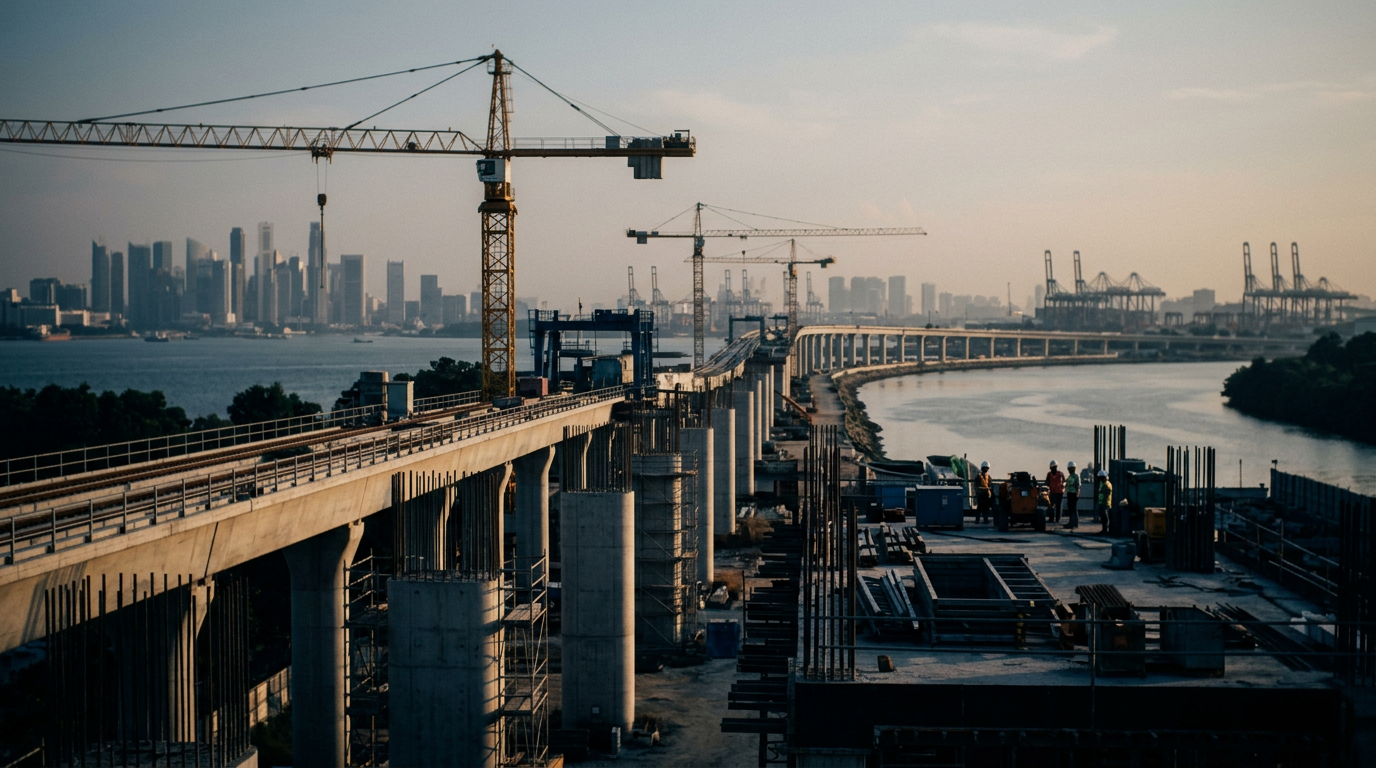 Malaysia
's RTS Link Delay Highlights the Governance Gap
The delay in the Johor Bahru-Singapore rail link shows that announcements are easy, but execution is hard.
 Thailand
: Beyond the FDI Announcement
FDI headlines are easy. Execution on industrial policy is harder. Thailand's semiconductor ambitions depend on getting the details right.
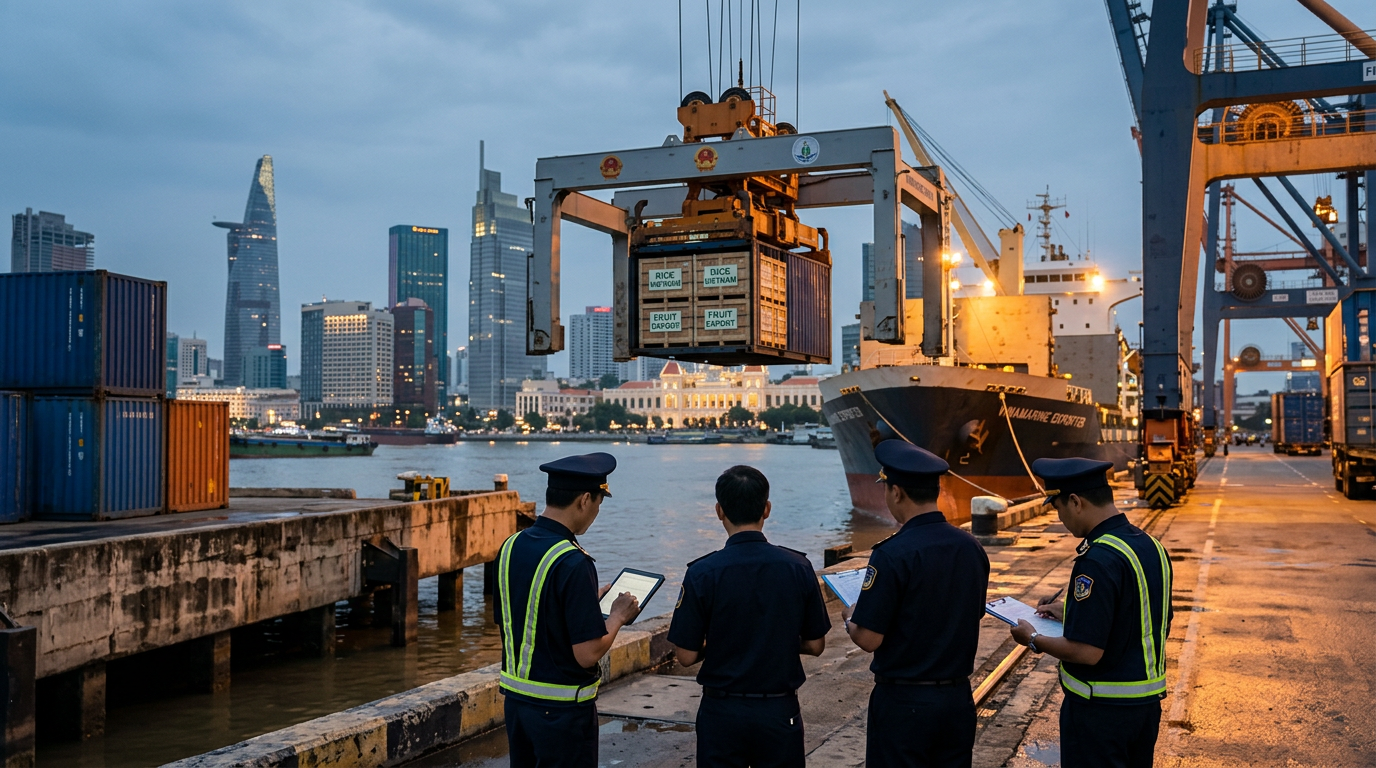 Vietnam
's Agri-Export Ambitions Depend on Institutional Depth
Vietnam's ambitious agricultural export targets for the end of 2026 highlight the critical link between investment announcements and the on-the-ground reality of institutional execution.
 Thailand
 Port Upgrades Test Institutional Capacity
To absorb new investment in ports and logistics, Thailand will need to match its ambitions with world-class institutional execution.
 Thailand
 courts Maersk for port expansion
Thailand is courting Maersk to expand Laem Chabang port. Success will depend on turning ambition into execution.
 Thailand
, Maersk, and the FDI Litmus Test
Thailand is courting Maersk for a landmark port investment, but turning this interest into reality will depend on the hard work of matching capital to infrastructure and talent.
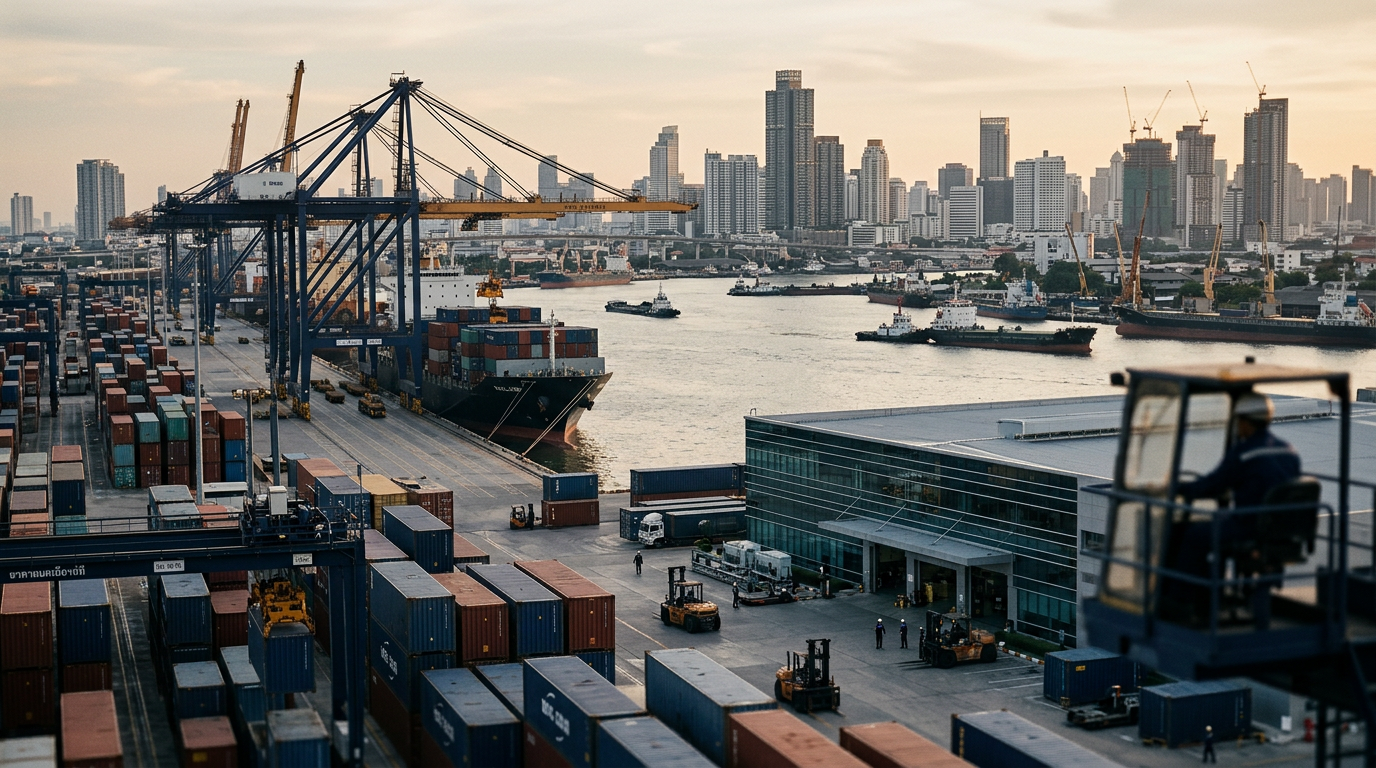 Thailand
's Electronics Surge Tests Its Institutional Capacity
Thailand's manufacturing production index rose in August, driven by global demand for electronics. This growth puts the focus on the country's ability to translate foreign direct investment announcements into tangible projects through institutional execution.
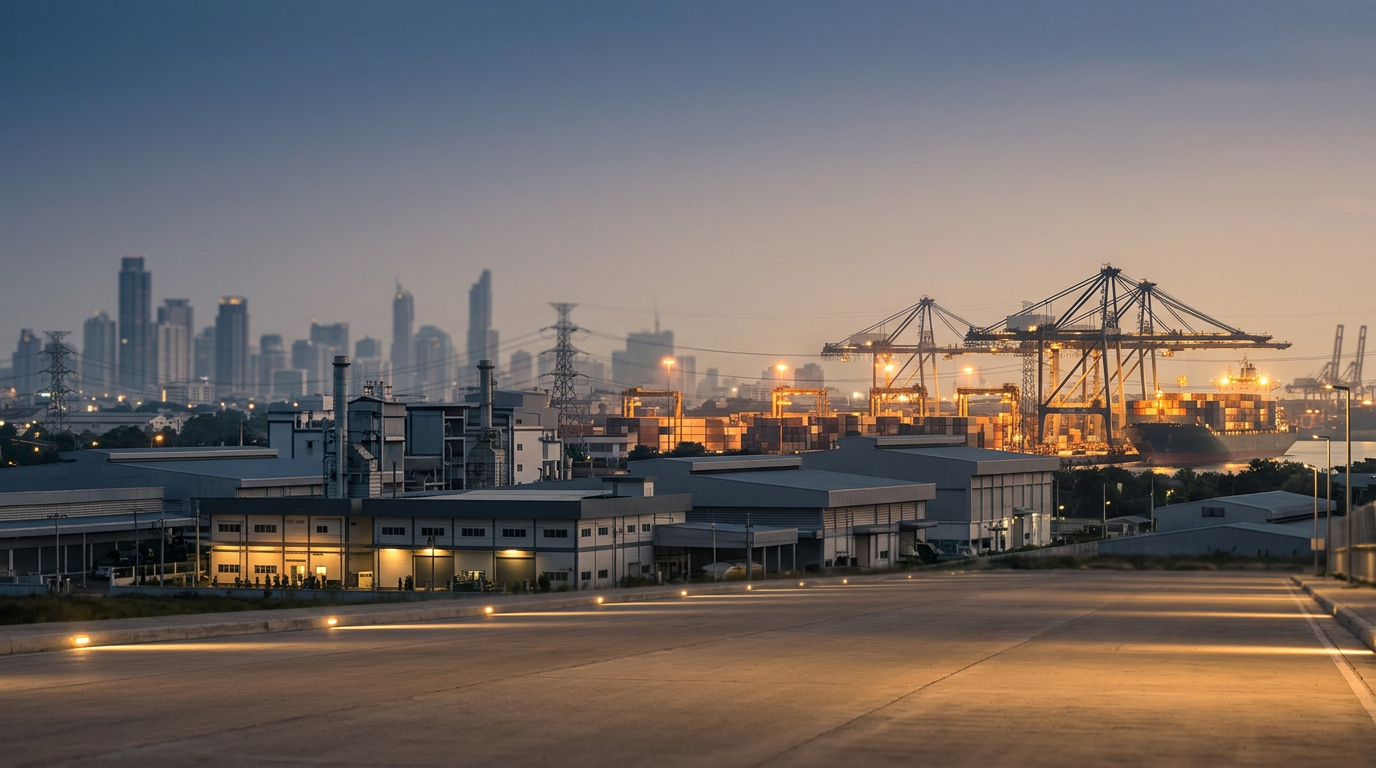 Thailand
 Speeds Up FDI Approvals. What Happens Next?
Thailand is accelerating regulatory approvals for major industrial projects. Execution on land, power, and talent will determine if announced FDI becomes realised investment.
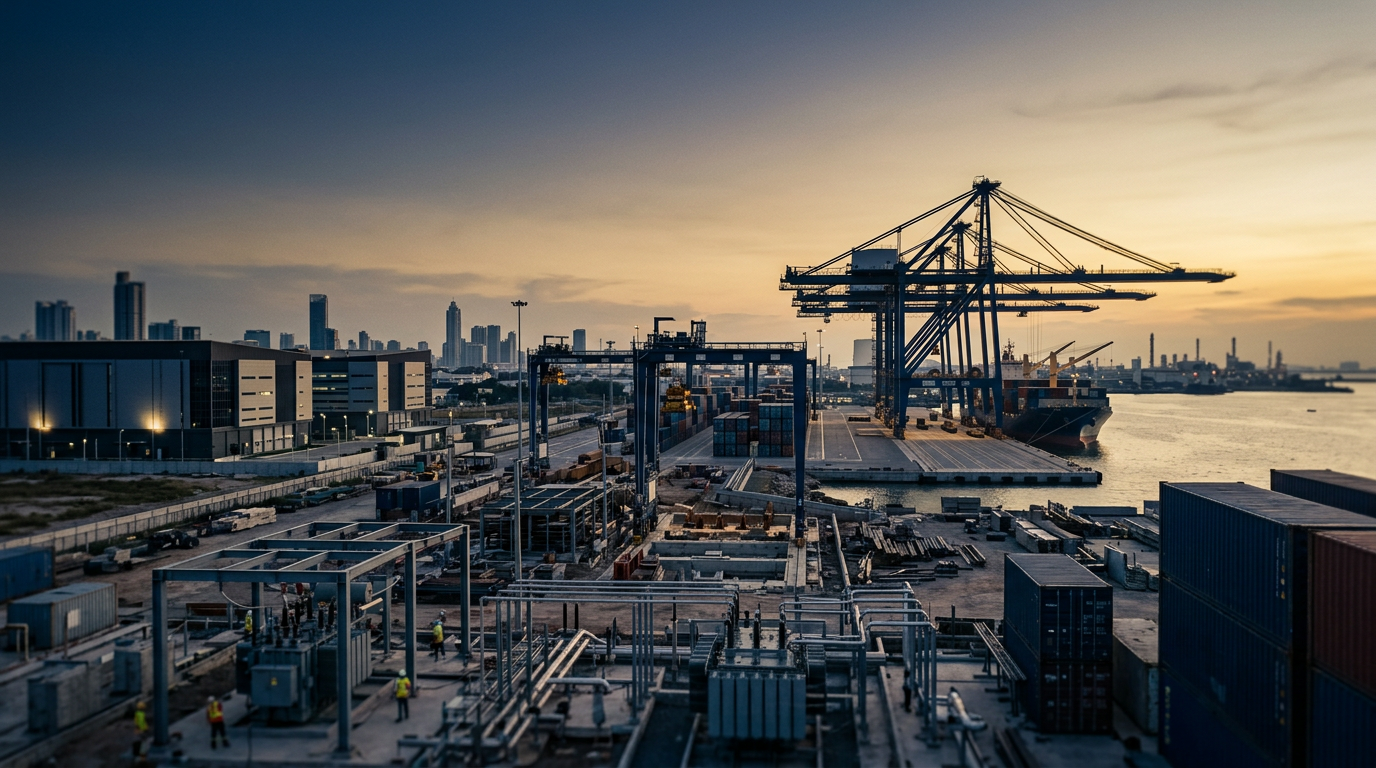 Thailand
 Bets on Execution to Win FDI Race
FDI announcements travel quickly. Realised flows depend on the slower work of land, permits, power and talent reaching the ground. Can Thailand deliver?
 Thailand
 Bets on Execution to Win Foreign Investment
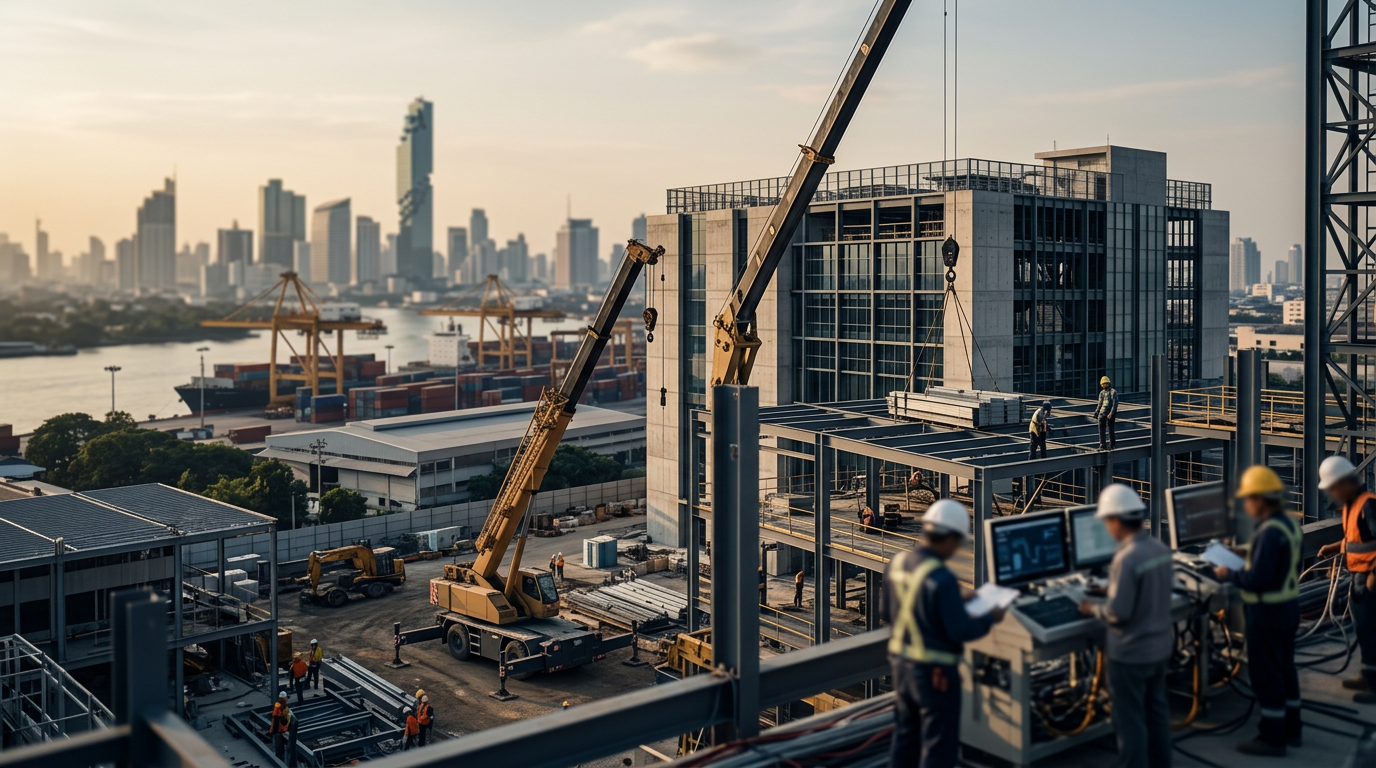
Thailand is fast-tracking regulatory approval for USD 3.66 billion in strategic industrial investment, a classic ASEAN contest where institutional execution, not just incentives, will determine the winner.
 Thailand
's FDI Push Tests Its Execution Capacity
Thailand is fast-tracking industrial investment and offering new tax incentives for tech IPOs, but its ability to translate policy into realised investment will depend on institutional capacity and follow-through.
 Thailand
's Industrial Push Tests Its Execution Capacity
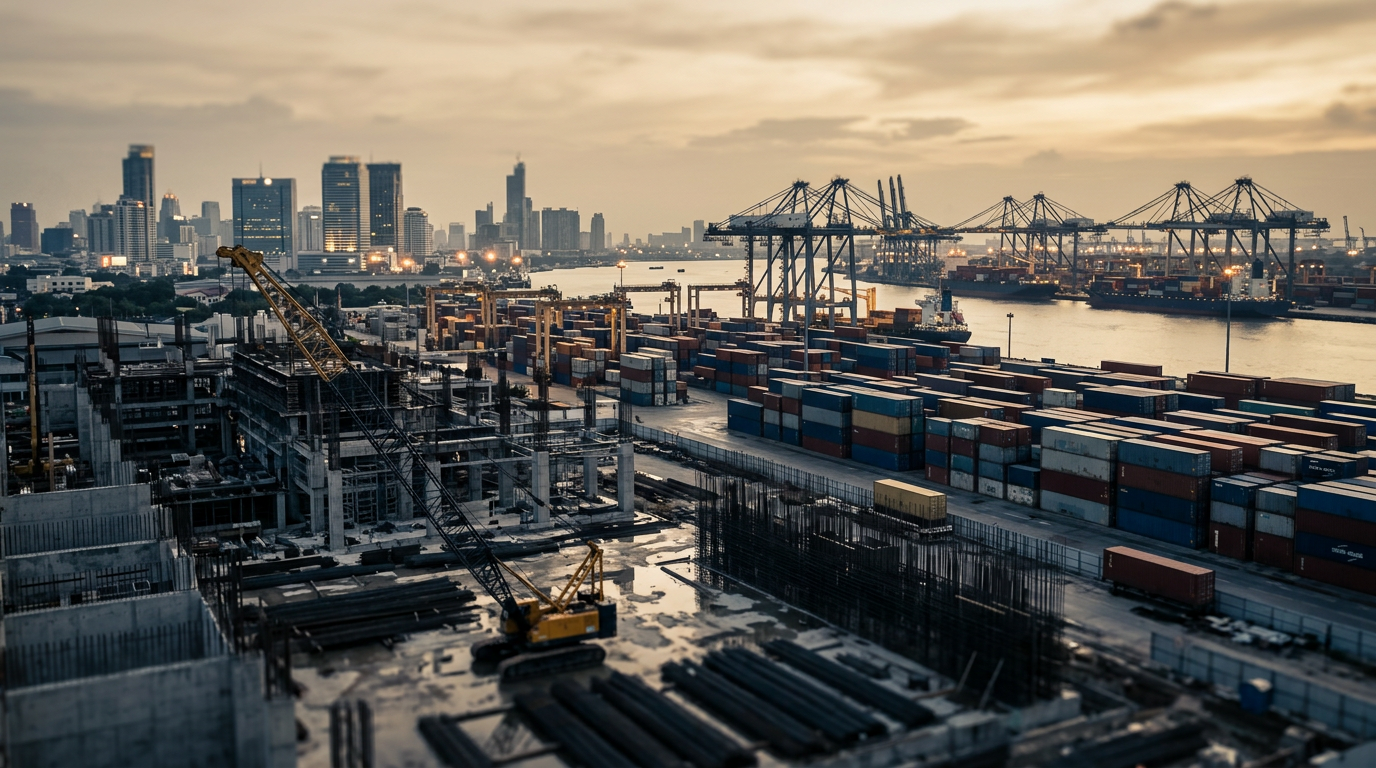
Thailand is fast-tracking regulatory approval for $3.66 billion in strategic industrial investment, a move that tests its institutional capacity to turn announcements into realised projects.
 Vietnam
's Tax Plan Tests Its Institutional Capacity
Vietnam is considering a tax overhaul to shift investment towards technology and R&D. While this is a positive signal for upgrading its economy, the real test lies in the execution and the capacity of its institutions to translate policy into tangible outcomes for local firms.
 Indonesia
From New York to Nusantara: Gulf Capital Meets Indonesian Institutions
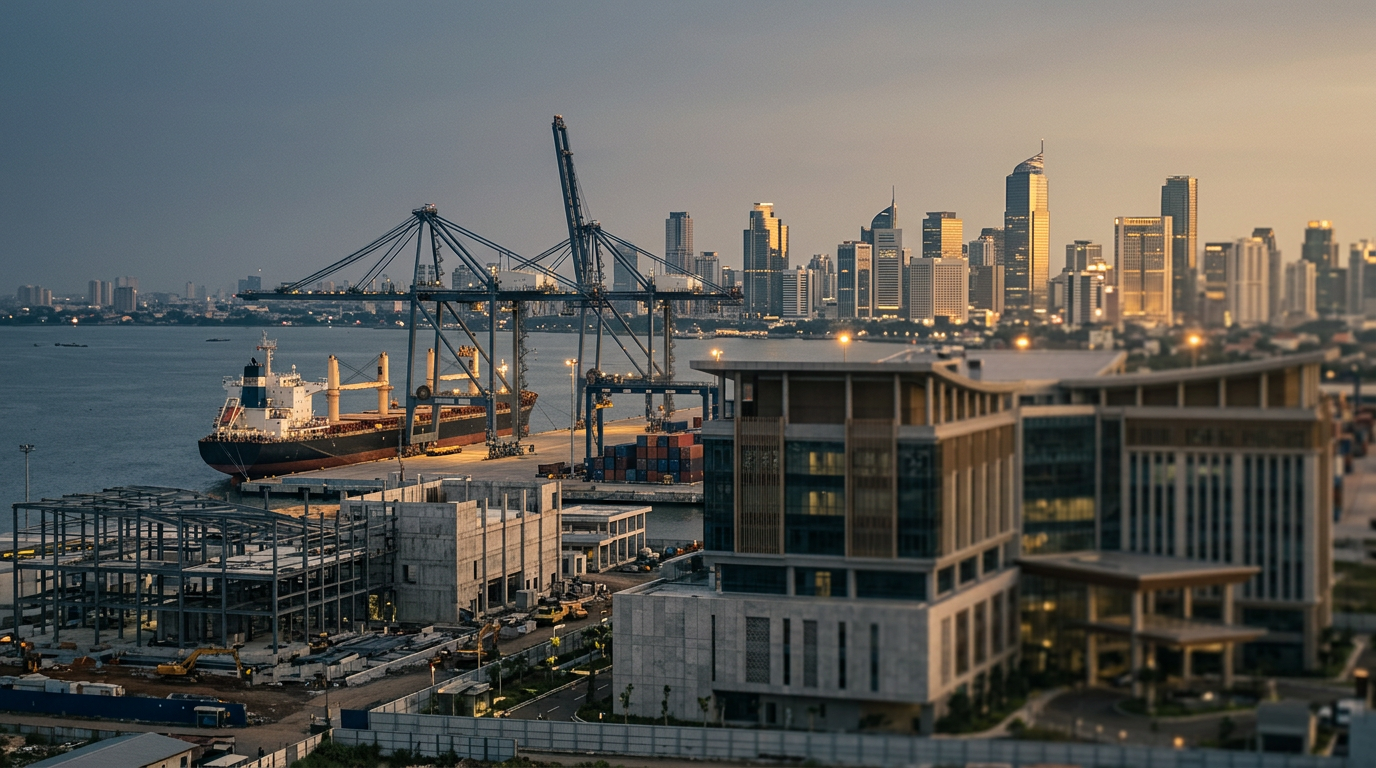
Foreign direct investment from the Gulf is welcome, but Indonesia's institutional capacity to absorb it is the decisive factor. Announcements travel at the speed of news, but capital flows at the speed of trust and execution.
 Vietnam
 Weighs Tax Changes To Deepen Its Supply Chain Role
Vietnam is considering a tax overhaul to help local firms integrate into global supply chains. Realised FDI flows depend on the slower work of turning policy into permits, power, and talent on the ground.