Thailand
Airbus, Thailand, and the Challenge of Deep Investment
Foreign investment pledges are one thing. Turning them into reality requires a lot of patient, on-the-ground work.
Thailand's Prime Minister Anutin Charnvirakul recently met with executives from Airbus to discuss expanding the company's investment and technology transfer in the country. According to the Bangkok Post, the talks centered on the development of sustainable aviation fuel (SAF) using Thai agricultural products. For Thailand, this represents a step toward a higher-value aviation sector and a greener economy. For Airbus, it is a chance to secure a supply chain for a fuel source that will be vital for the future of aviation.
From Announcement to Execution
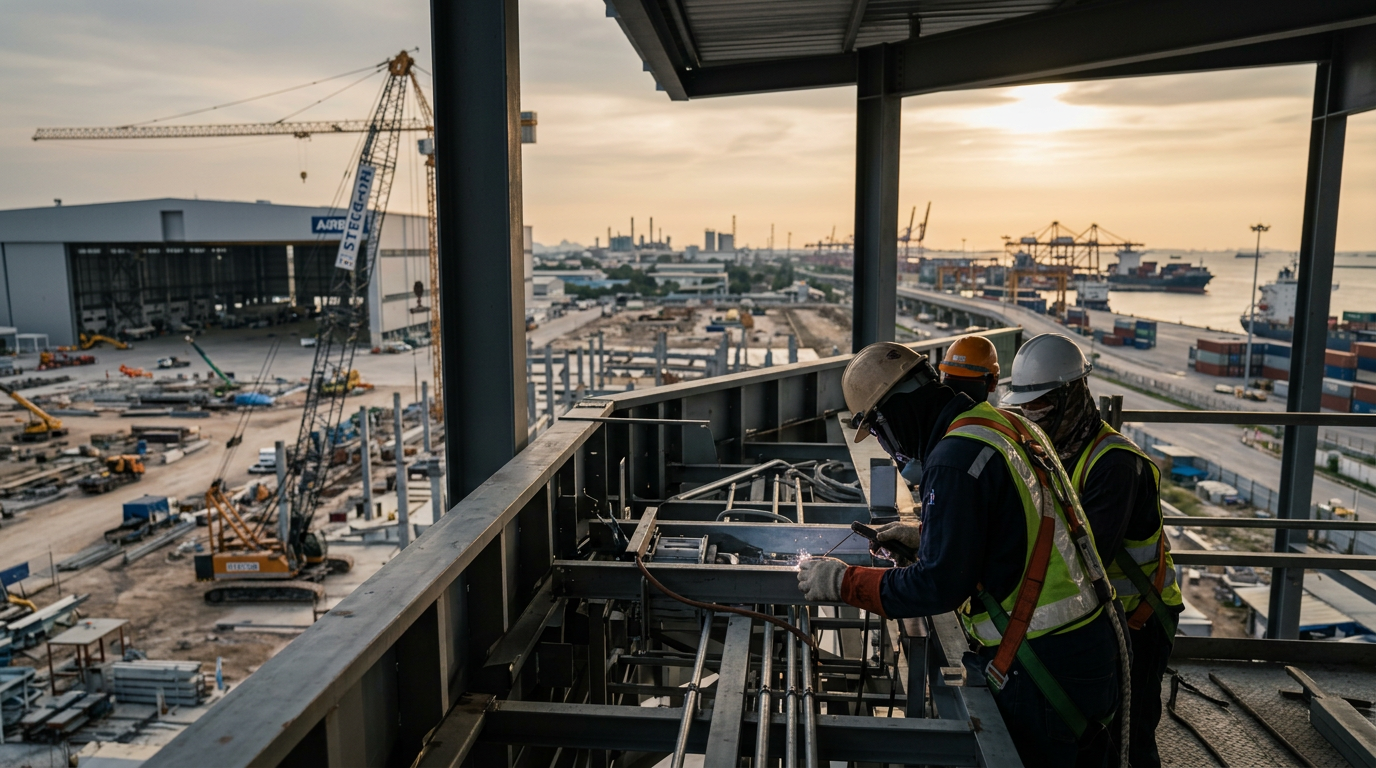
High-profile meetings between government leaders and multinational corporations are an important part of attracting foreign direct investment (FDI). They signal intent and generate positive headlines. However, the journey from a memorandum of understanding to a fully operational project is long and complex. As the book "ASEAN Rising" notes, "FDI announcements travel quickly. Realised flows depend on the slower work of land, permits, power and talent reaching the ground."
The Airbus case in Thailand illustrates this perfectly. Developing a domestic SAF industry is not just a matter of financial commitment. It requires a coordinated effort across multiple domains. It involves securing land for cultivation and processing, streamlining permit processes for new facilities, ensuring a reliable power supply for industrial operations, and developing the local talent pool with the necessary technical skills.
The Institutional Framework
This is where the quality of a country's institutions comes into play. A clear and predictable regulatory environment is necessary for a company like Airbus to make a long-term investment. The process for acquiring land, obtaining construction permits, and connecting to the grid must be transparent and efficient. Delays or unforeseen obstacles in any of these areas can stall a project, regardless of the initial enthusiasm.
Furthermore, developing a specialized industry like SAF production requires more than just basic infrastructure. It needs a workforce with specific expertise in chemical engineering, agriculture, and logistics. This means collaboration between the government, educational institutions, and the private sector to create training programs and curricula that align with the industry's needs. The ability to build this talent pipeline is a core component of turning a large-scale investment announcement into a tangible economic benefit.
What to watch
The progress of the Airbus SAF initiative in Thailand will be a useful indicator of the country's capacity to absorb and operationalize large-scale, technologically advanced investments. Observers should pay attention to the specific, practical steps taken by Thai agencies to facilitate the project. The speed and efficiency of land acquisition, the establishment of clear regulatory pathways for SAF production, and the launch of concrete talent development programs will show whether the initial high-level discussion can be translated into a durable industrial capability.