Philippines
Tourist Arrivals and Philippine Hotel Investment
Tourist arrivals are up, but hotel investment faces familiar headwinds. Turning tourist numbers into investable hotel properties requires land, permits, power, and talent.
An award for a domestic hotel operator highlights a brighter outlook for Philippine tourism, yet it also brings attention to the persistent challenges in translating tourist arrivals into large-scale accommodation investments. Robinsons Hotels and Resorts (RHR) was named the Philippines' Leading Hotel Group at the 2026 World Travel Awards, according to philstar.com, reflecting the recovery and growth in the country's hospitality sector.
From Arrivals to Assets
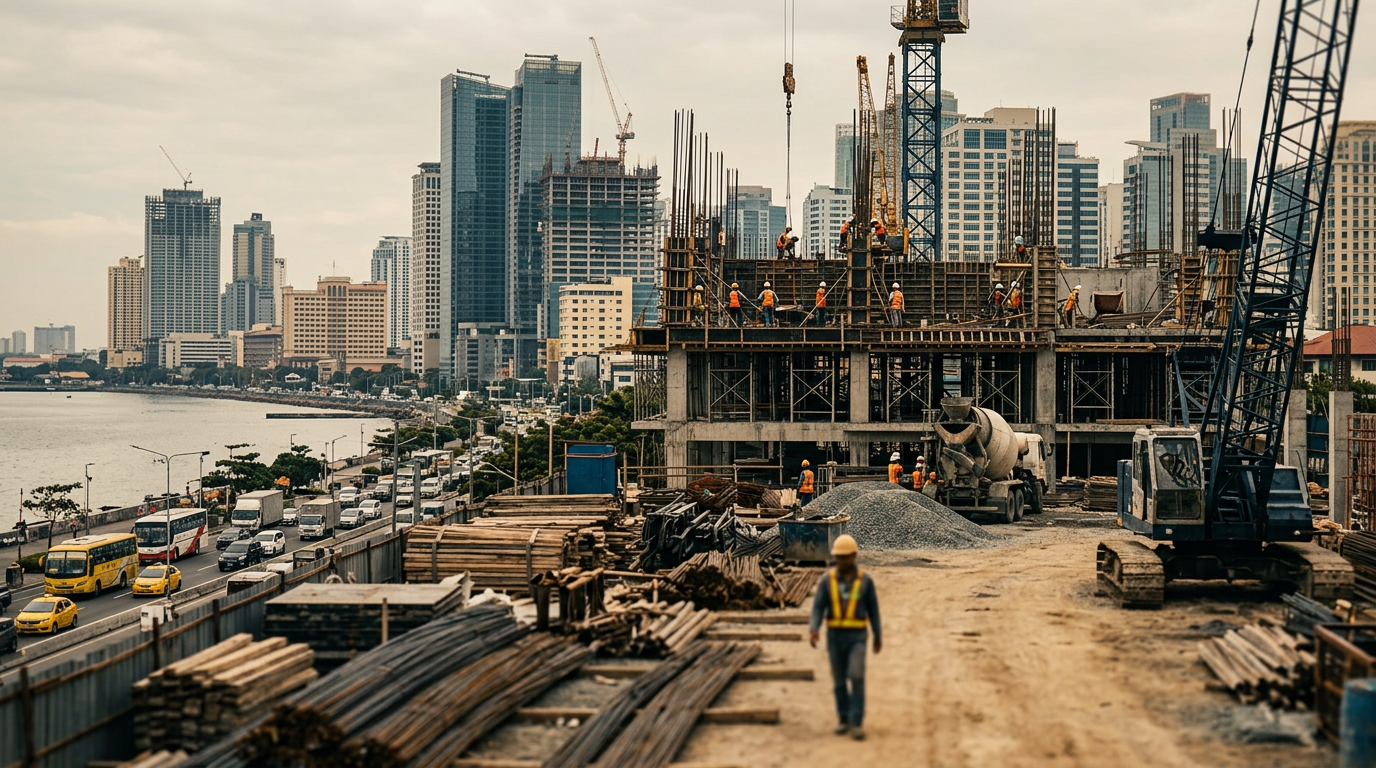
The Philippines has seen a steady rebound in international tourist arrivals since reopening its borders. This influx creates apparent demand for accommodation, from resorts to city hotels. However, the journey from a headline number of tourists to the development of new hotel properties is not straightforward. The primary obstacle remains the conversion of tourist demand into "investable depth," as discussed in ASEAN Rising.
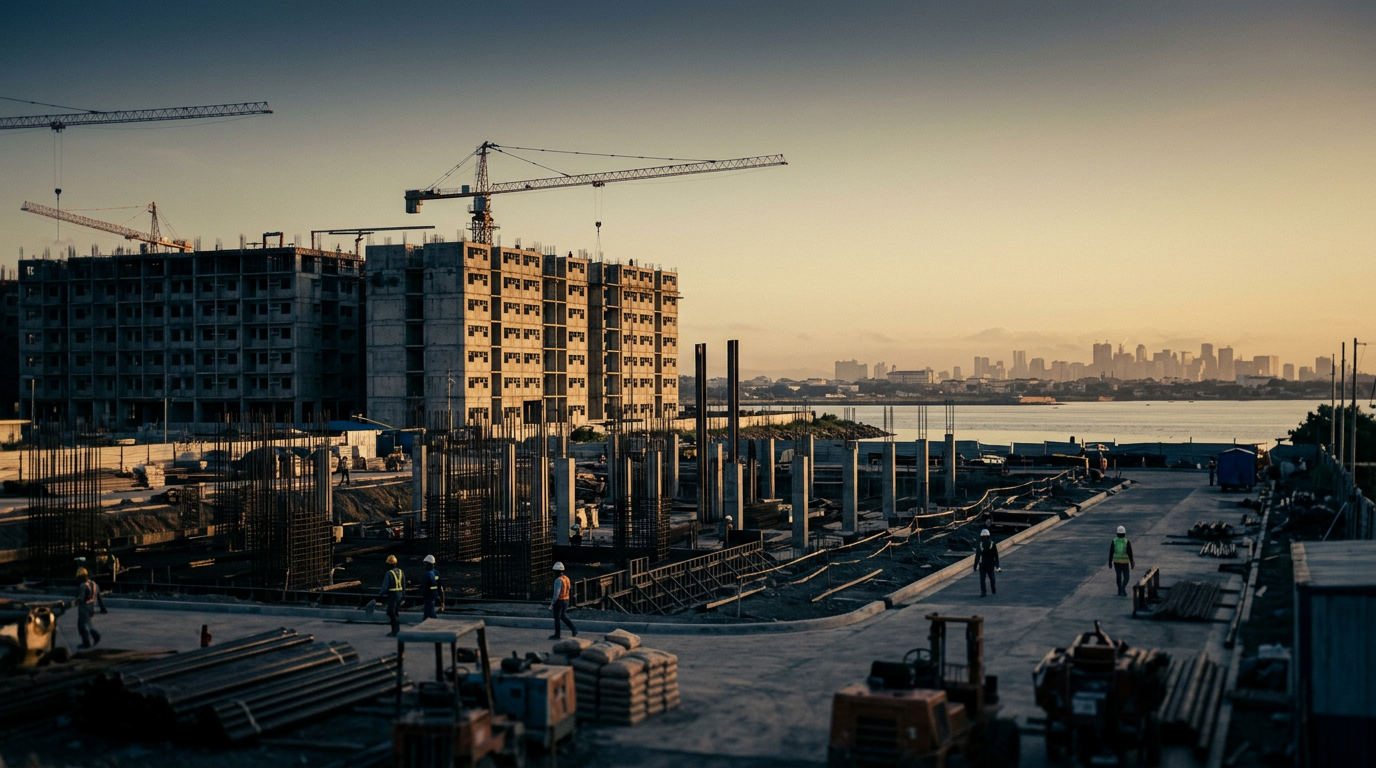
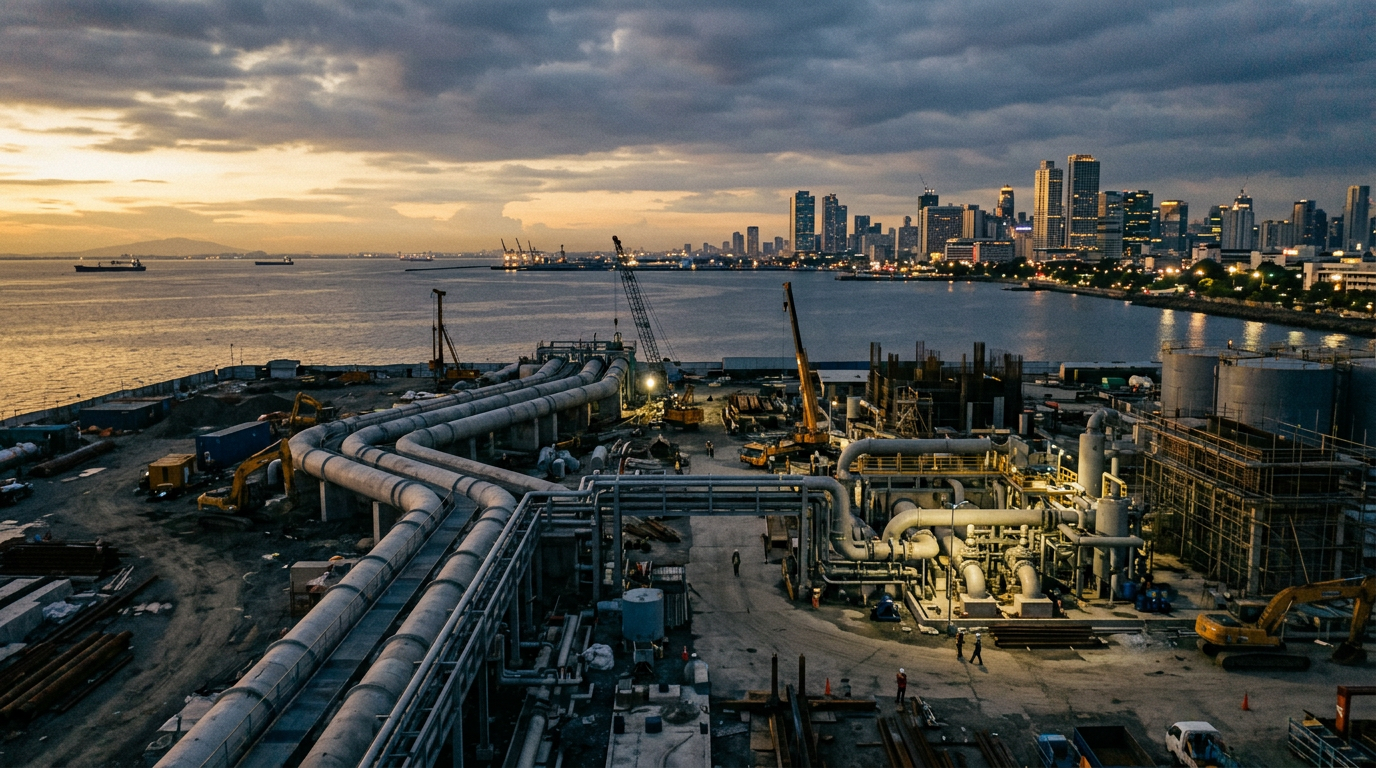
Capital for hotel construction is available, both domestically and from foreign investors. The challenge lies in deploying that capital effectively on the ground. Projects frequently face delays and cost overruns due to complex and sometimes opaque processes for securing land titles, construction permits, and environmental clearances. The cost and reliability of electricity and water also add a layer of operational risk that investors must factor into their calculations.
Institutions and Infrastructure
While an award for a leading hotel group is a positive signal, the broader investment climate for new hotel construction depends on institutional and infrastructural readiness. The process of acquiring land, for instance, can be a significant bottleneck. Securing a clear and uncontested title is a foundational step, but one that can be fraught with difficulty.
Similarly, the efficiency of local and national government agencies in processing permits for construction, power, and water connections directly impacts project timelines and costs. These are the slower, less visible tasks that determine whether announced foreign direct investment in the tourism sector translates into actual, operational hotels. A streamlined, predictable bureaucratic process is as important as the market demand itself.
The Talent Equation
Beyond physical infrastructure and regulatory hurdles, the availability of a skilled workforce is a core component of a thriving hospitality industry. The Philippines has a well-deserved reputation for its talent in the service sector. However, the post-pandemic recovery has seen a competitive market for experienced hotel staff, from management down to front-line service personnel.
Ensuring a sustainable pipeline of trained workers requires ongoing investment in vocational and higher education tailored to the hospitality industry. For hotel investors, the availability of talent is a critical factor in their decision-making process. The physical hotel is only one part of the equation; the ability to staff it with a competent and well-trained team is just as vital for success.
What to watch: Observers should monitor whether the government's efforts to simplify business registration and permitting, particularly at the local government level, gain traction. The speed and predictability of these processes, especially for land acquisition and utility connections for new hotel and resort projects, will determine if the current optimism in the tourism sector can be converted into long-term, large-scale investment in physical assets.