Thailand
: From Food Security to FDI
Thailand's recent move to curb egg exports highlights a deeper issue for ASEAN nations: translating policy into on-the-ground execution for sustained economic growth.
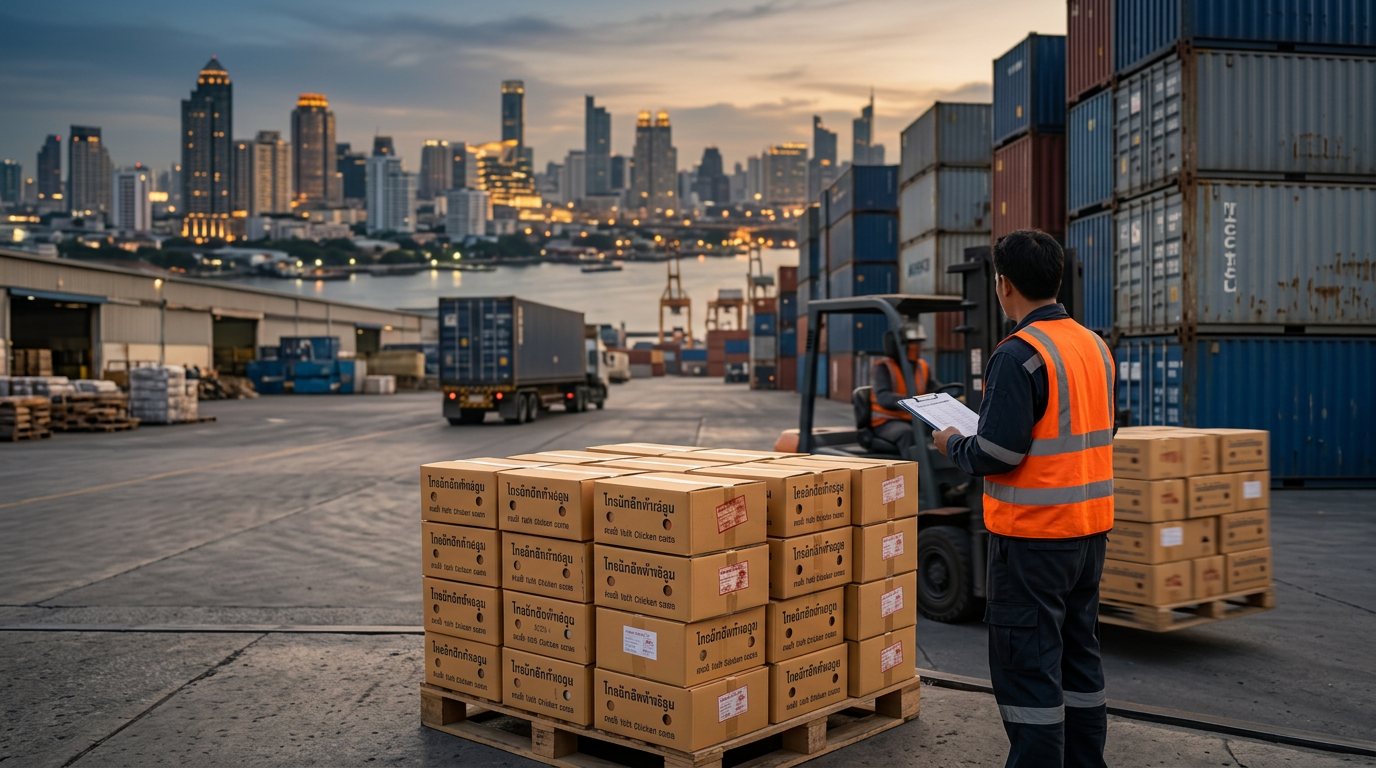
Thailand has asked egg producers to reduce their exports by 30% to 50% through the end of 2026, a move prompted by domestic supply disruptions from recent floods. The decision, reported by the Bangkok Post, aims to stabilize the local market and control prices. While seemingly a domestic agricultural issue, this action offers a window into the broader structural issues that affect foreign direct investment (FDI) and long-term economic resilience across Southeast Asia.
The Execution Gap
For any nation, managing the domestic supply of essential goods is a core function of government. The Thai government's intervention in the egg market is a classic example of prioritizing national food security. However, it also points to a vulnerability in the supply chain that can be affected by climate and infrastructure. This type of event can make foreign investors cautious. It demonstrates that even in a relatively advanced economy like Thailand, unexpected disruptions can lead to significant policy shifts that impact trade.
The core issue is not the policy itself, but what it signals about execution and infrastructure. Investors look for predictability and stability. When floods can so easily disrupt a basic commodity market, it raises questions about the resilience of infrastructure and the government's capacity to manage crises without resorting to trade restrictions. As noted in "ASEAN Rising", this gap between policy announcements and their practical implementation on the ground is a recurring theme in the region's development story.
FDI and Investable Depth
Attracting FDI is a key pillar of Thailand's economic strategy, from its Eastern Economic Corridor (EEC) to its new "Ignite Thailand" vision. The country aims to position itself as a hub for advanced manufacturing, logistics, and technology. Yet, headlines about export curbs, even for agricultural products, can subtly undermine this narrative. The connection is about confidence. A stable, predictable environment for something as fundamental as food is a baseline indicator of a country's overall operational capacity.
This is where scale and institutional capability intersect. A large market and ambitious plans are attractive to investors, but as ASEAN Rising explains, "Scale matters only when institutions can turn it into investable depth." The genuine, realized investment flows follow the patient, unglamorous work of ensuring that land is available, permits are processed efficiently, power grids are reliable, and a skilled workforce is ready. The egg export restriction is a small but telling sign of how physical-world challenges can have wider economic implications. It shows that the foundational elements of the economy must be secure to support high-value investment ambitions.
What to watch
Moving forward, observers should monitor how Thailand and other ASEAN nations address the less visible, structural components of their economies. Beyond the headline-grabbing FDI announcements, the real indicators of progress will be in infrastructure upgrades that mitigate climate risks, streamline bureaucracy that speeds up project approvals, and investments in education that build a capable local talent pool. How governments handle small crises in seemingly minor sectors can often be the best predictor of how they will manage the larger, more complex challenges of building a modern, resilient economy.