Philippines
: Hospitality Accolades Meet Investment Realities
The Philippine hospitality sector is winning awards, but the larger test is turning this into sustained, deep investment flows.
The Philippine hospitality sector is earning international recognition, with Robinsons Hotels and Resorts (RHR) recently named the country's Leading Hotel Group by the World Travel Awards, as reported by philstar.com. While such awards are a welcome acknowledgment of quality, the larger story for the Philippines is the persistent gap between investment announcements and their on-the-ground realization, a theme explored in "ASEAN Rising".
From Announcement to Execution
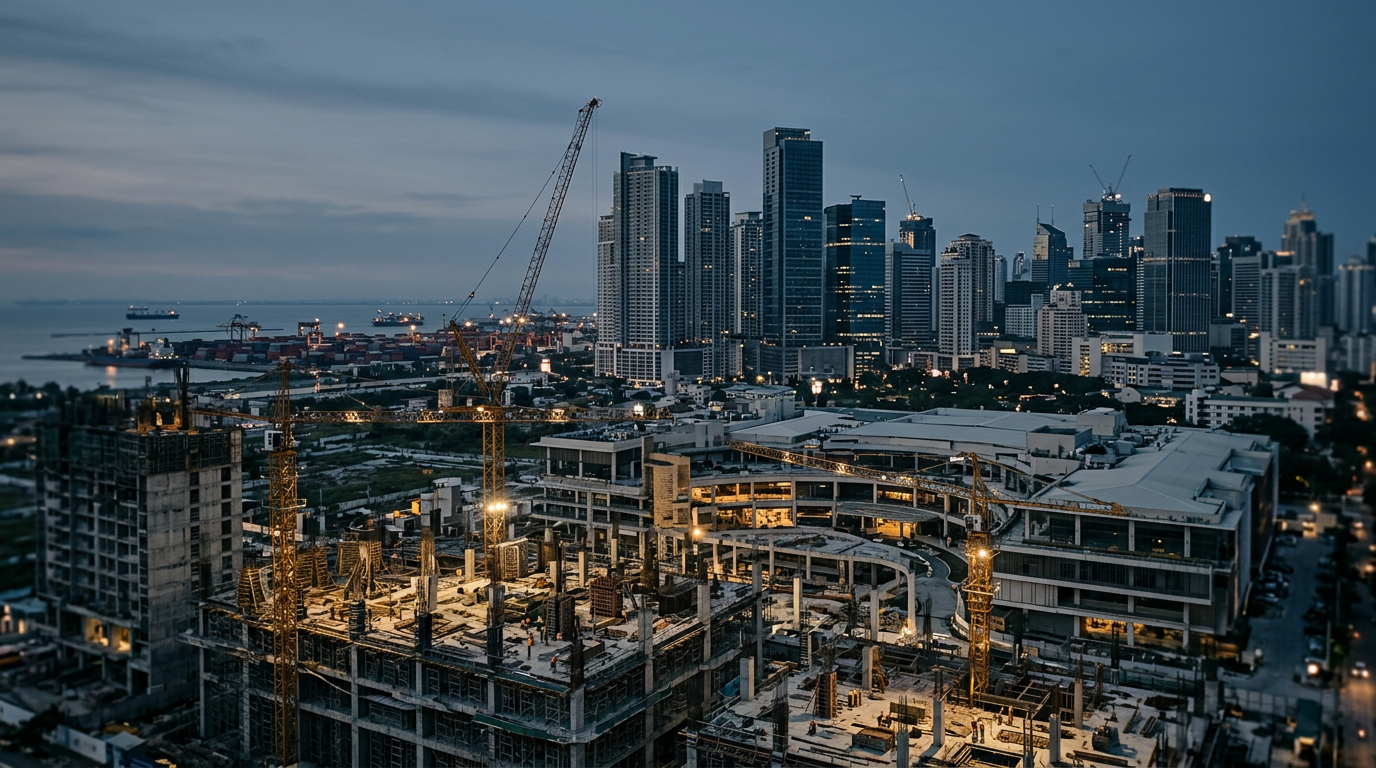
The challenge for any government is translating investor interest into tangible projects. As the book notes, "FDI announcements travel quickly. Realised flows depend on the slower work of land, permits, power and talent reaching the ground." In the context of the Philippine tourism and hospitality industry, an award for a leading hotel group is a positive signal for investors. However, the development of new hotels, resorts, and the infrastructure that supports them depends on a predictable and efficient regulatory environment. Without that, initial enthusiasm can dissipate as projects stall in the face of bureaucratic hurdles.
Infrastructure and Institutional Alignment
The success of the hospitality sector is tied directly to the quality of supporting infrastructure. This includes not just airports and roads, but also the utility networks that provide reliable power and water. For the Philippines to build on the success of groups like RHR, public and private sector efforts must align. Investment in infrastructure must be matched by coherent institutional processes that streamline development. The goal is to create an ecosystem where an award-winning hotel brand can confidently expand its footprint, knowing that the necessary land titles, building permits, and utility connections will be available in a timely manner. This creates a virtuous cycle where successful projects encourage further foreign direct investment.
What to watch
The key indicator to watch is not the volume of initial investment pledges, but the rate at which these are converted into completed projects. Observers should monitor the progress of infrastructure upgrades, particularly in transportation and energy, that directly enable hospitality growth. Attention should also be paid to any government initiatives aimed at simplifying regulations for large-scale tourism and property development, as this will determine whether the sector can translate accolades into broad-based economic contributions.