Thailand
's Electronics Surge Tests Its Institutional Capacity
Thailand's manufacturing production index rose in August, driven by global demand for electronics. This growth puts the focus on the country's ability to translate foreign direct investment announcements into tangible projects through institutional execution.
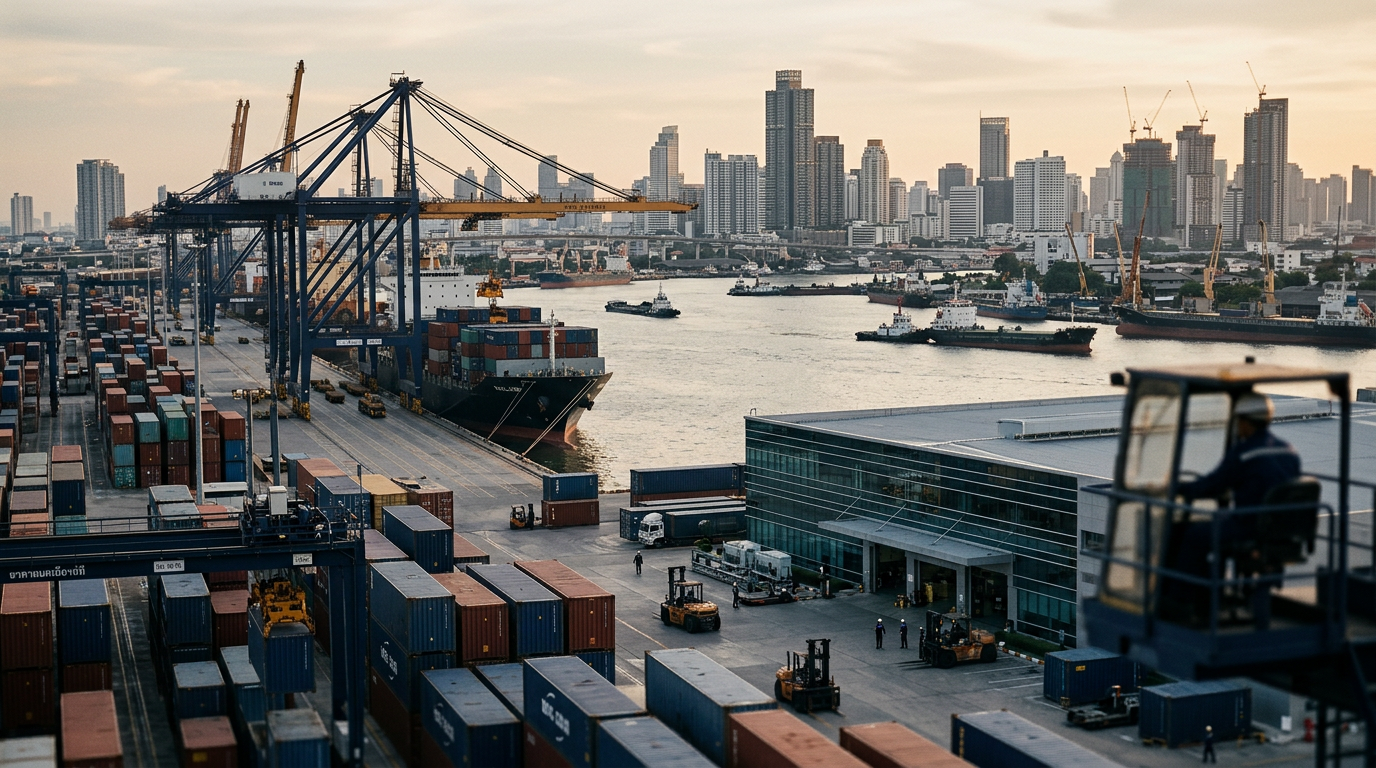
Thailand's manufacturing sector is showing signs of a robust recovery, with the Manufacturing Production Index (MPI) rising 4.44% year-on-year in August. According to a report from the Bangkok Post, this growth was principally driven by a surge in the production of electronic components and computer parts, fueled by strong global demand for AI infrastructure and data centers.
While this is positive news for the Thai economy, it also brings into focus the persistent gap between investment commitments and realized projects. As the book "ASEAN Rising" notes, investment announcements can generate headlines, but the actual flow of capital depends on the ground-level work of securing land, permits, and reliable power. Thailand's electronics boom will test its capacity to deliver on these fundamental requirements.
Institutions and Infrastructure
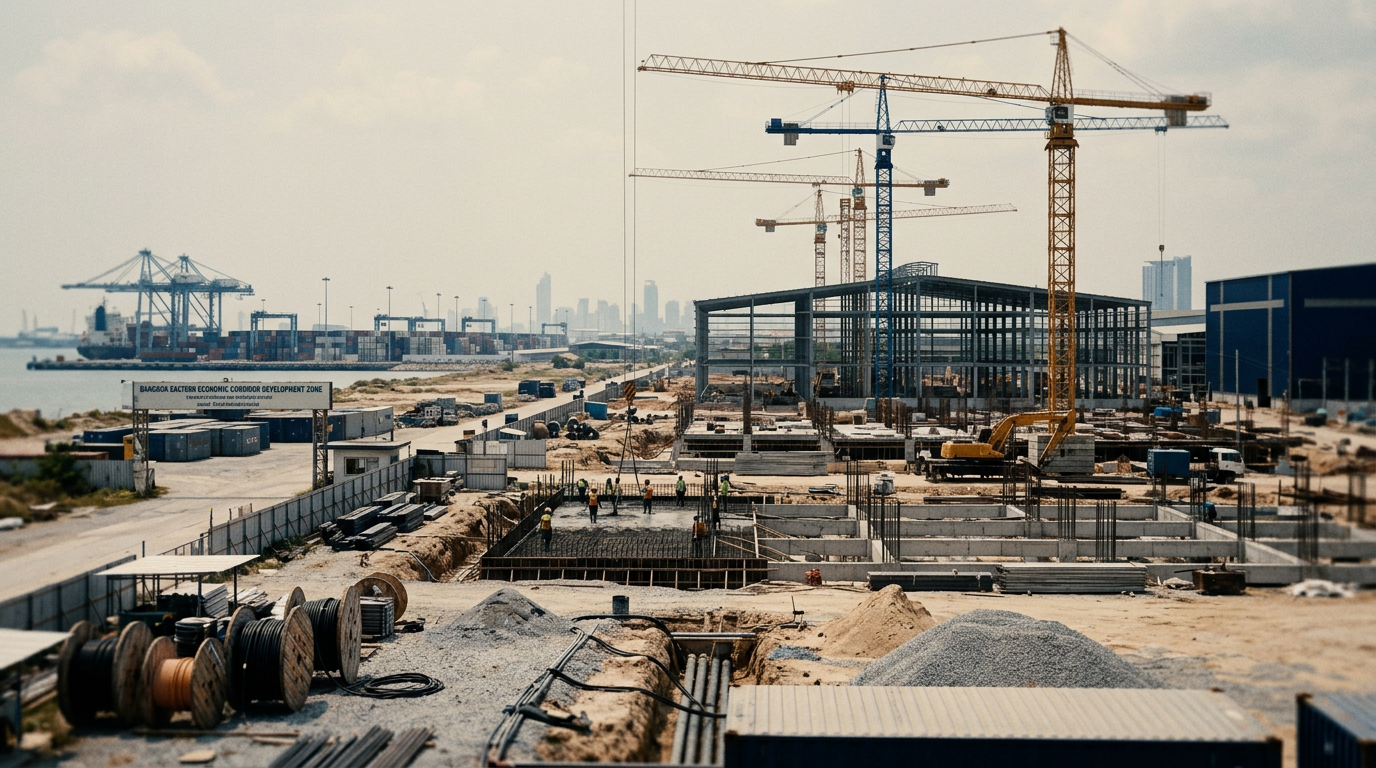
The increased demand for electronics manufacturing places direct pressure on Thailand's existing industrial infrastructure. High-technology production, particularly for components used in AI and data centers, requires uninterrupted, high-quality power and extensive, reliable logistics networks. The government's Eastern Economic Corridor (EEC) initiative is designed to address these needs by developing advanced infrastructure in key provinces. The success of the EEC in providing these services will be a significant determinant in whether the current manufacturing upswing can be sustained.
Furthermore, the process for obtaining construction permits and operating licenses must be efficient and transparent to convert pledged foreign direct investment (FDI) into active factories. Bureaucratic delays or unclear regulations can deter investors, who often have other regional options. The ability of Thai institutions to streamline these processes is as important as the physical infrastructure they manage.
The Talent Equation
A resilient electronics sector requires a workforce with specialized skills. The demand for AI-related components necessitates a talent pool proficient in advanced manufacturing processes, quality control, and engineering. While Thailand has a long history in electronics assembly, the move toward more sophisticated production requires a corresponding investment in technical education and vocational training.
Attracting and retaining skilled engineers and technicians will be a primary task for both the government and the private sector. Collaboration between universities, technical colleges, and manufacturers can create a pipeline of qualified workers. Without this human capital, Thailand risks being unable to move up the value chain, limiting the long-term economic benefits of the current global demand. As "ASEAN Rising" puts it,