Thailand
: Beyond the Semiconductor Hype
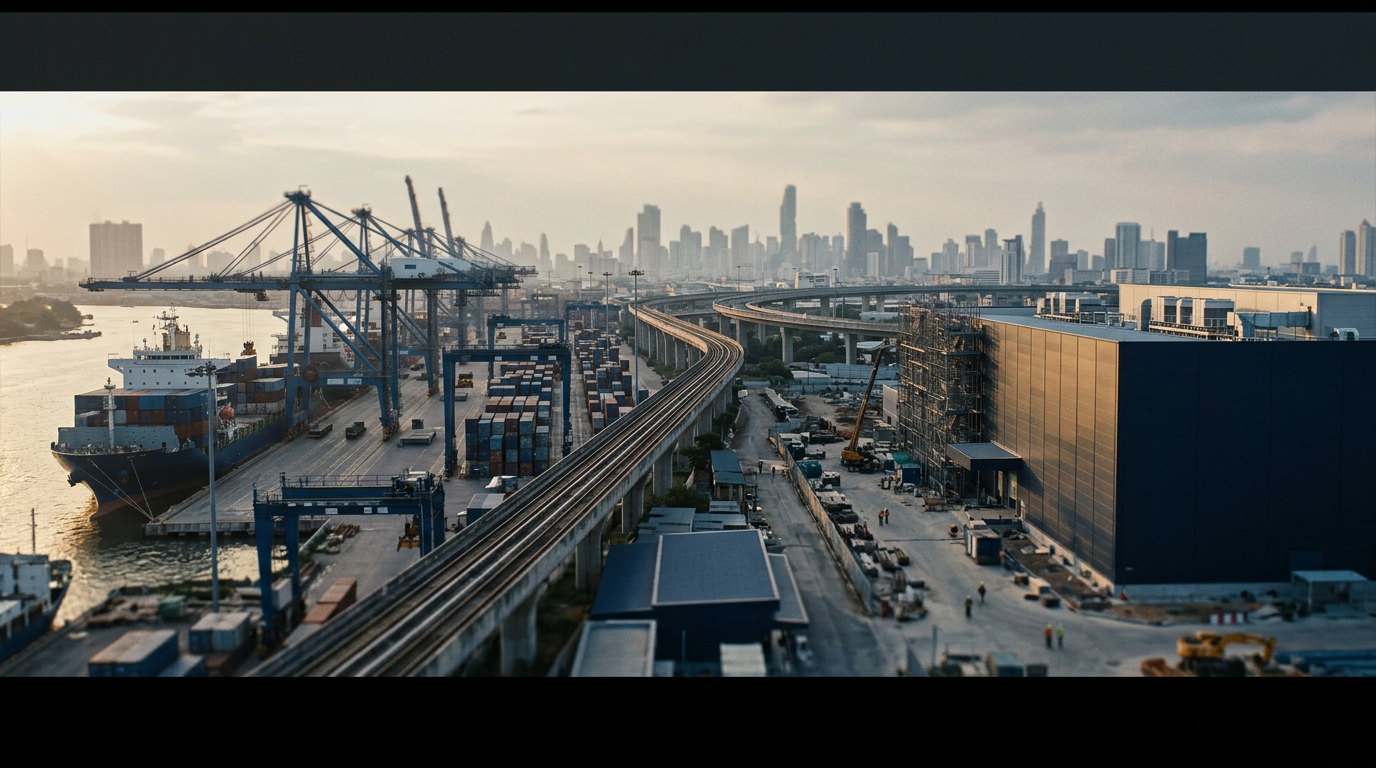
Announcements are easy, but execution is hard. Thailand's push into the semiconductor industry depends on the slower work of building the infrastructure and talent to support it.
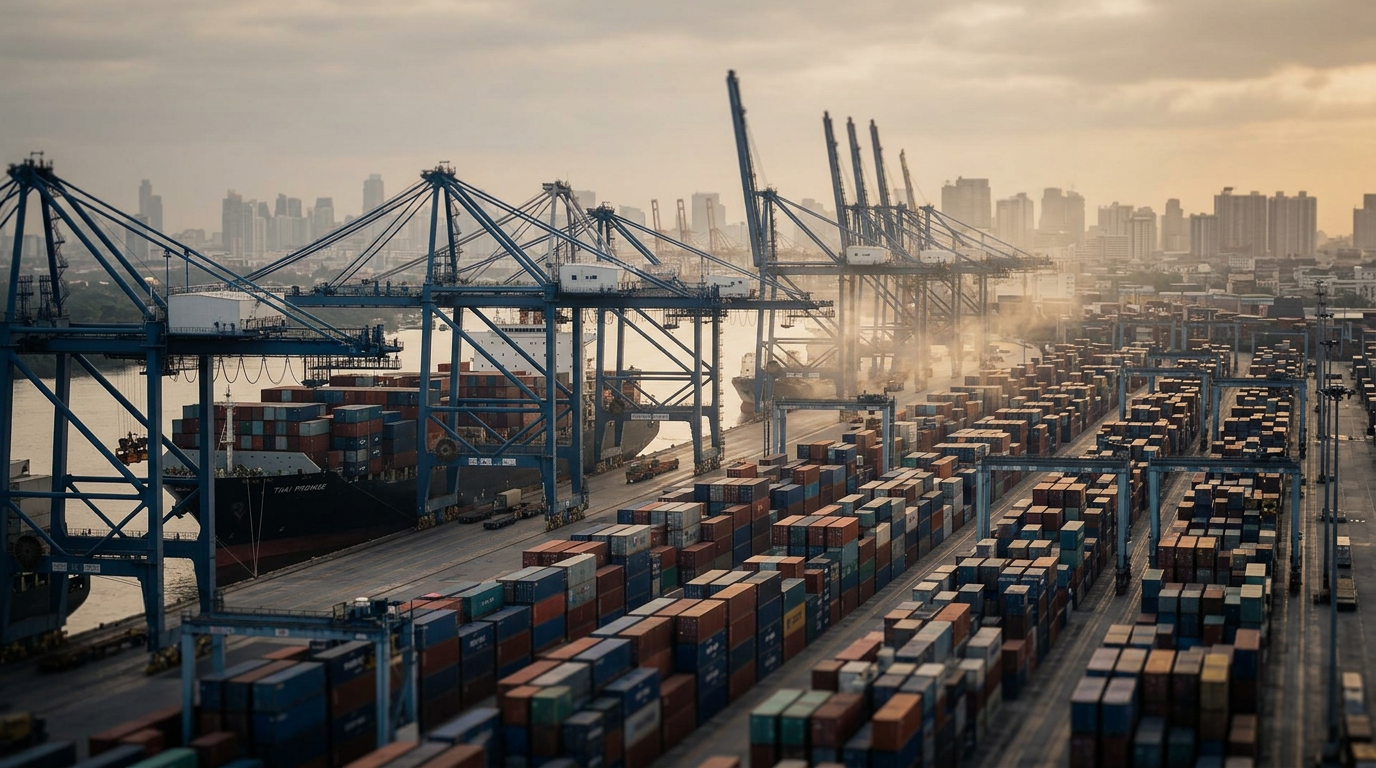
Thailand is making a significant push to establish itself as a regional semiconductor hub, underscored by a recent announcement from Germany's Infineon Technologies to build a new US$1.4 billion complex. As reported by Vietnam News, the country is seeing a surge in interest from global chipmakers, drawn by government incentives and a strategic location.
From Assembly to Advanced Manufacturing
For decades, Thailand has been a major player in the global supply chain for electronics, particularly in assembly and testing. The government's new strategy aims to move the country up the value chain, focusing on more advanced front-end manufacturing. The Board of Investment (BOI) is offering significant tax breaks and other incentives to attract the kind of long-term, high-value investment that can transform an economy. The goal is not just to assemble chips, but to design and fabricate them, capturing a larger share of the industry's value.
The Execution Challenge
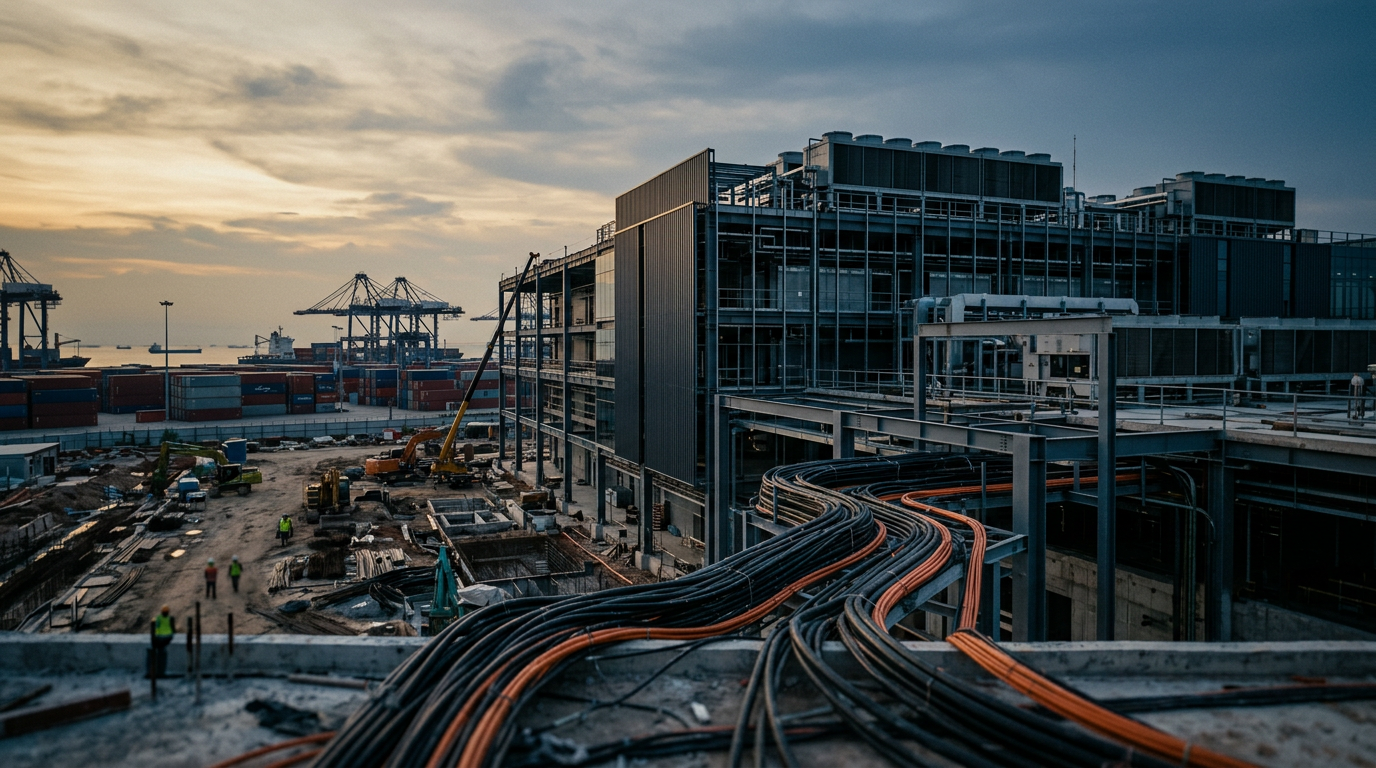
Attracting multi-billion dollar investment announcements is a significant achievement, but it is only the first step. The real test lies in the execution. As the book "ASEAN Rising" notes, "realised flows depend on the slower work of land, permits, power and talent reaching the ground." For Thailand, this means ensuring that the physical and human infrastructure is in place to support these ambitious projects. The road from a press release to a fully operational fabrication plant is long and requires a concerted effort to overcome logistical and regulatory hurdles. The success of Infineon's new complex will be a closely watched indicator of Thailand's ability to deliver on its promises.
Institutions and Infrastructure
Building a semiconductor ecosystem is about more than just factories. It requires a stable supply of electricity, reliable logistics, and a regulatory framework that is both transparent and efficient. Thailand's Eastern Economic Corridor (EEC) is the centerpiece of this strategy, designed to be a hub for high-tech industries with world-class infrastructure. However, the demands of the semiconductor industry are immense. Fabrication plants run 24/7 and are highly sensitive to disruptions in power or water supply. Strengthening the institutions that manage this infrastructure will be just as important as the physical build-out itself.
What to watch
Looking ahead, observers should monitor the progress of the announced investments beyond the initial headlines. The key indicators will not be the dollar value of FDI commitments, but the tangible results on the ground: the number of skilled jobs created for Thai workers, the development of local suppliers, and the successful launch of manufacturing operations. The speed at which Thailand can align its education system to produce the necessary engineering and technical talent will also be a determining factor in its long-term success.