
ASEAN Analysis & Commentary
Every analysis published on ASEAN Rising is sourced, datestamped and signed. We're more interested in being right in 12 months than first in 12 minutes.
Foundation pieces
Start here. The three pieces below set out the lens ASEAN Rising uses to read every story.
ASEAN Rising's core lens. Execution Economics is the study of whether countries, companies and institutions can convert obvious potential into delivered outcomes - and which six pillars decide the answer.
The region has capital, demographics, location and policy ambition. None of that has ever been the binding constraint. The next decade is an execution test, not a potential test - and it is already being scored.
Malaysia is the test case for whether ASEAN's middle powers can turn FDI, semiconductors and data centres into compounding domestic capability. Read the live coverage and execution scorecard.
Analysis tagged #capital
 Philippines
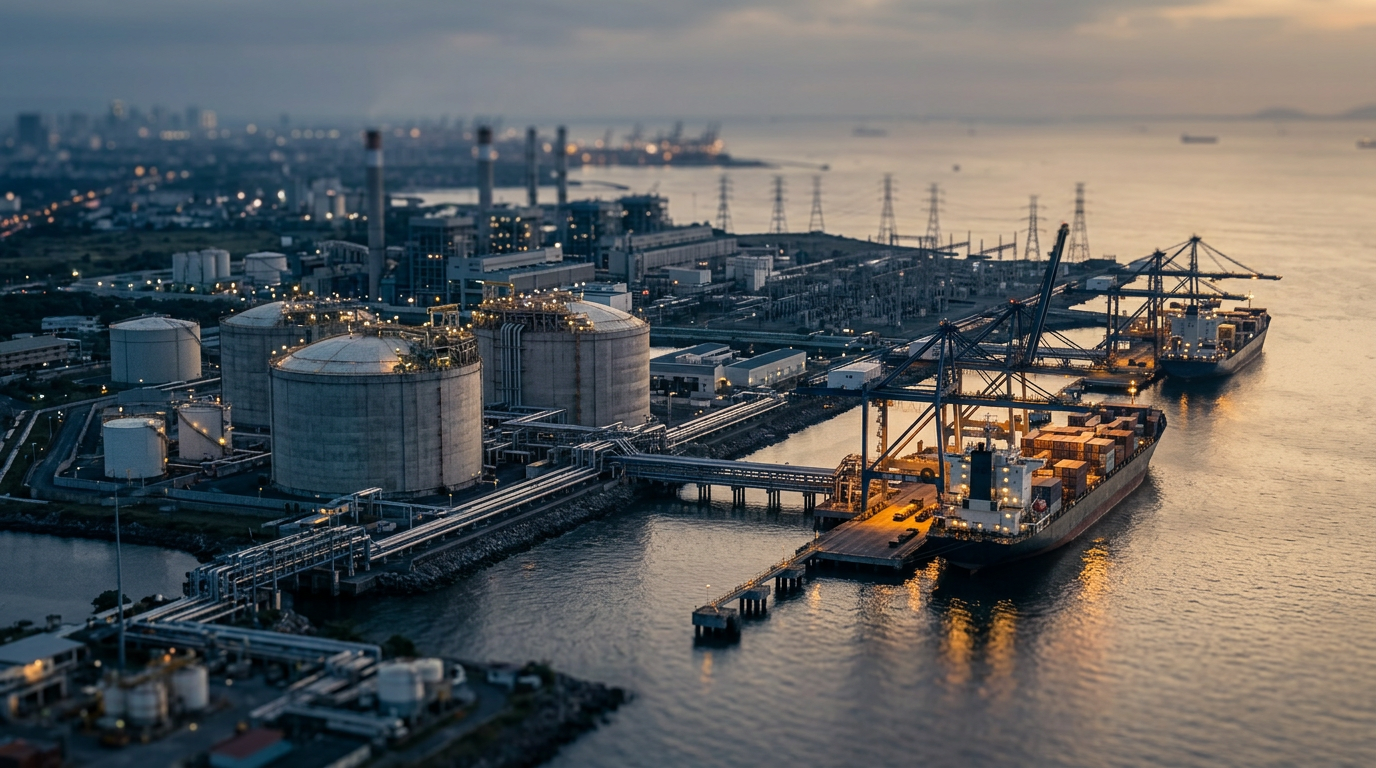
ASEAN Energy Security and the China Question
The ASEAN Energy Ministers' meeting in Manila puts the focus on regional energy security. This brings to the front the deep trade and investment relationship between ASEAN and China, particularly in the energy sector, and the strategic need for ASEAN to manage this dependency.
 Vietnam
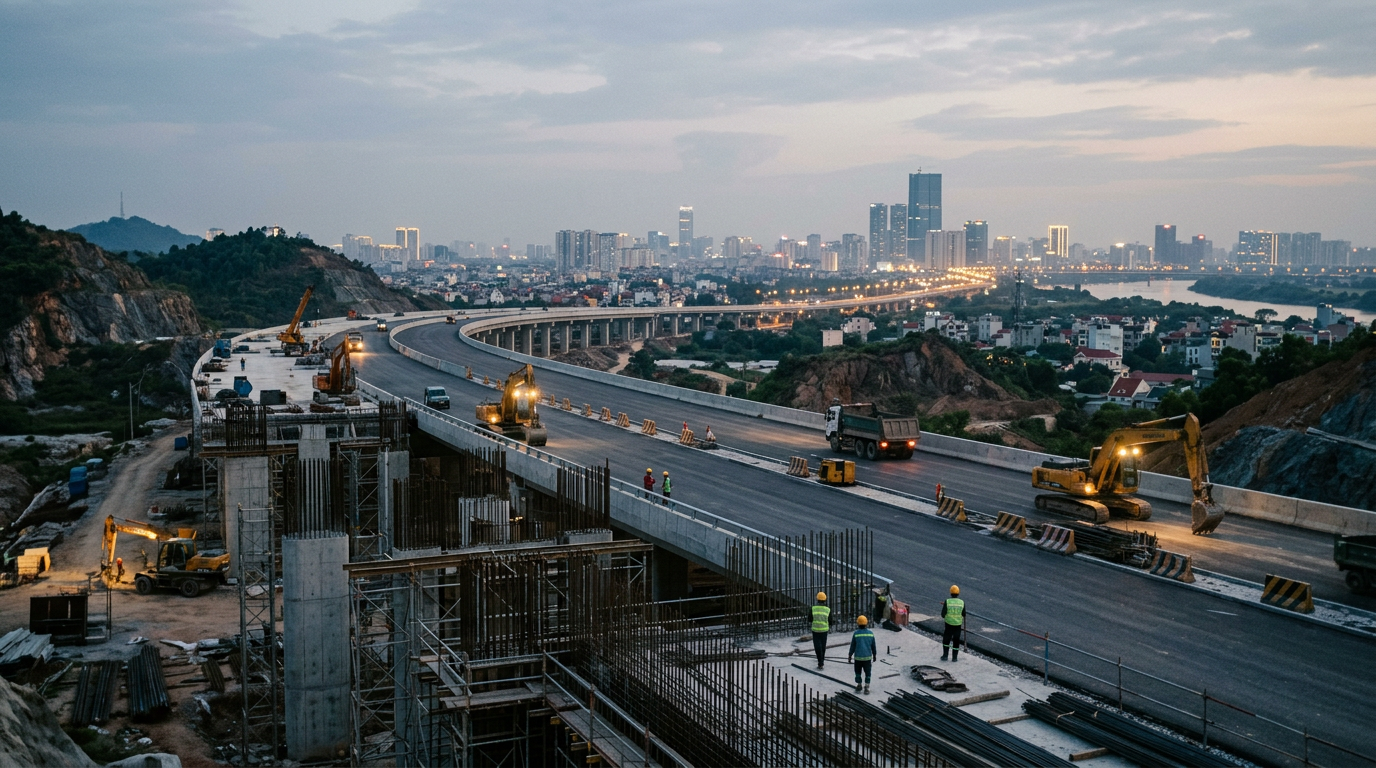
's Infrastructure Push Tests State Capacity
Hanoi is looking for new ways to fund its ambitious expressway buildout. Execution will be a test of institutional reliability.
 Vietnam
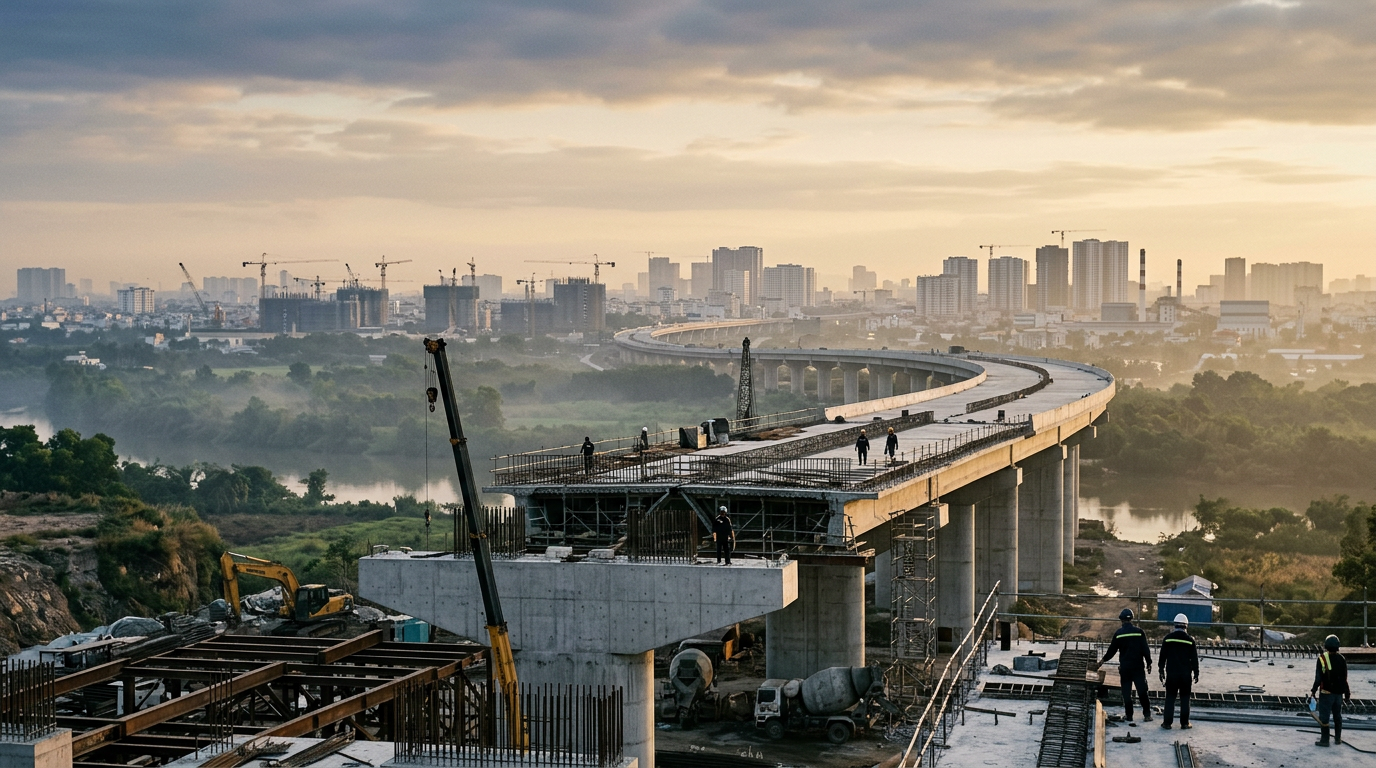
's Expressway Push Tests its State Capacity
Hanoi wants to double the length of its expressway network by 2030, but mobilizing private capital is proving a hard test of institutional reliability.

 Singapore
's Riverfront Bet On Regional Capital
A high-profile Singapore real estate project bankrolled by a Thai billionaire shows how regional capital is reshaping ASEAN's urban landscapes, but Singapore's high costs demand execution to match.
 Singapore
, the Enduring Hub for ASEAN Capital
Foreign investment announcements travel fast. Realised projects depend on the slower work of execution. A new luxury development on the Singapore River shows how the city-state still leads the region in turning plans into reality.
 Vietnam
's Growing Wealth and the Test of Institutions
While Vietnam's rising number of wealthy individuals is a sign of economic dynamism, the country's ability to translate this wealth into broad-based, sustainable development will depend on the strength of its institutions.
 Philippines
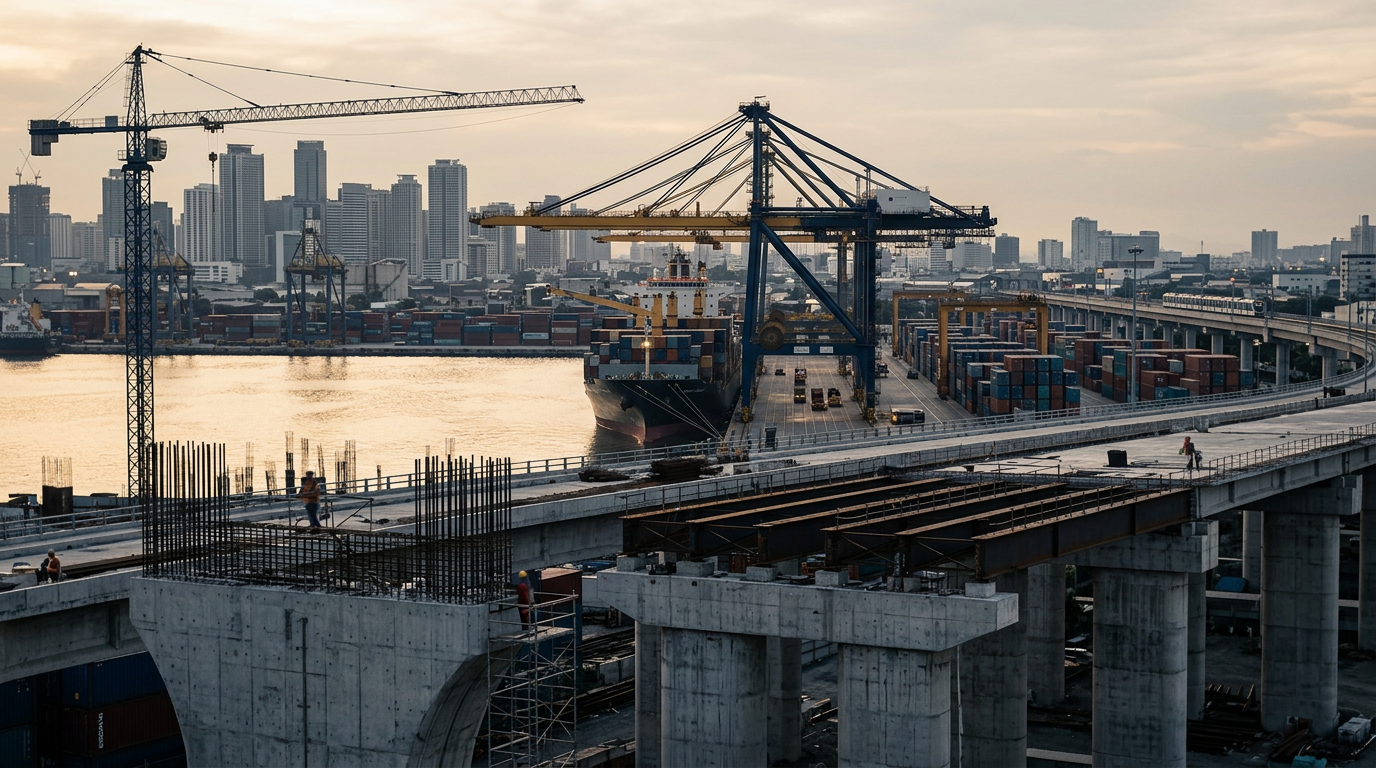
The Philippines: Bank Credit, State Capacity, and the Cost of Friction
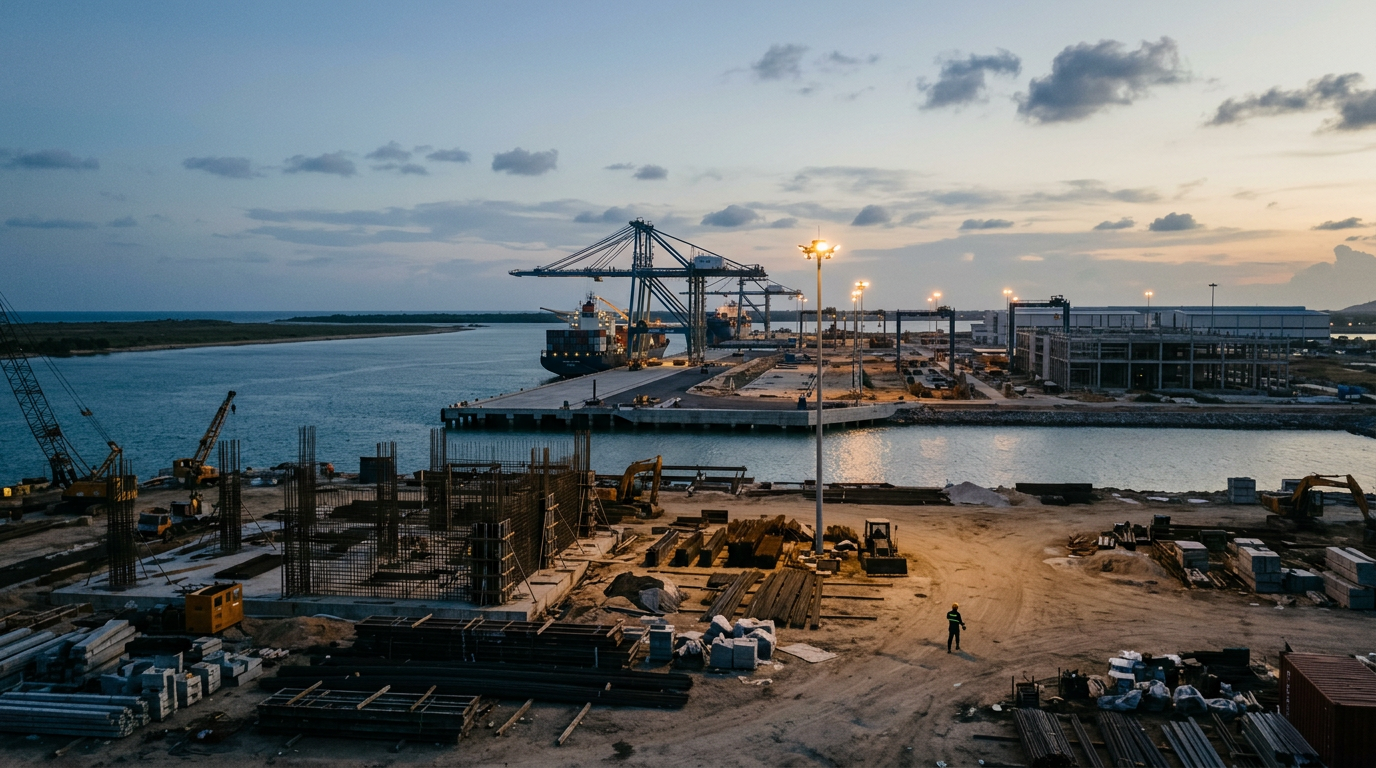
A usable state is often more valuable than an exciting one. Infrastructure that arrives on time signals more than infrastructure that is merely announced.
 Vietnam
The Hard Work of ASEAN Biodiversity
High-level statements on biodiversity are easy. The execution is not. ASEAN needs more than summits to protect its natural capital.
 Vietnam
's Growing Wealth and the Test for Institutions
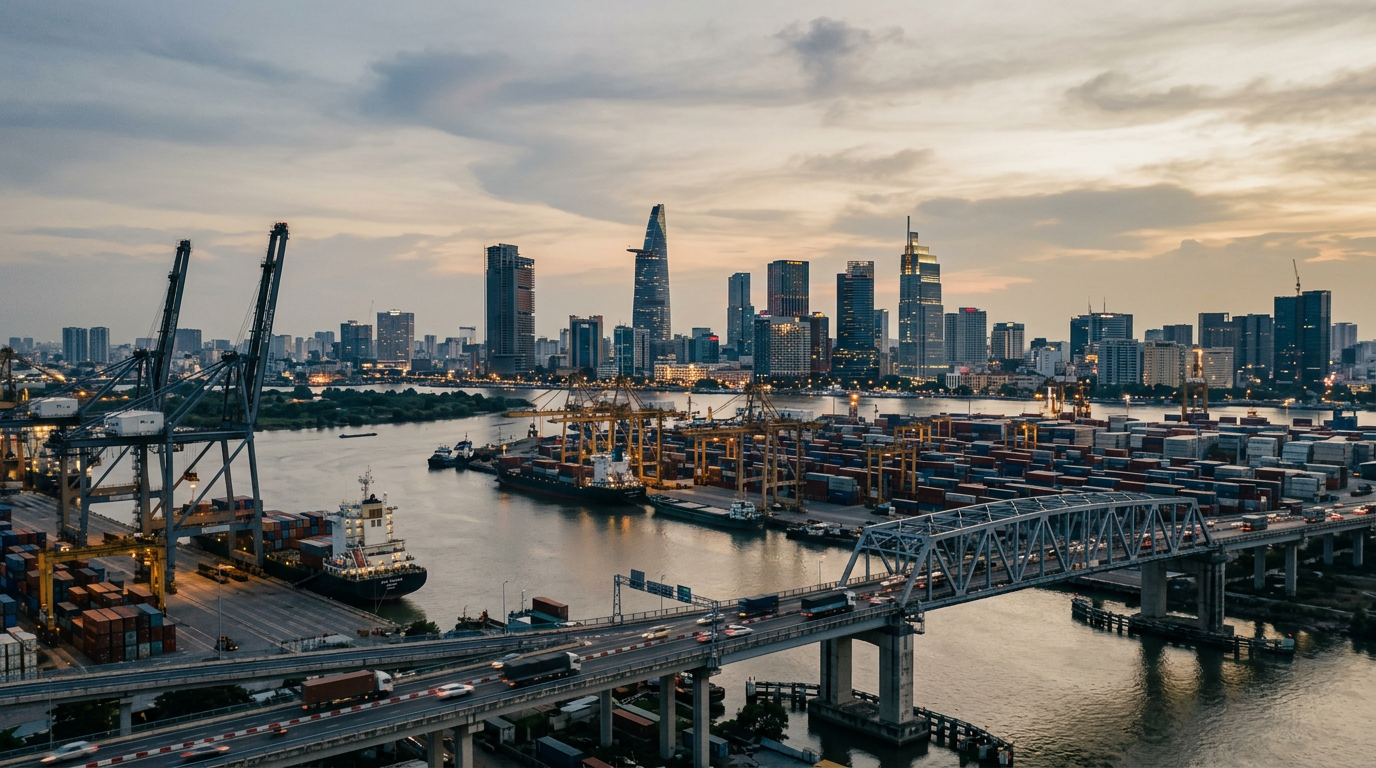
The rapid rise in Vietnam's ultra-high-net-worth population is a signal of its economic dynamism. Yet, this growth story will depend on whether its economic and governance institutions can effectively translate this new capital into broad, sustainable development.
 Vietnam
's Growing Wealth and the Test of Institutions
Vietnam's fast-growing number of ultra-rich individuals is a positive economic signal, but translating this wealth into broad-based, sustainable development depends on the strength of its underlying institutions.
 Vietnam
's Growing Wealth: From Affluence to Institutions
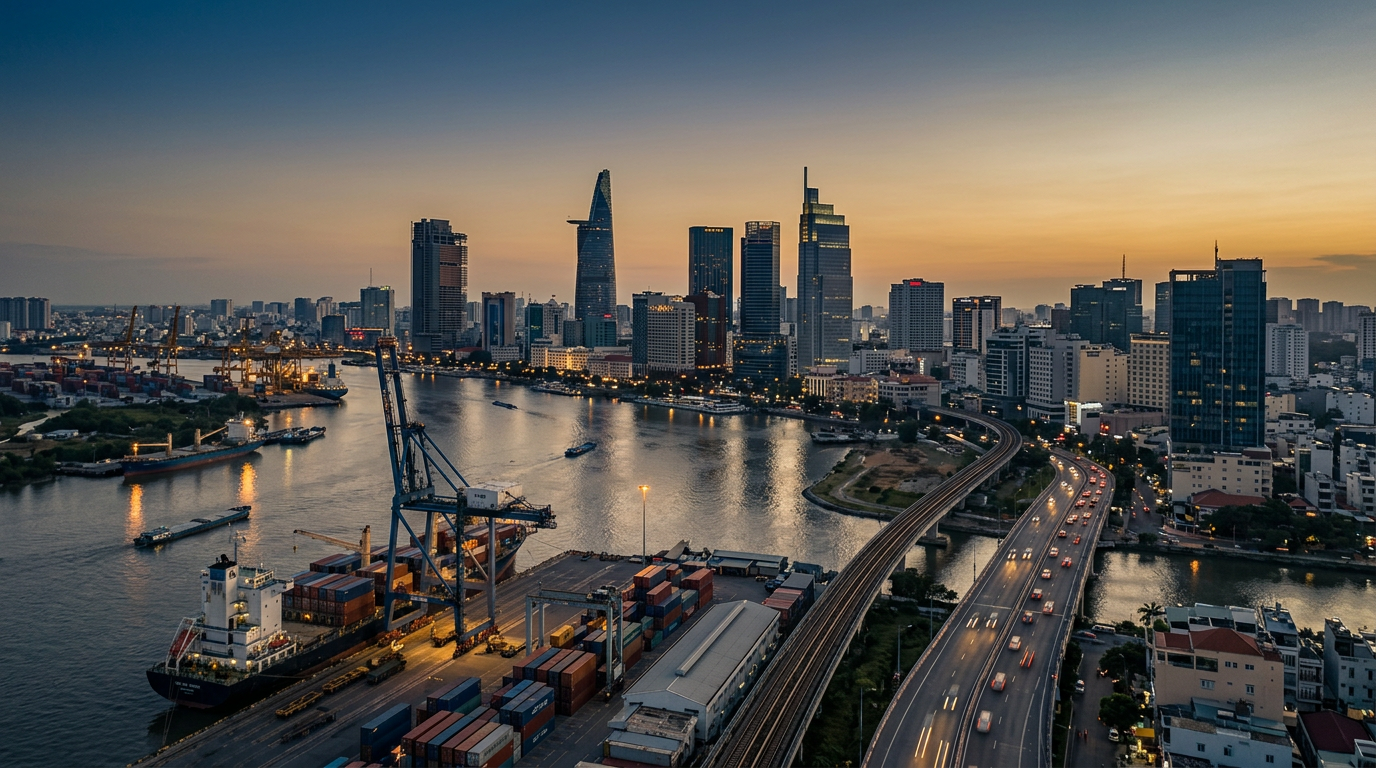
Vietnam's rising number of ultra-rich individuals is a marker of economic dynamism. The next step is to translate this affluence into durable, broad-based economic strength through institutional reform.
 Vietnam
's Growing Wealth and the Test of Institutions
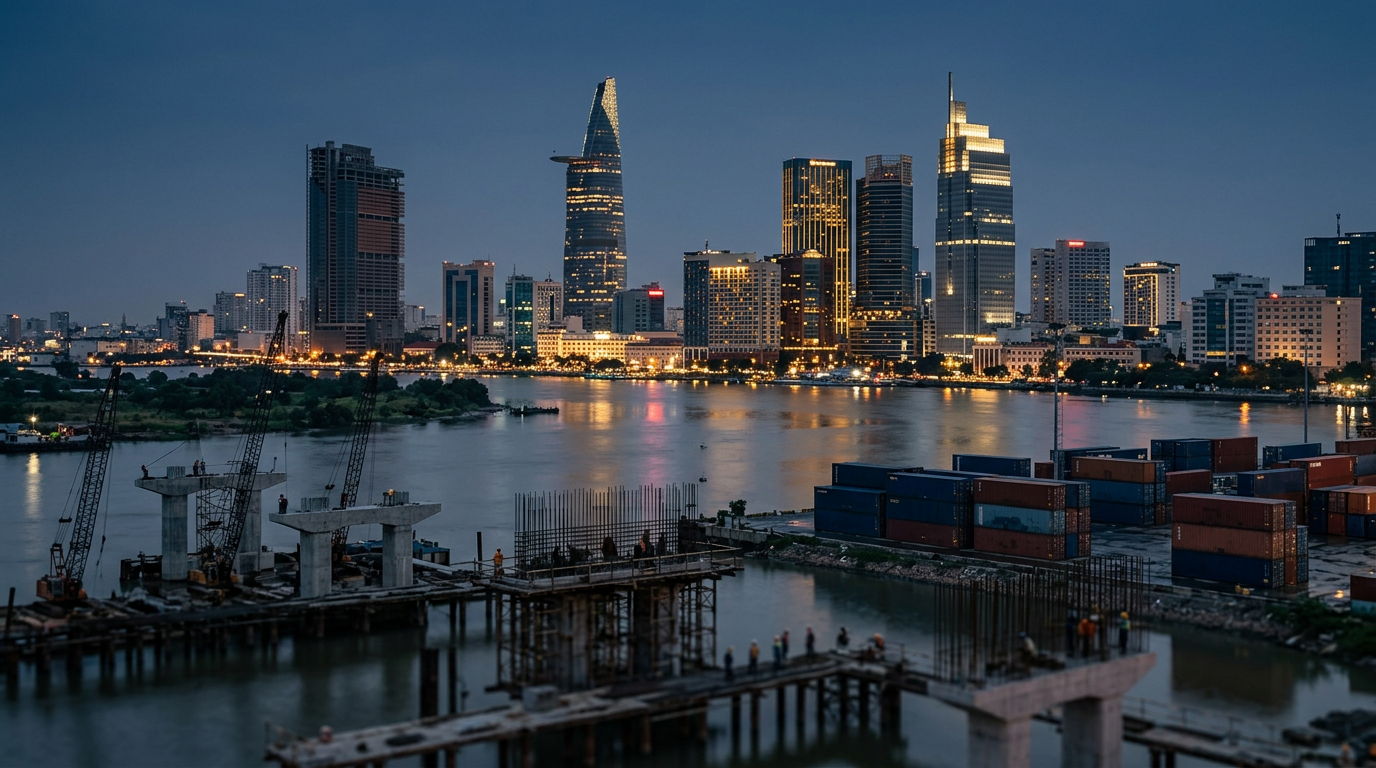
A rising count of ultra-rich individuals in Vietnam is a positive signal, but the country's next phase of growth depends on translating this wealth into broad-based economic capacity.
 Vietnam
's Growing Wealth: From High Net Worth to Investable Depth
A recent report highlights the rapid growth of Vietnam's ultra-high-net-worth population. While a sign of economic dynamism, this growth in private wealth must be channeled into productive, long-term investment to sustain the country's development trajectory.
 Vietnam
Capital in Vietnam: From Wealth to Investable Depth
Vietnam's expanding class of ultra-rich individuals is a sign of economic dynamism. The next step is translating that capital into broad, investable economic depth through institutional reform.
 Vietnam
's Private Capital Surge Tests Institutional Capacity
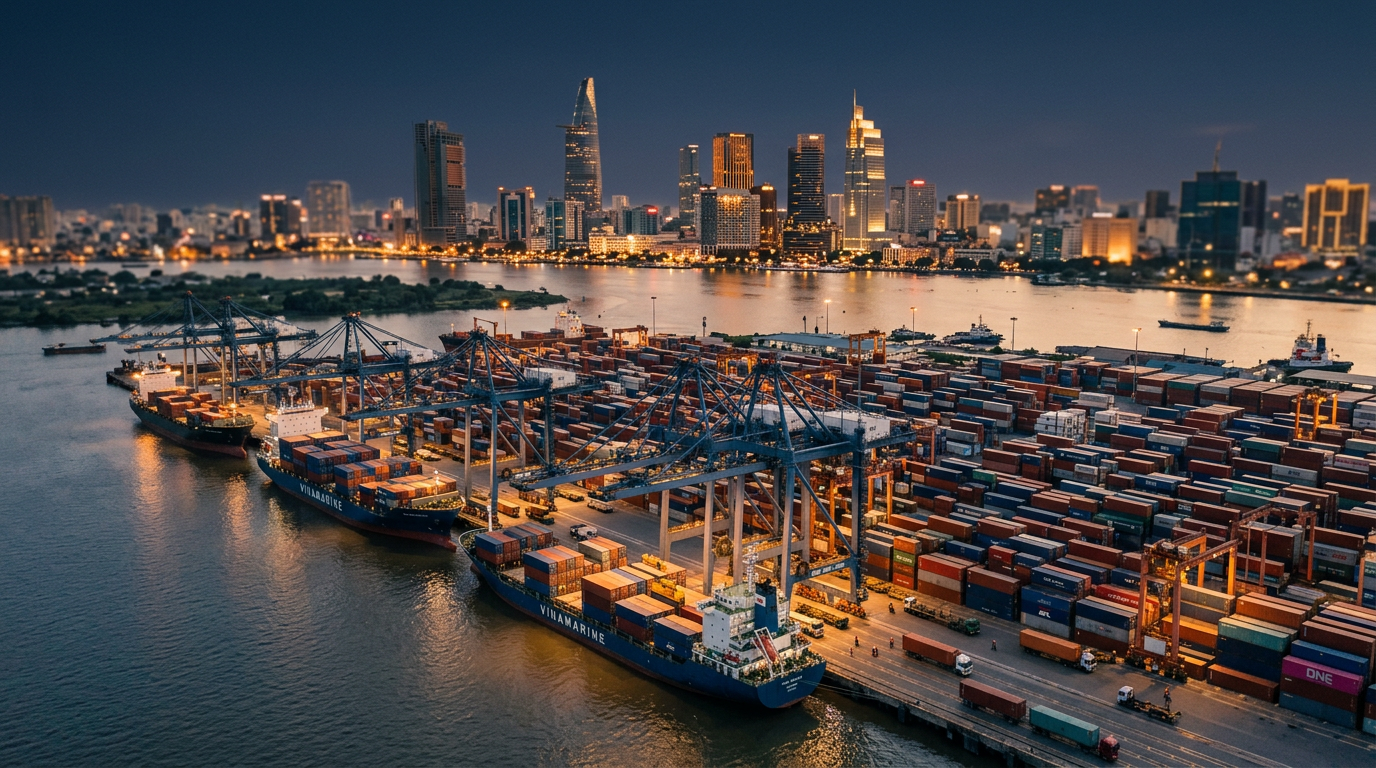
A rapid rise in private wealth is a positive indicator for Vietnam, but channeling this new capital into productive, long-term national assets requires robust institutional and regulatory frameworks.
 Vietnam
Capital and Institutions in Vietnam
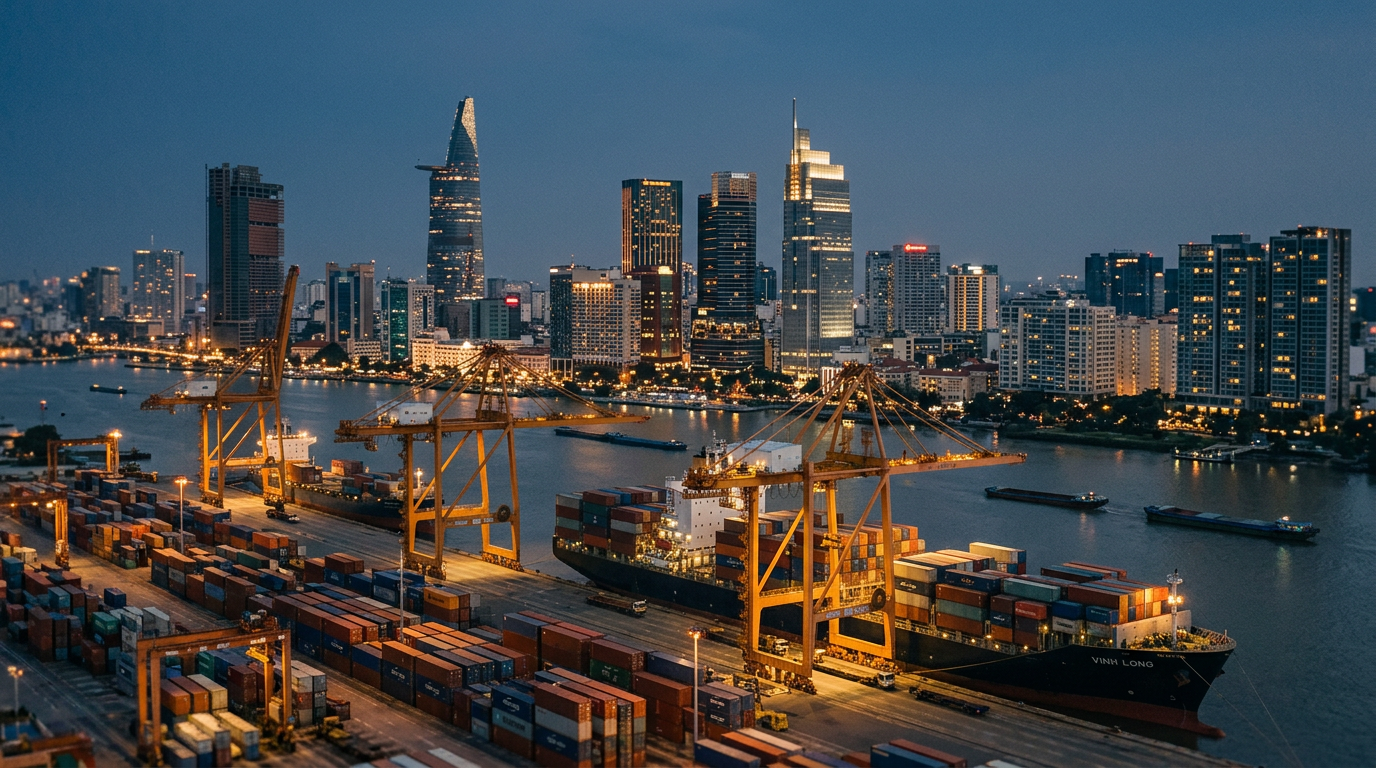
Vietnam's fast-growing cohort of wealthy individuals is a sign of economic dynamism, but converting this domestic capital into durable national assets requires stronger institutional frameworks.
 Vietnam
's Growing Wealth: From Affluence to Investment
The rapid growth in Vietnam's ultra-rich population is a notable headline, but translating this domestic capital into productive, long-term investment requires institutional strengthening and a focus on execution.
 Philippines
The Signal Value of Infrastructure That Arrives On Time
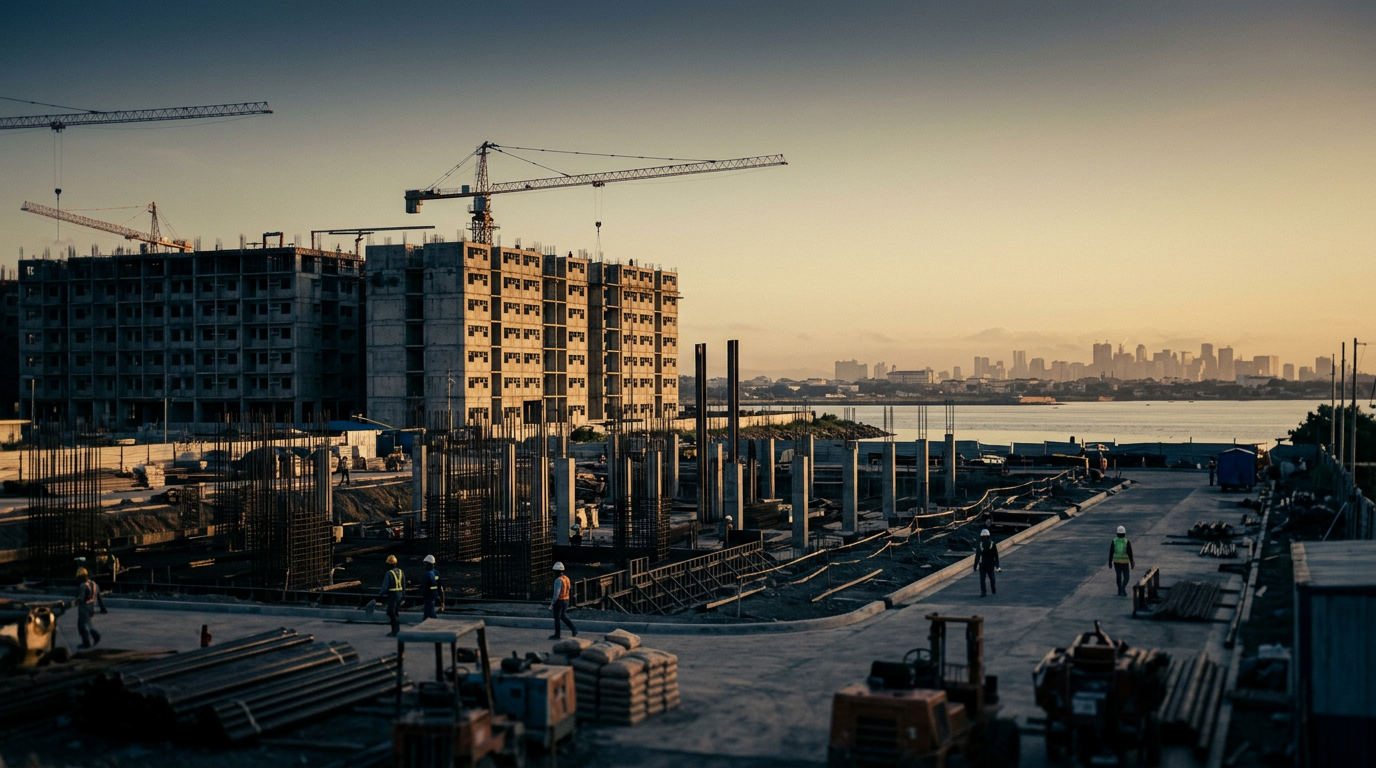
In the Philippines, the rapid progress of a public-private housing project in Cavite demonstrates the growing importance of institutional reliability and execution in driving ASEAN's competitive advantage.
 Philippines
The Philippines: Capital for Water Infrastructure
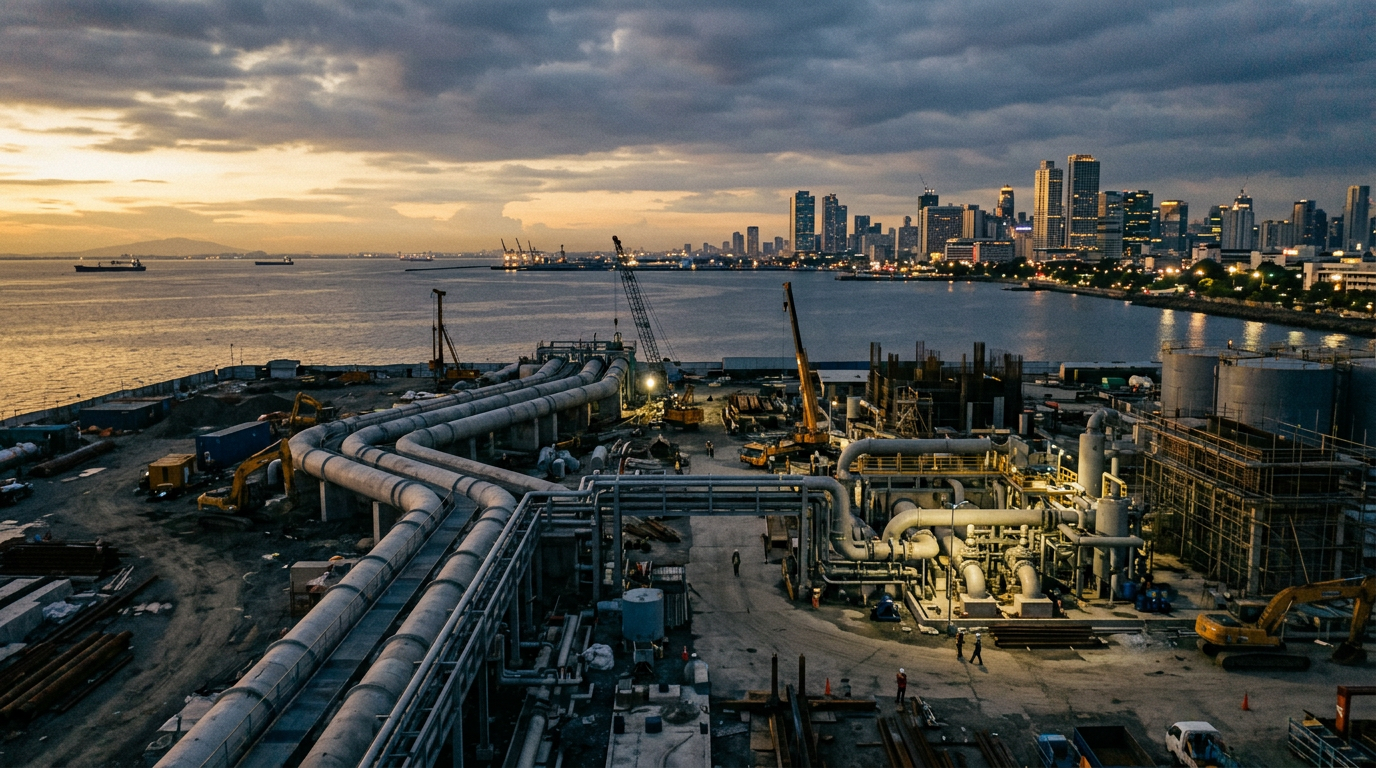
A follow-on share offer by a listed Philippine water company highlights the nation's challenge in delivering reliable infrastructure.
 Philippines
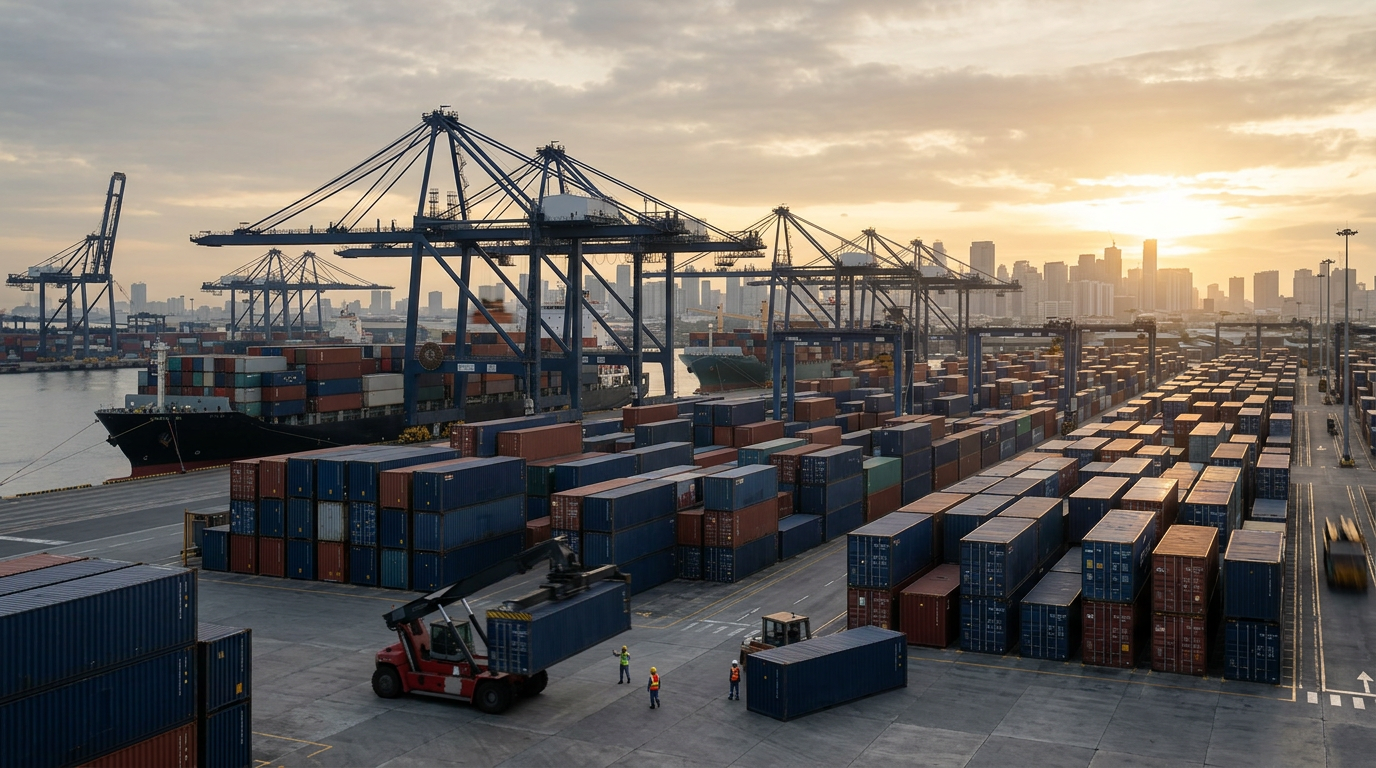
The RCEP Question for the Philippines: Export Engine or Import Gateway?
For the Philippines, the RCEP trade pact presents a clear choice: will it be a channel for boosting exports or a floodgate for imports? The answer will depend on institutional execution and the ability to attract long-term capital.
 Vietnam
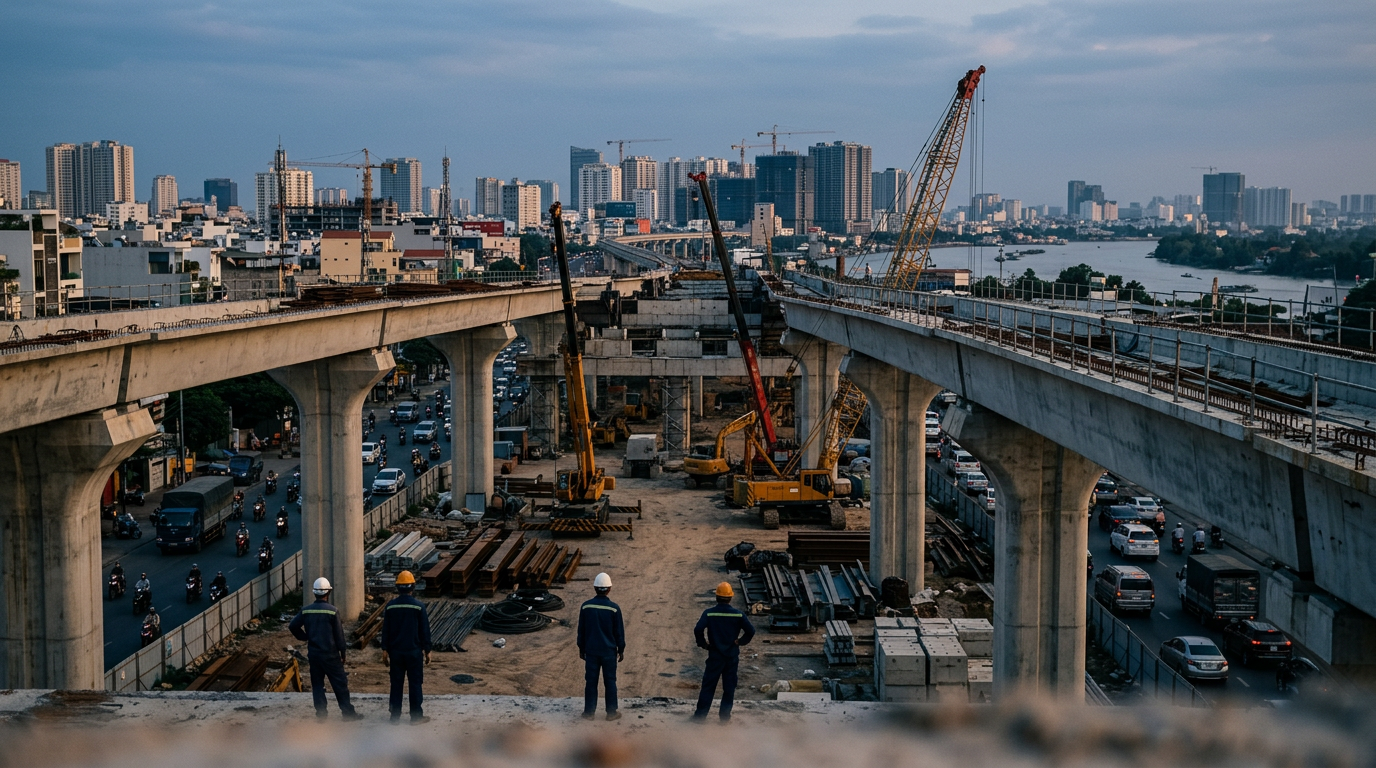
The Price of Hesitation on Infrastructure
Delayed infrastructure projects, such as airport expansions, impose real economic costs. For ASEAN to maintain its growth, the focus must shift from announcing ambitious plans to executing them efficiently and transparently.
 Philippines
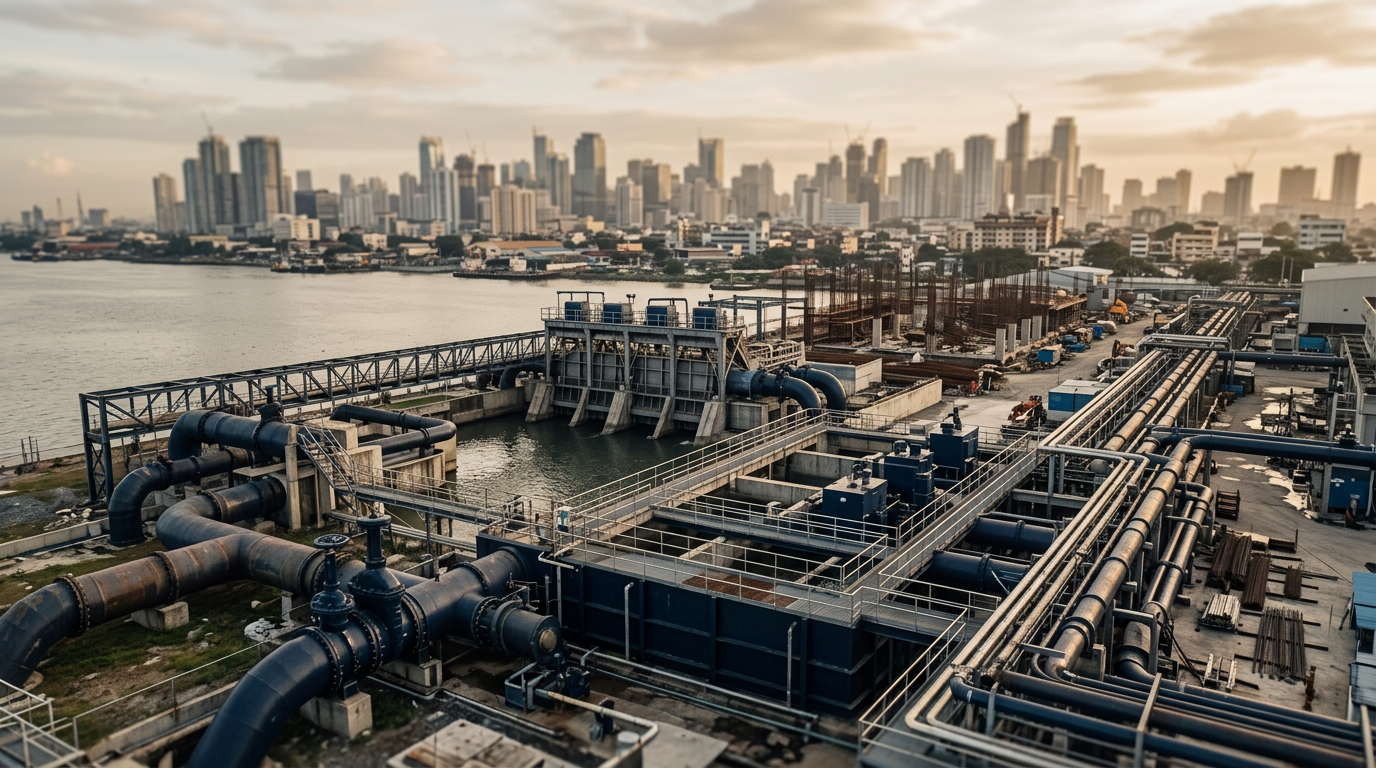
 Water Infrastructure and the Value of a Usable State
A planned P1.8 billion share offer by a Philippine water utility highlights the importance of reliable project execution over mere announcements.
 Philippines
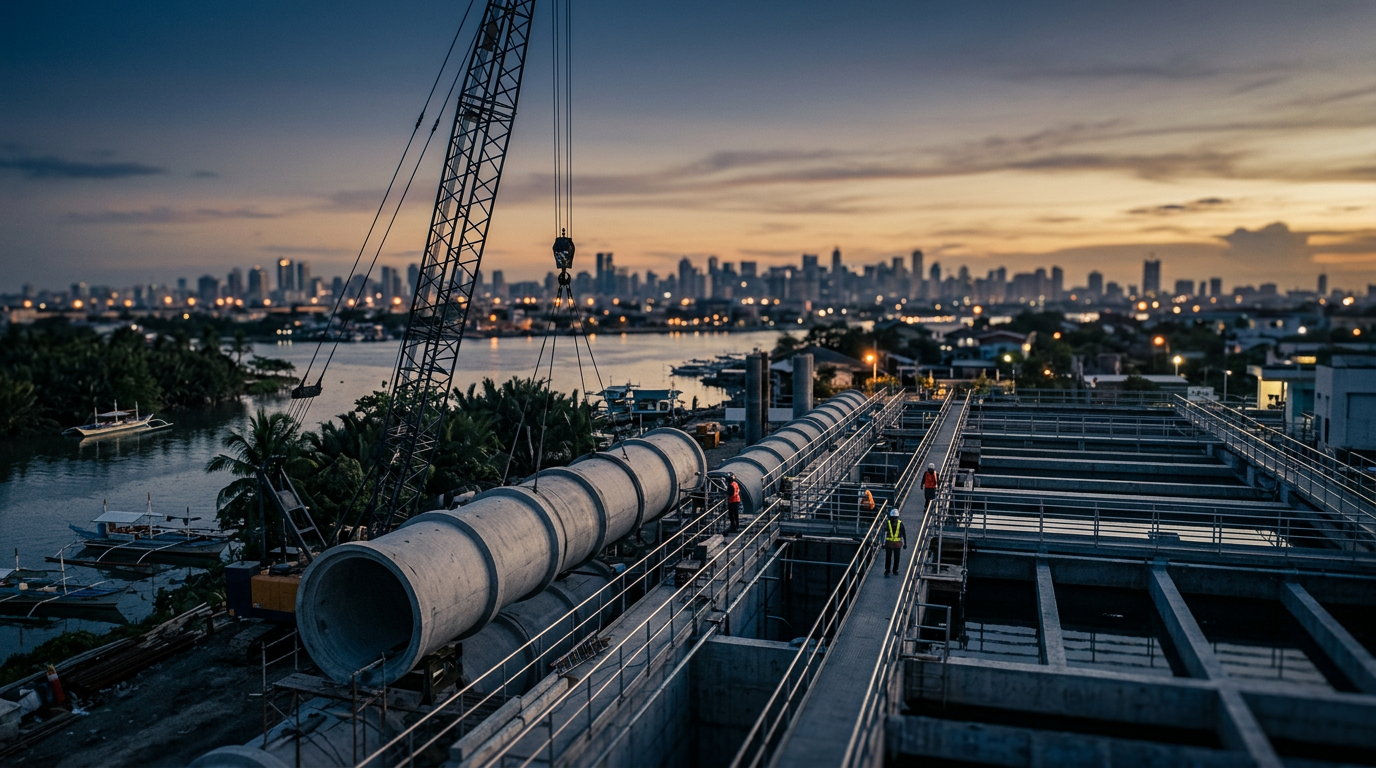
Philippine Water Projects Highlight the Value of Execution
A planned P1.8 billion share offer for water infrastructure in the Philippines shows how reliable state capacity and timely execution are becoming a key part of regional comparative advantage.
 Philippines
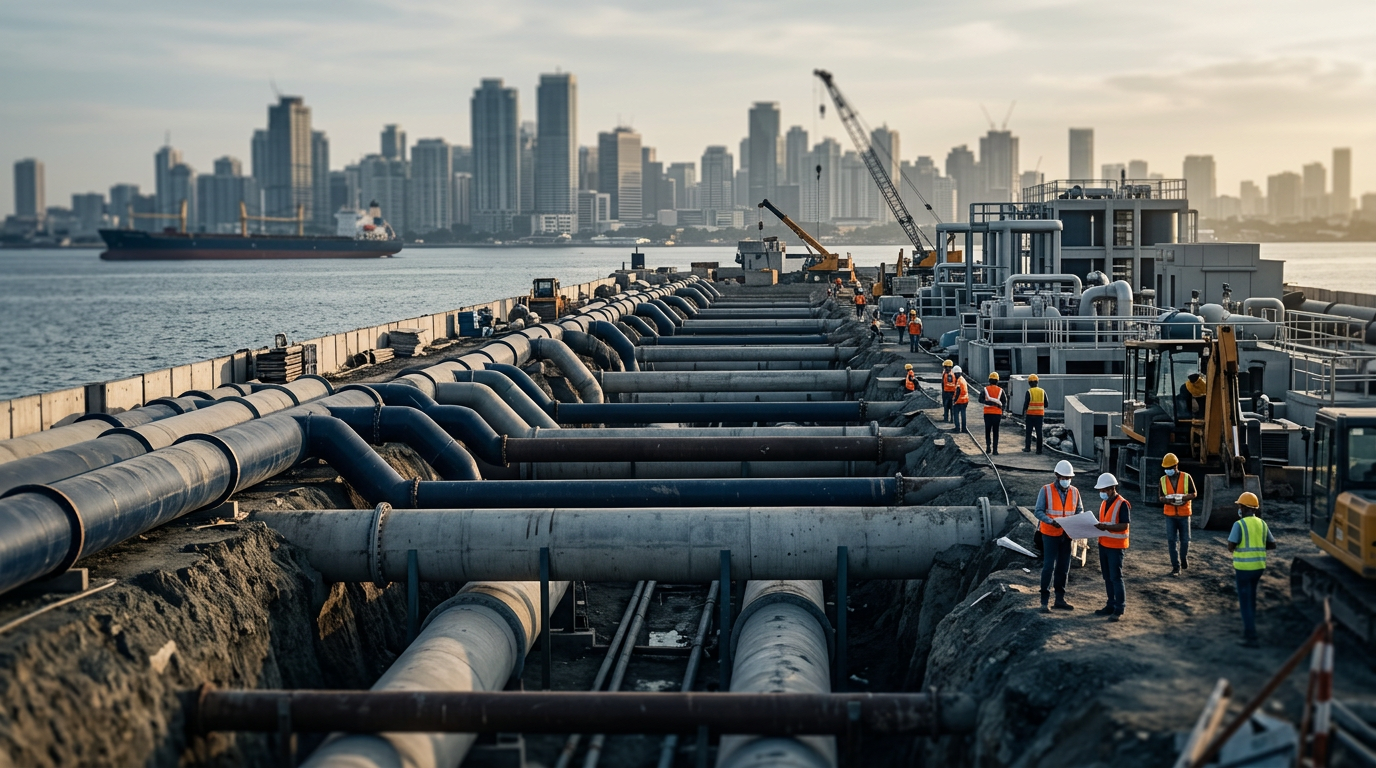
The Price of Water in the Philippines
A planned P1.8 billion share offer by Tubig Pilipinas highlights the slow, capital-intensive work of building basic infrastructure. For the Philippines, the capacity to execute matters more than ambitious announcements.
 Philippines
The Philippines Confronts its Water Infrastructure Deficit
A planned P1.8 billion share offer by a Philippine water utility highlights the nation's urgent need to match infrastructure announcements with execution. The gap between stated goals and on-the-ground reality tests state capacity and investor confidence.
 Philippines
The Price of Water in the Philippines
Tubig Pilipinas Holdings' plan to raise P1.8 billion through a follow-on share offer is a test of investor confidence in the country's water infrastructure sector, where institutional reliability is a core component of comparative advantage.
 Thailand
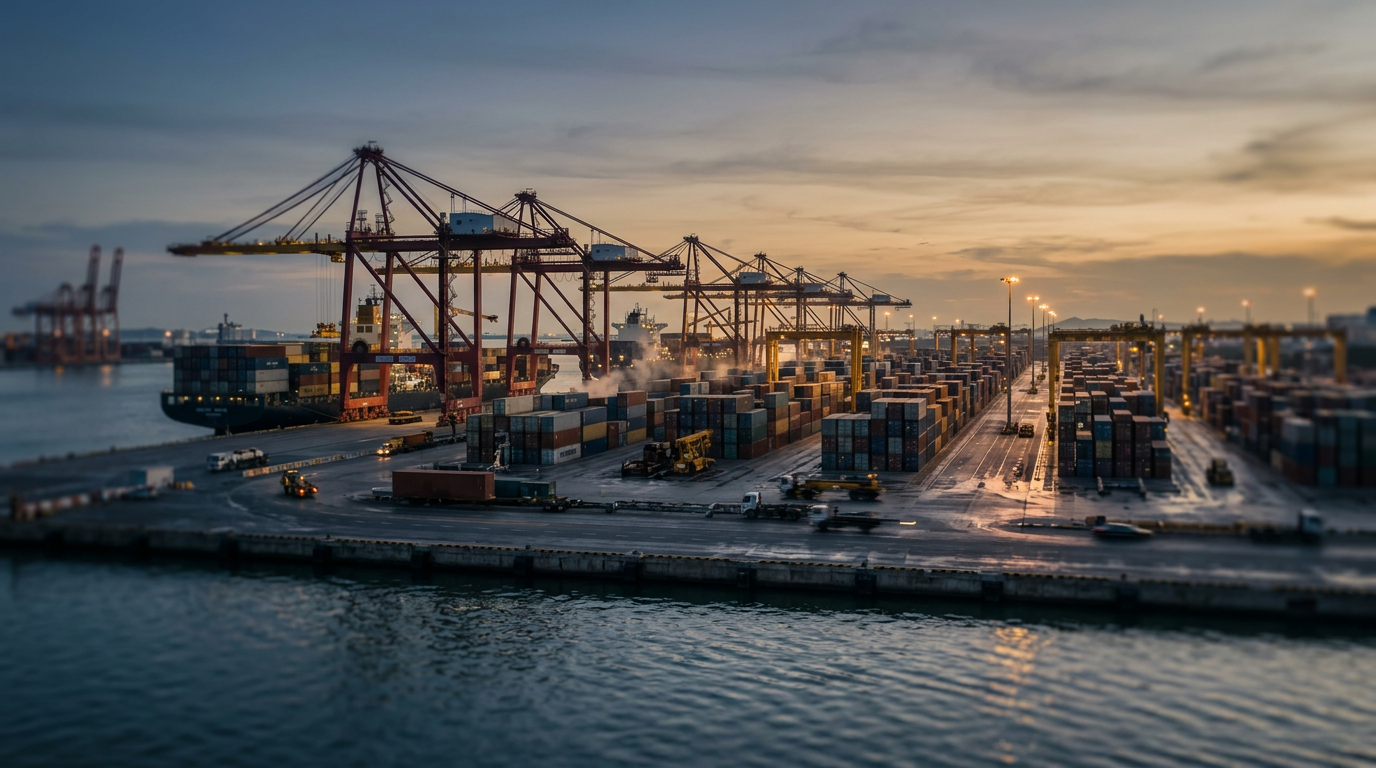
 Signals State Capacity With Industrial Reuse
In a competitive region, a usable state is often more valuable than an exciting one. The ability to execute on infrastructure projects builds trust and signals comparative advantage.
 Philippines
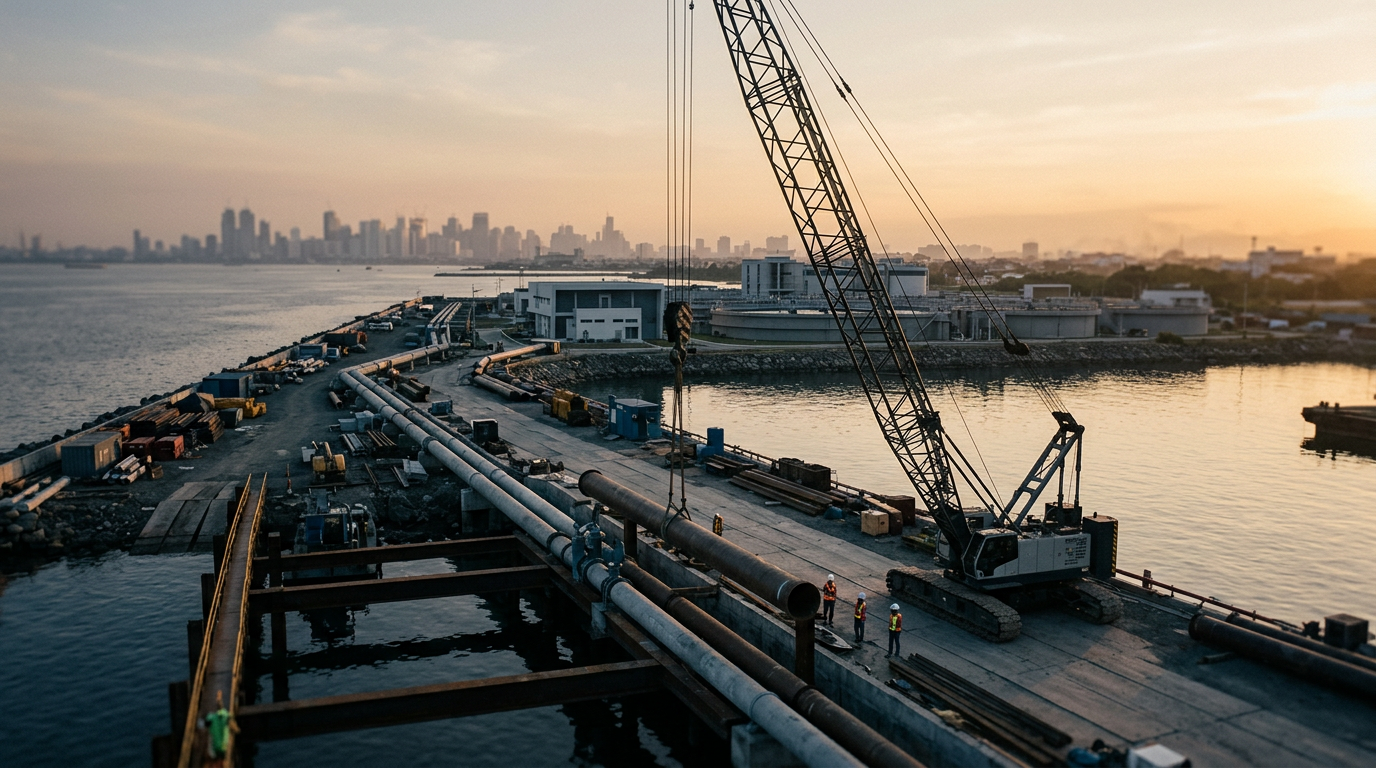
 Water Infrastructure and the Value of a Usable State
A planned P1.8 billion share offer by a Philippine water company highlights the capital-intensive nature of infrastructure development and the value of reliable execution over mere announcements.
 Thailand
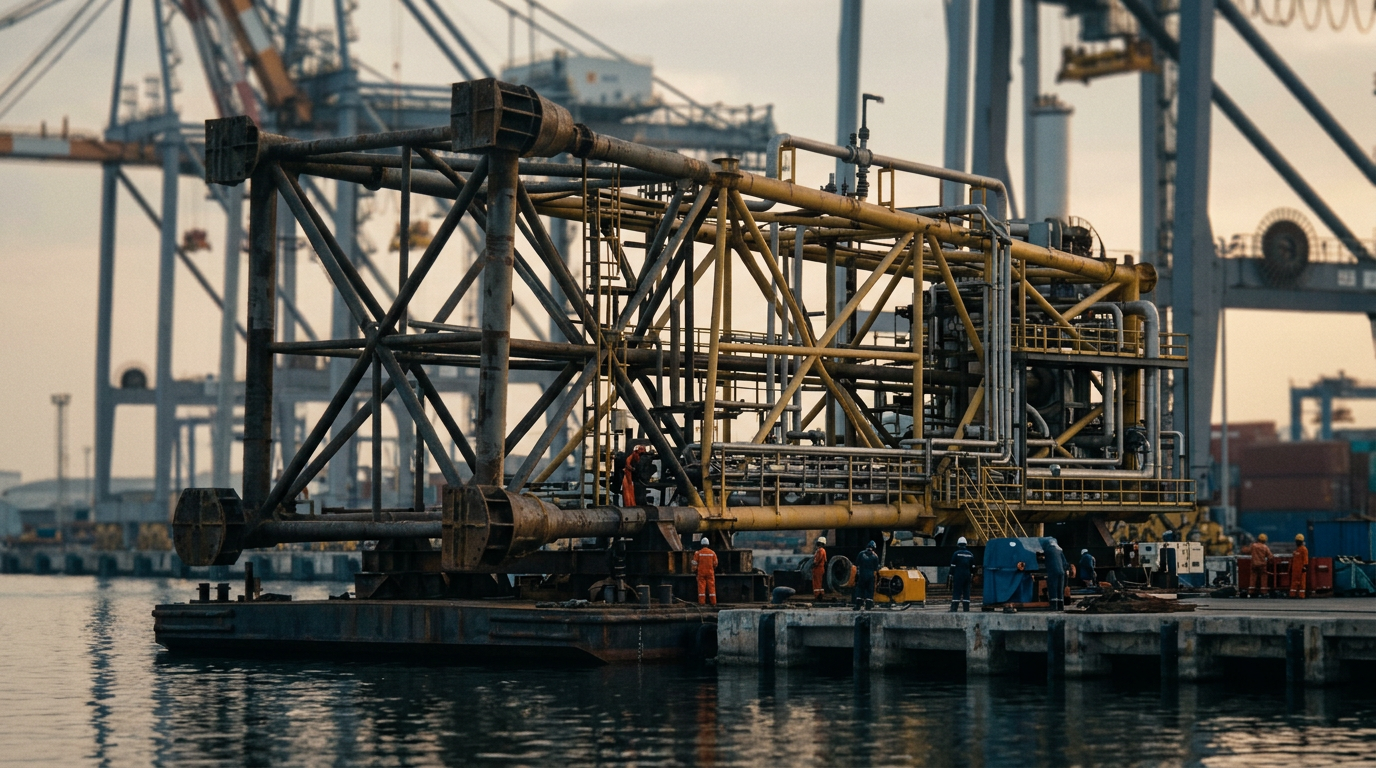
Reliability as a Resource: Chevron's Thailand Platform Reuse
Chevron's award-winning platform reuse project in Thailand shows how usable infrastructure creates more value than announced infrastructure.
 Philippines
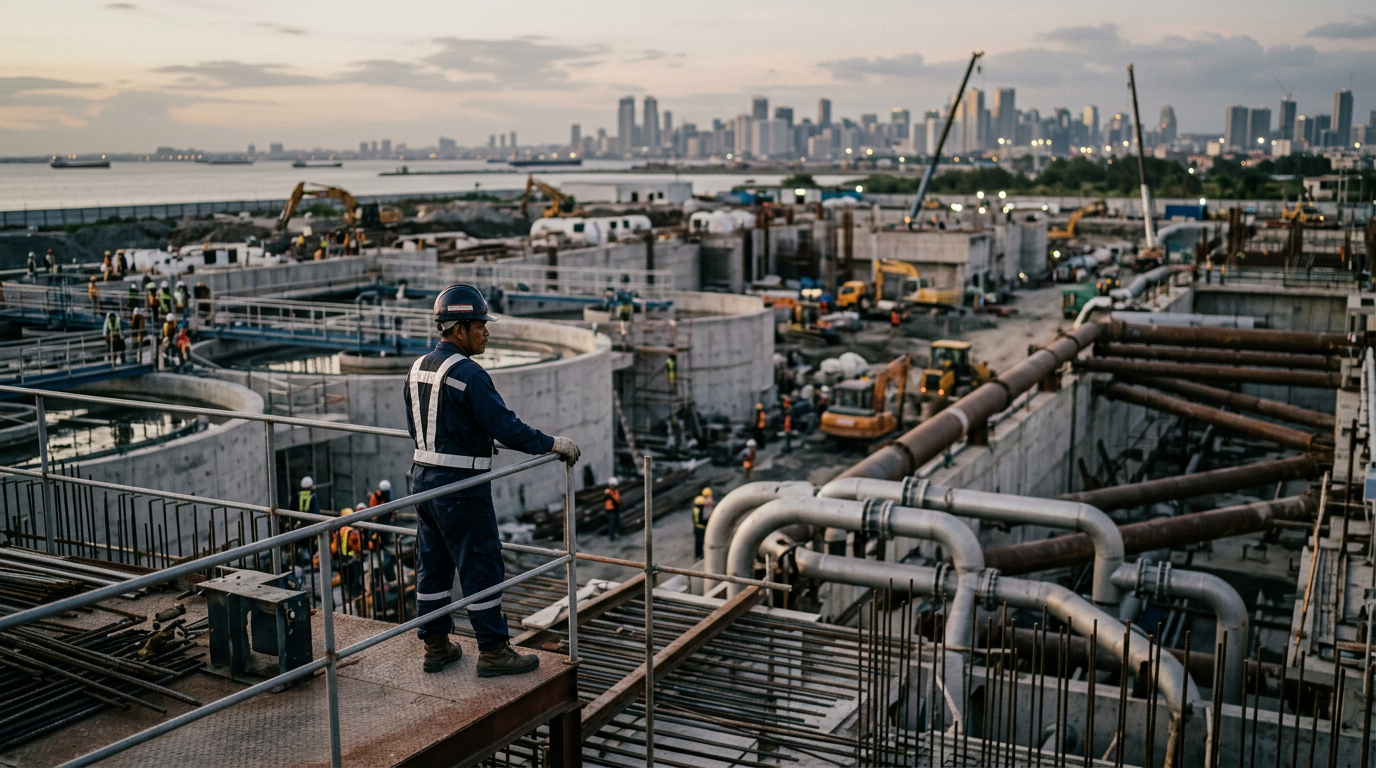
Philippine Water Utility's P1.8B Share Offer Shows Infrastructure Execution Challenge
A planned P1.8 billion share offer from a Philippine water utility highlights the execution challenges for infrastructure projects across the region.
 Thailand
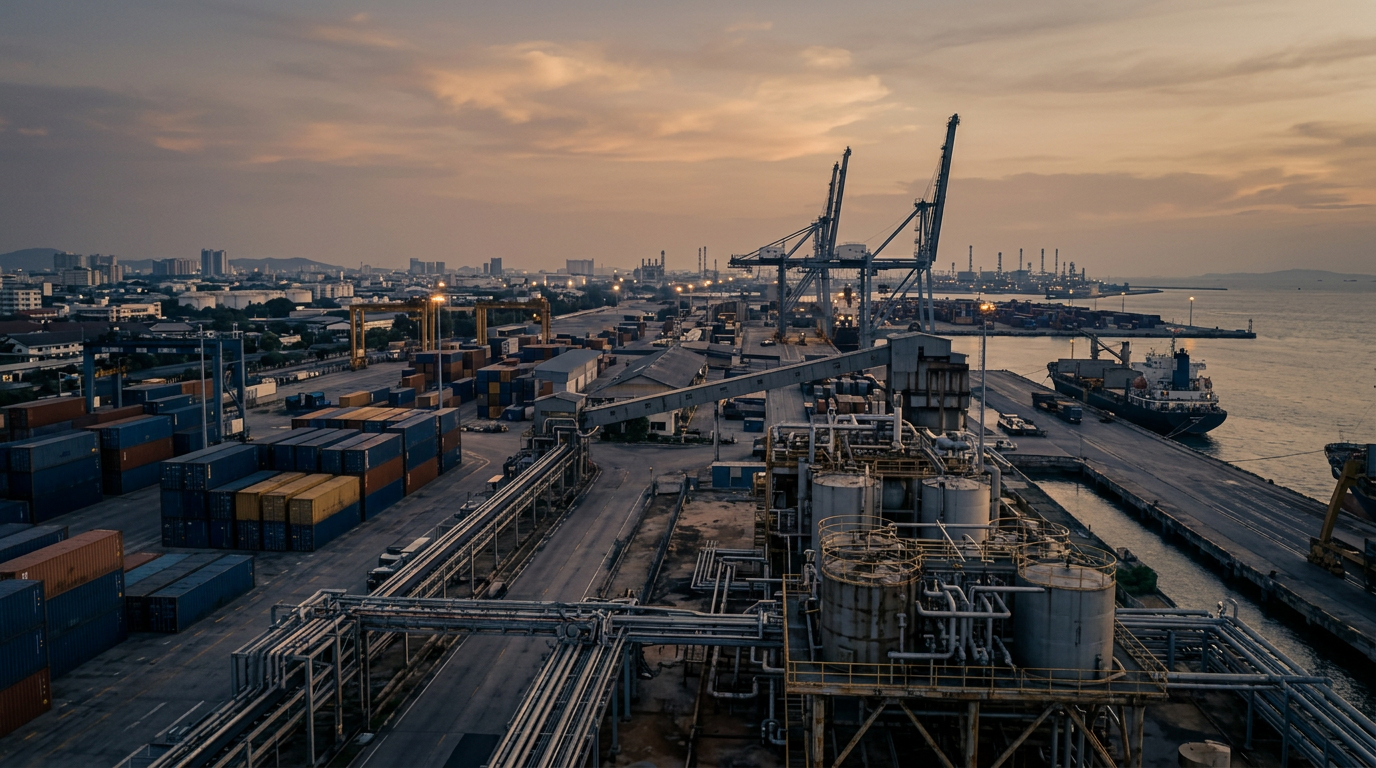
 Prizes Signal a New Infrastructure Focus
An award for Chevron's platform reuse project in Thailand is a small but telling indicator of a broader shift in ASEAN infrastructure strategy. The new emphasis is on upgrading existing assets and improving institutional processes, not just announcing new megaprojects.
 Philippines
The Philippines Confronts Its Water Infrastructure Gap
A plan by a Philippine water utility to raise P1.8 billion is a small but telling indicator of the country's broader infrastructure ambitions and the institutional hurdles it must overcome to achieve them.
 Malaysia
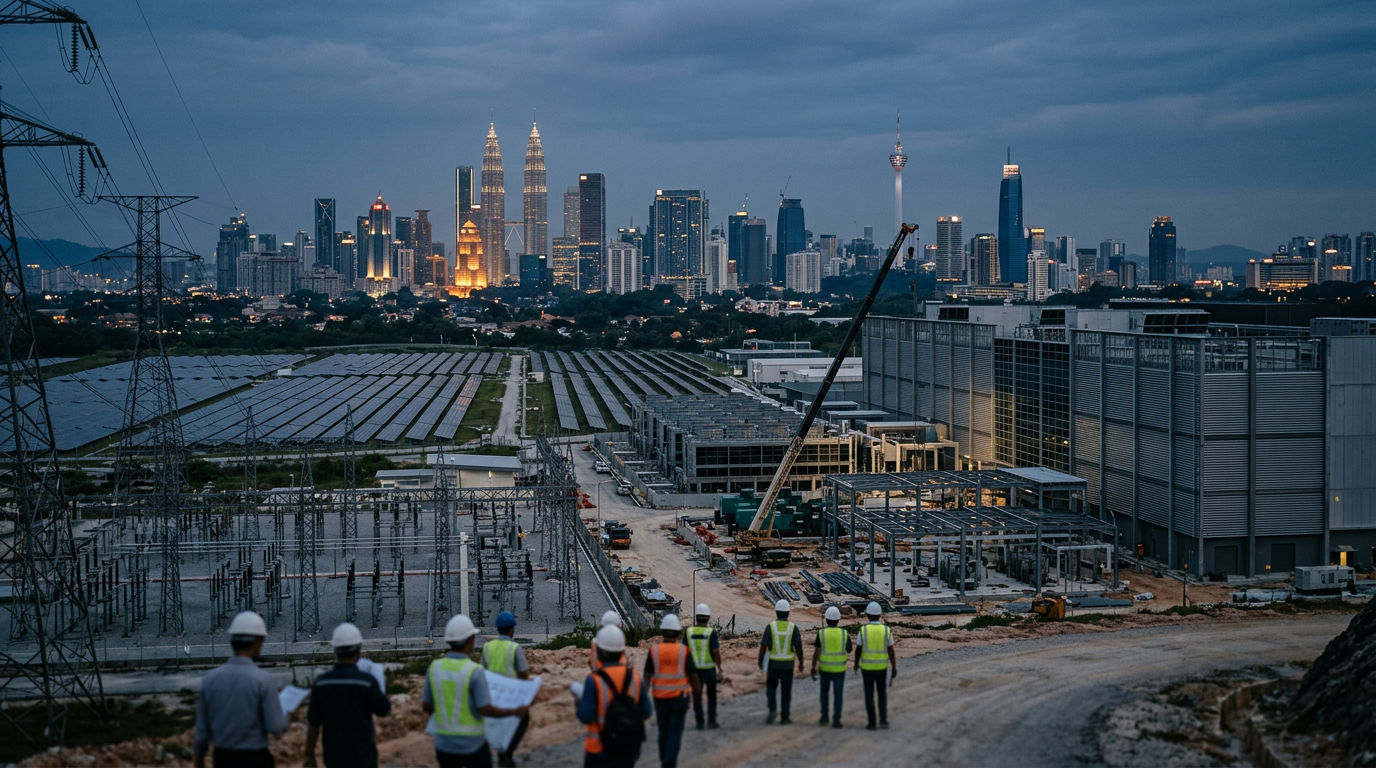
The Philippines' Data Center Ambition Hinges on Coordinated Power
A new venture aims to power data centers with renewable energy, but success will require more than just clean electricity. It demands the kind of deep capital and infrastructure coordination that has propelled regional leaders.
 Malaysia
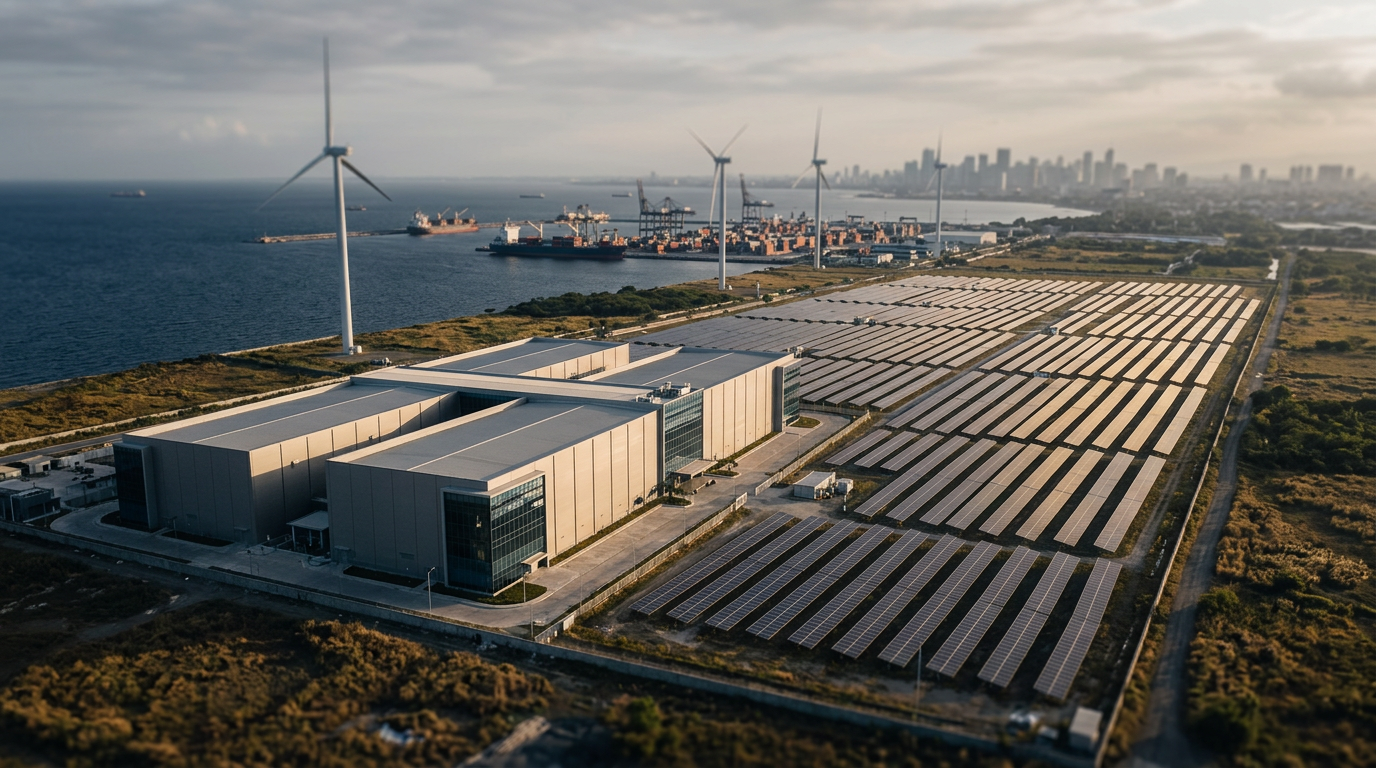
The Philippines Pursues Hyperscale with Green Energy
A new venture in the Philippines aims to pair renewable energy with data centers, a test of the country's ability to coordinate capital and infrastructure to attract hyperscale investment.
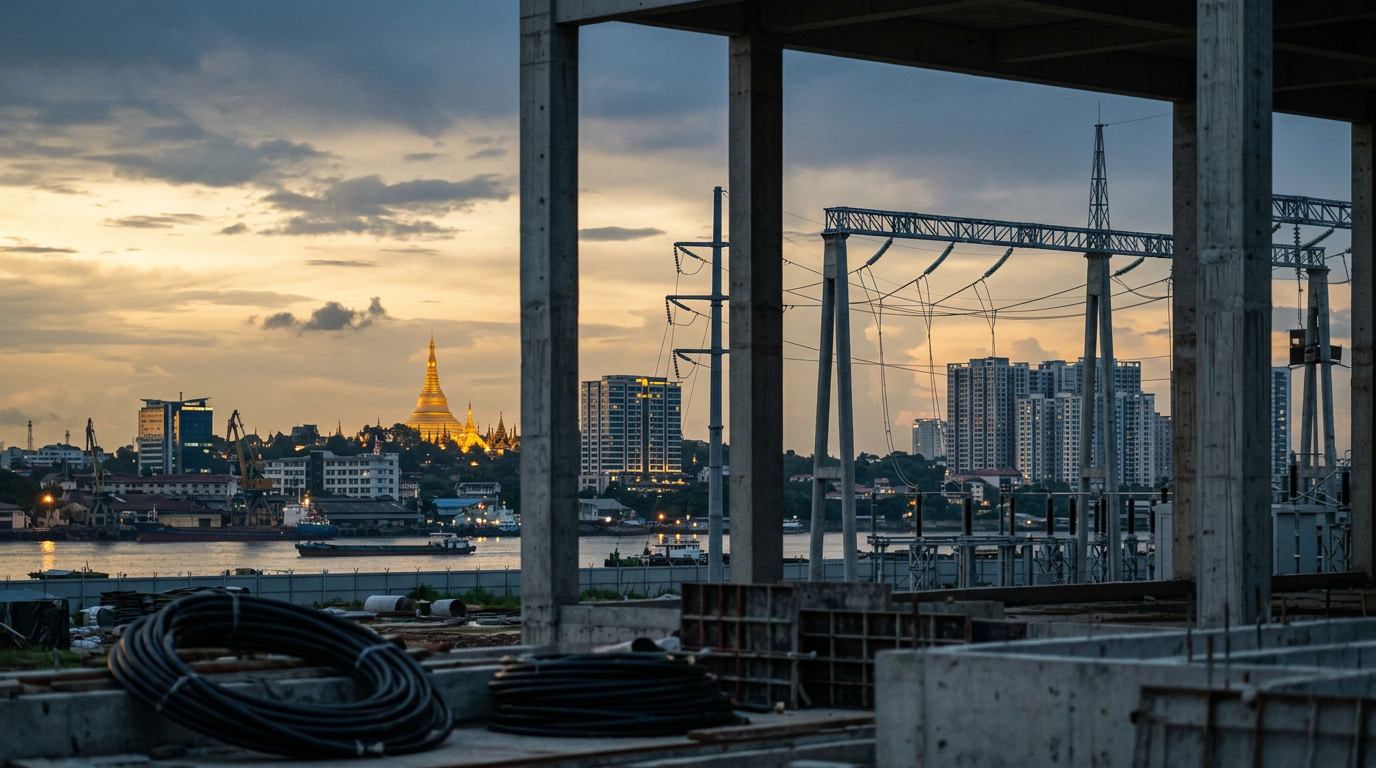
 Myanmar
State Capacity and ASEAN's Data Center Ambitions
The recent partnership between Infineon and Eaton to develop advanced power transformers for data centers highlights a critical factor for ASEAN's digital economy: the role of state capacity in delivering the reliable infrastructure necessary to attract high-value investment.
 Myanmar
Reliability is the New Green in ASEAN Data Centers
The partnership between Infineon and Eaton to develop new power transformers for data centers highlights a shift. It is not just about building more infrastructure, but about building better, more reliable systems to support the region's digital ambitions.
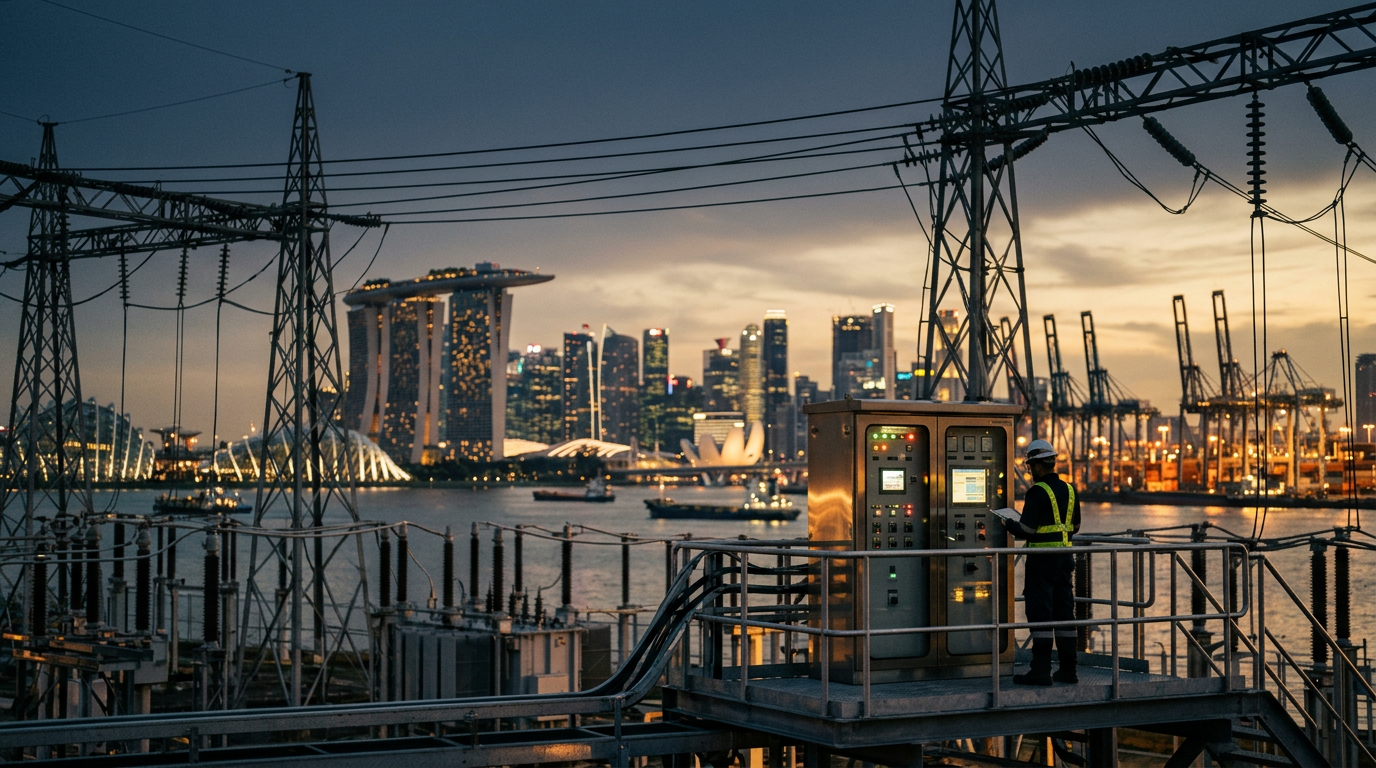 Singapore
's Open Electricity Market Navigates a Turbulent World
Amid global energy shocks, Singapore's agile electricity market demonstrates the value of institutional design and execution.
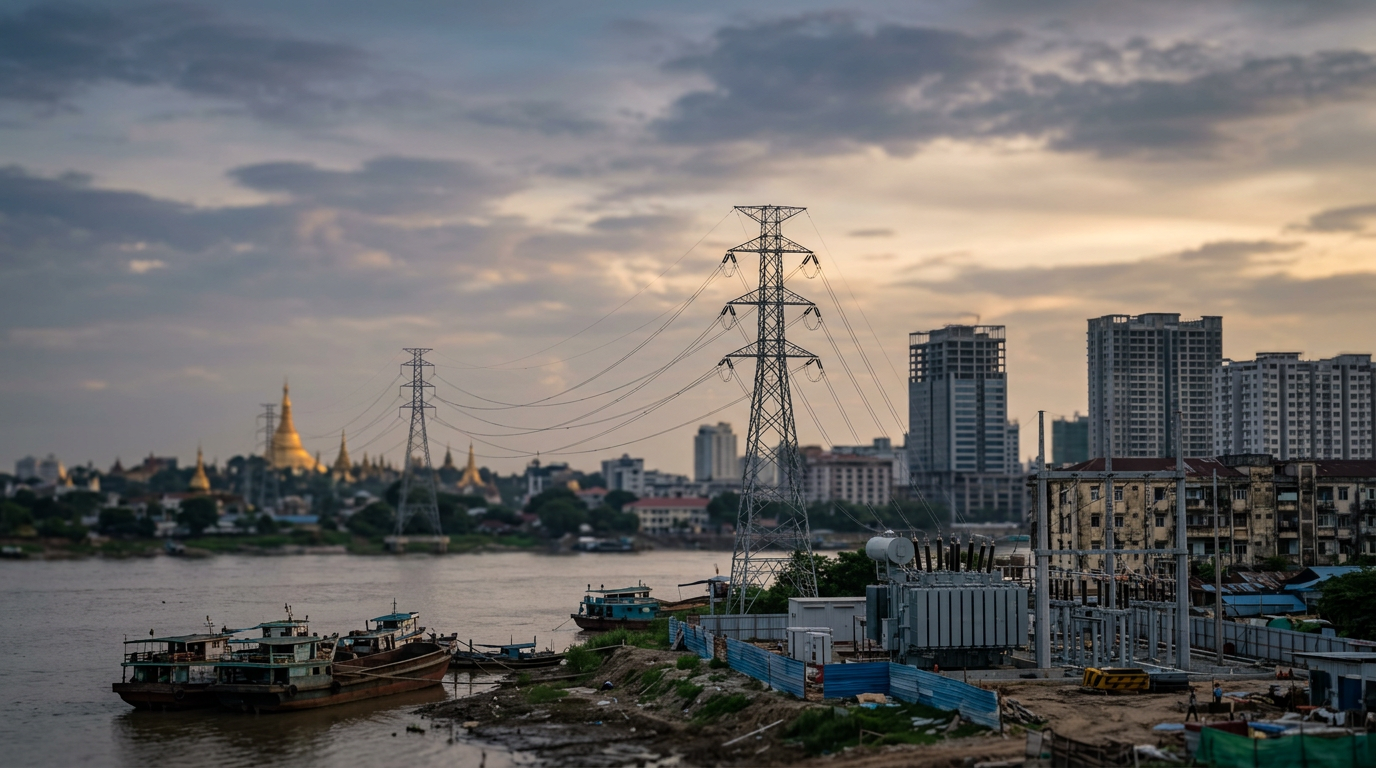 Myanmar
State Capacity and the Data Center
New power architectures for data centers are a reminder that institutional reliability has become part of comparative advantage. A usable state is often more valuable than an exciting one.
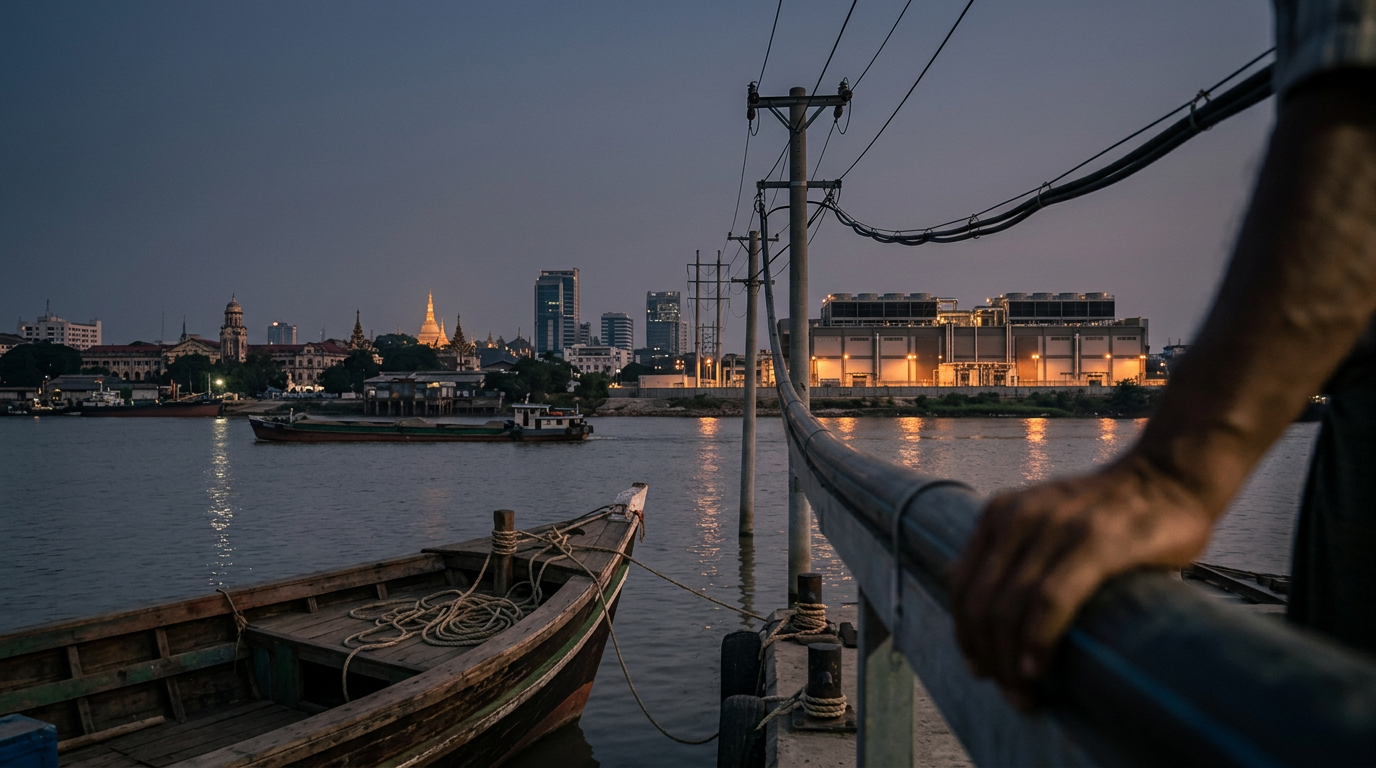 Myanmar
Data Centers Demand State Capacity
The new generation of data centers in Southeast Asia demands a new generation of reliable public infrastructure, starting with the power grid.
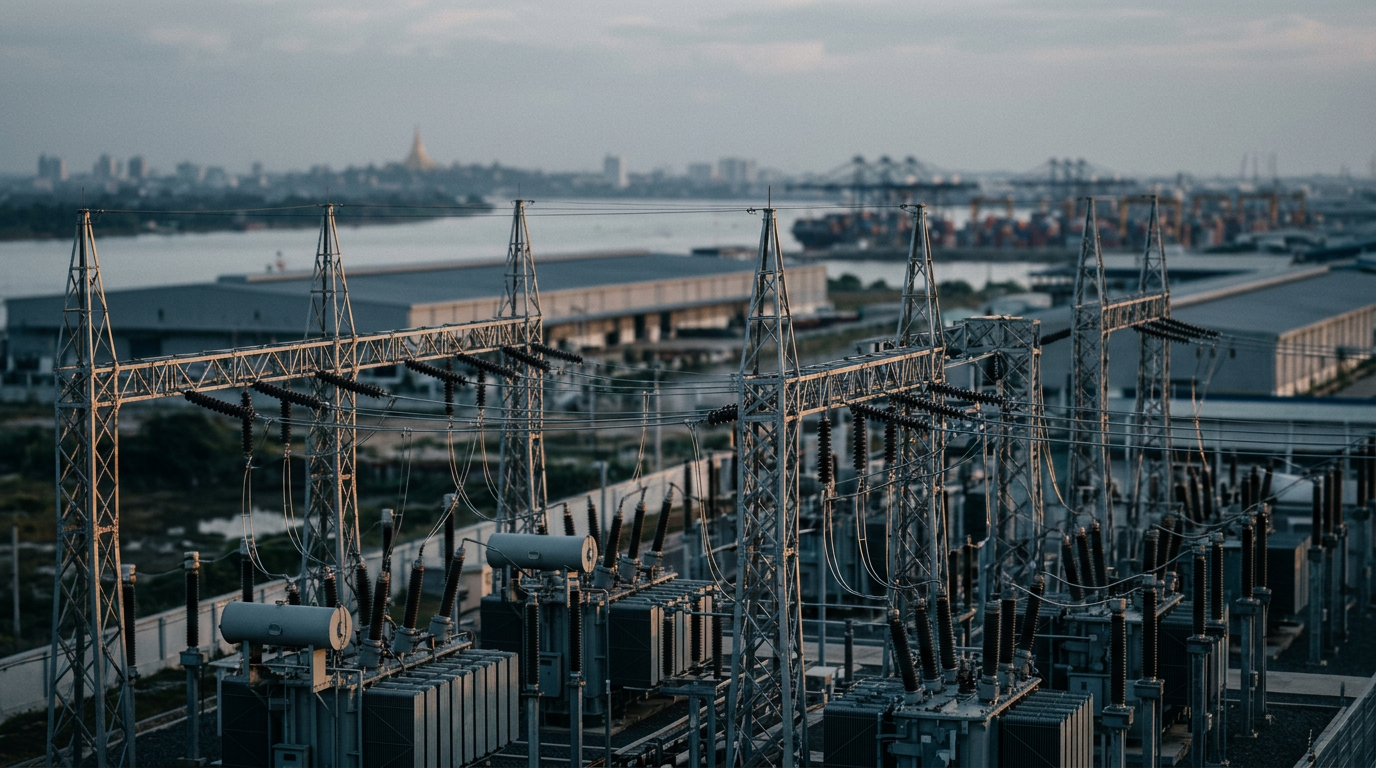 Myanmar
Reliable Power, Institutional Advantage
The recent partnership between Infineon and Eaton to develop next-generation power transformers for data centers highlights a core theme: institutional reliability is a key component of national comparative advantage.
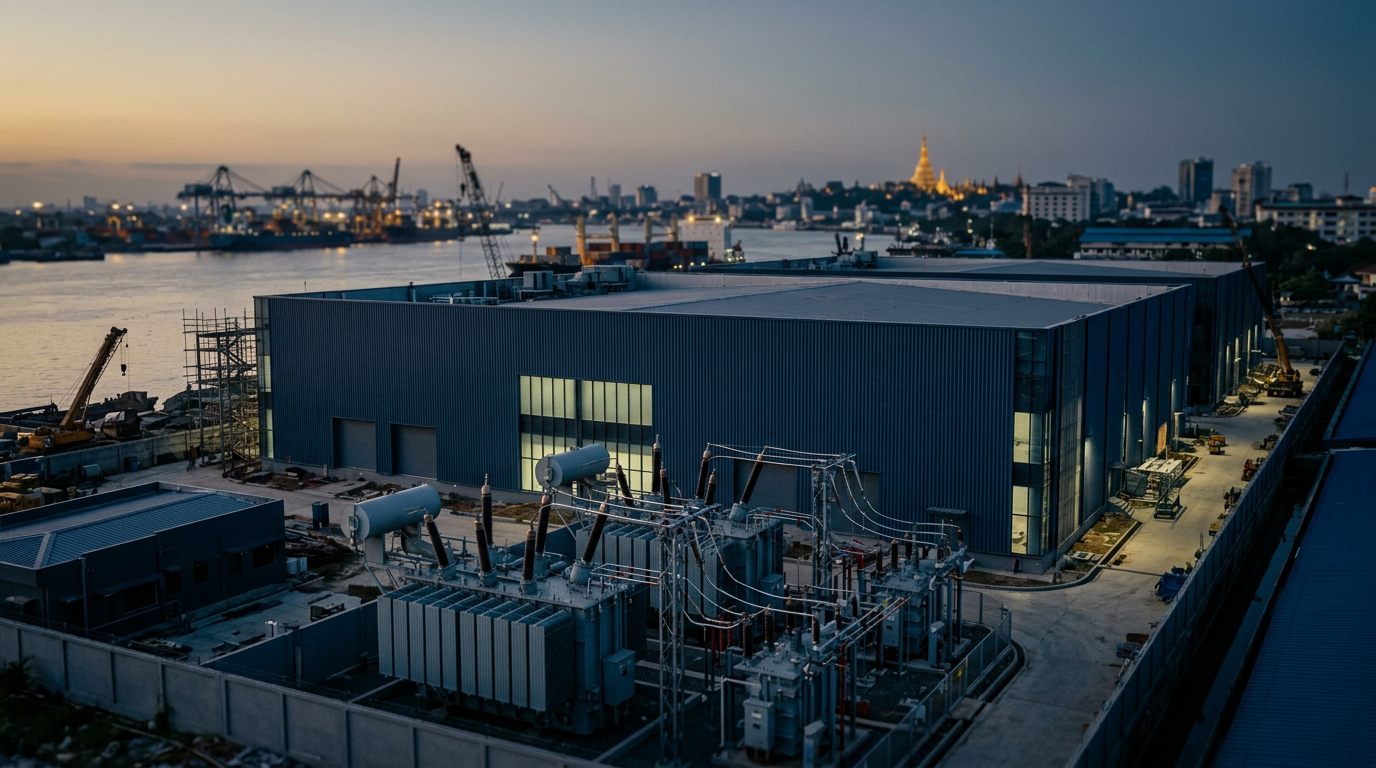 Myanmar
Reliable Infrastructure is the New Competitive Advantage in ASEAN
The recent partnership between Infineon and Eaton to develop next-generation power transformers for data centers highlights a critical theme: reliable infrastructure execution is becoming a key differentiator for ASEAN economies.
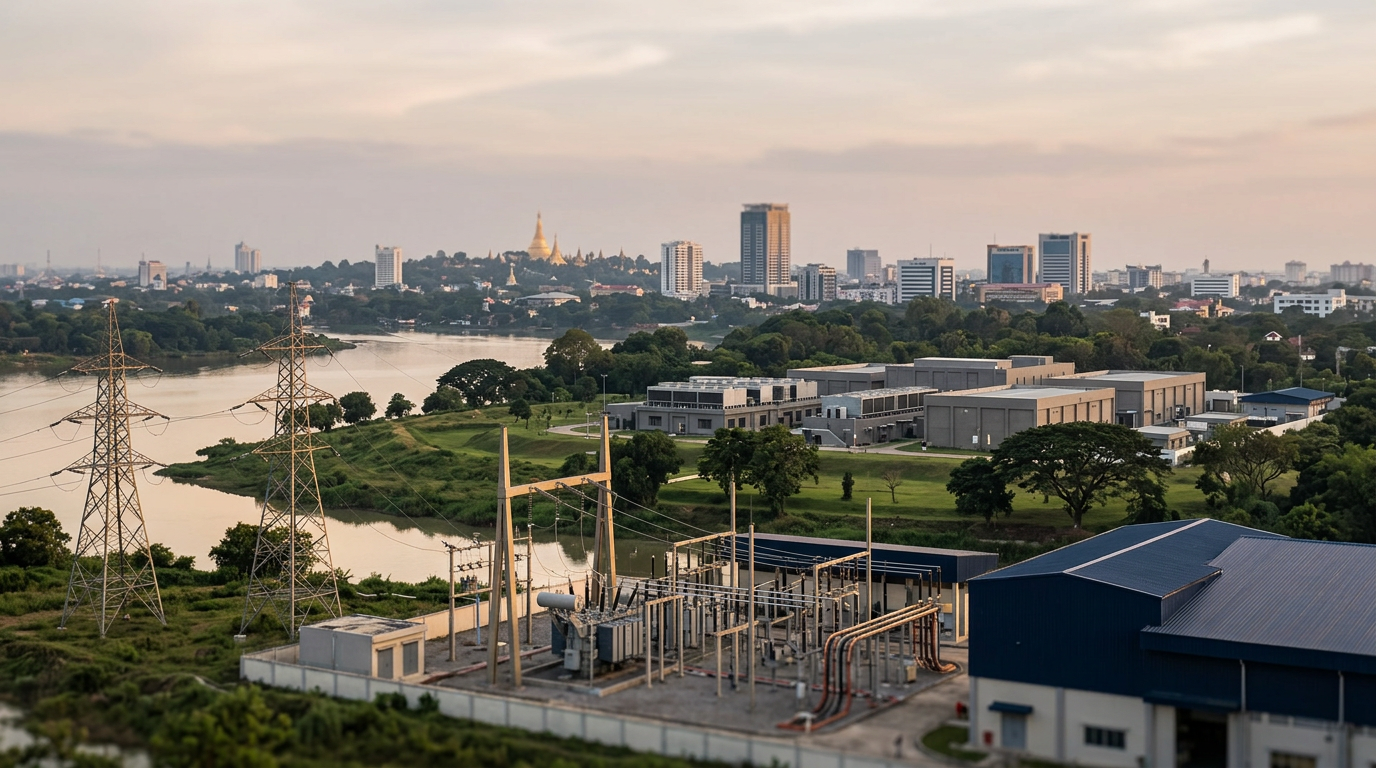 Myanmar
The Quiet Enabler: Reliable Power and ASEAN Data Centers
The recent Infineon-Eaton partnership highlights the critical role of reliable power infrastructure in attracting high-value digital investments to Southeast Asia.
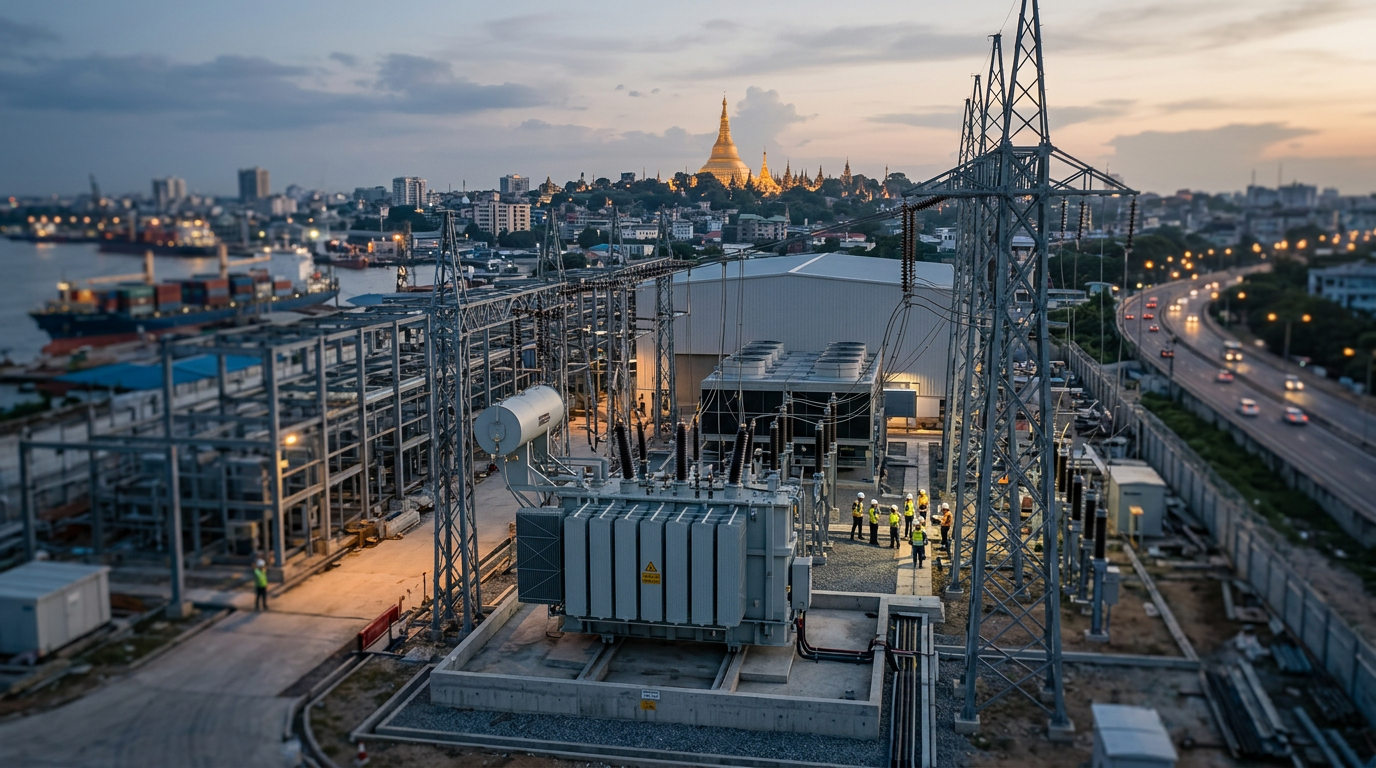 Myanmar
The Quiet Revolution in ASEAN's Power Infrastructure
A partnership between Infineon and Eaton to develop advanced transformers for data centers highlights a shift in ASEAN's value proposition from low-cost manufacturing to high-value, reliable infrastructure.
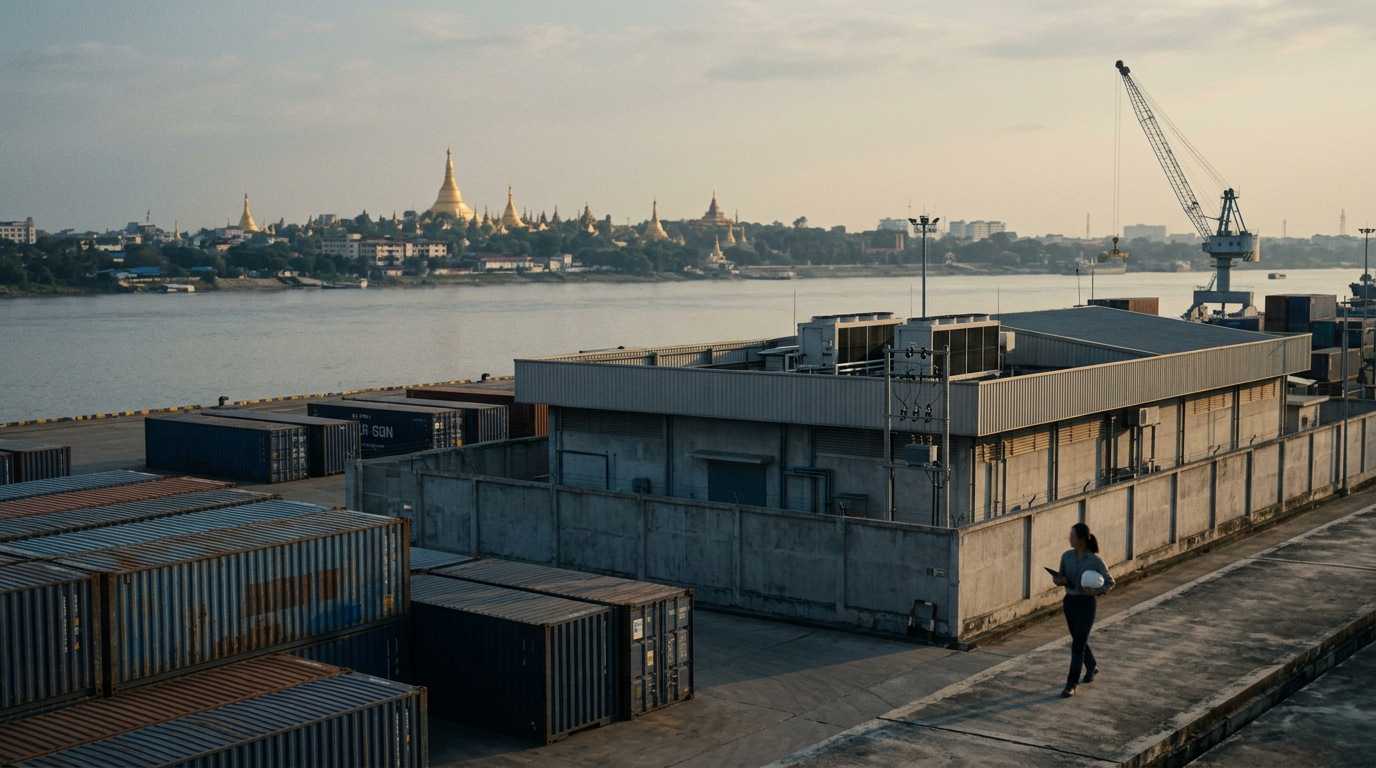 Myanmar
State Capacity and the Future of ASEAN Data Centers
As global technology firms deepen their investment in ASEAN data center infrastructure, the region's long-term competitive advantage will be determined by state capacity and institutional reliability, not just by announcements of new projects.
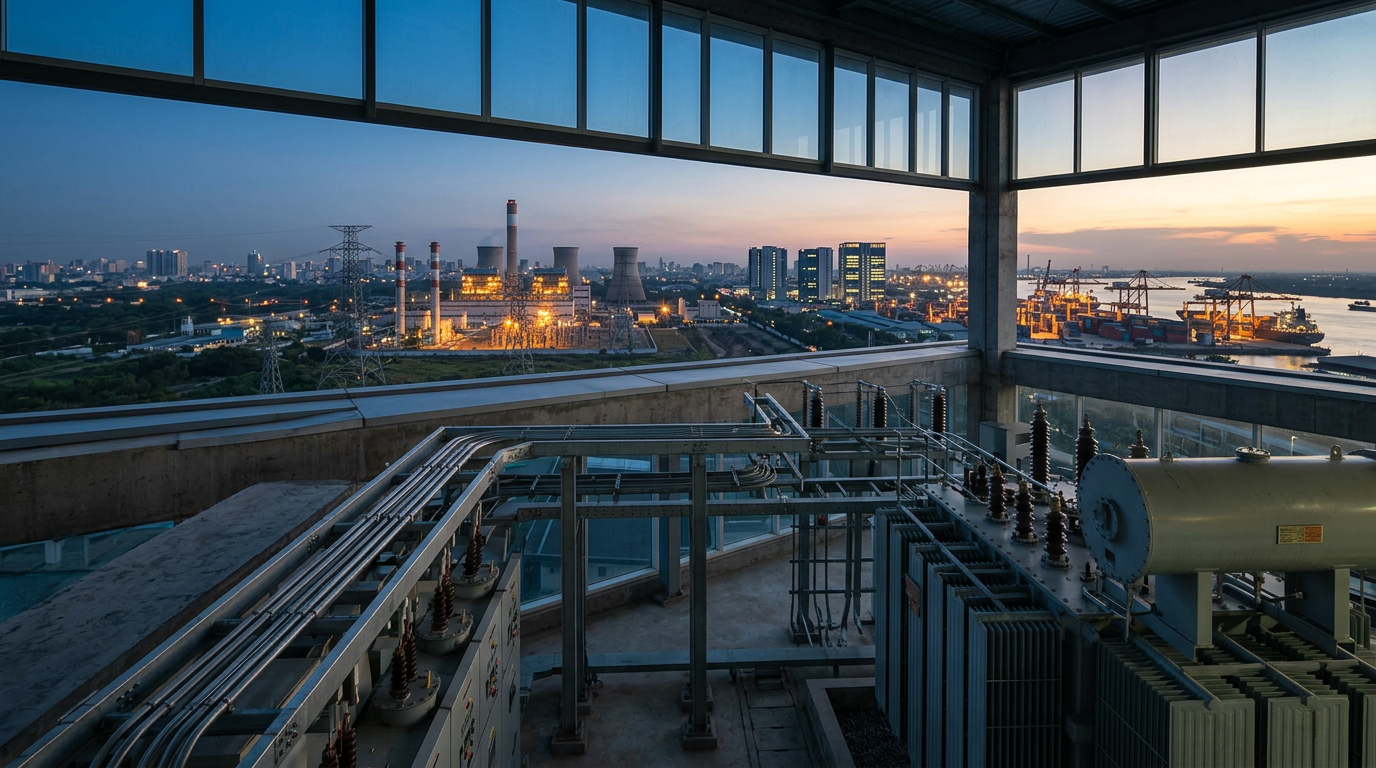 Myanmar
Reliability and Regional Power Grids
Recent advances in power hardware for data centers offer lessons for ASEAN. Industrial policy focused on execution and delivery can build trust and attract capital.
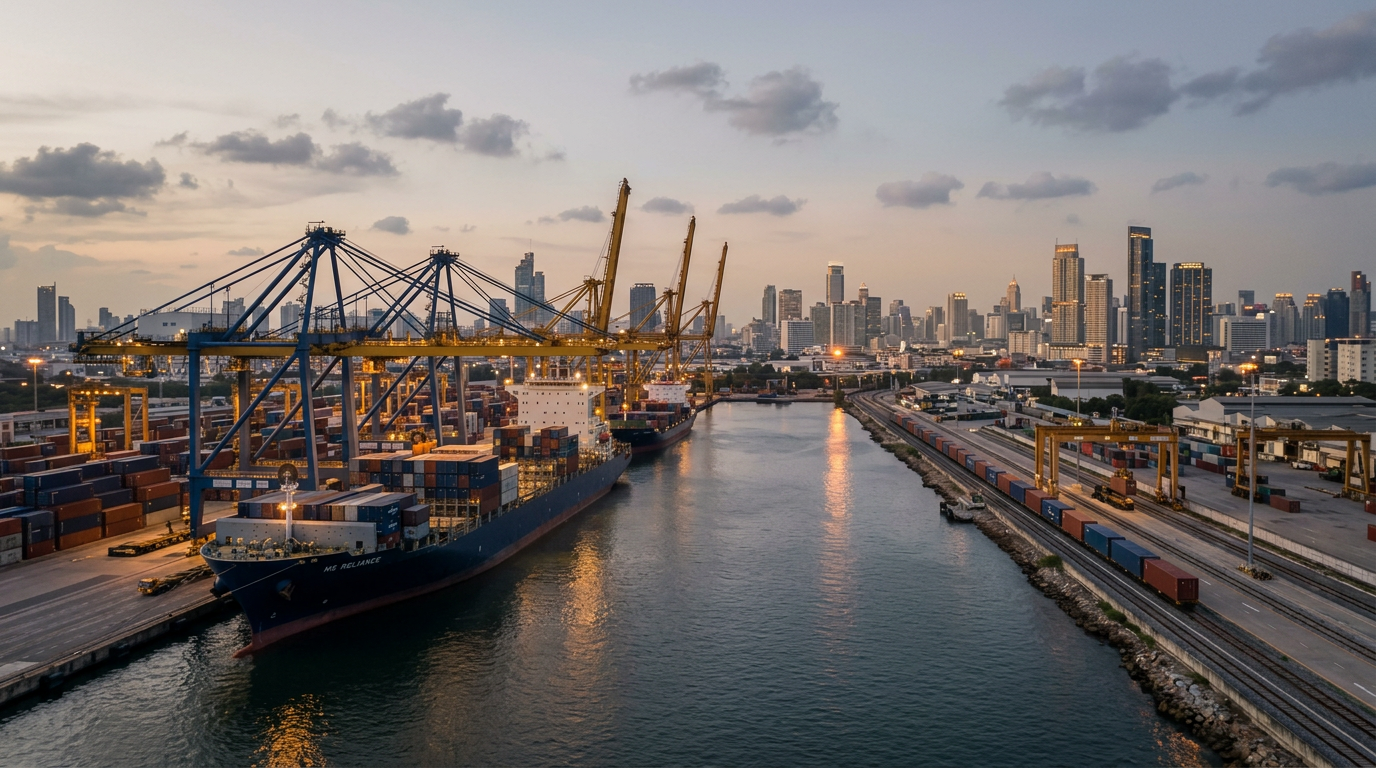 Thailand
Institutional reliability has become part of comparative advantage. A usable state is often more valuable than an exciting one. Infrastructure that arrives on time signals more than infrastructure that is merely announced.
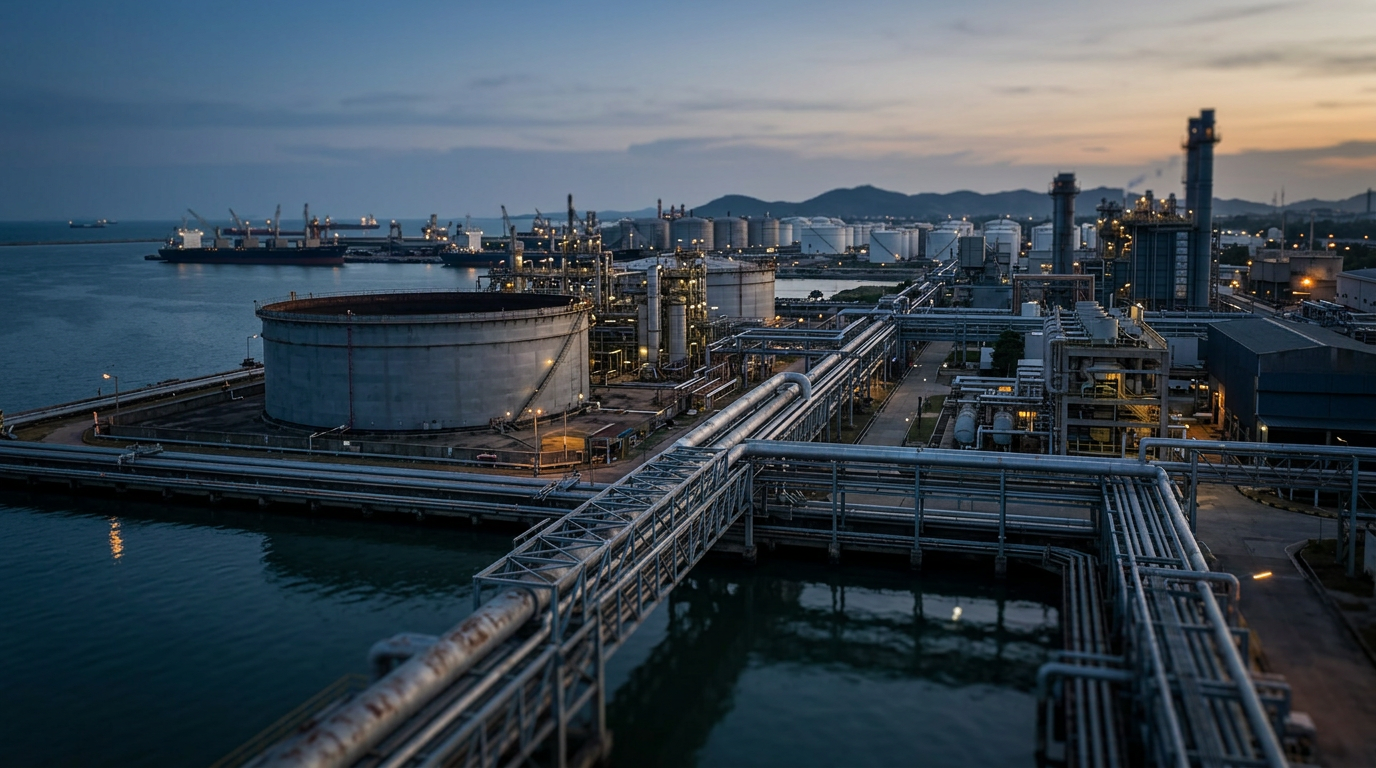 Thailand
Thai state-owned enterprise Electricity Generating Plc
 Indonesia
's Single-Door Export System Tests Its China Strategy
Indonesia plans to fully implement a single-door export system by December, a move that will test its ability to manage deep trade dependency on China without losing strategic optionality.
 Singapore
The Hard Work of ASEAN Investment
Announced FDI is easy. Realized FDI is hard. That gap is where government institutions and private sector execution meet.
 Malaysia
's Electricity Market: A Test of Institutional Reliability
Malaysia's energy reforms are testing its state capacity. Recent electricity price spikes show that well-designed institutions are more valuable than ambitious announcements, a core theme of ASEAN Rising.