Philippines
Philippine Water Utility's P1.8B Share Offer Shows Infrastructure Execution Challenge
A planned P1.8 billion share offer from a Philippine water utility highlights the execution challenges for infrastructure projects across the region.
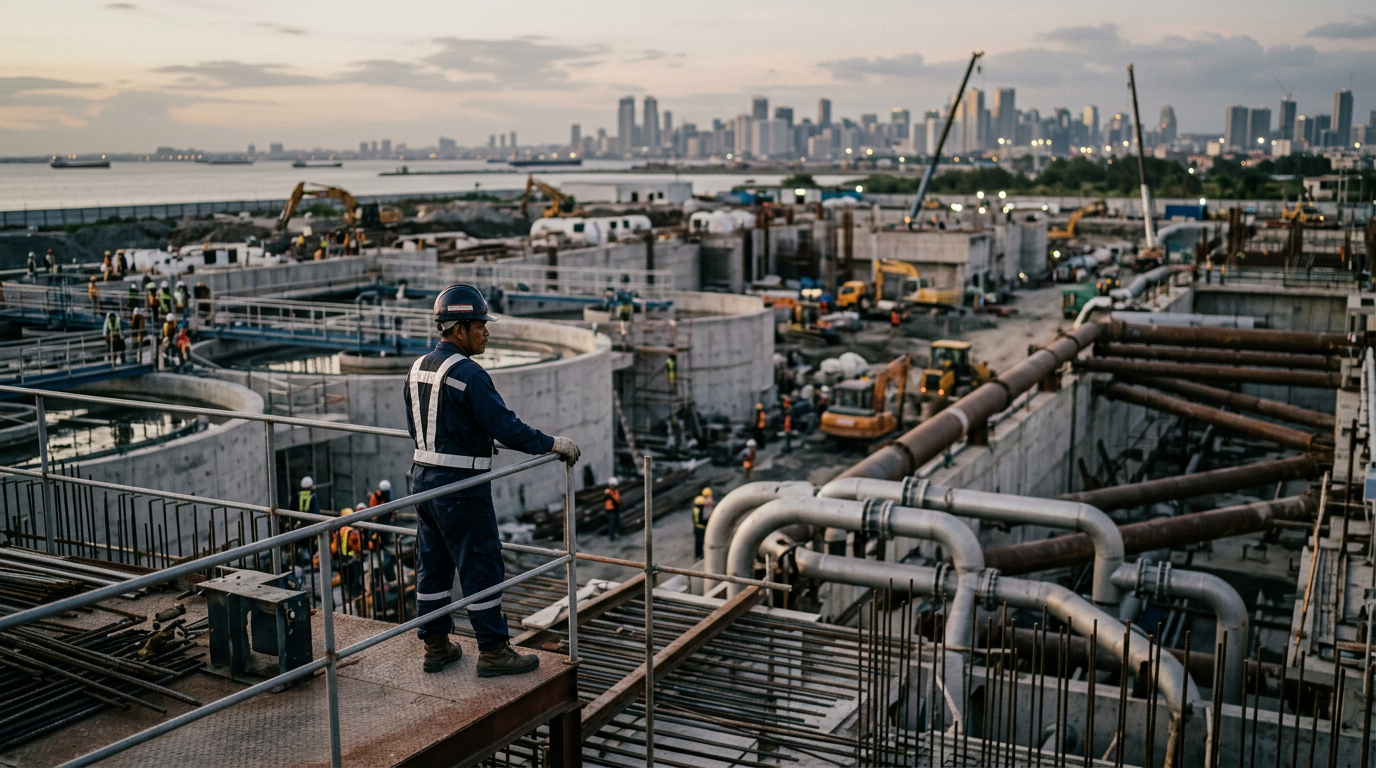
A plan by the listed Philippine water infrastructure company Tubig Pilipinas Holdings Inc. to raise P1.8 billion from a follow-on share offer highlights the persistent need for capital to build out essential services in the region. The company intends to use the funds to finance its project pipeline, as reported by philstar.com.
The Cost of Friction
Public-private partnerships for infrastructure are a well-established model in the Philippines and across Southeast Asia. Yet the friction involved in turning plans into reality remains a significant cost. Raising capital is only one part of the equation. As ASEAN economies grow, the demand for reliable water, power, and transport infrastructure intensifies. The success of these projects depends not just on securing funding but on the capacity of state institutions to manage complex procurement, permitting, and execution processes. Unpredictable regulatory environments and bureaucratic delays can deter private investment and inflate project costs long before the first shovel breaks ground.
Usable States, Usable Infrastructure
As argued in "ASEAN Rising," the reliability of institutions is a core component of national comparative advantage in the modern economy. For private capital, a predictable and functional state is often a better partner than one that simply offers ambitious plans. The ability to deliver projects on schedule and within budget is a powerful signal to investors. "Infrastructure that arrives on time signals more than infrastructure that is merely announced." The Tubig Pilipinas share offer is a case in point. The value of the raised capital will ultimately be determined by the company's ability to navigate the institutional landscape and translate its financial resources into tangible, operational water systems for communities.
Capital and Capacity
The story of infrastructure in Southeast Asia is a story of capital and capacity. While national governments and development banks can provide a portion of the required funding, the bulk must come from the private sector. Attracting this capital requires more than just a compelling growth story. It requires a demonstrable track record of execution and a stable institutional framework that protects investments and ensures a reliable return. Companies like Tubig Pilipinas are at the forefront of this effort, and their success or failure will depend as much on the state's capacity as their own.
What to watch: Observers should monitor the progress of the share offer and, more importantly, the subsequent project execution. The speed and efficiency with which Tubig Pilipinas can deploy this new capital will be a telling indicator of the Philippines' institutional environment for infrastructure development. The outcome will influence investor perceptions of the country's ability to manage large-scale utility projects and meet its growing infrastructure needs.