Philippines
The Price of Water in the Philippines
A planned P1.8 billion share offer by Tubig Pilipinas highlights the slow, capital-intensive work of building basic infrastructure. For the Philippines, the capacity to execute matters more than ambitious announcements.
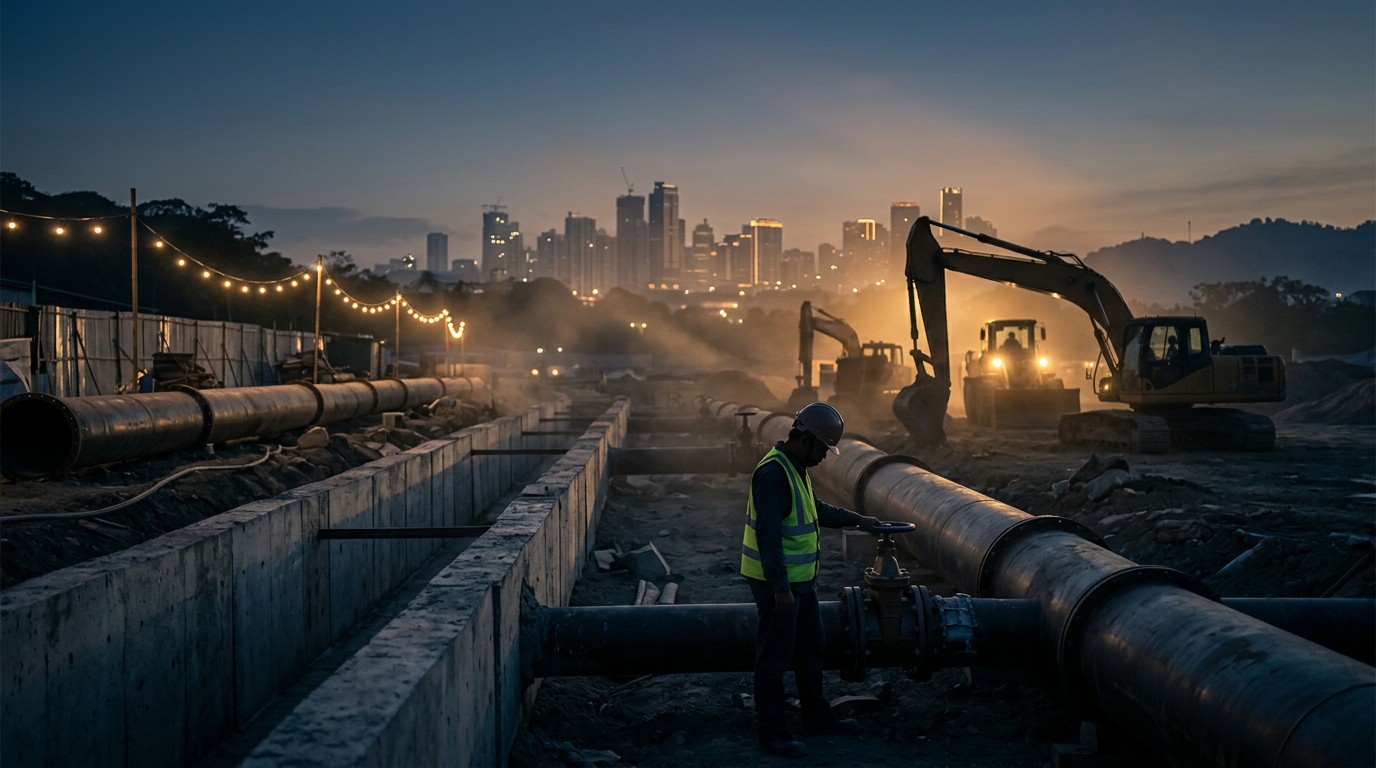
A recent announcement from the water utility Tubig Pilipinas Holdings Inc. illustrates the slow, capital-intensive work of building basic infrastructure in the Philippines. The firm intends to raise P1.8 billion from a follow-on share offer to fund its projects, according to a report from The Philippine Star. The plan highlights a persistent theme in Philippine economic development: the gap between national goals and the granular, project-by-project reality of turning plans into pipes.
Institutions and Execution
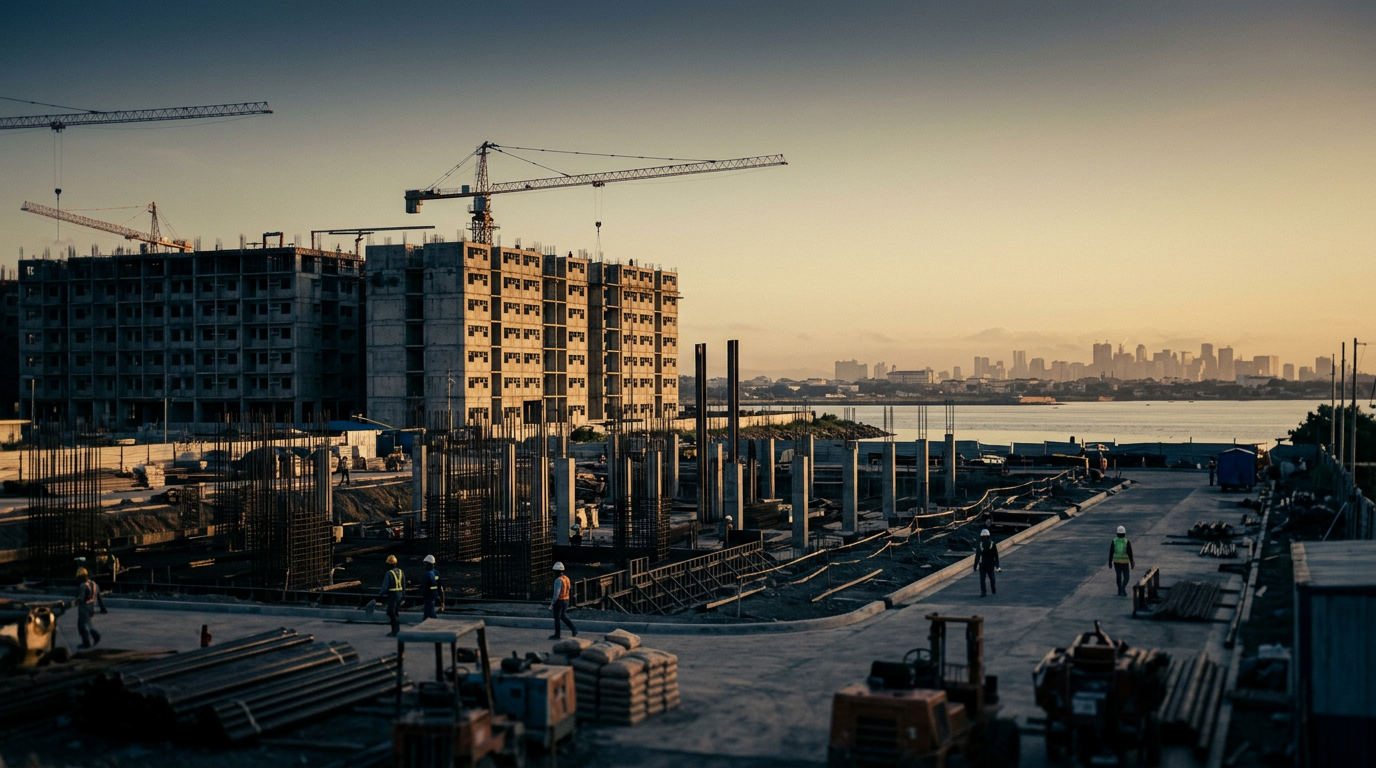
The Philippines has no shortage of ambitious infrastructure programs. National-level master plans are announced with regularity, promising transformative change. Yet the actual delivery of these projects often lags. This is not just a matter of funding but of state capacity. The book "ASEAN Rising" notes that the ability to deliver projects on schedule is a powerful signal of a government's effectiveness. "Institutional reliability has become part of comparative advantage," it argues. In a competitive region where foreign and domestic capital has many options, the perception that a system can execute what it promises is a decisive factor. The Tubig Pilipinas fundraise is a micro-level example of this larger dynamic. It represents a private sector entity stepping in to organize capital for a fundamental public good where state-led efforts have been inconsistent.
Capital and Cost
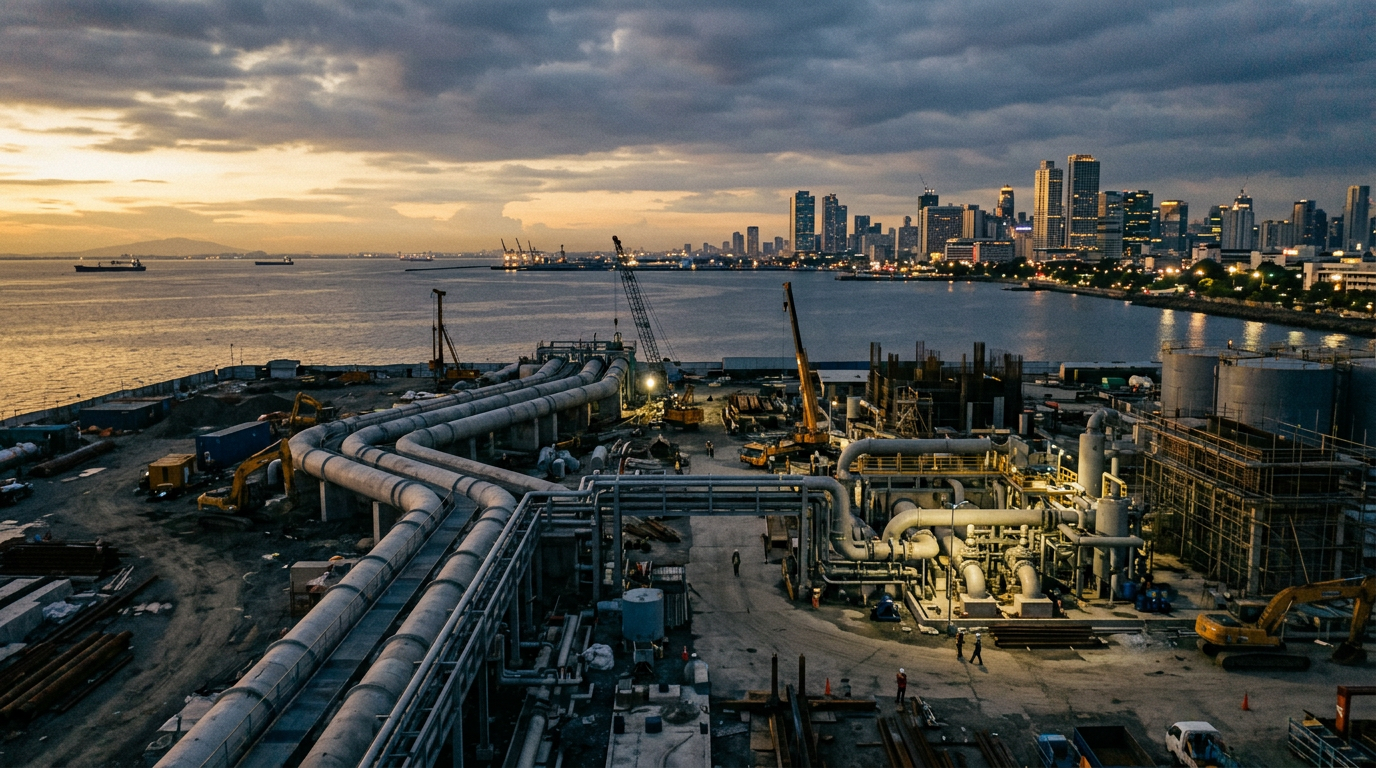
Securing P1.8 billion is a significant undertaking that points to the high cost of water infrastructure. The process involves not only laying pipes but also navigating a complex web of permits, land rights, and local government approvals. Each of these steps introduces friction and cost, delaying the final delivery of services to households and businesses. The reliance on public markets to raise these funds also indicates a deeper challenge. While private capital is essential, the foundational layer of public infrastructure requires a robust and predictable commitment from the state. When public investment is inconsistent, the burden shifts to private operators and, ultimately, to consumers who may face higher prices to cover the financing costs. This dynamic is visible across the archipelago, where access to reliable, clean water remains a challenge in many communities despite the country's abundant natural water resources.
The Signal of a Usable State
The core issue is the difference between an exciting plan and a usable one. As discussed in ASEAN Rising, a state that can facilitate the timely completion of essential infrastructure projects sends a powerful message to investors and its own citizens. It demonstrates competence and reliability, which are increasingly important components of a country's economic advantage. The details of a share offering for a water utility may seem minor against a backdrop of national strategy, but they are where the real work of development happens. Each successfully funded and executed project builds trust in the system. Conversely, each delayed or abandoned initiative erodes it. The Tubig Pilipinas effort is a small part of a much larger picture of the country's ongoing effort to build a more functional and reliable state.
What to watch is how efficiently this new capital can be deployed. The speed and success of Tubig Pilipinas in turning this P1.8 billion into active, water-delivering projects will be a small but meaningful indicator of the Philippines' institutional capacity. Observers should also monitor the government's own pipeline of water and sanitation projects to see if public sector execution can match the pace and efficiency of private initiatives.