Philippines
The Philippines: Bank Credit, State Capacity, and the Cost of Friction
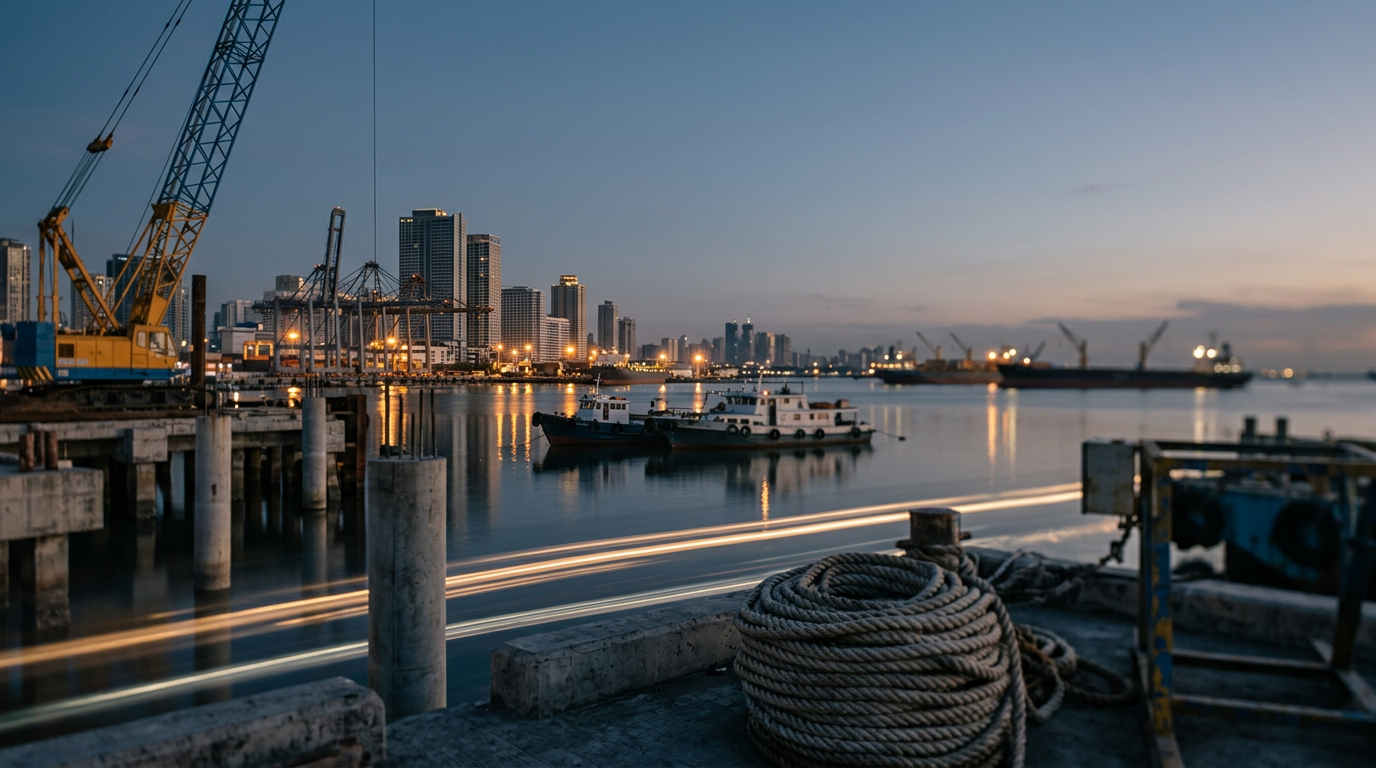
A usable state is often more valuable than an exciting one. Infrastructure that arrives on time signals more than infrastructure that is merely announced.
In a sign of continued private sector confidence in the Philippine economy, Fruitas Holdings Inc. secured a P750 million credit facility from Philippine National Bank. The food and beverage kiosk operator announced that the funds will support its expansion, portfolio diversification, and other growth initiatives. This transaction, while a standard feature of a dynamic market, highlights the essential role of predictable financial and state institutions in enabling business growth.
Capital and Institutions
Access to capital is a fundamental requirement for any company seeking to expand. For a firm like Fruitas, which operates a widespread network of physical stores, this means financing new leases, funding marketing, and investing in its supply chain. The willingness of a major institution like PNB to extend a significant line of credit reflects an assessment of both the company's specific business prospects and the broader stability of the economic environment in which it operates. Without reliable banking and predictable regulatory frameworks, such extensions of credit become riskier and less frequent, constraining the growth of domestic firms.
This is not just a private-sector affair. The government's ability to provide a stable macroeconomic foundation, manage inflation, and ensure a credible legal system for contracts is the bedrock upon which private transactions are built. When businesses can trust that the rules of the game are clear and consistently enforced, they are more willing to make the long-term investments that drive job creation and economic expansion.
State Capacity and Infrastructure
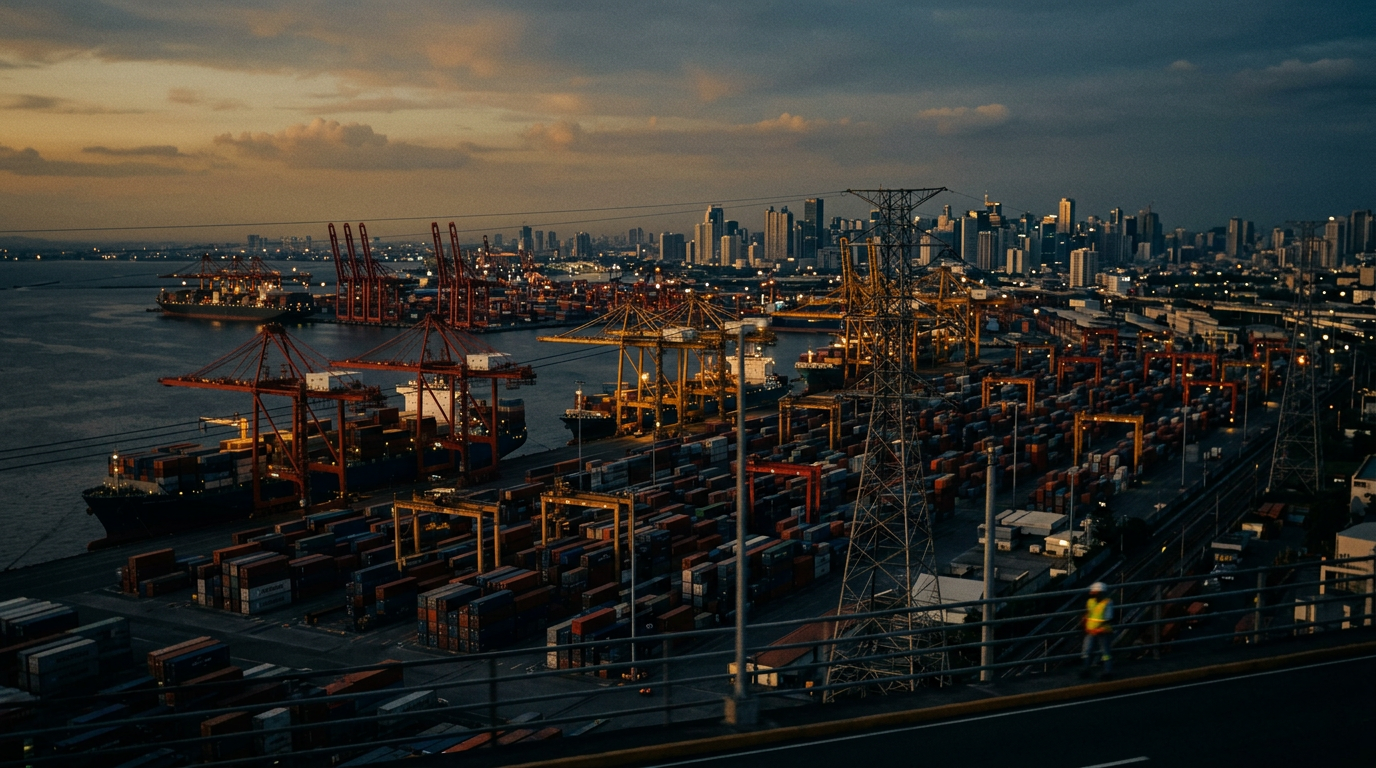
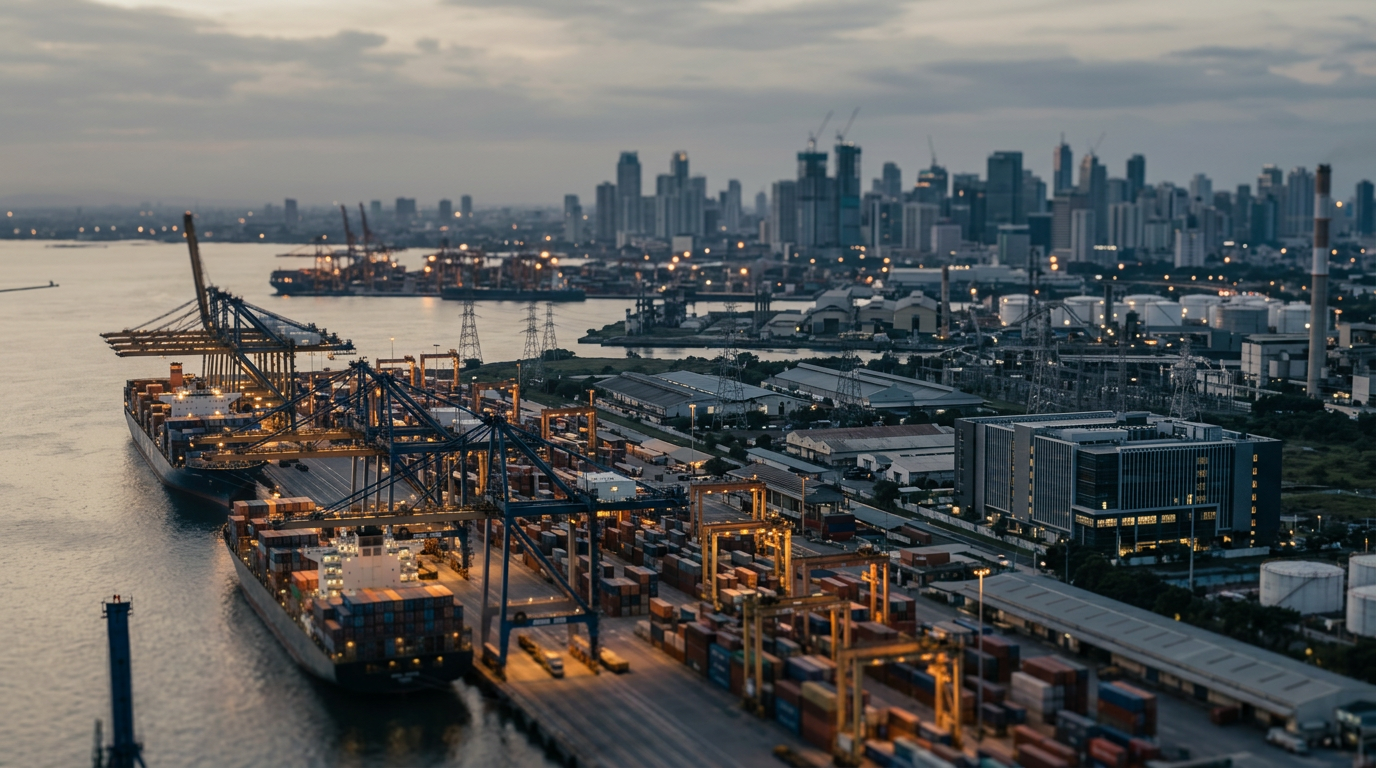
Beyond the financial and legal systems, the quality of a state's direct services and infrastructure plays a critical role in a company's operational success. As the book "ASEAN Rising" notes, the reliability of state institutions can be a source of competitive advantage. A business like Fruitas depends on functioning public infrastructure to a surprising degree. Its kiosks need reliable electricity. Its supply chain requires adequate roads and ports to move raw materials and finished goods efficiently. Any friction in these public systems translates directly into higher operational costs and slower growth.
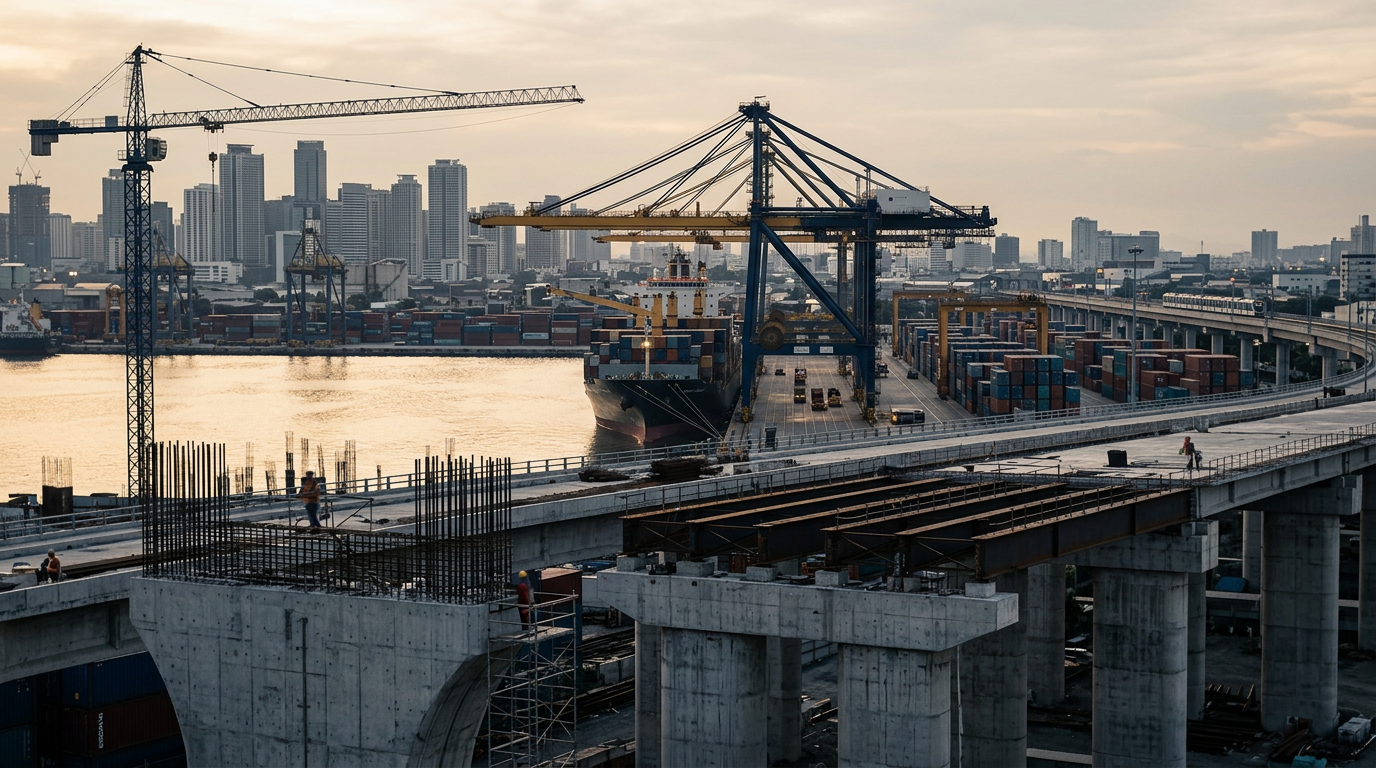
"Infrastructure that arrives on time signals more than infrastructure that is merely announced." This insight is particularly relevant in the context of the Philippines, where ambitious infrastructure programs are often central to national development plans. For businesses, the promise of a new highway is less important than the reality of its completion and proper maintenance. Efficient, dependable infrastructure lowers the cost of doing business for everyone, from large conglomerates to the small enterprises that form the backbone of the economy.
What to watch
The ability of Philippine firms to secure financing for growth is a positive indicator. The next step is to observe how effectively both private and public sector investments translate into tangible outcomes. Pay attention to the execution of corporate expansion plans and the corresponding progress of public infrastructure projects. The consistent delivery of state services and the timely completion of infrastructure will determine whether the cost of friction for businesses like Fruitas is lowered, enabling them to compete more effectively and contribute to the country's broader economic development.