Philippines
The Price of Water in the Philippines
Tubig Pilipinas Holdings' plan to raise P1.8 billion through a follow-on share offer is a test of investor confidence in the country's water infrastructure sector, where institutional reliability is a core component of comparative advantage.
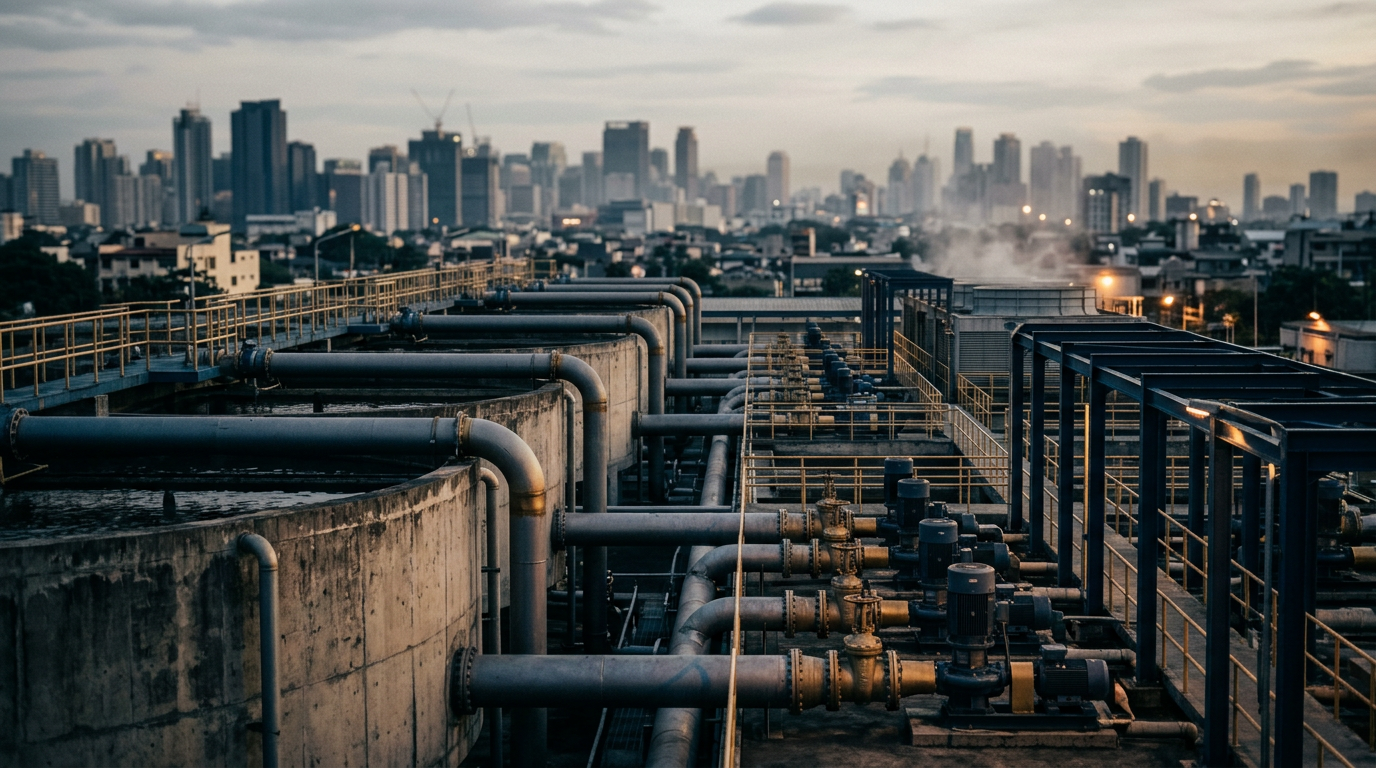
A recent announcement from the water utility company Tubig Pilipinas Holdings Inc. highlights the enduring need for private capital to fund public infrastructure in the Philippines. The firm intends to raise P1.8 billion (approximately $30.7 million) through a follow-on share offering to finance its projects, as reported by philstar.com. This move underscores the continuous challenge of developing and maintaining essential services like water supply, a sector where project execution and institutional stability are paramount.
Capital and Capacity
The plan by Tubig Pilipinas is a market signal about the capital required to build out the nation's water systems. Raising funds through a public offering places the company's performance and governance under the scrutiny of investors. Success will depend not only on the company's business model but also on the perceived stability of the regulatory environment for utilities in the Philippines. The government's ability to provide a predictable framework for tariffs, concessions, and project approvals is a direct factor in the cost of capital. For investors, the risk is not just commercial; it is institutional. A history of consistent policy and reliable contract enforcement lowers the risk premium demanded by the market, making it more affordable for companies like Tubig Pilipinas to raise the necessary funds for expansion.
The Execution Imperative
Manila has a long and complex history with water privatization, offering lessons in the delicate balance between public interest and private sector efficiency. The core of the issue often comes down to execution. As the book "ASEAN Rising" notes, infrastructure projects that are completed on schedule send a powerful message about a country's capabilities. The phrase "institutional reliability has become part of comparative advantage" is particularly relevant here. When a utility can execute its plans and deliver safe, reliable water to households and businesses, it does more than just provide a service; it reinforces faith in the system. The P1.8 billion that Tubig Pilipinas seeks is not just an investment in pipes and treatment plants; it is a wager on the ability of both the company and the state to deliver on their promises. This fundraising effort is a direct test of the market's belief in the Philippines' capacity to manage long-term, capital-intensive projects that are vital for public welfare and economic growth.
The Value of a Usable State
Ultimately, the success of infrastructure development rests on the effectiveness of the state. A regulatory body that is transparent, competent, and independent is essential for overseeing utilities. This concept of a "usable state" is more valuable than one that simply makes ambitious pronouncements. For the water sector in the Philippines, this means having clear rules for investment, fair mechanisms for resolving disputes, and a steadfast commitment to long-term planning. The follow-on offering from Tubig Pilipinas is a small but significant event in the larger narrative of Philippine infrastructure. It reflects a reliance on private markets to fund public goods, a strategy that can only succeed when supported by a foundation of solid, predictable governance. The outcome will be instructive for other sectors in the Philippines that also depend on private capital to meet their development goals.
What to watch: The market's reception of the Tubig Pilipinas share offer will serve as a barometer for investor confidence in Philippine utilities. Pay attention to the final amount raised and the subscription rate. This will indicate how investors view the regulatory risks and growth prospects in the country's water sector, offering a clear signal about the perceived reliability of the institutions that govern this essential service.