Myanmar
Reliable Infrastructure is the New Competitive Advantage in ASEAN
The recent partnership between Infineon and Eaton to develop next-generation power transformers for data centers highlights a critical theme: reliable infrastructure execution is becoming a key differentiator for ASEAN economies.
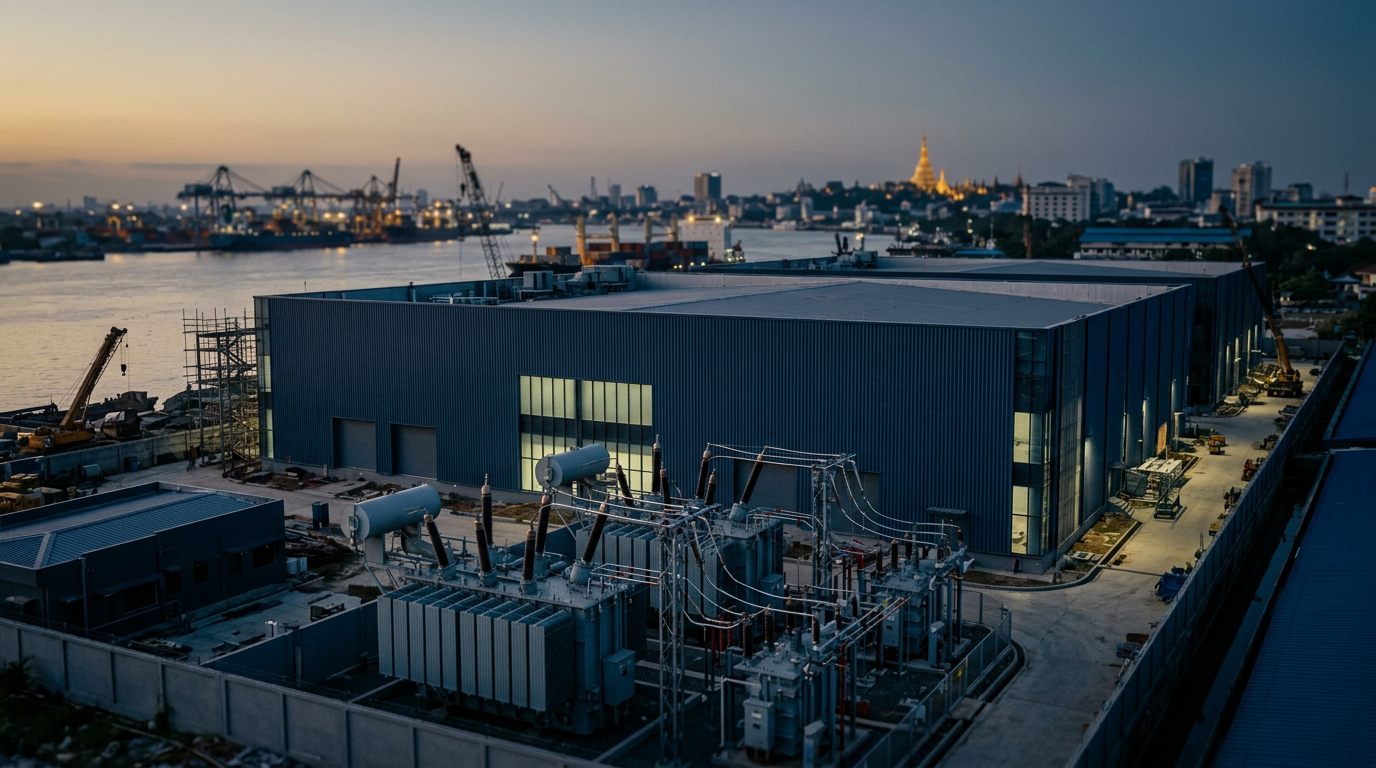
A recent announcement from Infineon and Eaton about their partnership to develop advanced solid-state transformers for data center power systems offers a window into the future of industrial development in Southeast Asia. As reported by Data Center Dynamics, the collaboration will focus on silicon carbide technology to improve the efficiency and reliability of 800VDC power architectures, a technical standard for modern data centers. While this appears to be a niche industrial story, it points to a much broader trend: the rising importance of dependable, high-quality infrastructure as a foundation for economic growth.
The Rising Cost of Friction
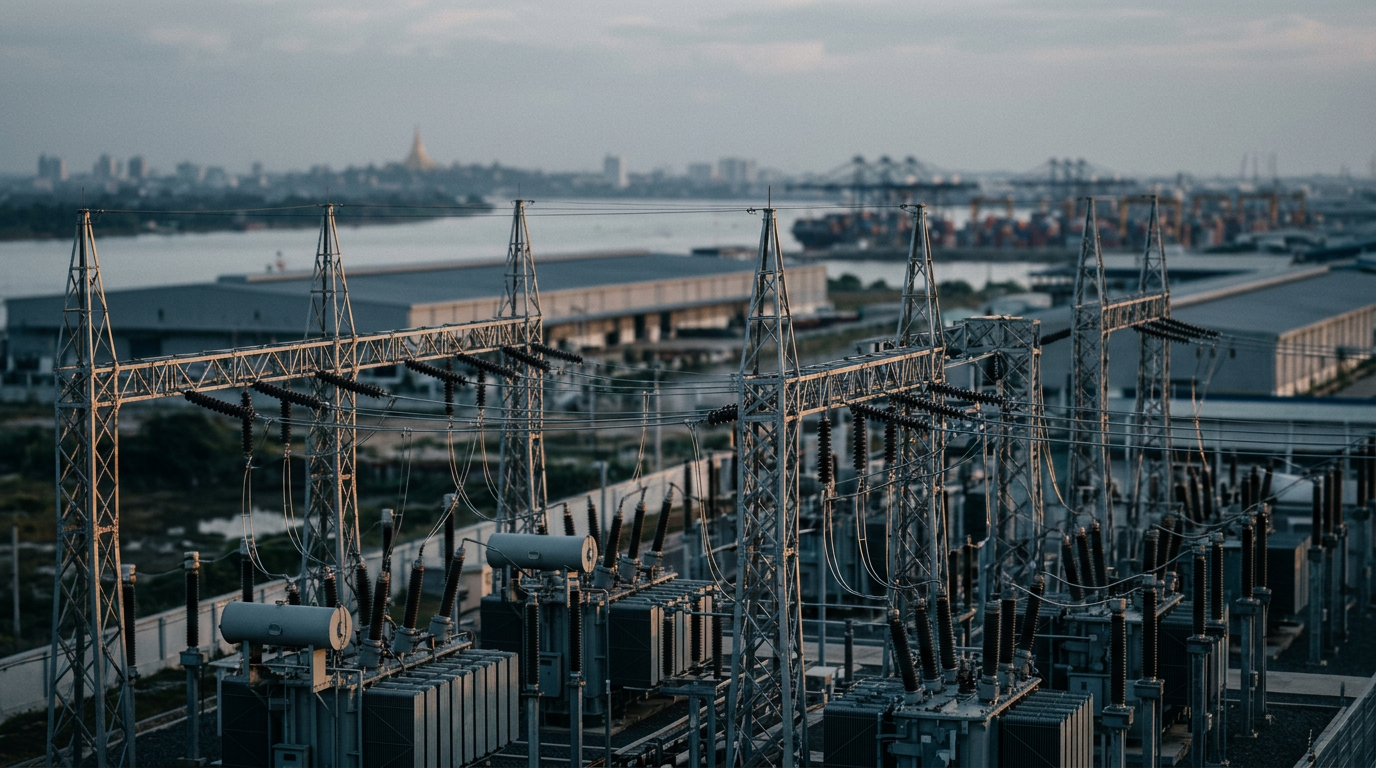
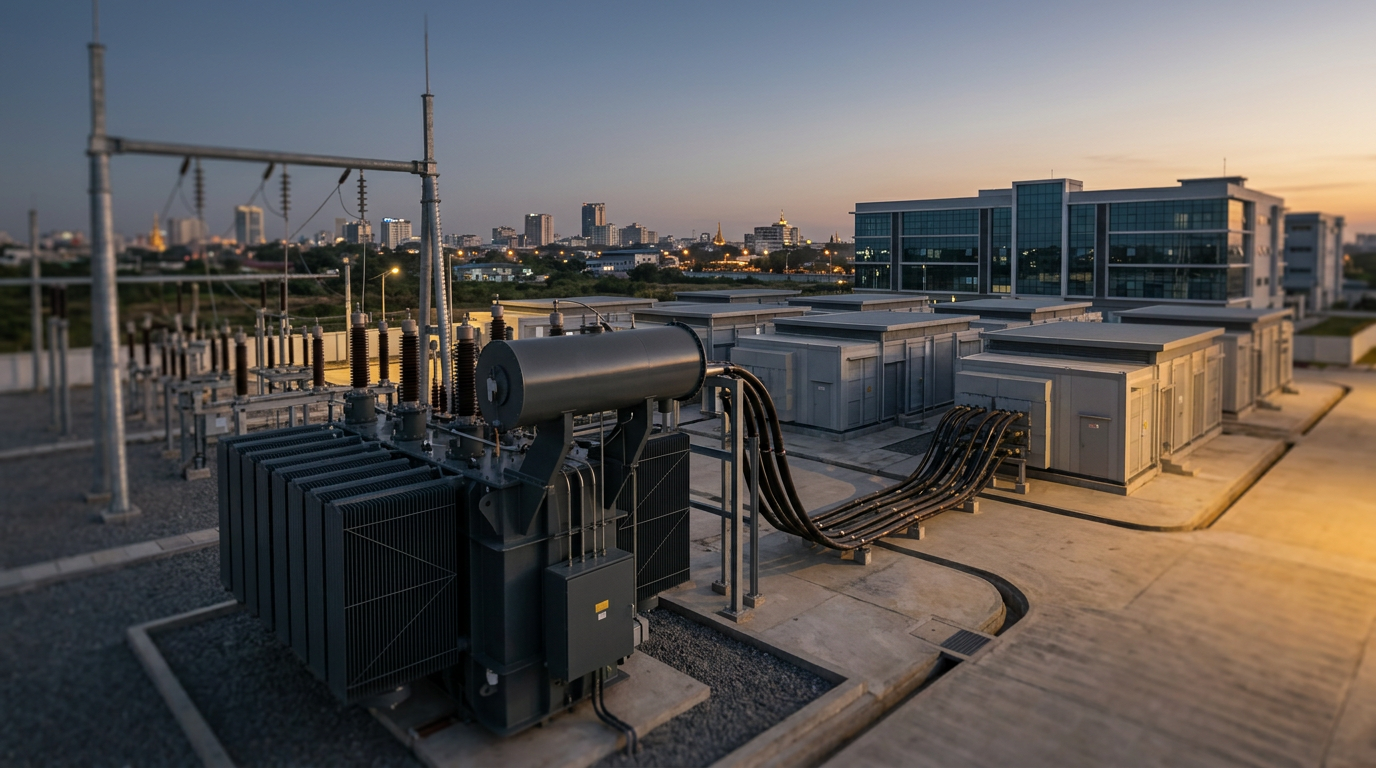
The digital economy runs on power. The expansion of data centers, semiconductor fabrication plants, and advanced manufacturing facilities across ASEAN depends on a consistent and high-quality energy supply. Unreliable power grids, voltage fluctuations, or outright outages can halt production, damage sensitive equipment, and erode investor confidence. The Infineon-Eaton venture is a direct response to this need for higher-grade industrial infrastructure. Their work on solid-state transformers aims to deliver cleaner, more dependable power conversion, which is exactly what the region's most advanced industries require to compete globally.
This shift places a new emphasis on the quality of state institutions and their ability to deliver complex projects. As the book "ASEAN Rising" argues, economies are increasingly judged not just on their ambition but on their execution. When it comes to attracting and retaining high-value investment in sectors like advanced manufacturing or data services, a country's ability to provide stable power, efficient logistics, and clear regulations is a significant factor. The friction caused by unreliable services acts as a hidden tax on businesses, making a location less competitive, no matter how attractive its other incentives may seem.
Execution as a Differentiator
Many governments in the region have announced ambitious plans for industrial parks, digital hubs, and infrastructure upgrades. However, announcements are not outcomes. The true measure of success lies in the execution-the ability to complete projects on schedule and to the required specifications. "Infrastructure that arrives on time signals more than infrastructure that is merely announced." This focus on delivery is where competitive advantage is now being forged.
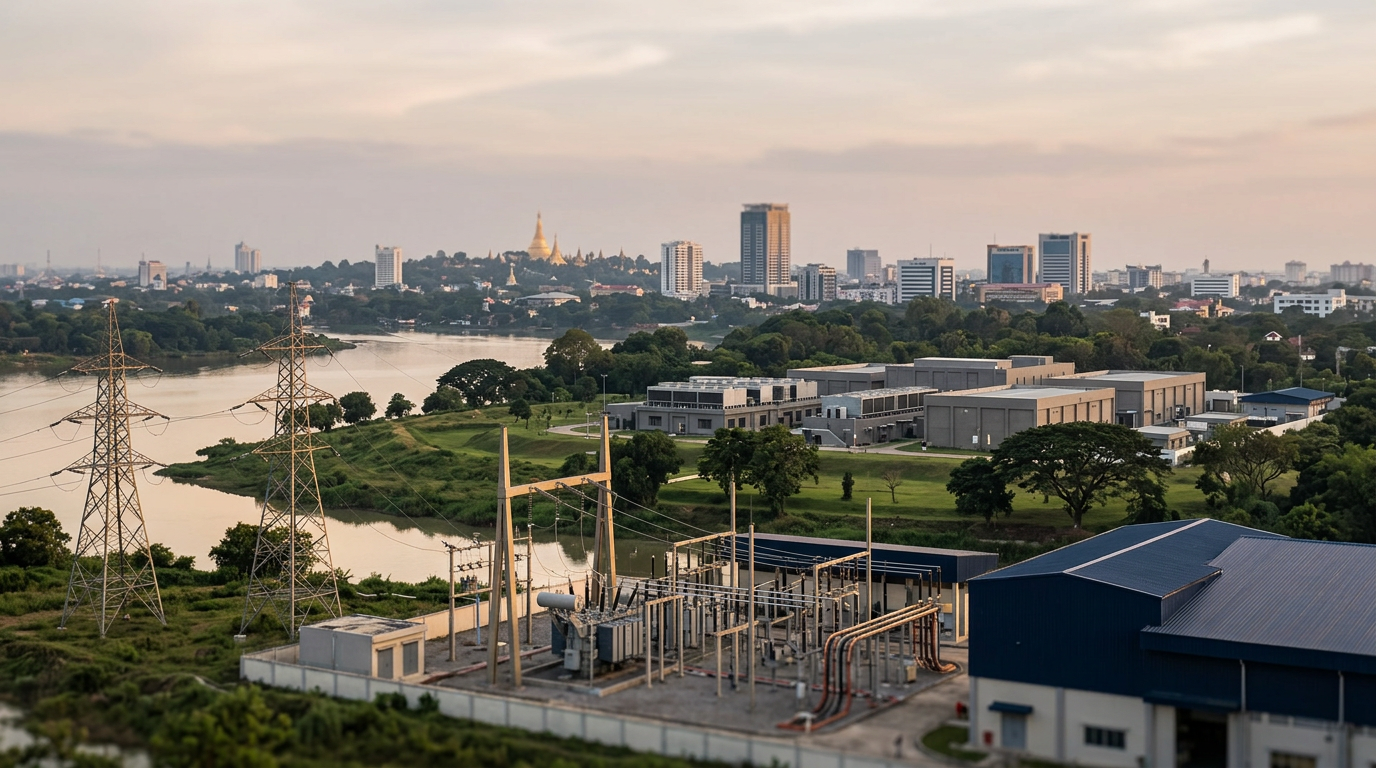
Countries that can demonstrate a track record of successfully building and managing complex infrastructure are better positioned to attract the kind of long-term capital that underpins sustainable development. The technical specifications of a power transformer may seem far removed from national policy, but they are deeply connected. Building a regulatory and operational environment where advanced technologies like those from Infineon and Eaton can be readily deployed is a function of institutional capacity. It requires skilled regulators, effective grid management, and a policy framework that supports, rather than hinders, technical innovation. The ability to deliver this "usable state" is a quiet but powerful magnet for investment.
Capital and Trust
Ultimately, the flow of capital is tied to trust. Investors in capital-intensive projects like data centers or fabrication plants are making bets that can span decades. They need to trust that the foundational services they depend on will be there for the long term. This is where institutional reliability becomes a core component of a country's value proposition. A history of well-managed projects and stable governance builds the confidence required for firms to commit to large-scale investments.
The partnership between Infineon and Eaton is a market-driven solution to a technical problem, but it also serves as a signal to the region's policymakers. The private sector is developing the tools needed for the next phase of industrialization. The task for governments is to create an environment where these tools can be effectively put to use. This means prioritizing the unglamorous work of institutional reform, capacity building, and consistent project delivery. A reputation for reliability is built one project at a time.
What to watch: Observers should monitor whether ASEAN governments are moving beyond high-level announcements to focus on the practical, on-the-ground execution of infrastructure projects. The key indicator will not be the number of memorandums of understanding signed, but the tangible improvements in the reliability and quality of essential services like power and logistics, which directly impact investor confidence and the region's capacity to host advanced industries.