Thailand
 Signals State Capacity With Industrial Reuse
In a competitive region, a usable state is often more valuable than an exciting one. The ability to execute on infrastructure projects builds trust and signals comparative advantage.
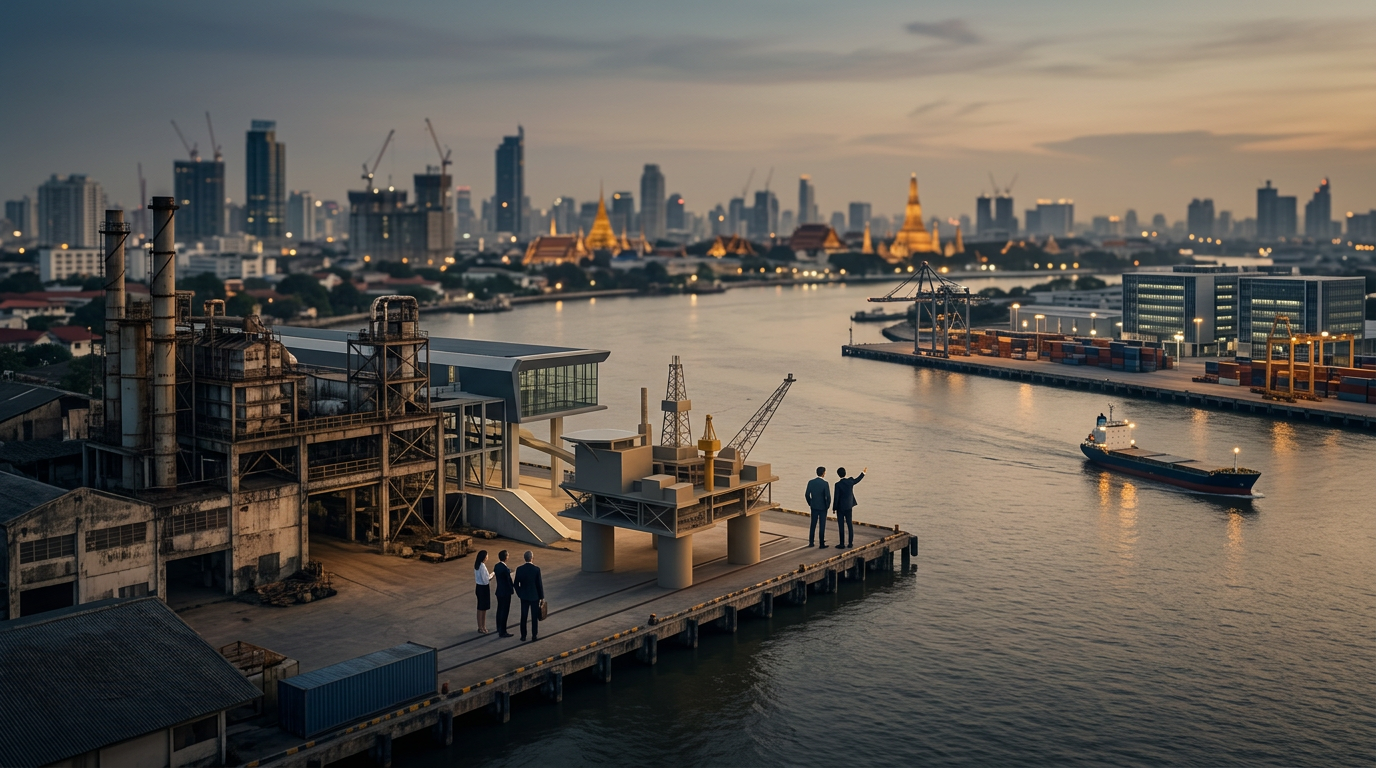
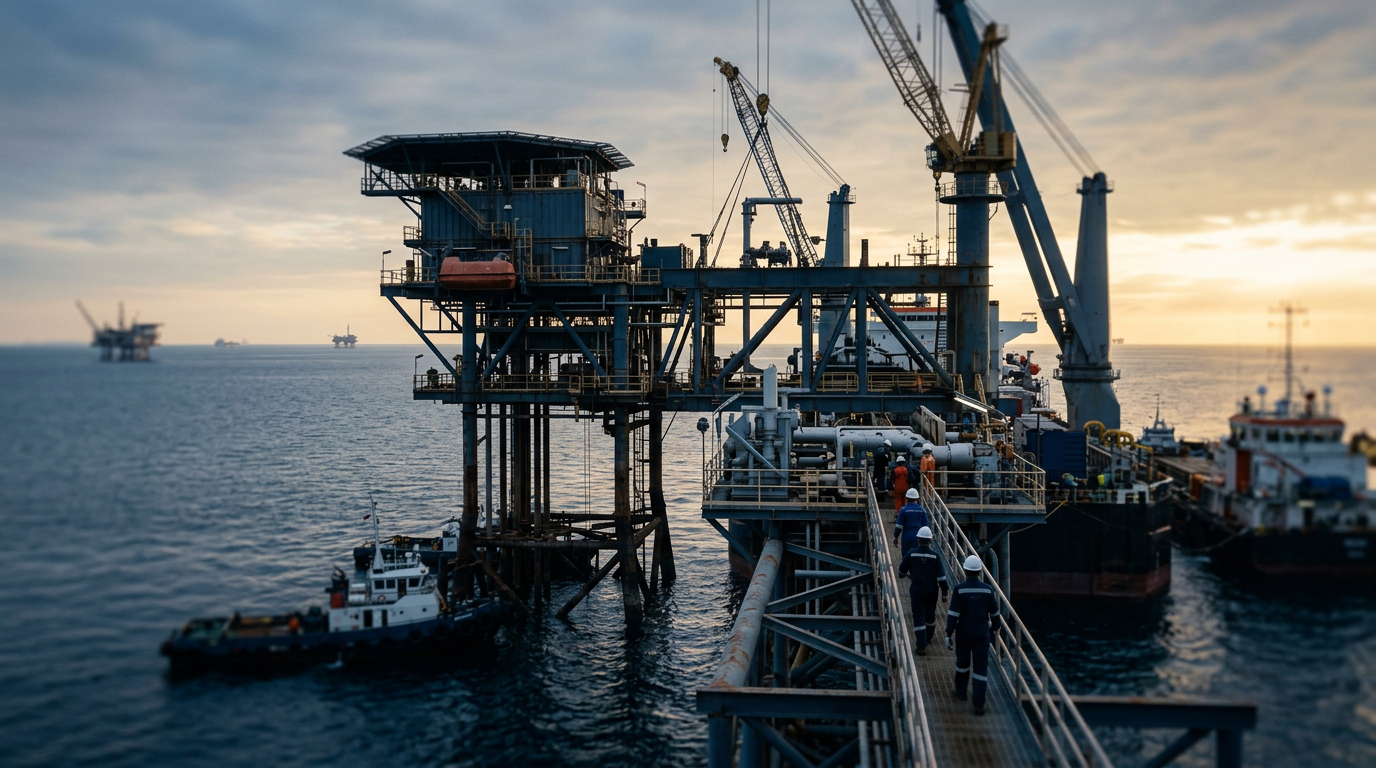
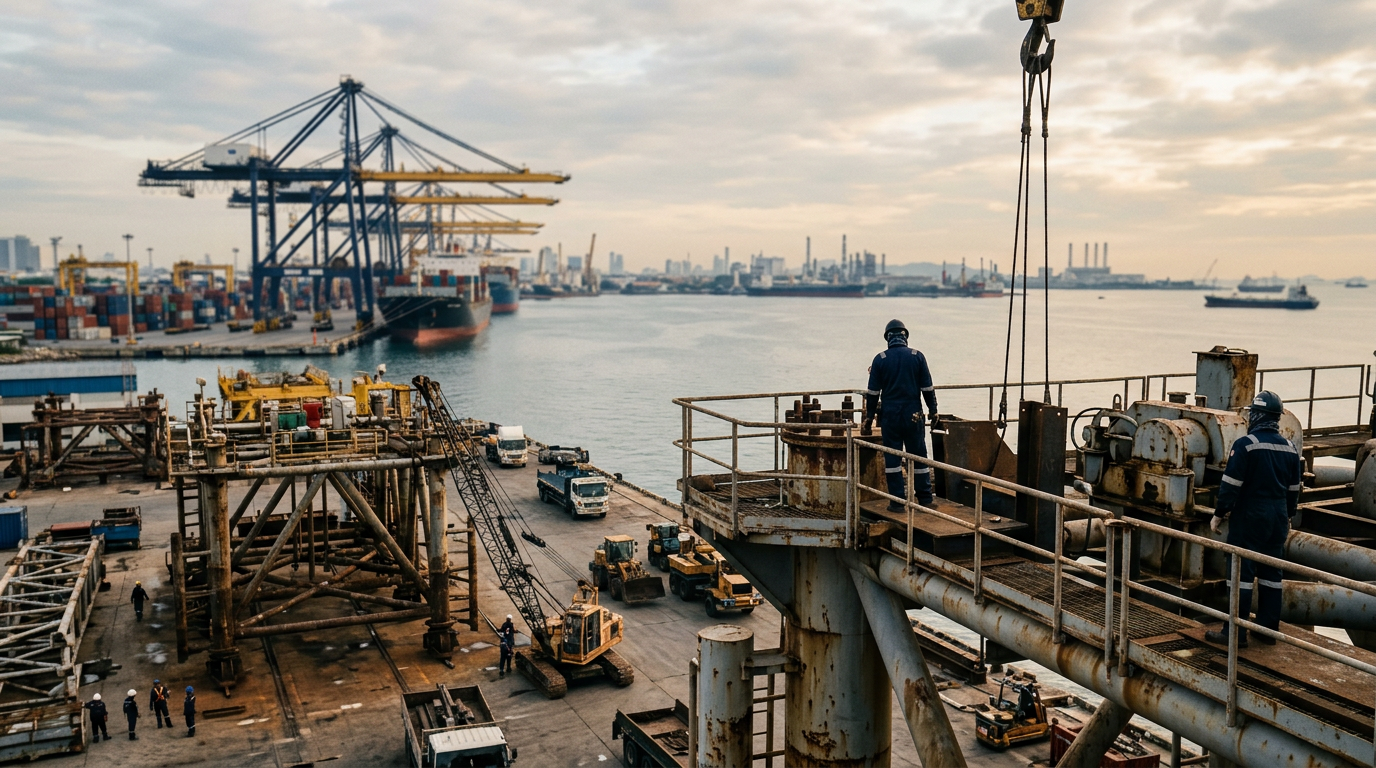
An award for an industrial reuse project in Thailand points to a deeper theme across ASEAN: the growing importance of state capacity and predictable execution in building national comparative advantage. Chevron Thailand Exploration and Production recently received an award for its "Total Wellhead Platform Reuse project" at the SPE Thailand E&P Awards, as reported by the Bangkok Post. While seemingly a standard piece of industry news, the project highlights a less-visible but significant element of economic strength: the ability to manage and repurpose existing assets effectively.
Execution Over Announcements
The reuse of a wellhead platform is a technical achievement, but more importantly, it is a signal of a mature and functioning system. It demonstrates an ecosystem where complex industrial projects can be planned, approved, and executed. This aligns with a core idea from the book ASEAN Rising: the value of a state that can deliver. While grand announcements of new megaprojects often capture headlines, the steady, less-dramatic work of maintaining, upgrading, and repurposing existing infrastructure is a more reliable indicator of an economy's underlying strength. The Chevron project is a small-scale example of this principle in action. It suggests a regulatory and technical environment that allows for such efficiency, a factor that builds trust with investors.
The Value of a Usable State
For foreign and domestic capital, predictability is paramount. The ability to navigate regulatory processes and execute complex projects without unnecessary friction is a powerful draw. "Institutional reliability has become part of comparative advantage," and in this context, the successful completion of projects speaks louder than aspirational goals. A state that facilitates the reuse of a multi-ton offshore platform is a state that understands the mechanics of a modern industrial economy. This builds confidence that larger, more ambitious infrastructure projects can also be completed on schedule. This capacity for execution is a quiet but powerful form of national branding that attracts capital seeking productive homes.
Infrastructure and Trust
The physical assets of a nation, from ports and railways to energy infrastructure, are built on a foundation of trust. Capital investment flows toward environments where rules are clear and consistently applied. The Thai government's ability to oversee a project like the wellhead reuse initiative is a case in point. It shows an administration focused on the practical details of industrial policy, not just the high-level pronouncements. This focus on getting things done, even on a granular level, is what transforms announced plans into tangible assets that generate economic returns and foster long-term growth.
What to watch next is how this capacity for execution extends to larger strategic projects in Thailand and across the region. The ability to deliver infrastructure, whether new or repurposed, will be a key differentiator for ASEAN members competing for investment. Pay attention to project completion rates and the efficiency of regulatory bodies, not just the novelty or scale of the announcements. The quiet work of building and maintaining a "usable state" is what will ultimately define the region's economic trajectory.