Philippines
 Water Infrastructure and the Value of a Usable State
A planned P1.8 billion share offer by a Philippine water utility highlights the importance of reliable project execution over mere announcements.
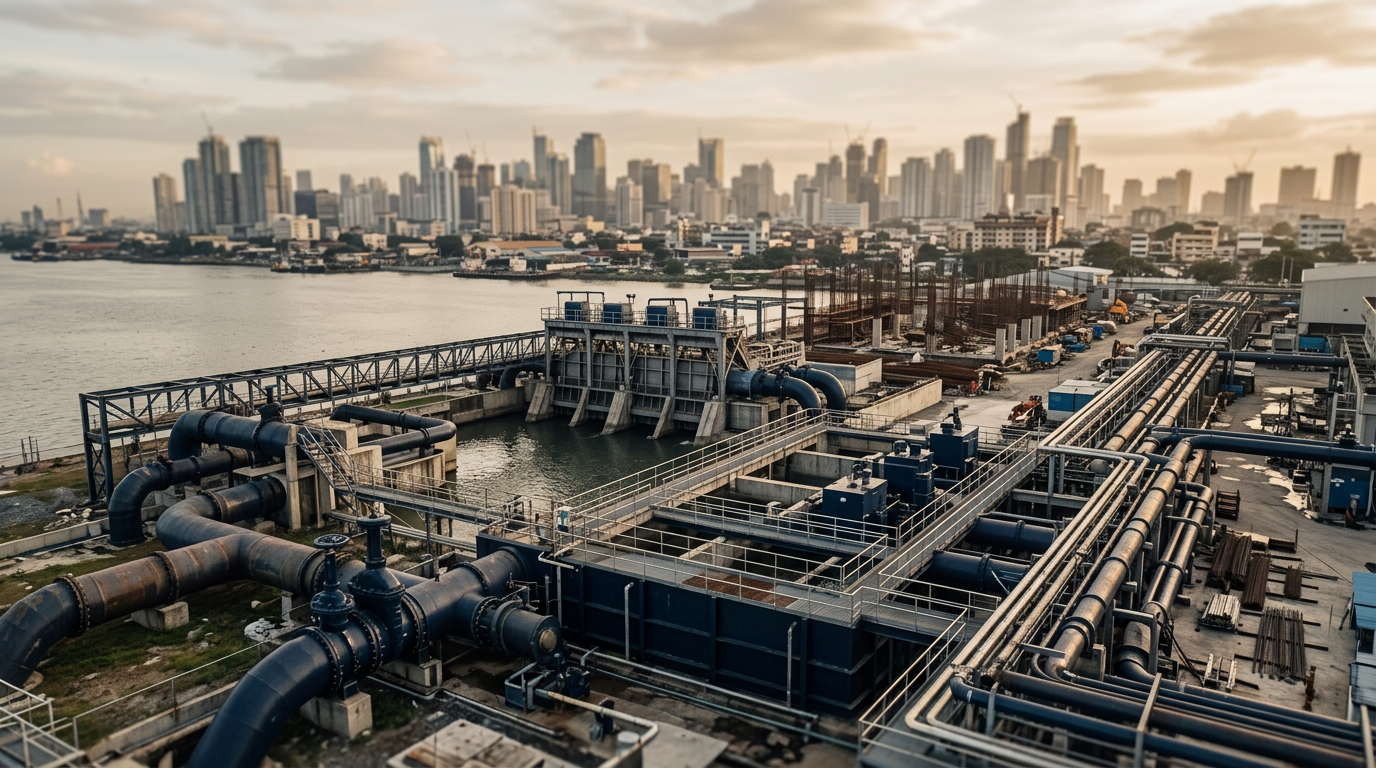
A recent announcement from the listed water infrastructure company Tubig Pilipinas Holdings Inc. signals a plan to raise P1.8 billion via a follow-on share offer to fund its project pipeline. The move, reported by philstar.com, shines a light on the persistent need for capital to build out essential services in the Philippines and across the region.
Capital Formation for Utilities
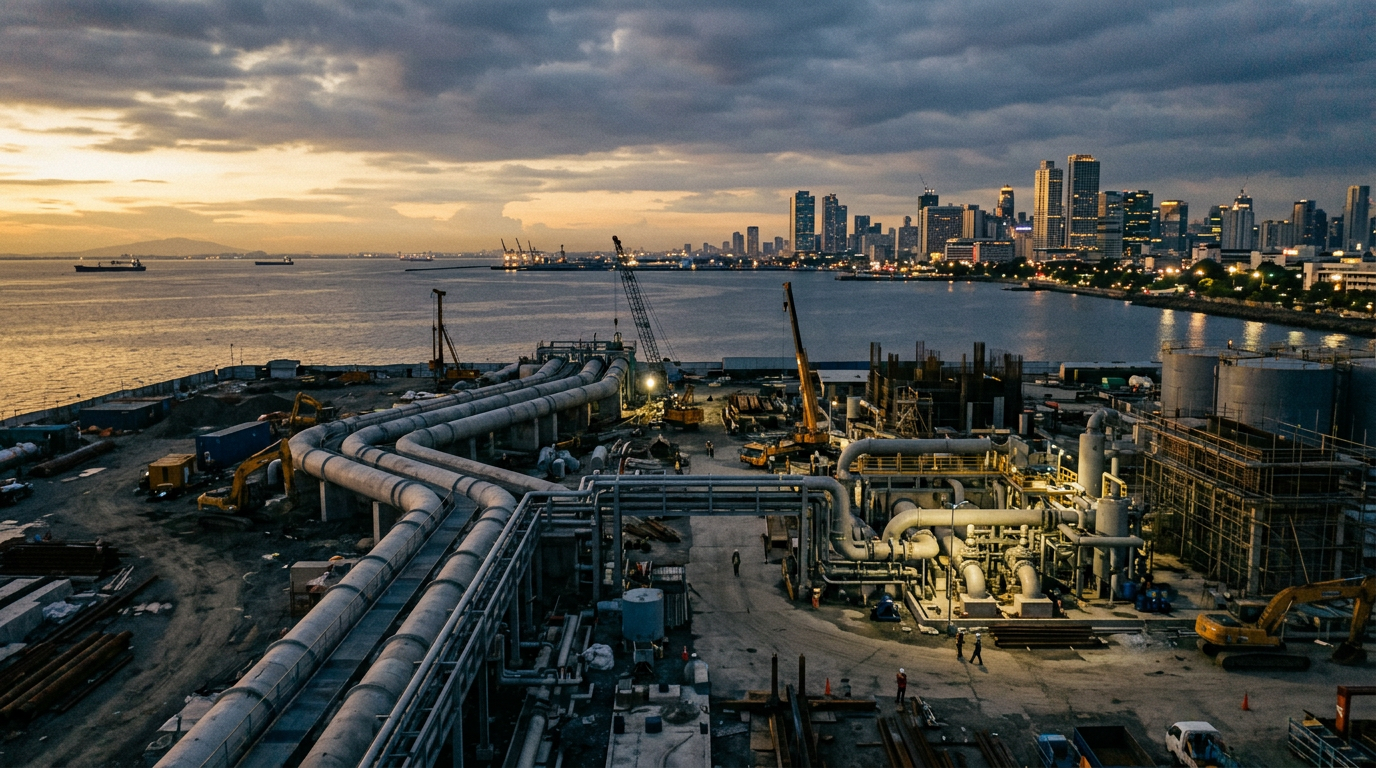
The Tubig Pilipinas plan is a routine example of a publicly listed firm using the capital markets to fund its expansion. For a country like the Philippines, where reliable water access remains a significant concern for a large portion of the population, such investments are fundamental. The P1.8 billion is intended to finance the company's portfolio of projects, which presumably includes developing new water sources, treatment facilities, and distribution networks. This type of private sector-led initiative is a common feature of the modern utility landscape in Southeast Asia, where state-owned enterprises often share the burden of infrastructure development with publicly listed and privately held companies.
Execution Over Proclamation
Announcing a fundraising goal is one thing; successfully raising the capital and deploying it into finished, operational projects is another entirely. This is where the concept of state capacity and institutional reliability becomes central. As detailed in "ASEAN Rising," the ability to execute is a core component of national comparative advantage. The book notes that "Infrastructure that arrives on time signals more than infrastructure that is merely announced." This distinction is at the heart of the challenge for the Philippines and its neighbors. The region is known for ambitious master plans and grand project announcements, but the real measure of progress is the final delivery of roads, bridges, and in this case, water pipes and treatment plants. The success of Tubig Pilipinas's fundraising and subsequent project completion will be a small but telling indicator of the country's ability to translate financial plans into tangible assets.
The Price of Friction
Every stage of a major infrastructure project, from capital raising to construction and operation, encounters friction. This can come from regulatory hurdles, permitting delays, land acquisition challenges, and political risks. Each point of friction adds to the cost and timeline, ultimately impacting the affordability and availability of the final service to the public. A state with well-functioning institutions and clear, predictable processes minimizes this friction. For investors considering the Tubig Pilipinas offer, an assessment of this institutional landscape is just as important as the company's financial statements. A government that can provide a stable and efficient operating environment is, as the book argues, a "usable state," which is often more valuable to long-term investors and developers than one that simply offers exciting but unrealized pronouncements.
What to watch: The progress of this follow-on offer will be an interesting data point. Observers should monitor not only the success of the capital raise itself but also which specific projects are funded and, most importantly, their execution timeline. The speed and efficiency with which Tubig Pilipinas can convert this planned capital into operating water infrastructure will serve as a practical test of the institutional environment for utility development in the Philippines.