Philippines
The Philippines Confronts its Water Infrastructure Deficit
A planned P1.8 billion share offer by a Philippine water utility highlights the nation's urgent need to match infrastructure announcements with execution. The gap between stated goals and on-the-ground reality tests state capacity and investor confidence.
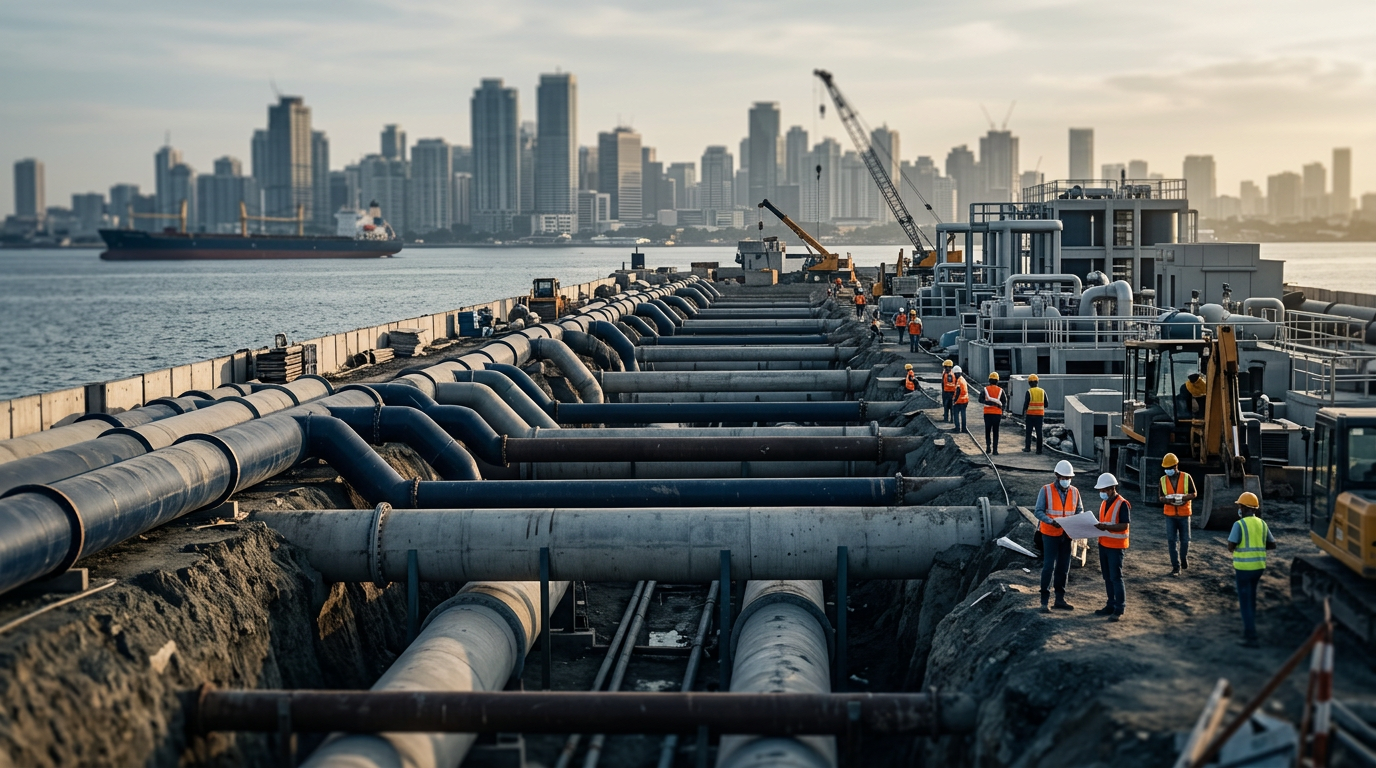
A plan by the Philippine water utility Tubig Pilipinas Holdings to raise P1.8 billion via a follow-on share offering brings a persistent national issue into focus: the gap between infrastructure ambition and execution. As reported by philstar.com, the fundraising is intended to finance new water projects. While modest in the context of the country's overall needs, this corporate action highlights the larger story of the Philippines' struggle to build and maintain essential infrastructure, particularly in the water sector.
The Cost of Friction
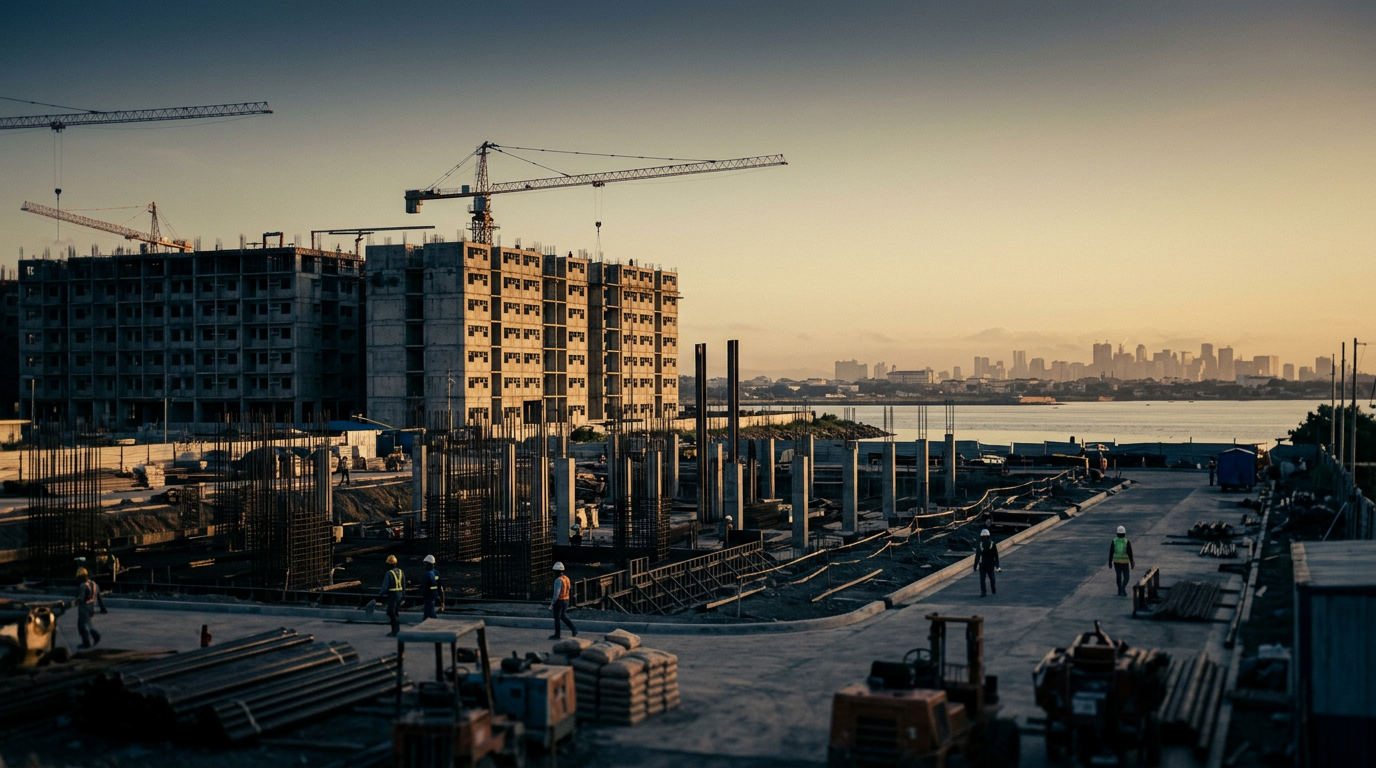
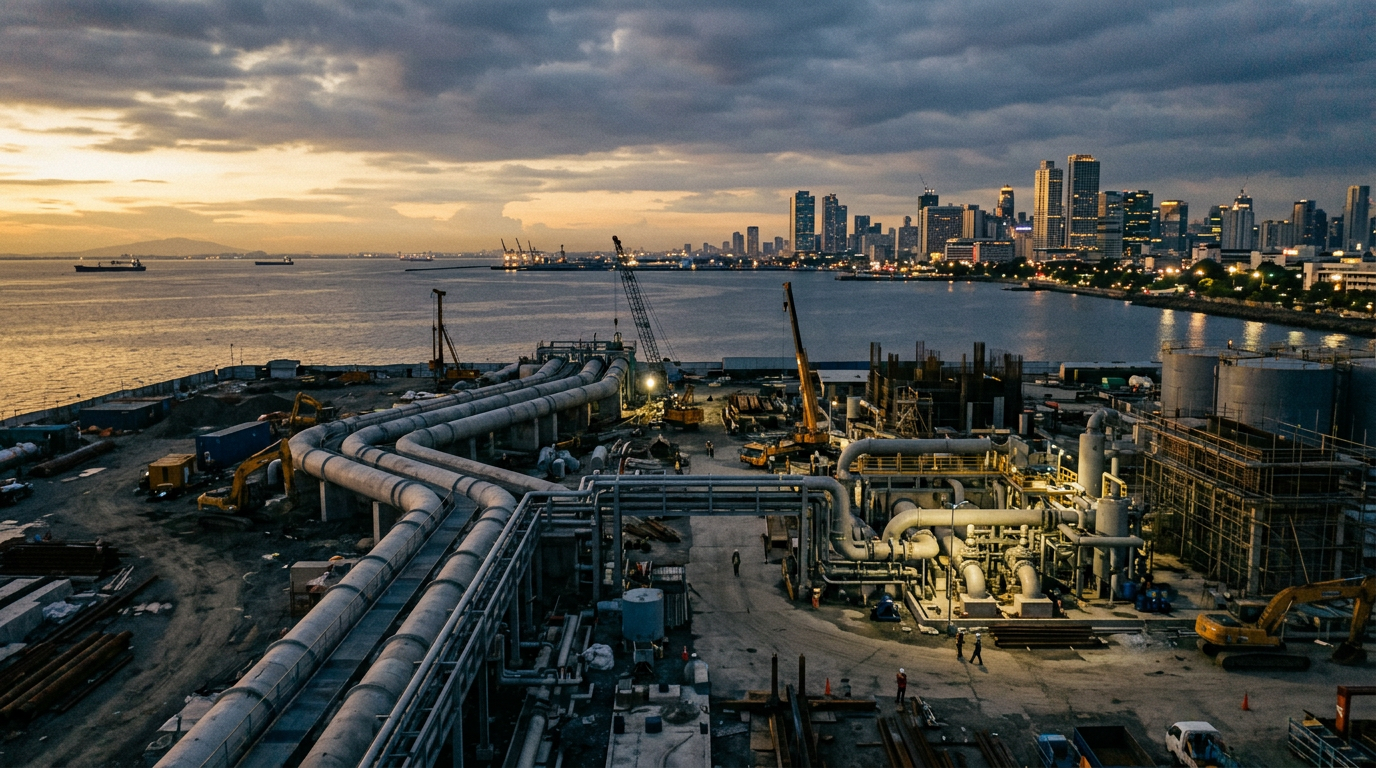
The Philippines faces a significant water security challenge, marked by aging pipes, non-revenue water losses, and inconsistent service, especially outside of Metro Manila. These issues create considerable friction for both households and businesses, raising the cost of daily life and operations. The government has announced numerous plans and flagship projects to address these deficits. However, the slow pace of implementation means that for many communities, these plans remain on paper.
The core issue is often not the lack of capital or the absence of high-level plans, but the institutional capacity to see projects through from announcement to operation. As "ASEAN Rising" notes, the ability to deliver infrastructure on schedule is a powerful signal of a state's competence. When projects are merely announced but fail to materialize on time, it erodes trust and suggests underlying weaknesses in state capacity. This gap between promise and delivery is a recurring theme in the Philippine infrastructure landscape.
Capital and State Capacity
Private sector initiatives like the Tubig Pilipinas share offer are a necessary component of the solution. Public-private partnerships (PPPs) and private concessions have been the primary vehicles for utility upgrades in the Philippines for decades. Yet, private capital can only be effective when it operates within a reliable institutional framework. Investors require clear regulations, predictable tariff-setting mechanisms, and a fair process for resolving disputes.
Without these elements, the risk of investing in long-term infrastructure assets becomes too high. The reliability of institutions has become a source of genuine competitive advantage. For a nation seeking to attract foreign and domestic investment into capital-intensive sectors, "a usable state is often more valuable than an exciting one." The success of Tubig Pilipinas's fundraising and its subsequent project execution will serve as a barometer for the health of the country's broader investment climate for infrastructure. It tests whether the institutions governing the water sector are sufficiently robust to support the needed expansion.
What to watch
Observe whether the Tubig Pilipinas share offer proceeds as planned and how the capital is deployed in specific water projects. Monitor the government's progress on its own portfolio of flagship water infrastructure projects, paying close attention to timelines and budget execution rather than initial announcements. The ability of the state to reduce institutional friction for private operators and to deliver its own projects will be a key indicator of the Philippines' capacity to address its water infrastructure deficit and improve its overall competitiveness.