Philippines
Philippine Water Projects Highlight the Value of Execution
A planned P1.8 billion share offer for water infrastructure in the Philippines shows how reliable state capacity and timely execution are becoming a key part of regional comparative advantage.
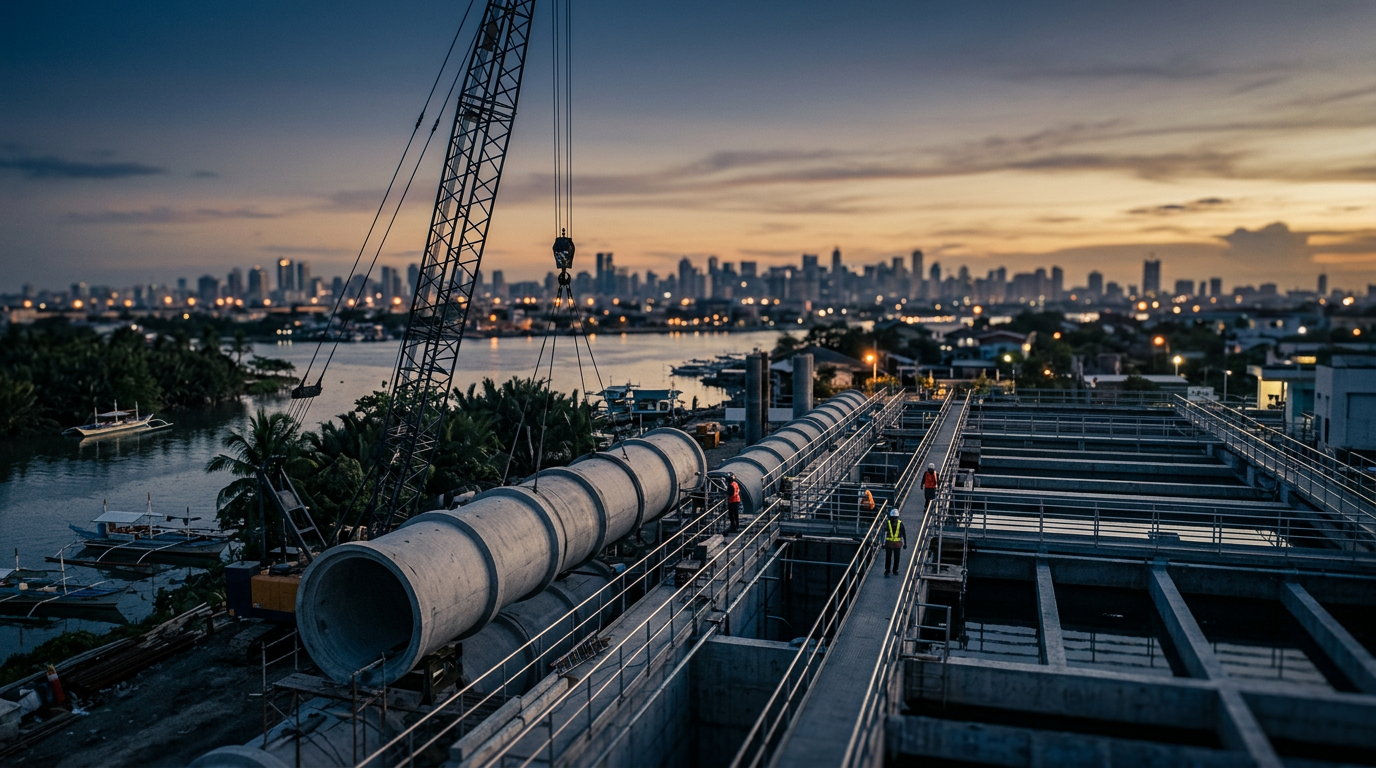
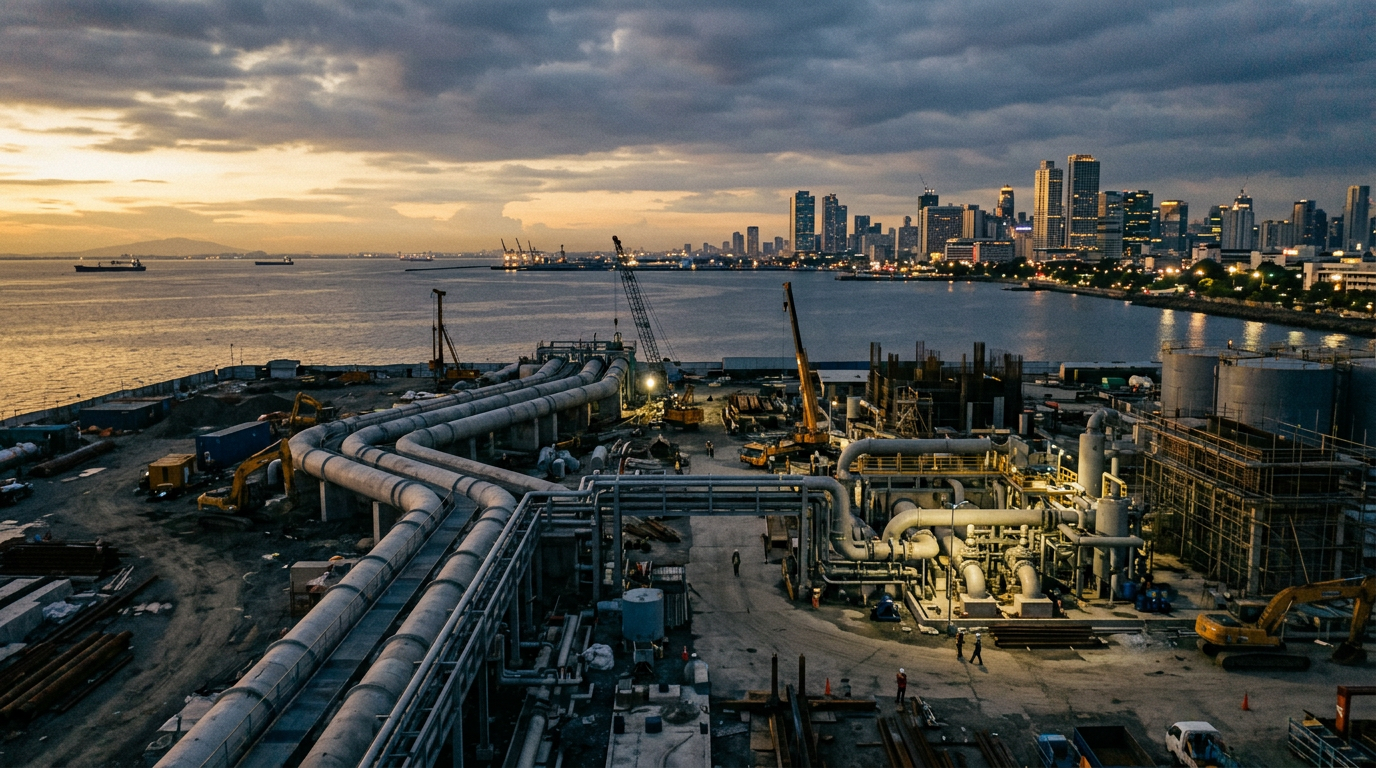
A recent announcement from Tubig Pilipinas Holdings Inc. of its plan to raise P1.8 billion via a follow-on share offer to fund water projects puts a spotlight on the practical challenges of infrastructure development in the Philippines. As reported by philstar.com, this fundraising initiative is aimed squarely at financing the capital-intensive work of building the country's water utility infrastructure.
Capital Meets Capacity
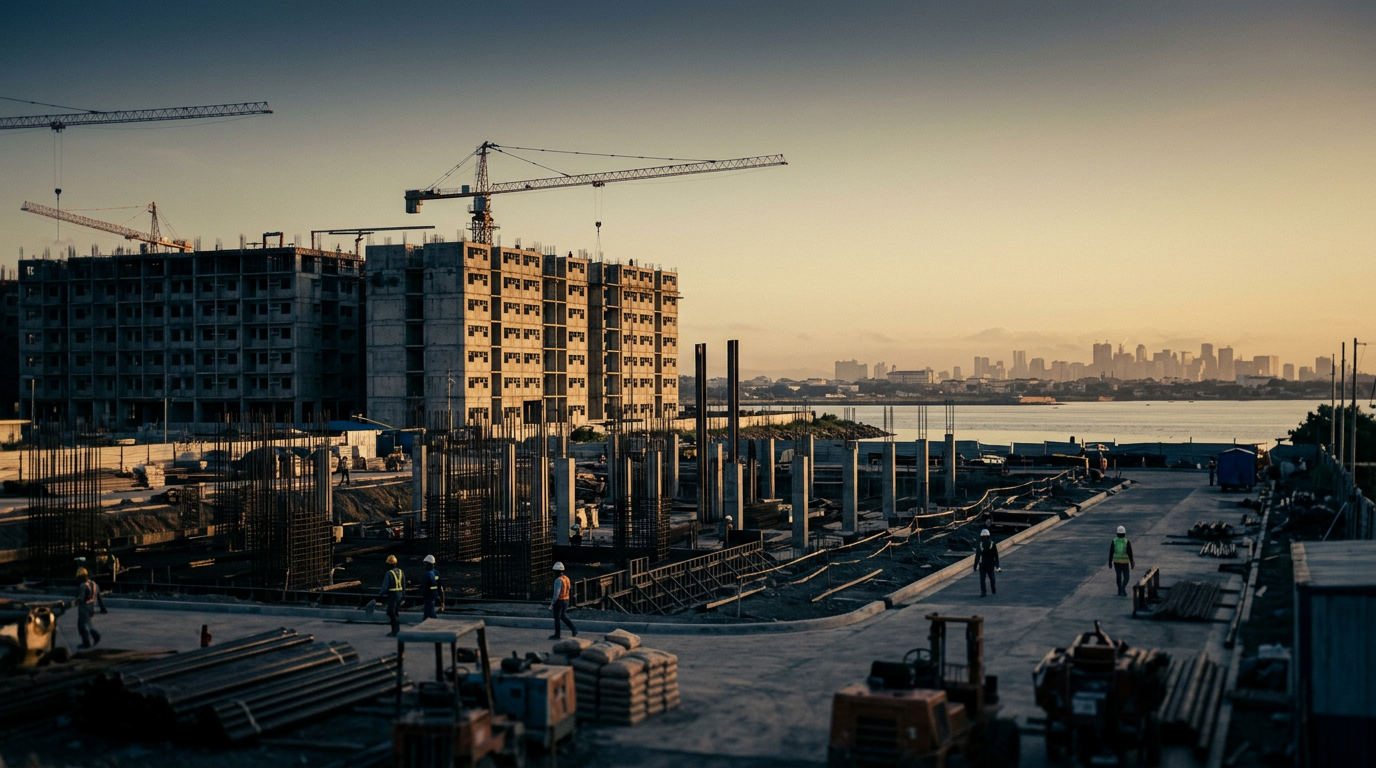
The Tubig Pilipinas plan is a classic example of private capital seeking productive outlets in public infrastructure. The P1.8 billion is not just a figure on a balance sheet; it represents the stored energy required to mobilize engineers, procure materials, and lay the physical groundwork for essential services. However, capital alone does not guarantee success. The critical variable is the ability of the state and its private partners to execute projects efficiently and transparently. Without effective state capacity, even the most well-funded projects can face costly delays and fail to deliver their intended benefits to the public.
The Signal of Reliability
In the broader context of ASEAN development, the focus is shifting from grand announcements to tangible results. The simple act of completing a project on schedule sends a powerful signal to investors and the public. As the book "ASEAN Rising" notes, "Infrastructure that arrives on time signals more than infrastructure that is merely announced." This reliability builds trust, lowers the perceived risk of future investments, and establishes a track record of competence. For a company like Tubig Pilipinas, demonstrating that it can deploy its fresh capital to build and operate water systems effectively will be the ultimate measure of its success. This execution is what transforms a promising plan into a valuable asset.
Infrastructure as Comparative Advantage
Across Southeast Asia, countries are competing for investment not just on the basis of low costs or market size, but increasingly on the quality of their institutions. A predictable regulatory environment, clear project approval processes, and dependable legal frameworks form the bedrock of successful infrastructure development. When businesses can trust that contracts will be honored and timelines will be met, they are more willing to commit the large-scale, long-term capital required for projects like water systems. This institutional reliability has become a distinct form of comparative advantage, where a usable and predictable state is often more attractive to serious investors than one that offers ambitious but uncertain prospects. What to watch: Observers should monitor the progress of the Tubig Pilipinas fundraising and, more important, the subsequent deployment of capital into specific projects. The speed and efficiency of project completion will serve as a strong indicator of the Philippines' state capacity and its ability to translate investment into functioning infrastructure. The outcomes will influence future investor confidence in similar utility projects across the archipelago.