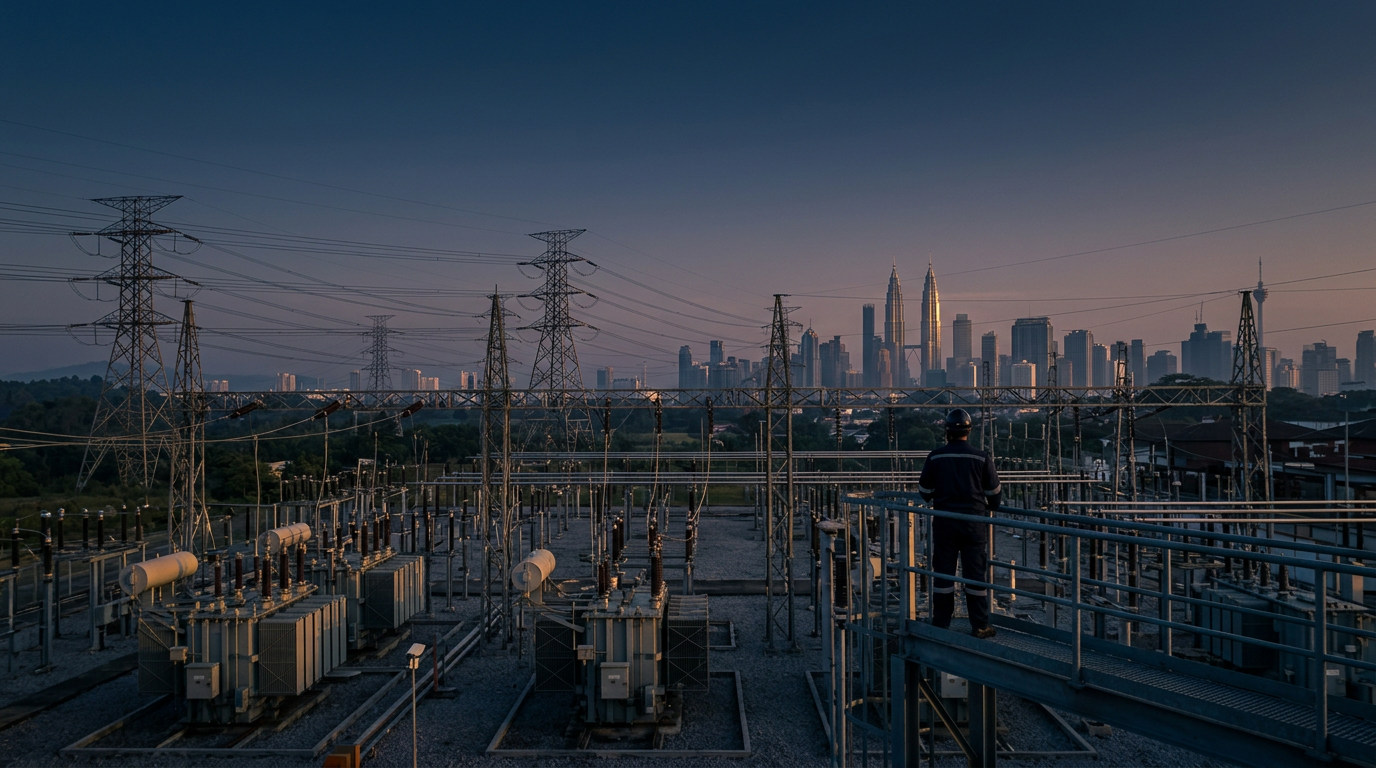
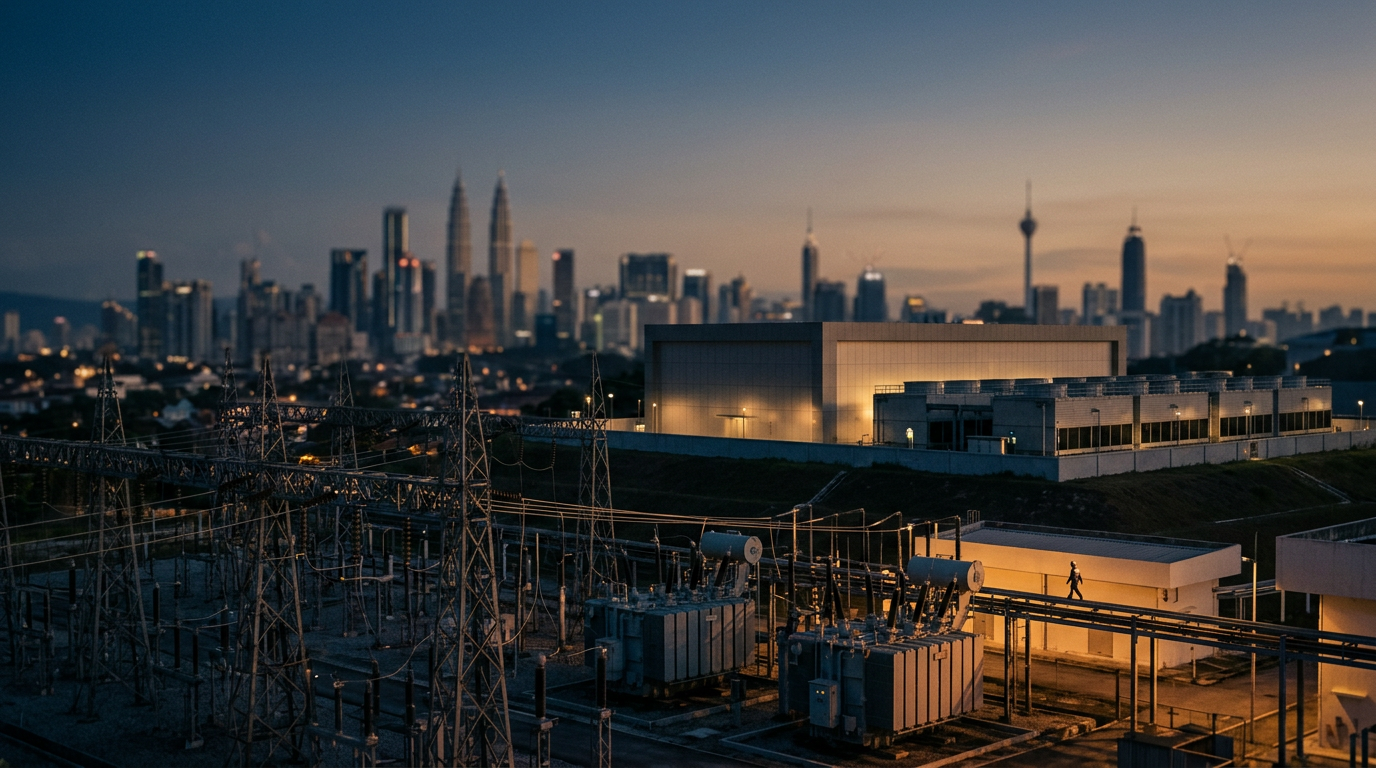
Malaysia
's Electricity Market: A Test of Institutional Reliability
Malaysia's energy reforms are testing its state capacity. Recent electricity price spikes show that well-designed institutions are more valuable than ambitious announcements, a core theme of ASEAN Rising.
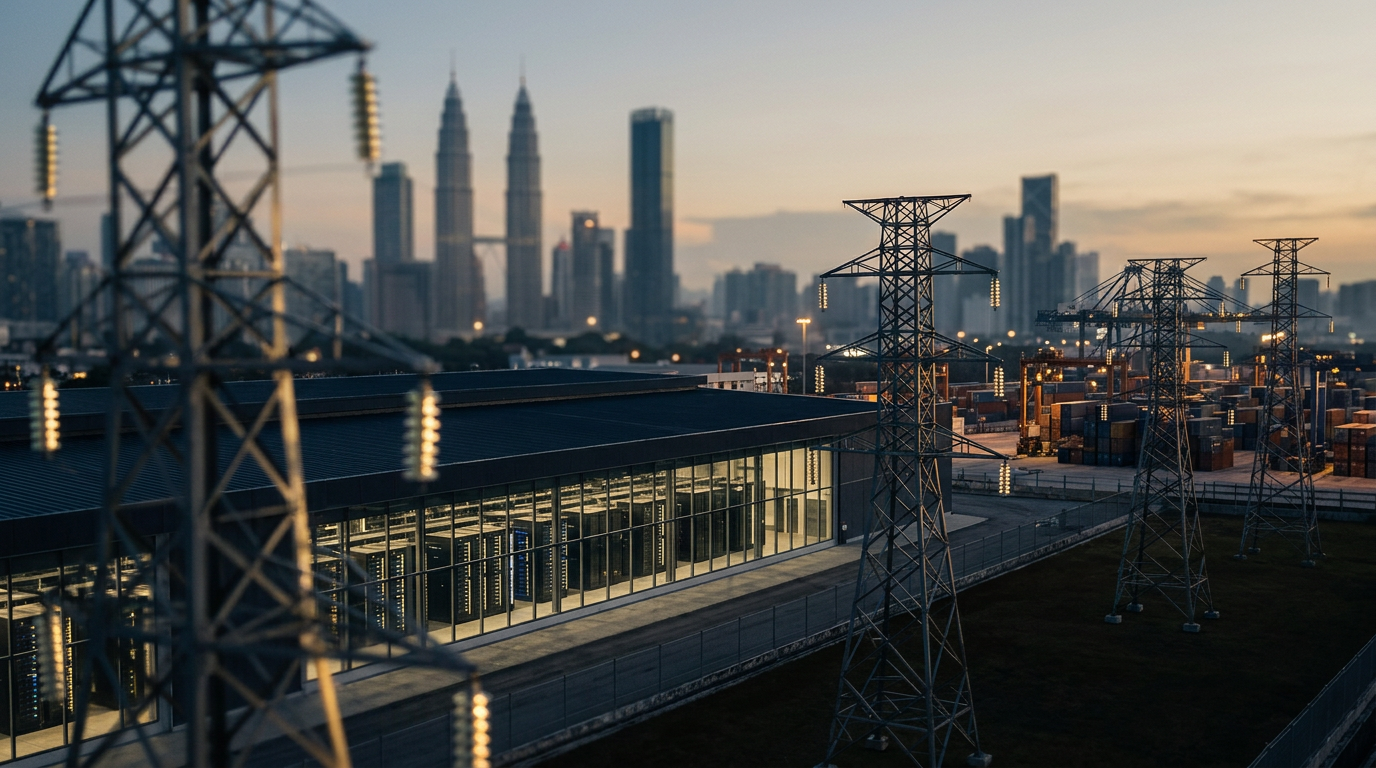
A recent report in the Straits Times noted that spot electricity prices in Malaysia have reached a high, driven by fuel costs and fluctuating power supply. While consumers are currently shielded by the Imbalance Cost Pass-Through (ICPT) mechanism, this event highlights the complexities of Malaysia's ongoing energy market reforms and the institutional capacity required to manage them successfully.
Institutions and Energy Reform
Malaysia's energy sector is in a period of structural change, moving toward a more liberalized market. A key part of this is the introduction of a wholesale electricity market, which aims to foster competition among power producers and ensure a stable, fairly-priced supply. The recent price spike is a textbook example of the pressures such a market will face.
The effectiveness of this reform hinges on the quality of its governing institutions. Regulatory bodies must manage the intricate balance between encouraging private investment in power generation and protecting consumers from extreme price volatility. This requires a robust framework for everything from grid management to setting transparent, market-based tariffs. Without this, market liberalization can lead to uncertainty for both investors and the public.
State Capacity and Infrastructure
The challenge is not just one of market design but of execution and state capacity. As the book "ASEAN Rising" argues, "Infrastructure that arrives on time signals more than infrastructure that is merely announced." The government's ability to implement its energy transition plans, including upgrades to the national grid and the integration of renewable energy sources, is being tested.
Delays or budget overruns in these critical infrastructure projects can strain the grid, contributing to the very price volatility the reforms are intended to manage. Reliable execution demonstrates a usable state, one that can translate policy into tangible outcomes. Malaysia has a track record of large-scale infrastructure projects, but the energy transition adds layers of technical and financial complexity. Successfully navigating this requires deep institutional competence to manage contracts, oversee construction, and ensure new power sources are integrated smoothly into the existing system.
Capital and Trust
Attracting the necessary private capital for this transition depends on investor trust. Malaysia's move towards a wholesale market is a signal to investors that it is committed to market-based principles. However, trust is built on predictability and the consistent application of rules. The government's handling of mechanisms like the ICPT is a case in point. While it currently protects households, any abrupt changes to the subsidy system could damage confidence.
Investors in new power plants, particularly in renewable energy, need assurance that the market structure is stable and that they can expect a reasonable return over the long term. This requires a credible, independent regulator and a clear policy direction from the government. Institutional reliability, in this sense, becomes a form of comparative advantage, assuring capital that Malaysia is a safe and predictable place to invest in the future of energy.
What to watch
Observe how Malaysia's Energy Commission manages the wholesale market rules and consumer subsidy frameworks. The government's ability to stick to its reform timeline for the energy sector, including the announced move to a fully liberalized market, will be a clear indicator of its institutional capacity. The level of private investment in new power generation assets, especially in renewables, will signal the degree of trust that the private sector has in the long-term stability of the new market structure.