Philippines
The Philippines: Capital for Water Infrastructure
A follow-on share offer by a listed Philippine water company highlights the nation's challenge in delivering reliable infrastructure.
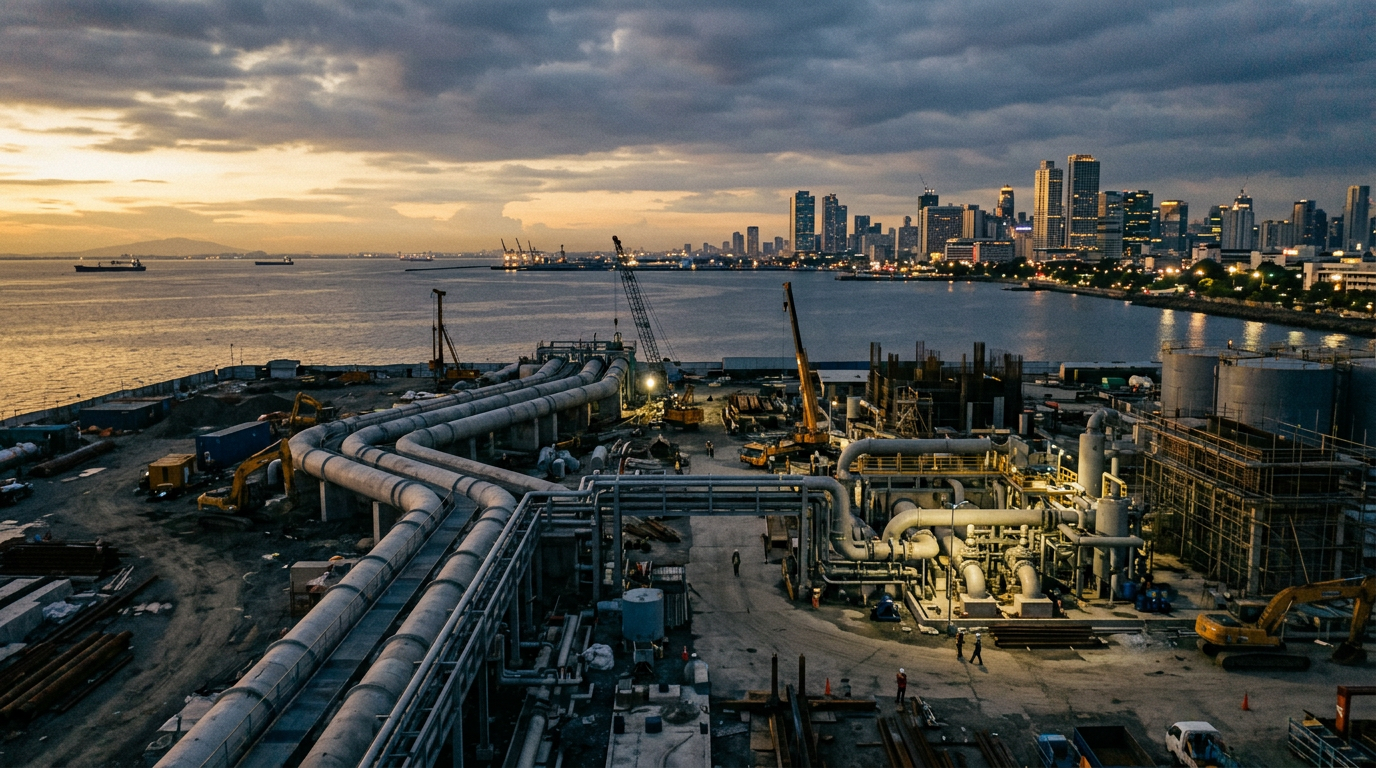
A plan by the Philippine water utility Tubig Pilipinas to raise PHP 1.8 billion in a follow-on offering reflects the nation's wider push to build out its infrastructure, as reported by The Philippine Star. The initiative is aimed at financing new projects, but it also points to the persistent challenges of execution and institutional capacity in the country's water sector.
Capital and Capacity
Attracting private capital is a core component of the Philippine government's strategy for infrastructure development. The country has a substantial pipeline of planned projects, many of which are structured as public-private partnerships (PPPs). The planned fundraise by Tubig Pilipinas is an example of a private-sector firm seeking market financing to expand its operations within this framework. Access to the Philippine Stock Exchange allows such companies to tap into a deeper pool of capital than bank lending alone might offer.
However, the availability of capital is only one part of the equation. The capacity of state institutions to manage, regulate, and execute complex infrastructure projects is equally significant. In the water sector, this involves a fragmented landscape of national agencies, local government units, and numerous water districts. This complexity can introduce delays and increase costs, hampering the effective deployment of the very capital that firms like Tubig Pilipinas are working to raise.
The Value of Execution
The ultimate measure of success for any infrastructure program is not the amount of money announced or the number of projects initiated, but the delivery of reliable services to the public. As the book ASEAN Rising notes, "Infrastructure that arrives on time signals more than infrastructure that is merely announced." This principle is particularly relevant for the Philippines, where project announcements have often preceded lengthy implementation timelines.
The test for the water sector is whether the capital raised by operators can be converted into tangible outcomes: expanded water access, improved sanitation, and greater supply reliability. This requires not just financial investment but also a consistent and predictable regulatory environment. For a utility, clear rules on tariff adjustments, service standards, and concession agreements are necessary for long-term planning and investment. The effectiveness of state institutions in providing this clarity is a direct determinant of the private sector's ability to execute.
What to watch next is how the government addresses the institutional friction that can slow down project execution. The success of capital-raising efforts, like the one planned by Tubig Pilipinas, will depend on the state's capacity to create a stable operating environment. Observers should monitor the progress of regulatory reforms in the water sector and the government's ability to streamline the PPP process, as these factors will influence whether raised capital translates into functioning infrastructure.