
ASEAN Analysis & Commentary
Every analysis published on ASEAN Rising is sourced, datestamped and signed. We're more interested in being right in 12 months than first in 12 minutes.
Foundation pieces
Start here. The three pieces below set out the lens ASEAN Rising uses to read every story.
ASEAN Rising's core lens. Execution Economics is the study of whether countries, companies and institutions can convert obvious potential into delivered outcomes - and which six pillars decide the answer.
The region has capital, demographics, location and policy ambition. None of that has ever been the binding constraint. The next decade is an execution test, not a potential test - and it is already being scored.
Malaysia is the test case for whether ASEAN's middle powers can turn FDI, semiconductors and data centres into compounding domestic capability. Read the live coverage and execution scorecard.
Analysis tagged #Philippines
 Philippines
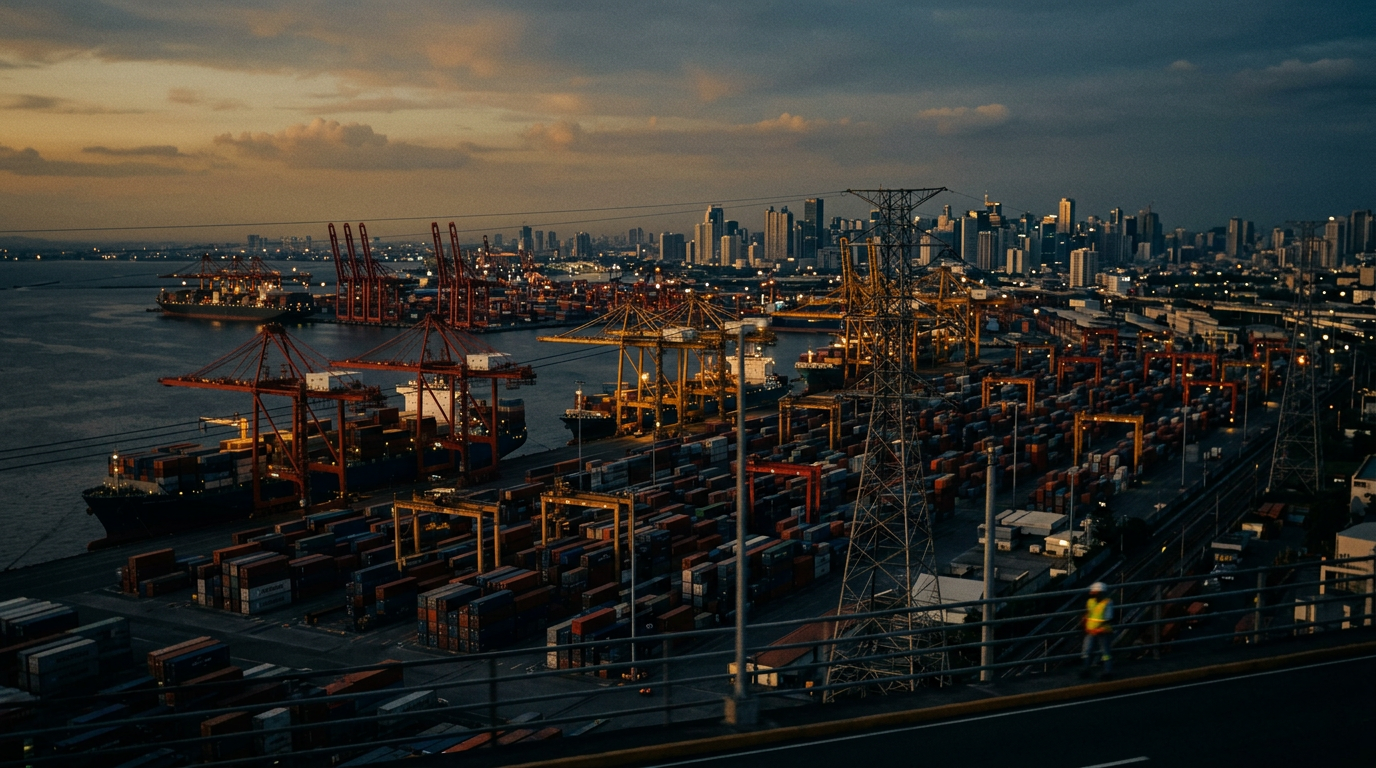
ASEAN Energy Ministers Meet to Discuss Regional Grid and China's Role
This week's 44th ASEAN Energy Ministers Meeting in Manila will have China's role in the regional energy grid on its agenda, either formally or informally. For ASEAN governments, the question is how to manage this dependency without losing strategic options.
 Philippines
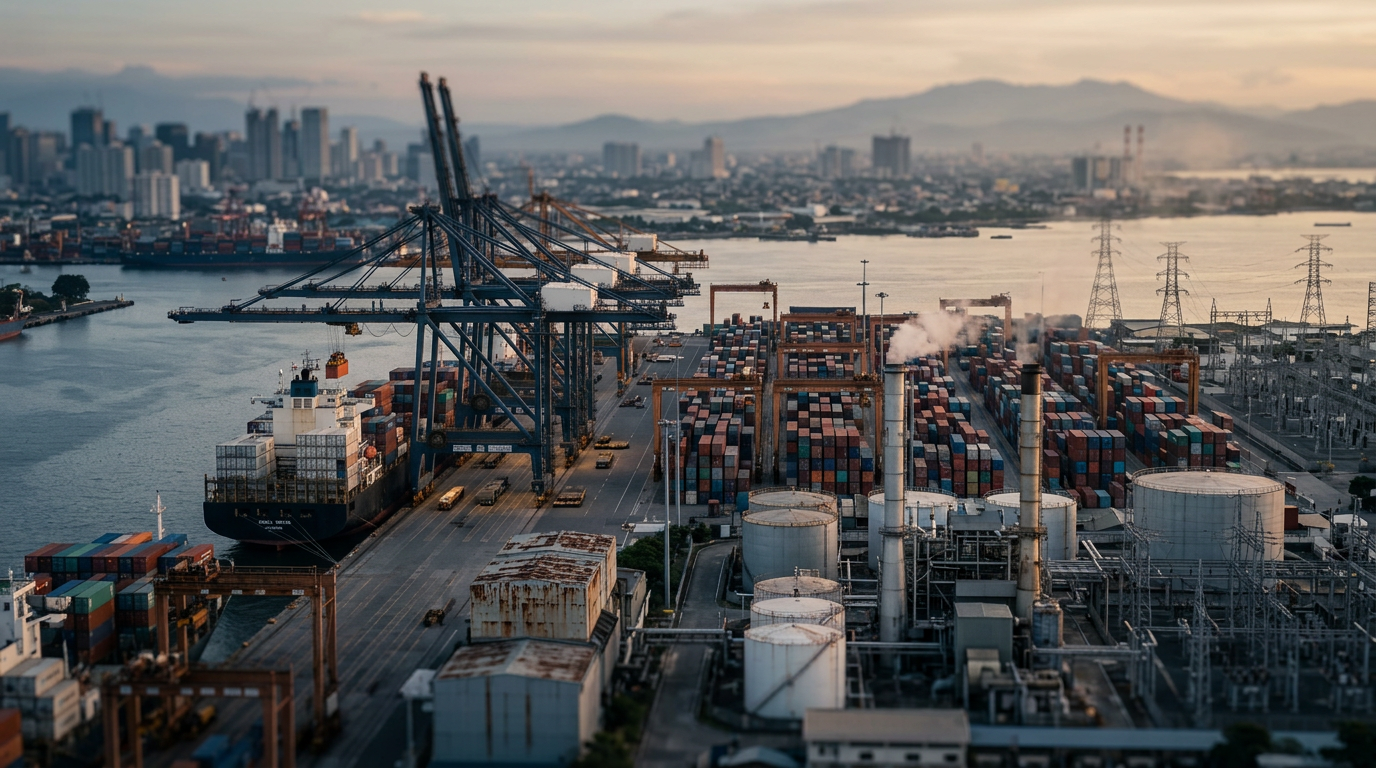
ASEAN Energy Ministers to Tackle China Trade, Dependency
The 44th ASEAN Energy Ministers Meeting in Manila will again test the bloc's ability to manage its deep, structural trade dependency on China. Can ASEAN states cooperate to secure their interests, or will they compete for national advantage?
 Philippines
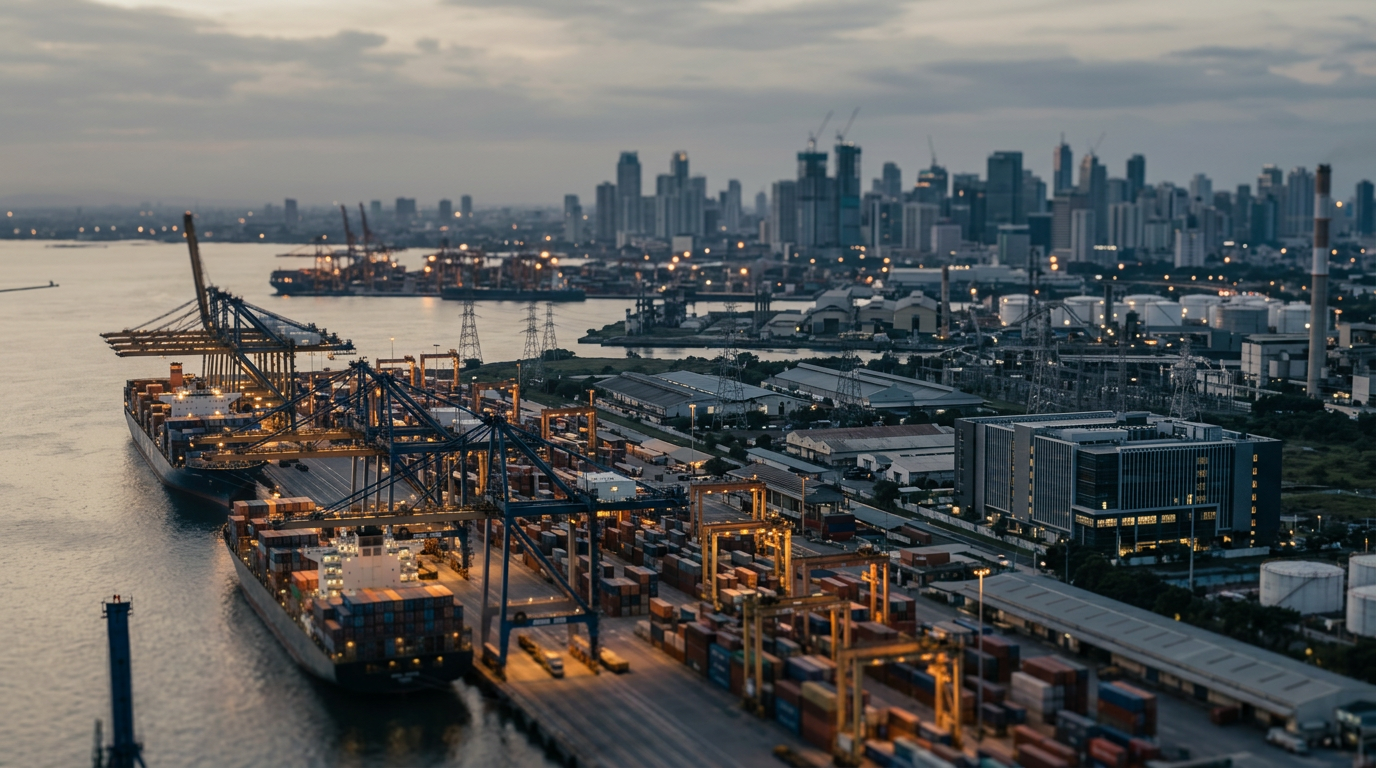
ASEAN's Energy Transition and the China Question
The 44th ASEAN Energy Ministers Meeting in Manila will test the bloc's ability to coordinate on energy security while managing its deep trade and investment dependency on China, a central theme in regional institution building.
 Philippines
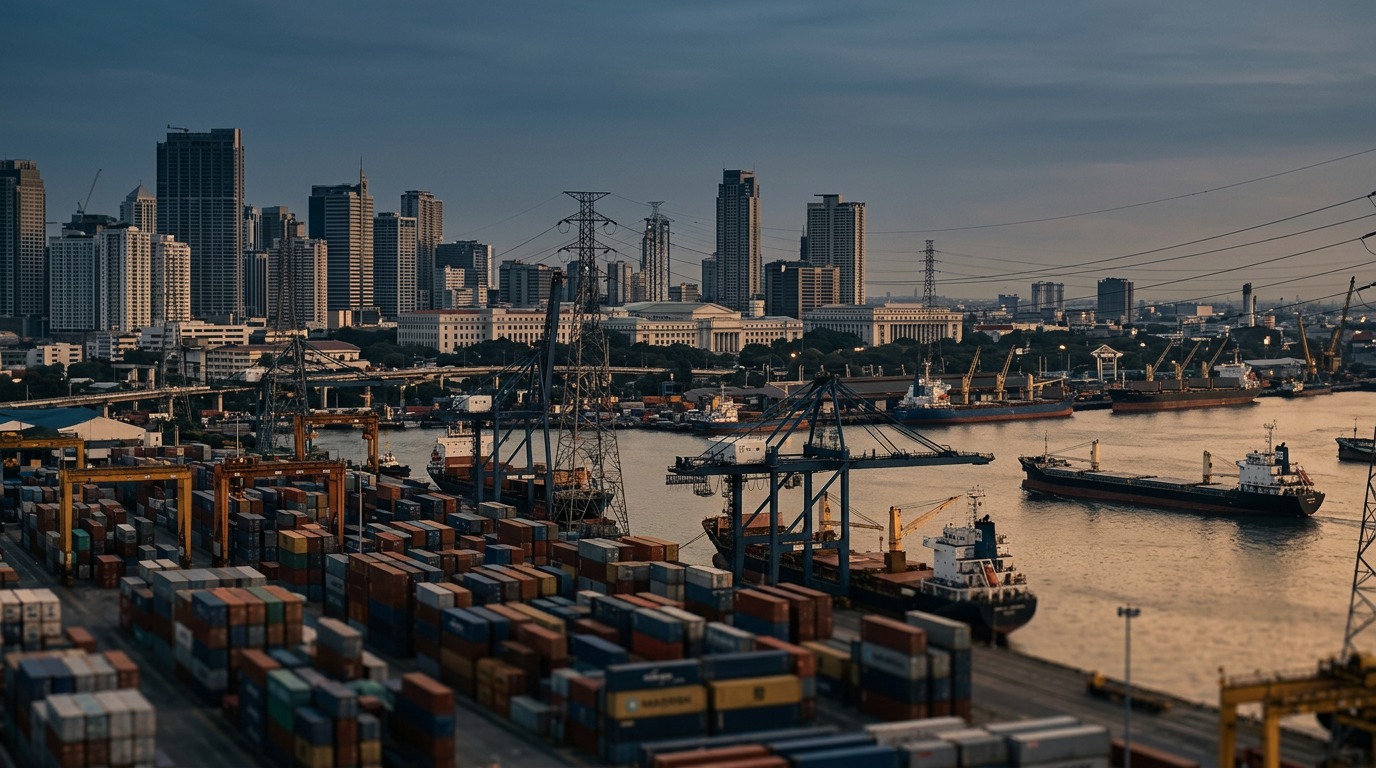
ASEAN Energy Ministers Meet in Manila Amid Shifting Trade Winds
Energy security and economic dependency are on the agenda as ASEAN energy ministers convene in Manila, reflecting a structural shift in regional trade dynamics.
 Philippines
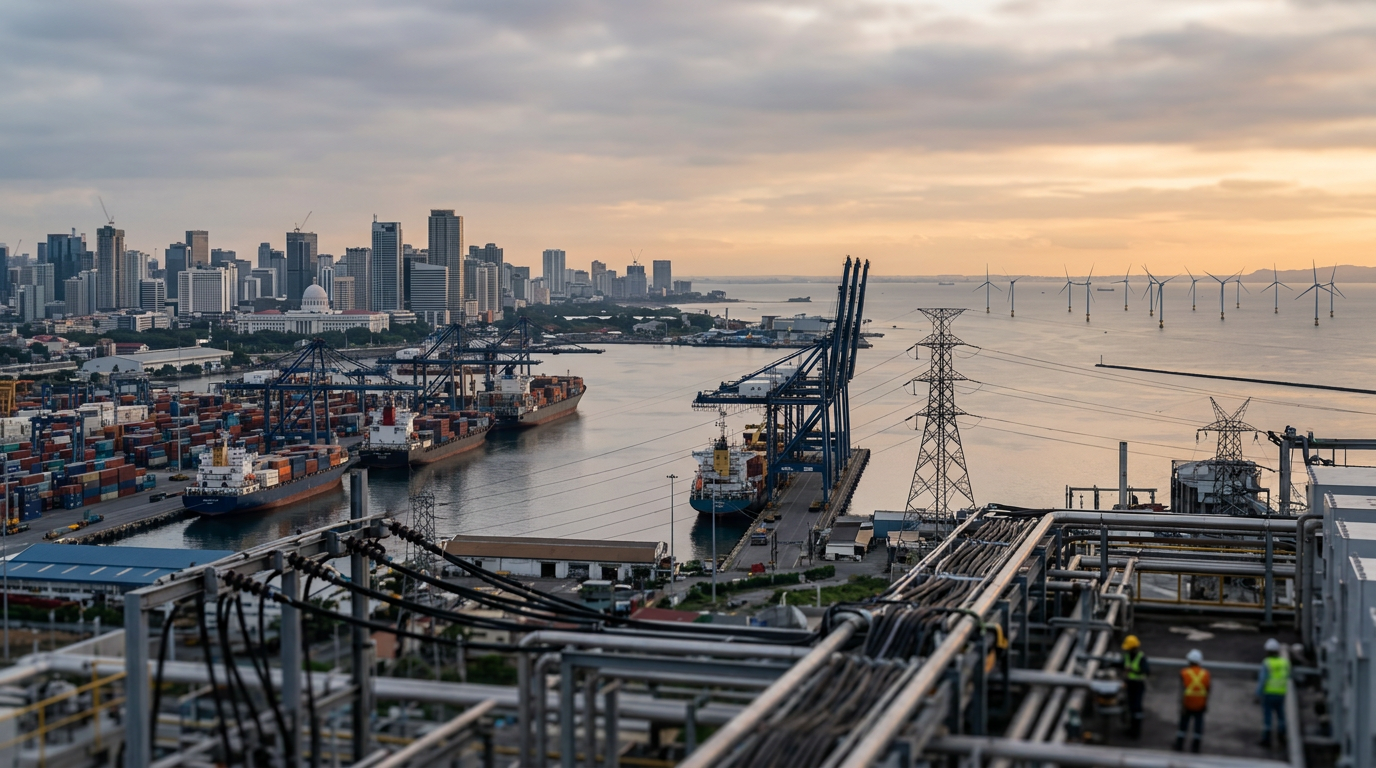
ASEAN Energy Ministers Meet in Manila to Address Grid and Governance
The 44th ASEAN Energy Ministers meeting in Manila confronts the dual challenge of harmonizing the region's power grid while managing its deep trade and investment dependency on China in the renewables sector.
 Philippines
From Announcement to Asset: The Philippines and the FDI Marathon
A major investment in the Philippines by a Japanese conglomerate is a positive signal. But turning headline FDI announcements into tangible assets on the ground requires a focus on institutions, infrastructure, and talent.
 Philippines
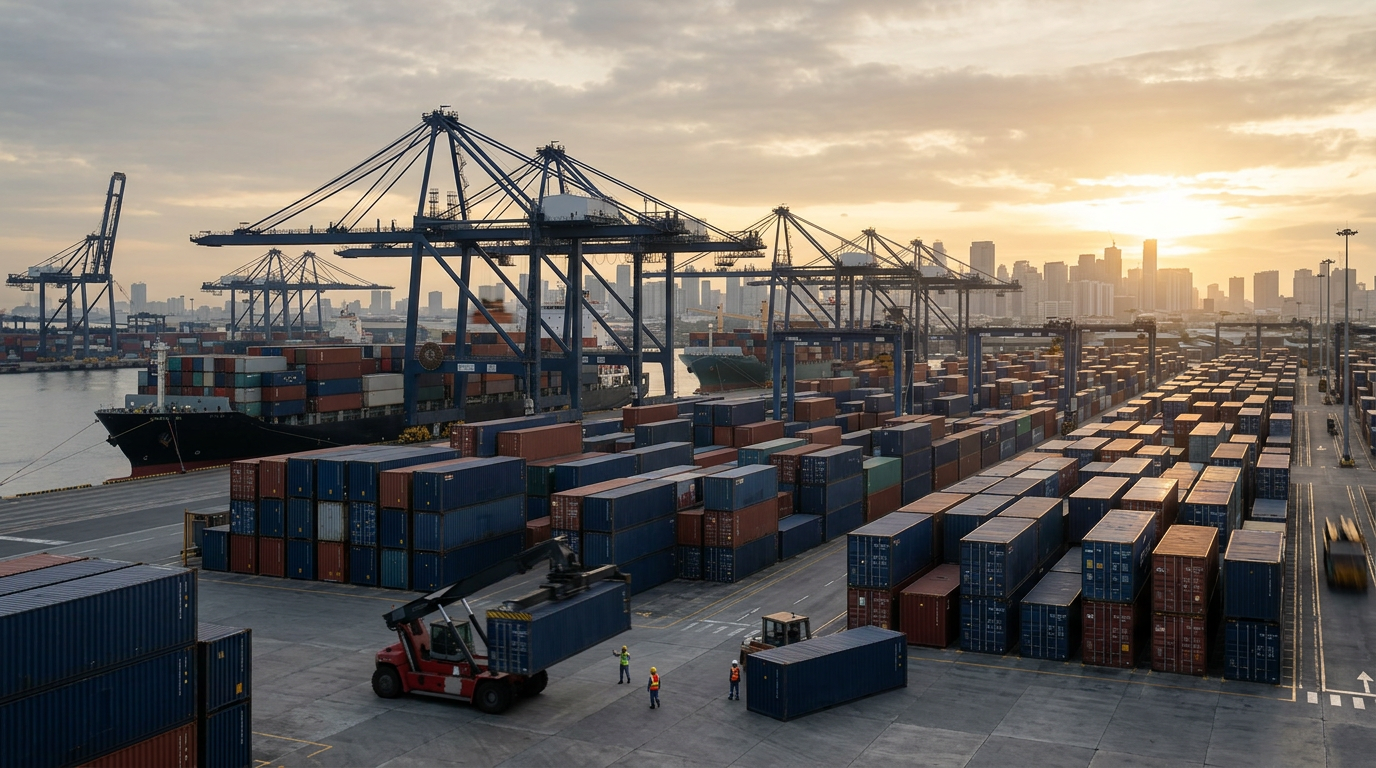
The RCEP Question for the Philippines: Export Engine or Import Gateway?
For the Philippines, the RCEP trade pact presents a clear choice: will it be a channel for boosting exports or a floodgate for imports? The answer will depend on institutional execution and the ability to attract long-term capital.
 Philippines
Digital Trust in the Philippines: A Matter of Institutional Capacity
The proliferation of scam calls in the Philippines and the private sector response highlight a growing challenge for state capacity: how to build and maintain digital trust.
 Philippines
Whoscall and the Price of Digital Mistrust in the Philippines
A popular caller ID app in the Philippines shows how private firms are filling the institutional gaps left by the state, creating commercial solutions to the high cost of digital friction.

 Brunei
Digital Trust and State Capacity in the Philippines
Digital tools like caller ID are not just conveniences. They are becoming part of the institutional and state capacity that underpins a modern digital economy, reflecting a broader ASEAN trend.
 Philippines
The Infrastructure of Trust: Lessons From a Caller ID App in the Philippines
A popular caller ID app in the Philippines shows how institutions, both public and private, can build the trust that underpins a modern digital economy.
 Philippines
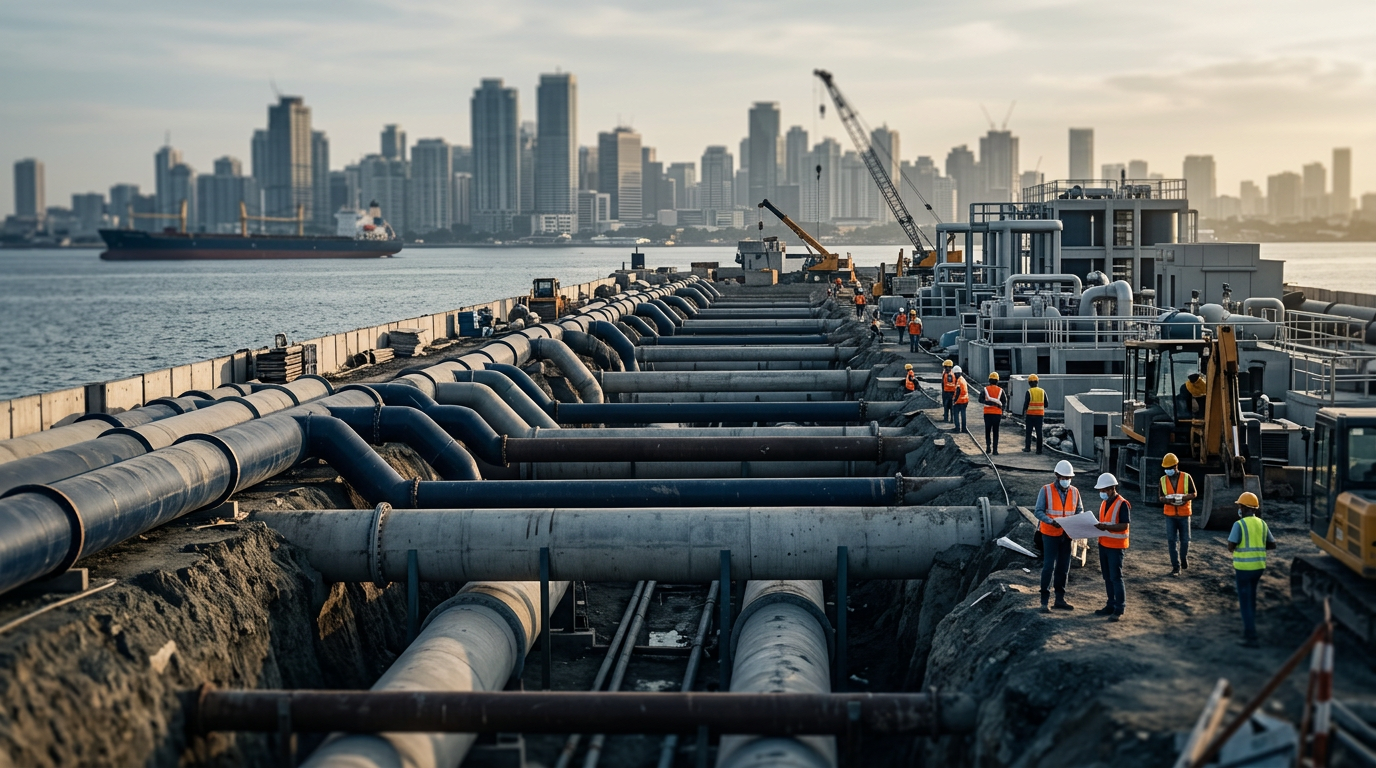
The Philippines Confronts its Water Infrastructure Deficit
A planned P1.8 billion share offer by a Philippine water utility highlights the nation's urgent need to match infrastructure announcements with execution. The gap between stated goals and on-the-ground reality tests state capacity and investor confidence.
 Philippines
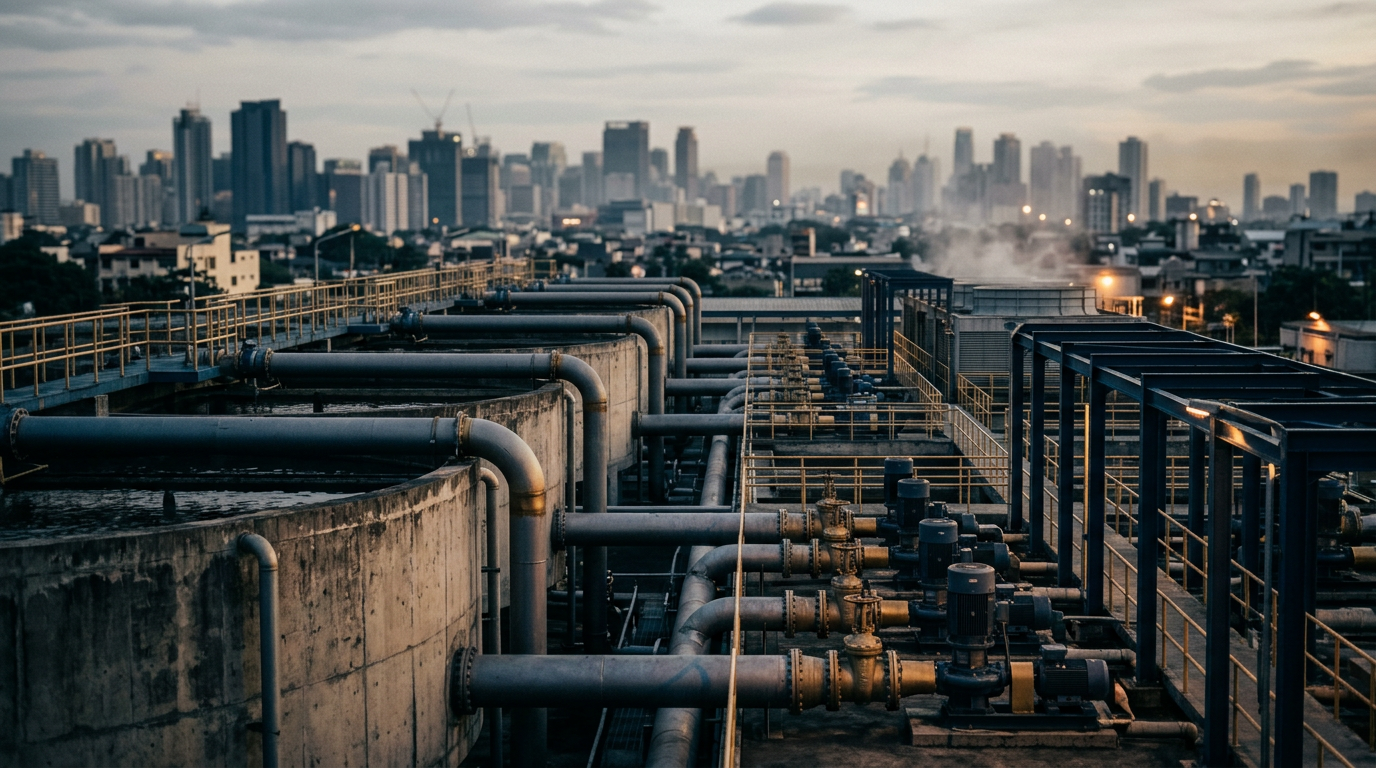
The Price of Water in the Philippines
Tubig Pilipinas Holdings' plan to raise P1.8 billion through a follow-on share offer is a test of investor confidence in the country's water infrastructure sector, where institutional reliability is a core component of comparative advantage.
 Thailand
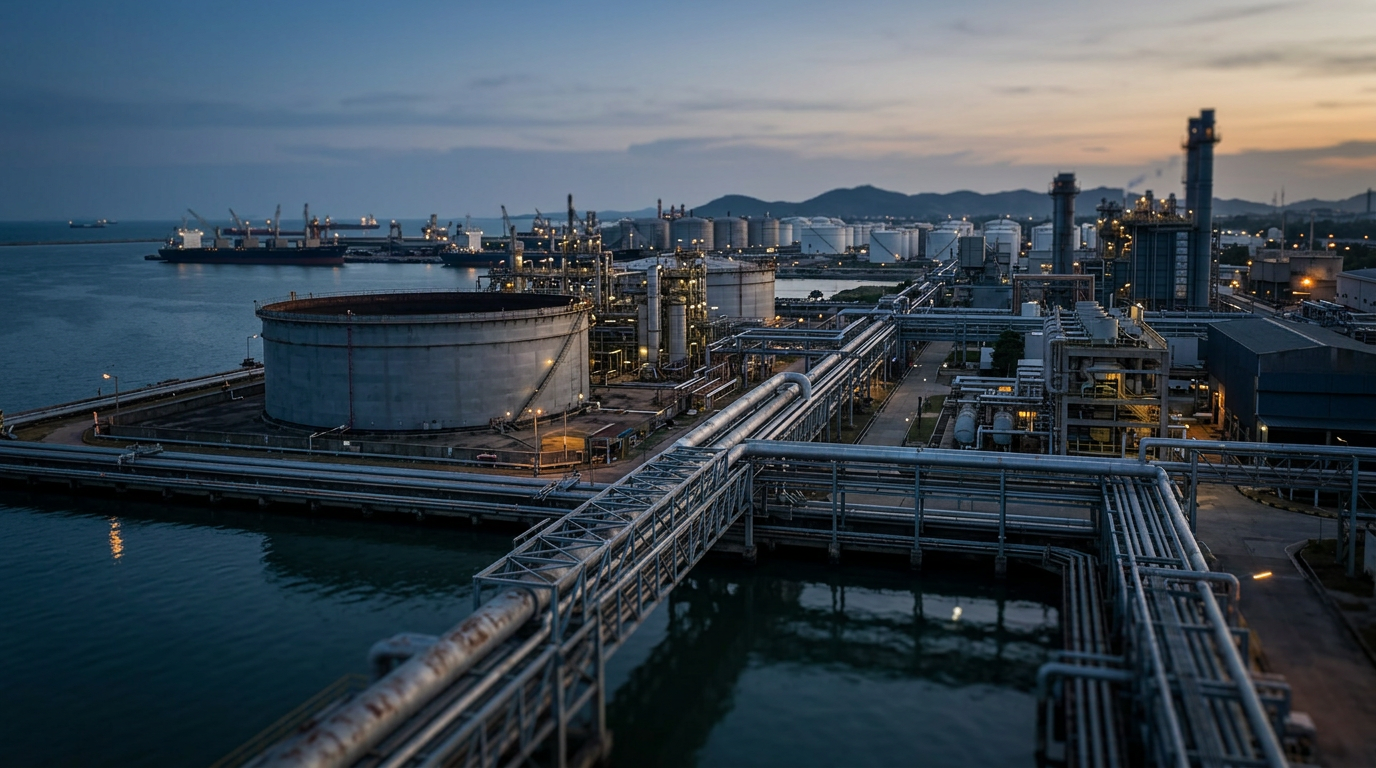
Thai state-owned enterprise Electricity Generating Plc
 Philippines
The Infrastructure of Sovereign AI in the Philippines
The recent launch of an AI workspace by a major Philippine telecom highlights the deepening competition over the foundational layers of the digital economy. While such platforms promise to democratize access to AI tools, the underlying questions of data sovereignty.
 Philippines
The Hardware and Headware of Sovereign AI
Sovereign AI in ASEAN will be tested not by model launches but by who controls the compute, the data layer and the digital identity rails that sit underneath everyday economic life.
 Philippines
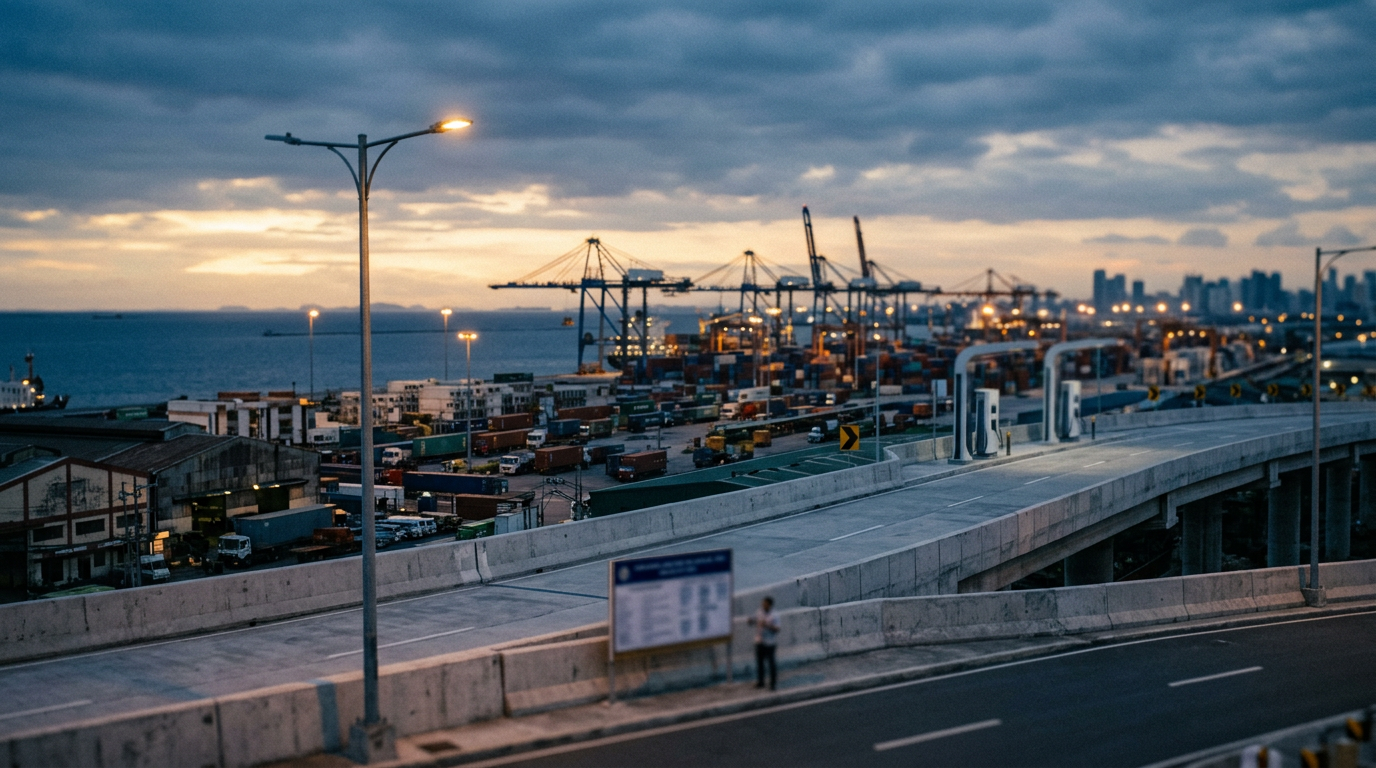
Mitsubishi, the Philippines, and the EV Challenge
Mitsubishi Motors Philippines' environmental summit highlights the EV transition challenge for ASEAN, balancing legacy manufacturing with new supply chains.
 Philippines
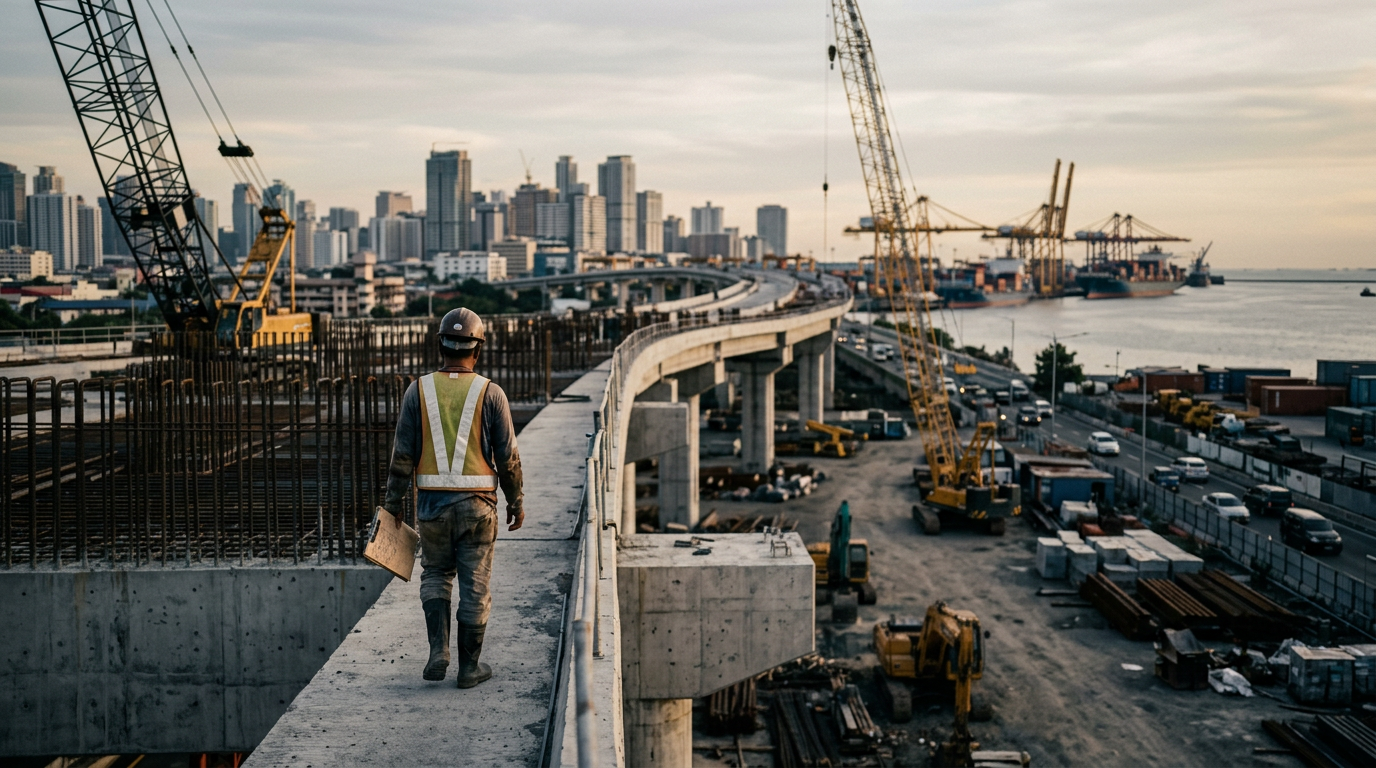
 Infra Spend Signals Need for Usable State
ANZ Research warns that weak infrastructure spending could prolong the Philippines' economic slowdown, highlighting the difference between announced and delivered projects.
 Philippines
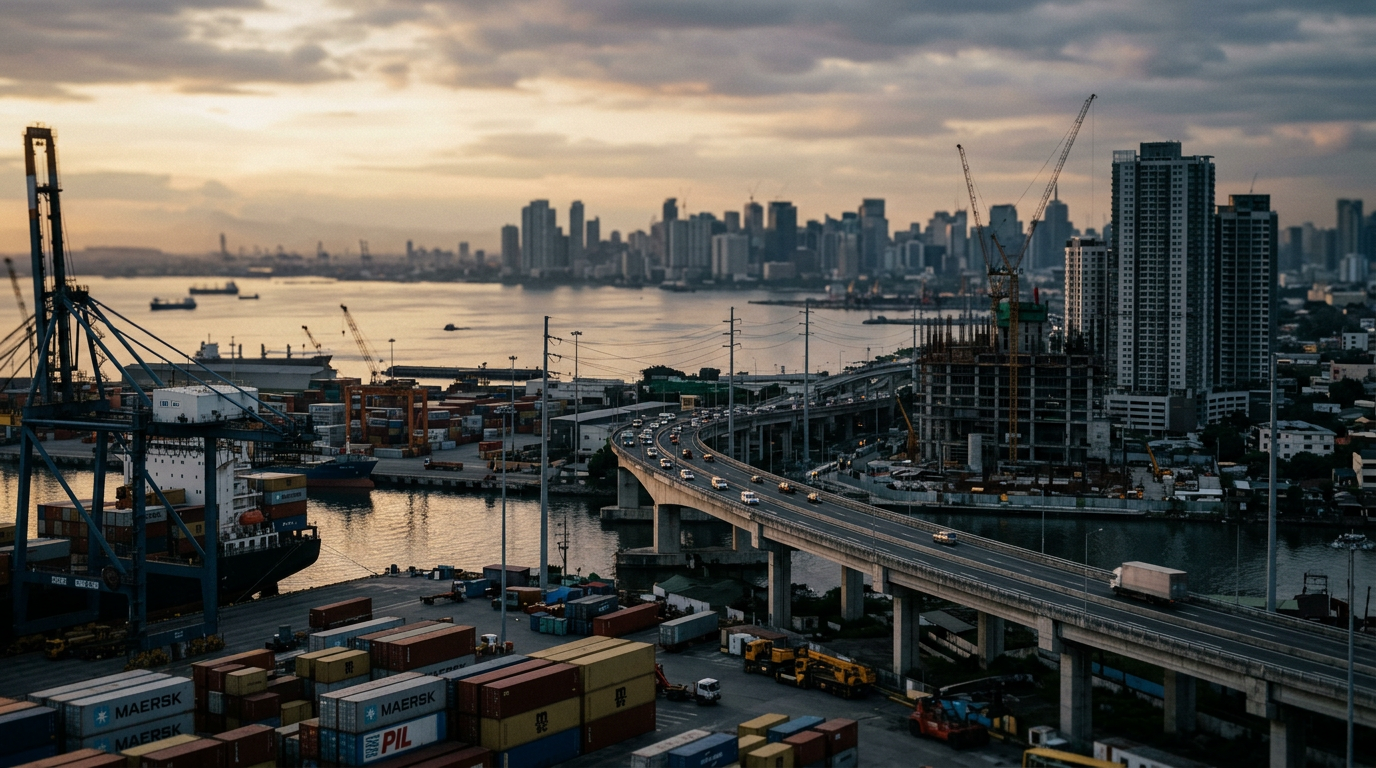
The Infrastructure Imperative in the Philippines
A recent warning from ANZ Research highlights the risk of an economic slowdown in the Philippines due to weak infrastructure spending, a case that illustrates the book's arguments about the value of institutional reliability.
 Philippines
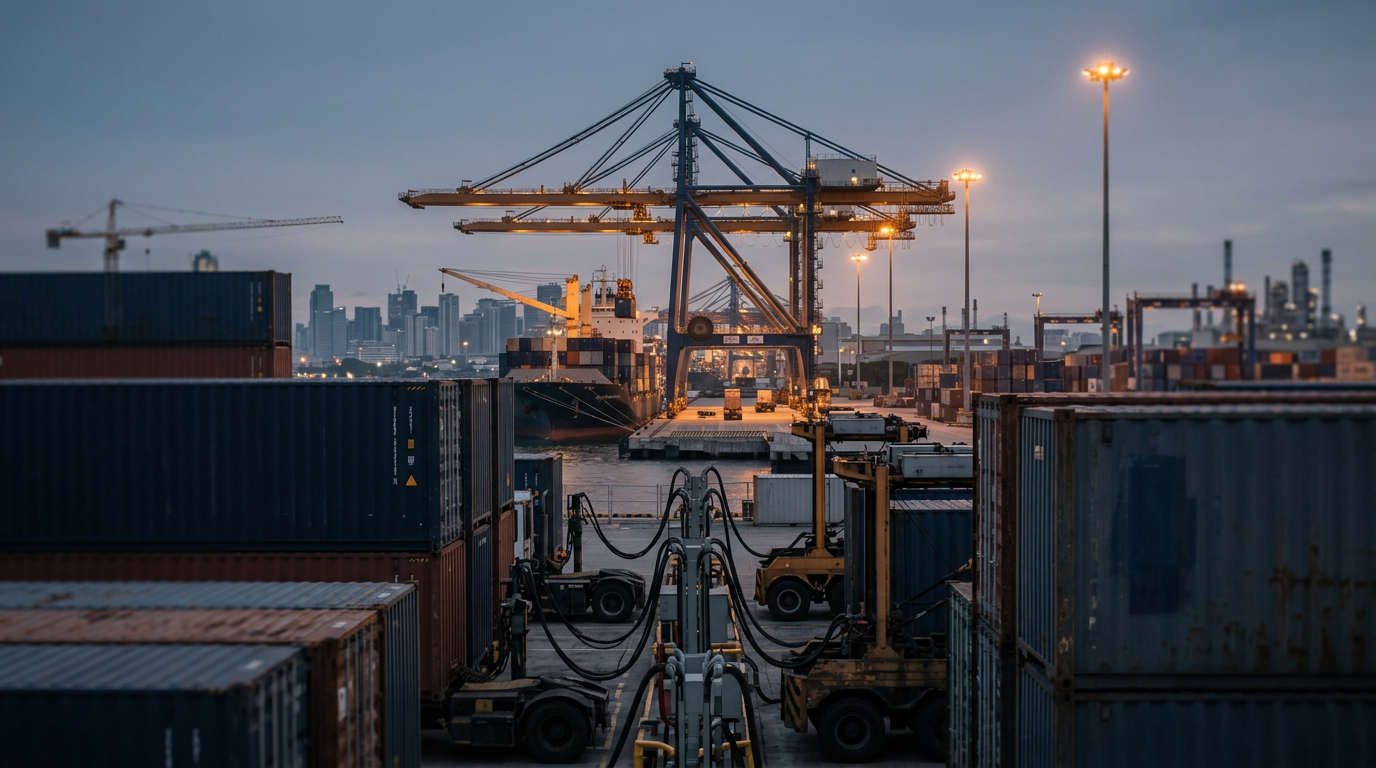
The EV Transition and ASEAN's Industrial Base
The electric vehicle transition will test the durability of industrial policy frameworks across ASEAN, particularly in established automotive manufacturing hubs like the Philippines and Thailand.
 Philippines
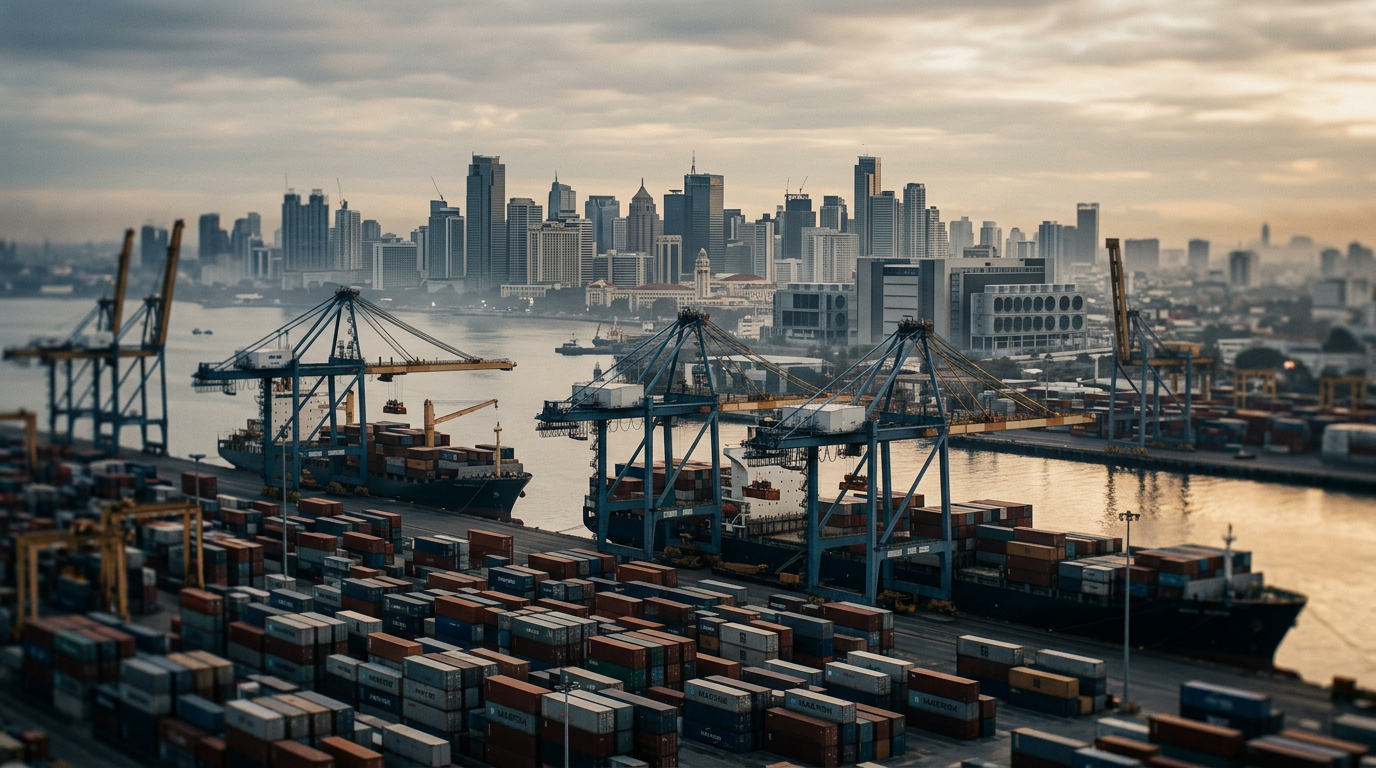
Philippine Infrastructure Spending and the Risk of a 'Usable State'
A recent warning about a potential economic slowdown in the Philippines highlights the importance of institutional reliability in turning infrastructure announcements into delivered projects.
 Philippines
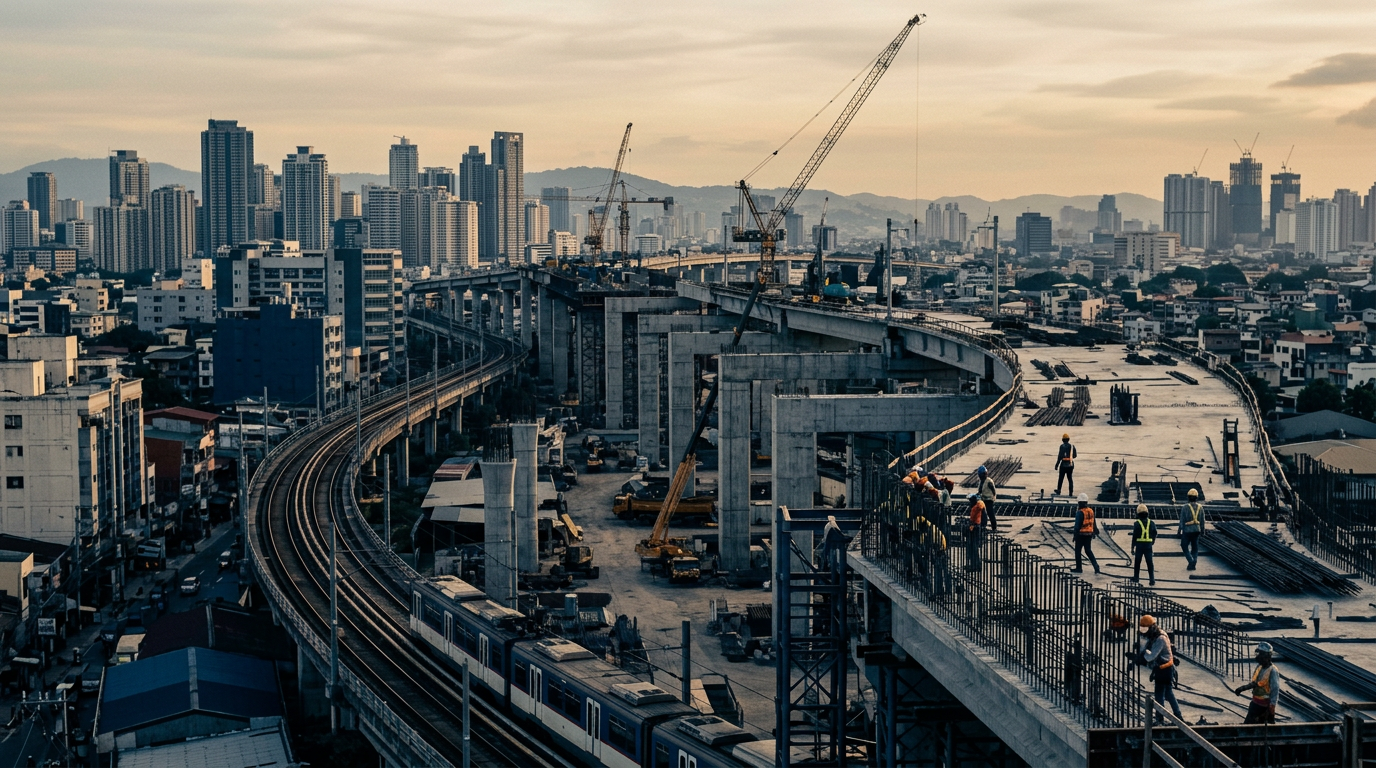
The Infrastructure Deficit and State Capacity in the Philippines
ANZ Research warns that a slowdown in Philippine infrastructure spending could hamper economic growth, a risk that highlights the importance of institutional execution and state capacity in realizing national ambitions.
 Philippines
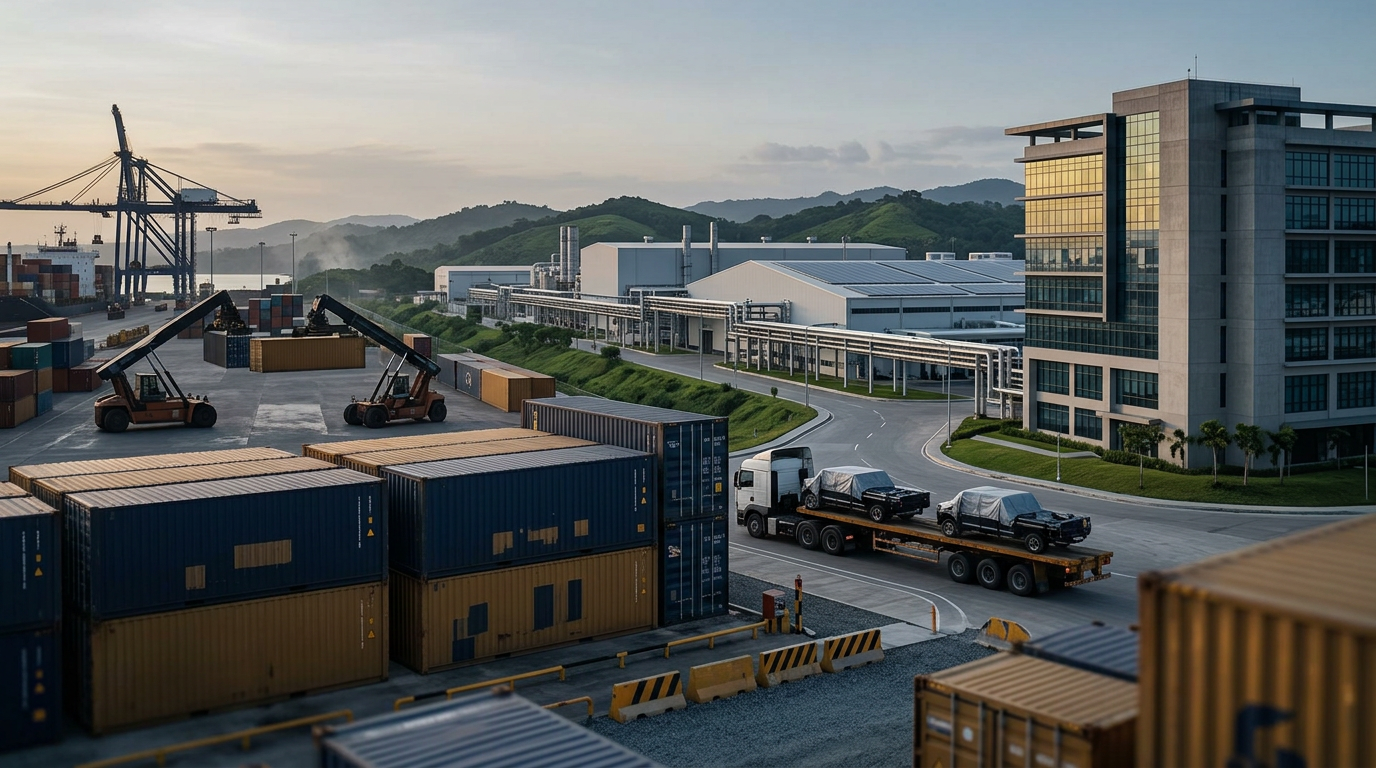
Mitsubishi Deepens Philippine Bet on Next-Generation Mobility
Mitsubishi's recent environmental summit in Laguna signals a long-term play on the Philippines as a production hub for next-generation vehicles, but the country's policy framework for EVs remains a work in progress.
 Philippines
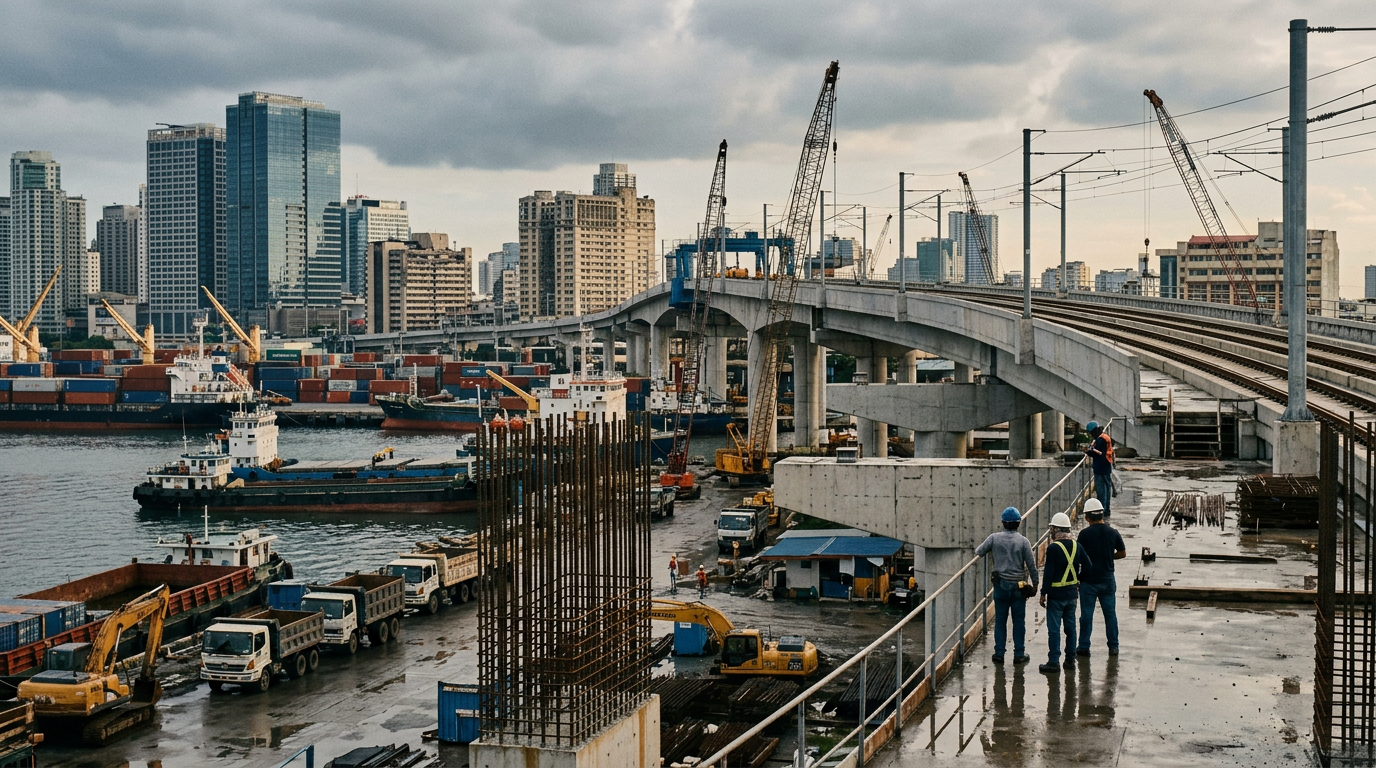
The Philippines' Infrastructure Gap Is a Warning for ASEAN
A recent warning from ANZ Research about a potential slowdown in the Philippines highlights a broader regional theme: the difference between announcing ambitious infrastructure plans and the institutional capacity to deliver them on time and on budget.
 Philippines
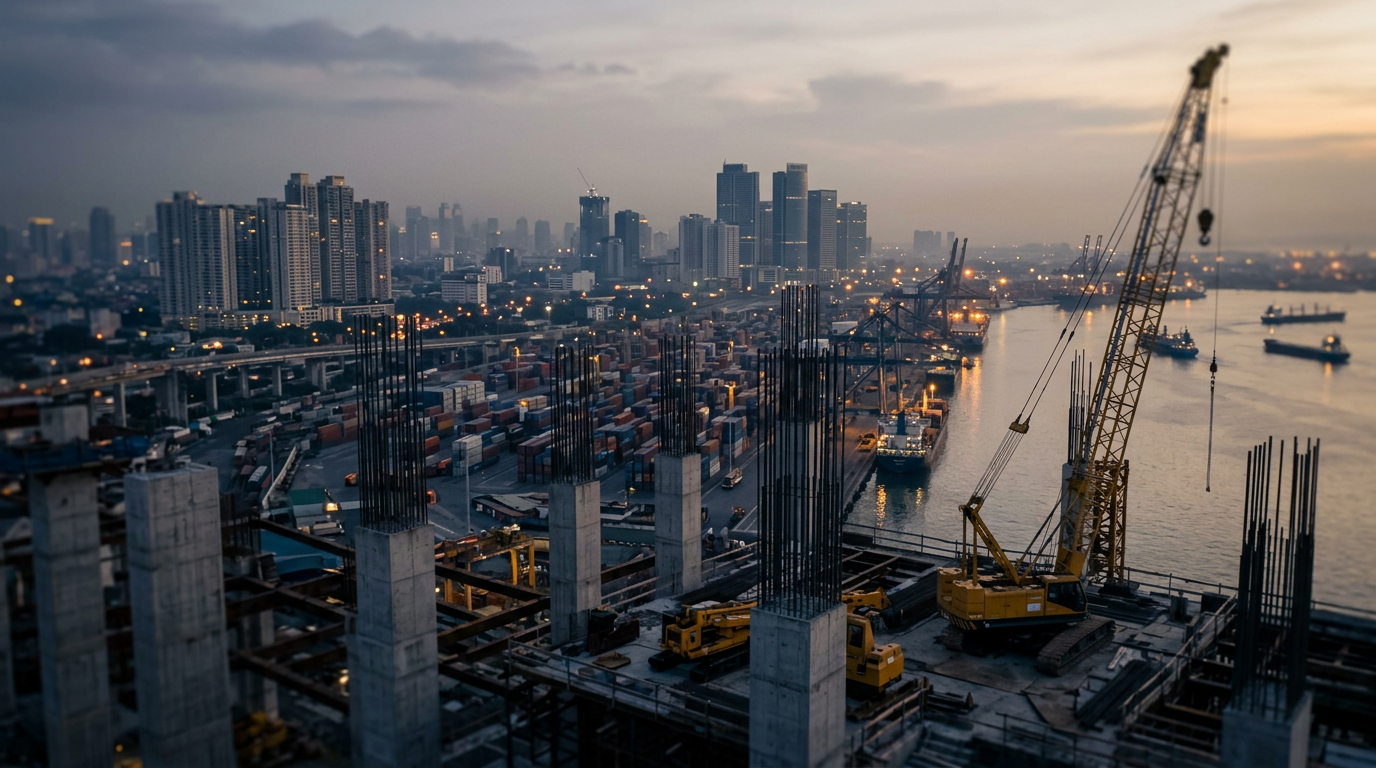
The Philippines Confronts the Cost of Friction
A recent forecast from ANZ Research highlights the economic risks of weak infrastructure spending in the Philippines. This situation reflects a broader theme across Southeast Asia: the gap between ambition and execution.
 Philippines
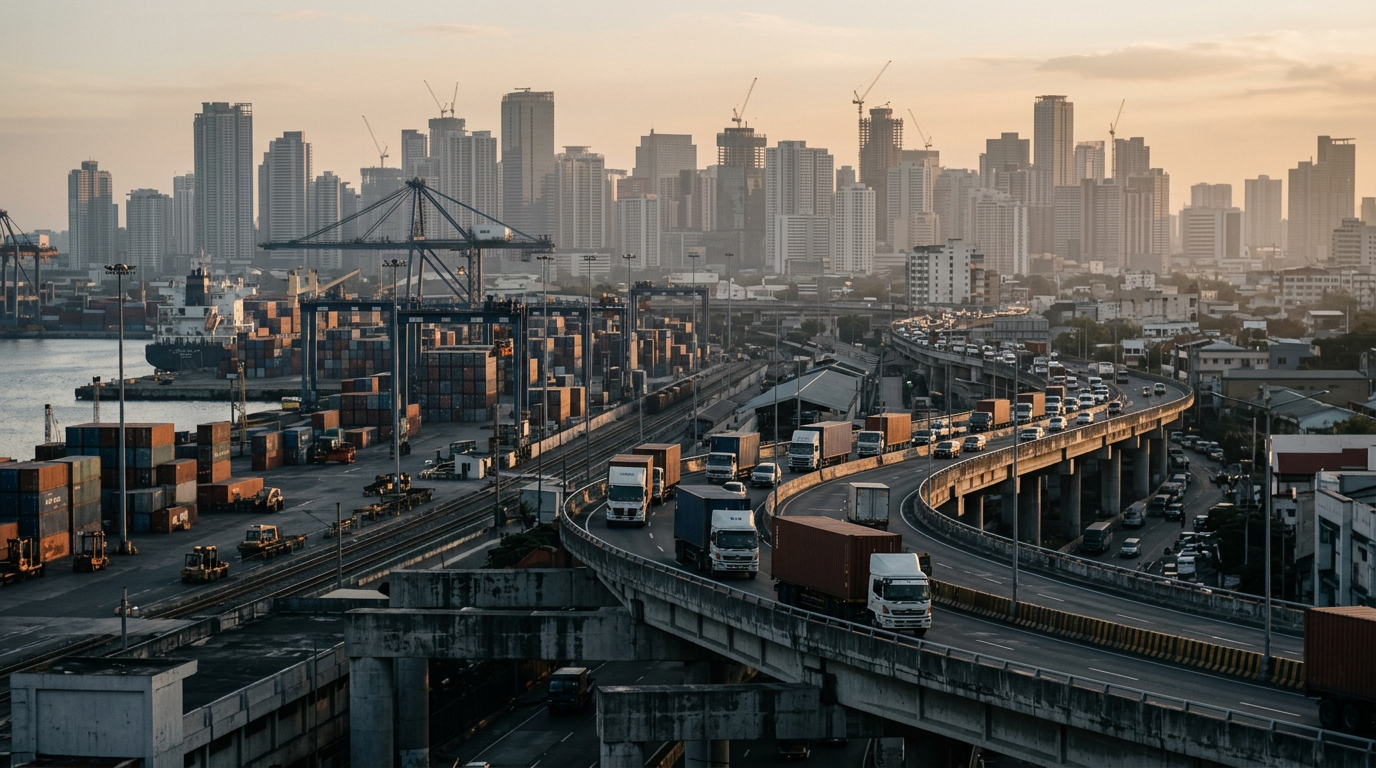
Philippine Infrastructure and the Cost of Friction
A recent warning from ANZ Research on weak infrastructure spending highlights the institutional friction that can impede economic growth.
 Philippines
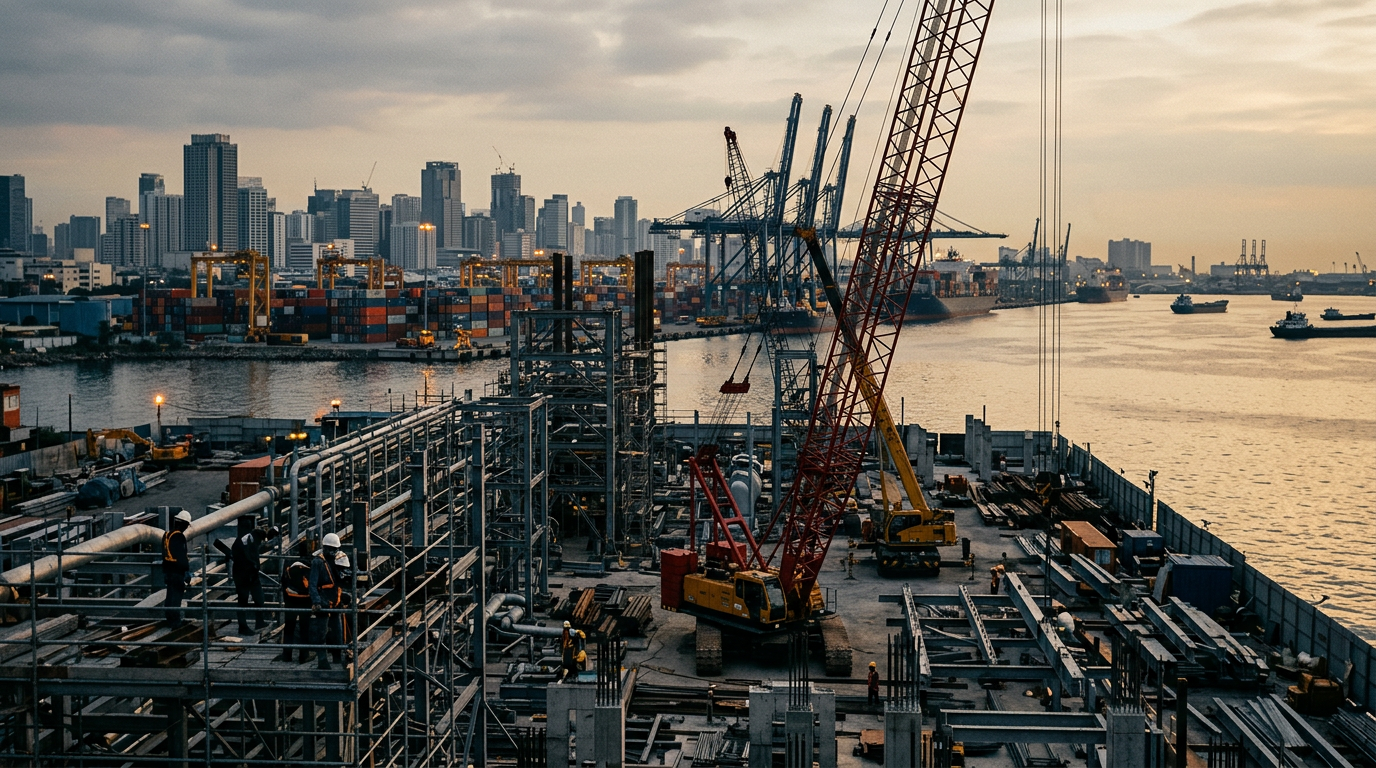
The Philippines Confronts its Energy Deficit
To execute its energy transition, the Philippines needs to build institutions that can deliver infrastructure on time and on budget. Stumbles in execution will be costly.
 Philippines
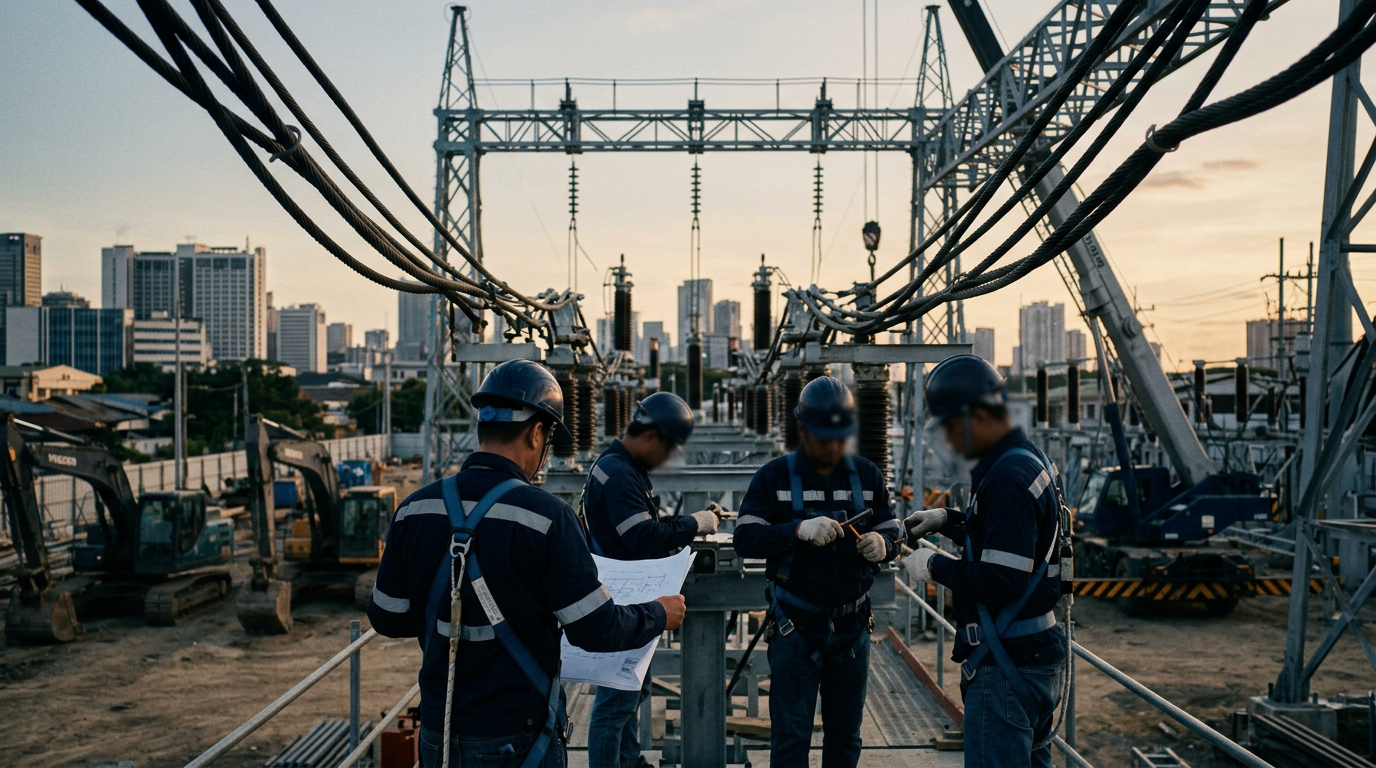
The Philippines' Energy Transition Needs More Than Momentum
The Marcos administration has made energy a priority, but a successful transition rests on institutional capacity to deliver infrastructure on time and on budget.
 Malaysia
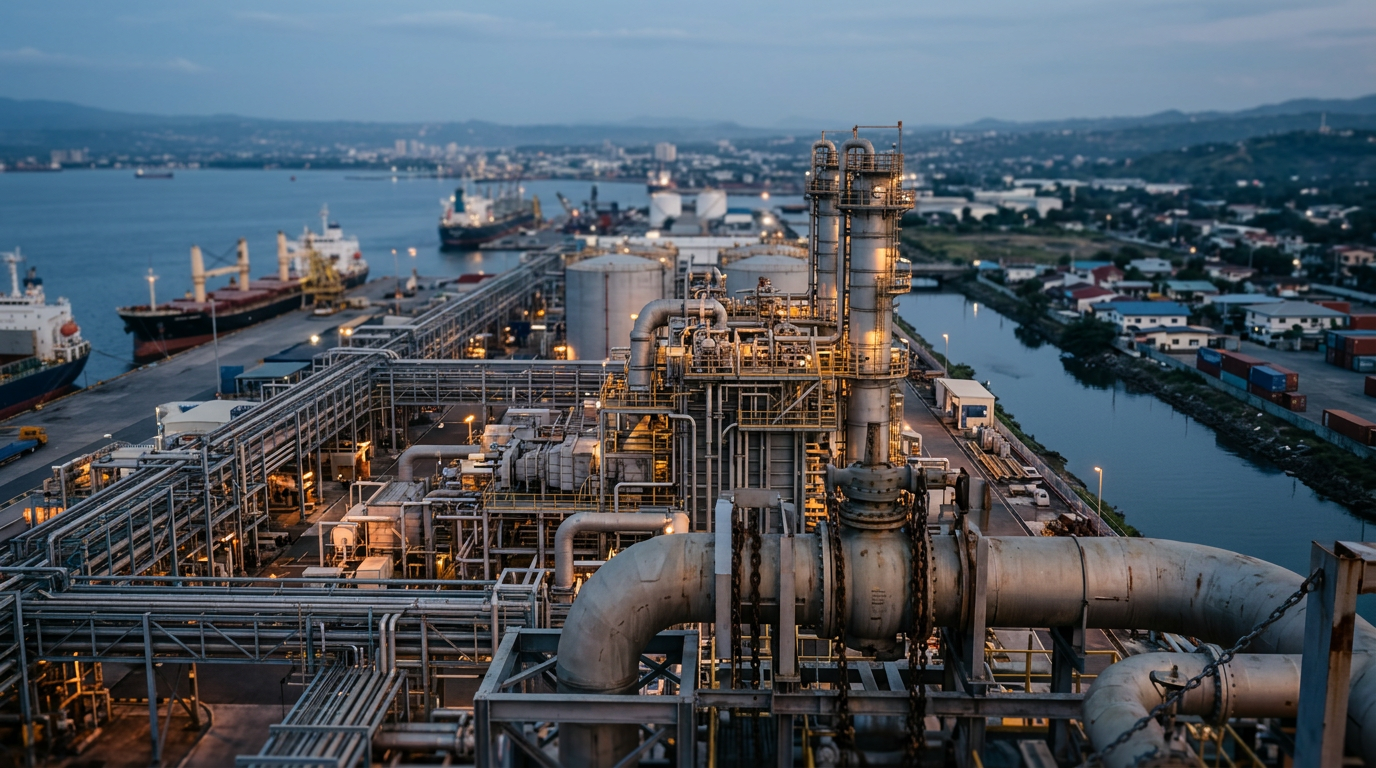
The Philippines Switches the Gas Back On
The restart of the Ilijan power plant is a positive development, but the episode is a case study in the high cost of institutional friction in ASEAN energy markets.
 Philippines
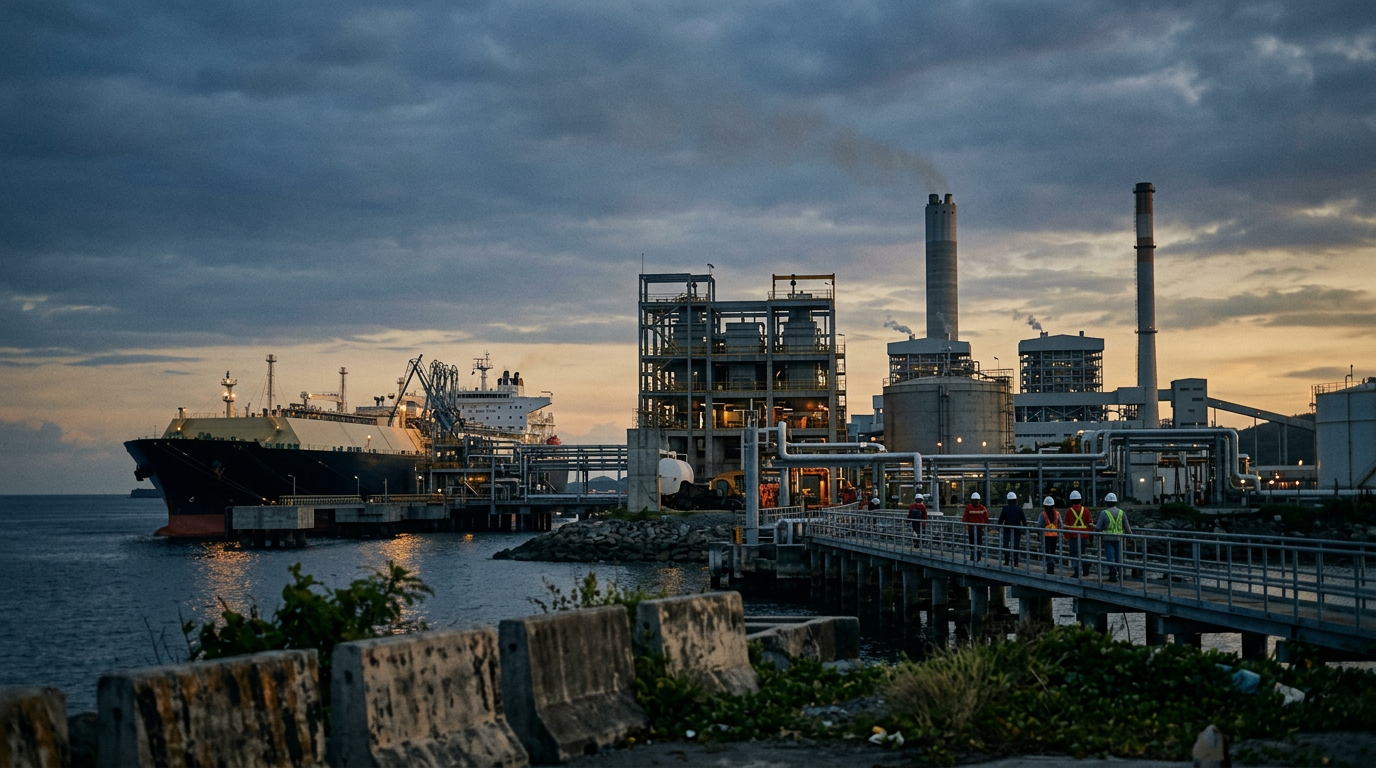
The Philippines: Energy Friction and State Capacity
The resumption of gas flow to the Ilijan power plant is a positive development, but it highlights the persistent friction in Philippine energy infrastructure. Institutional reliability, not just ambitious announcements, is the foundation of energy security and comparative.
 Philippines
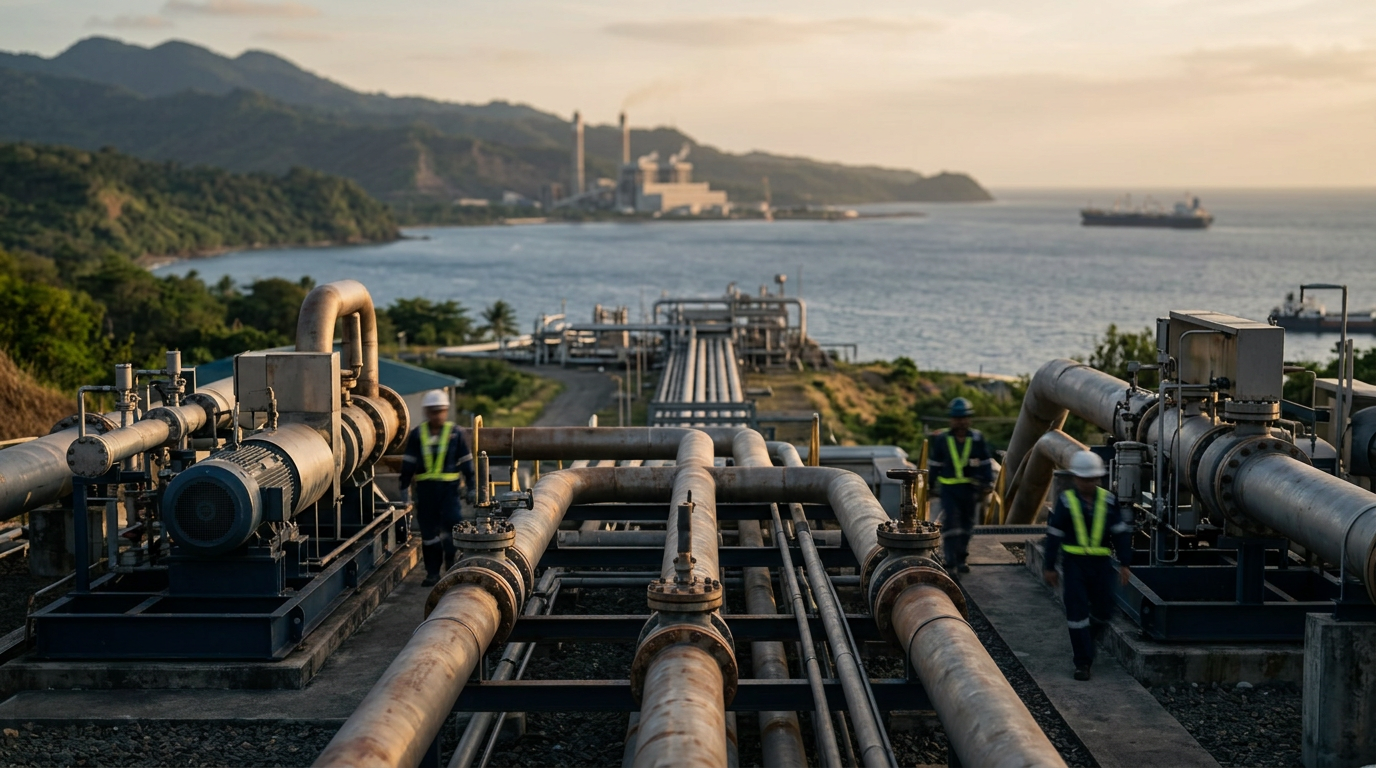
The Philippines: Malampaya, Ilijan, and the Infrastructure of Trust
The resumption of gas flow from the Malampaya project to the Ilijan power plant is a positive development for the Philippines. Yet it also puts a spotlight on the friction that consumers and investors face from unreliable infrastructure and institutions.
 Philippines
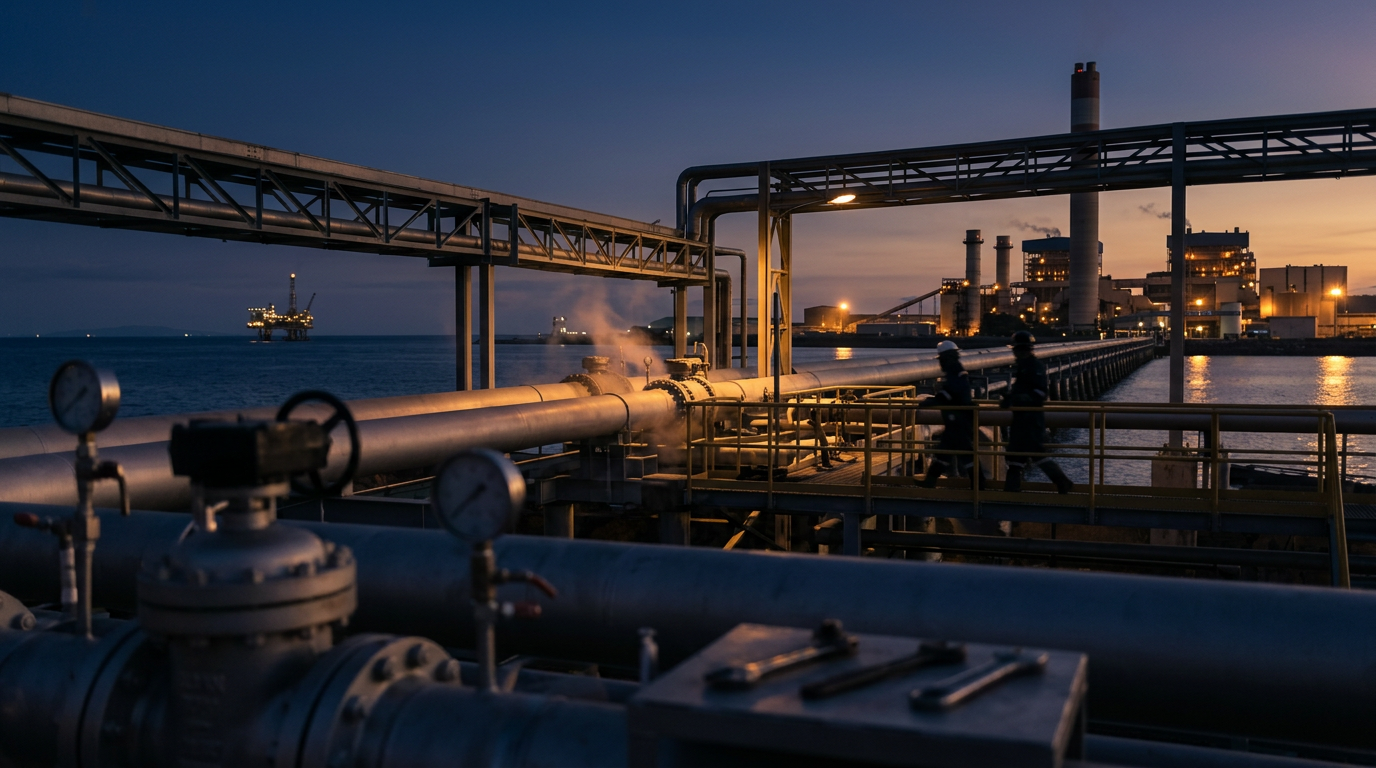
The Philippines Switches the Gas Back On
The resumption of gas flows from the Malampaya field to the Ilijan power plant is a positive development for Philippine energy security. It also highlights the persistent connection between state capacity and reliable infrastructure.
 Philippines
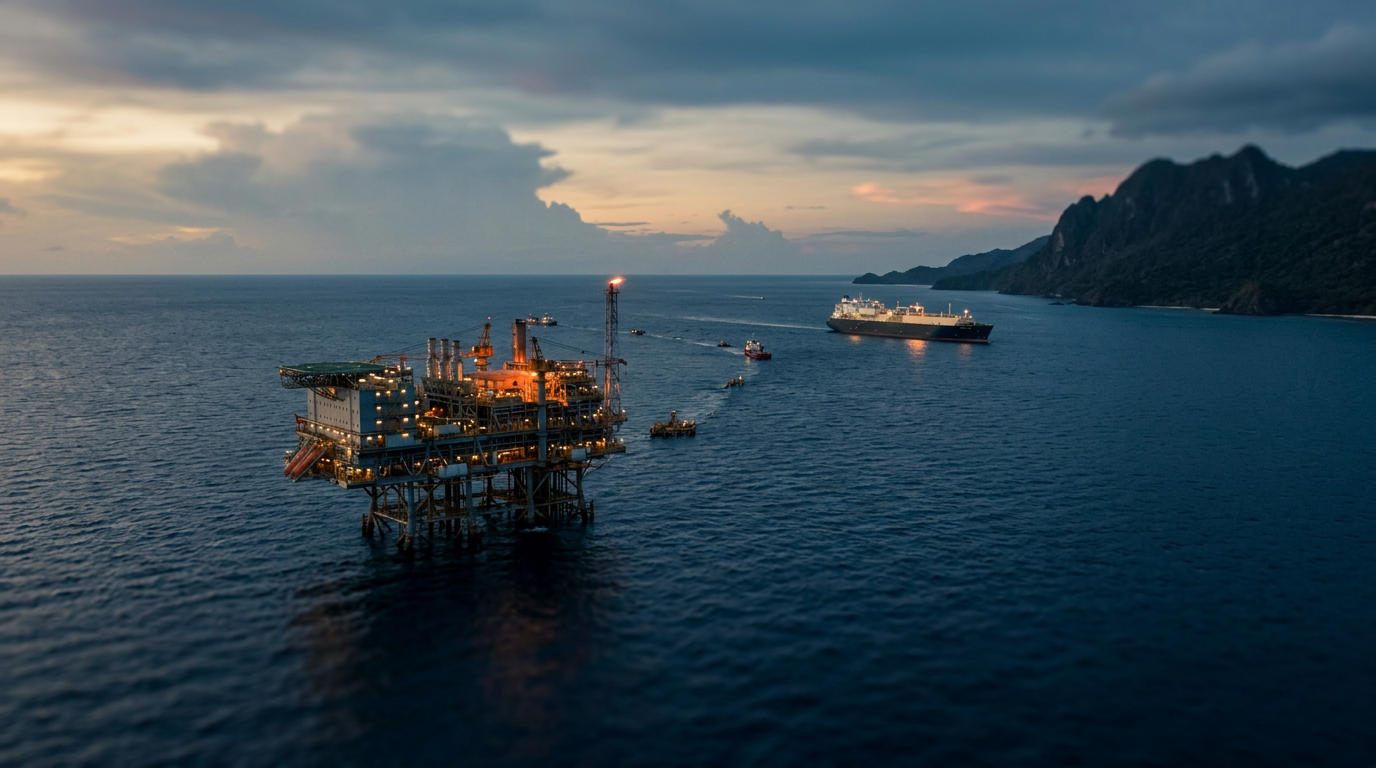
The Philippines Switches the Gas Back On
The resumption of gas flows from the Malampaya field to the Ilijan power plant is a positive development for the Philippines' energy security. It also offers a case study in the friction that can arise between the state and the private sector when critical infrastructure is at.
 Philippines
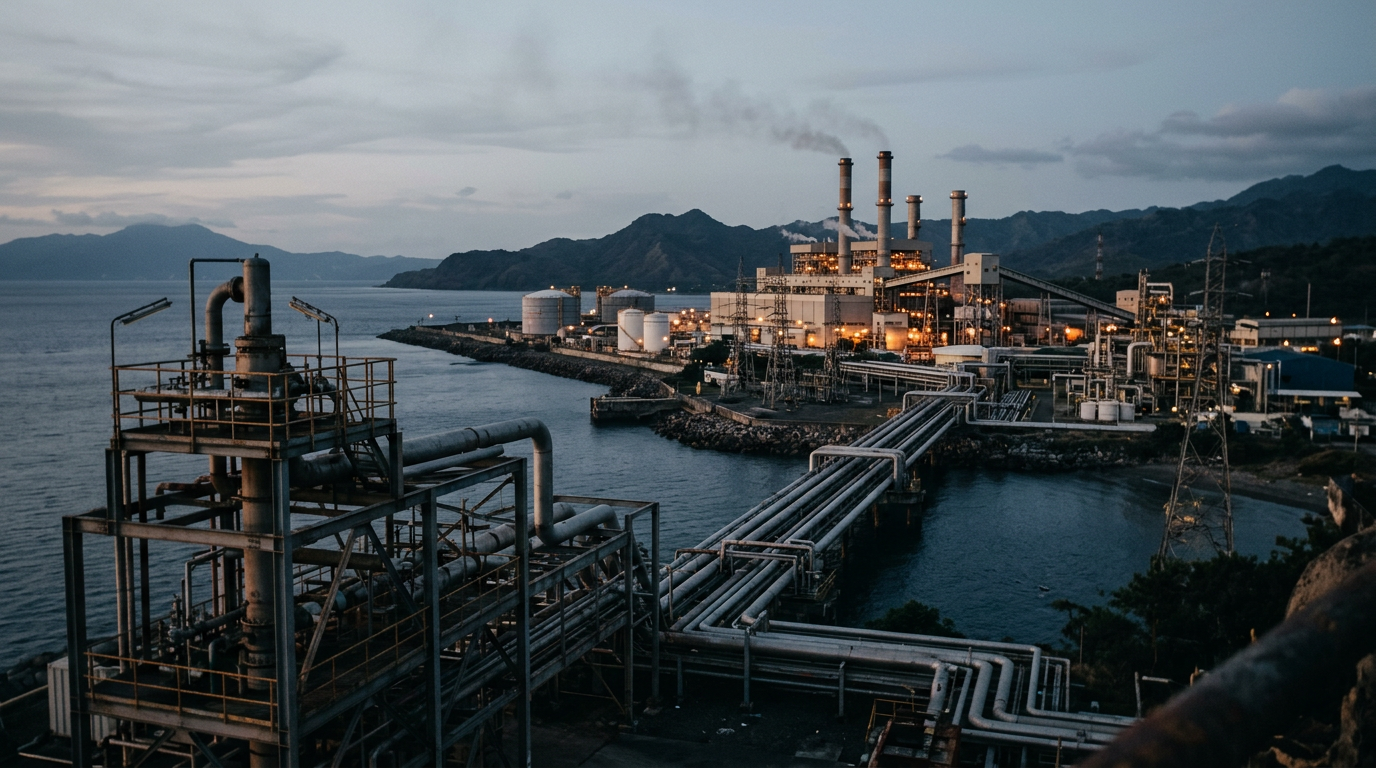
The Philippines: When Infrastructure Works
The resumption of gas flows from the Malampaya field to the Ilijan power plant is a positive development for energy security in the Philippines, highlighting the importance of institutional reliability in delivering complex infrastructure projects.
 Philippines
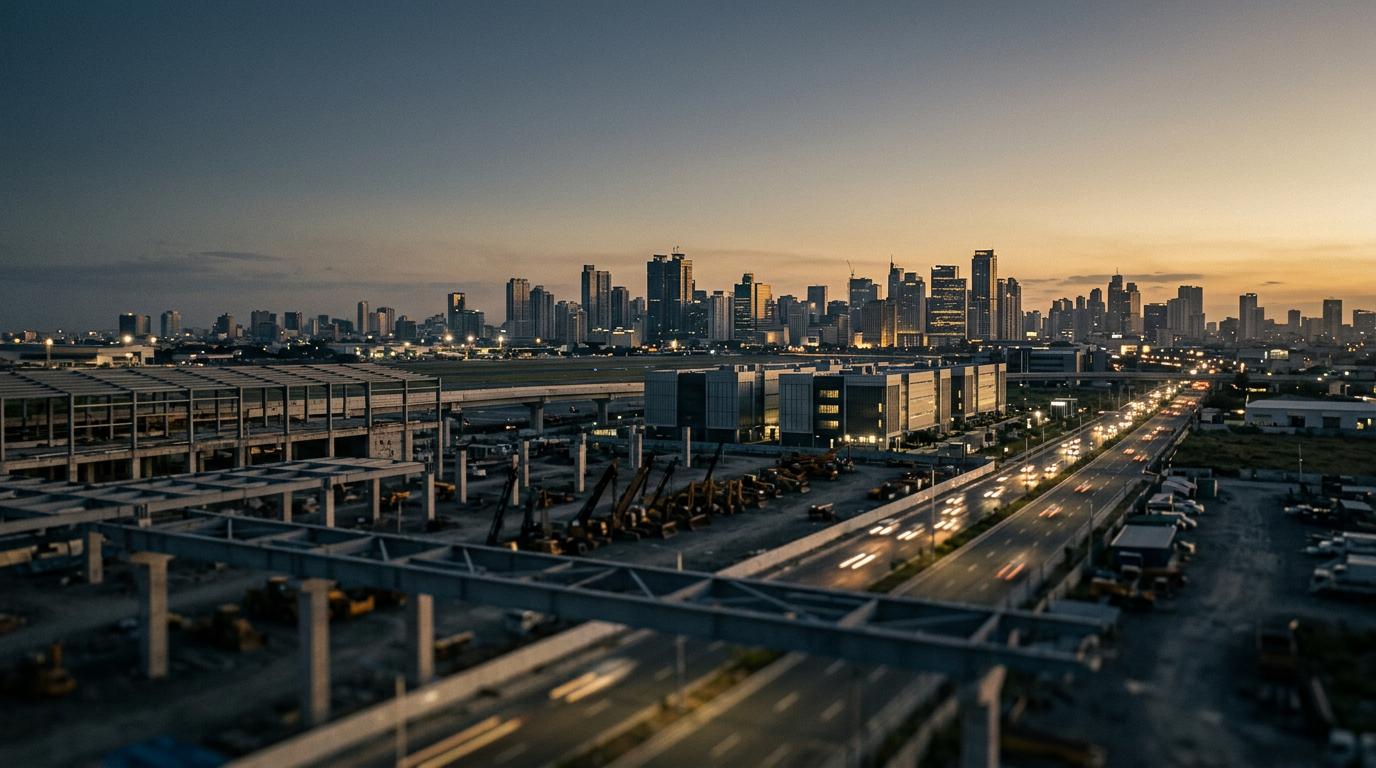
Philippine Airlines bets on India links
New nonstop flights from Manila to Delhi and Mumbai are a bet on deeper economic ties. But for aviation to enable investment, the slower work of improving infrastructure and talent on the ground is essential.
 Malaysia
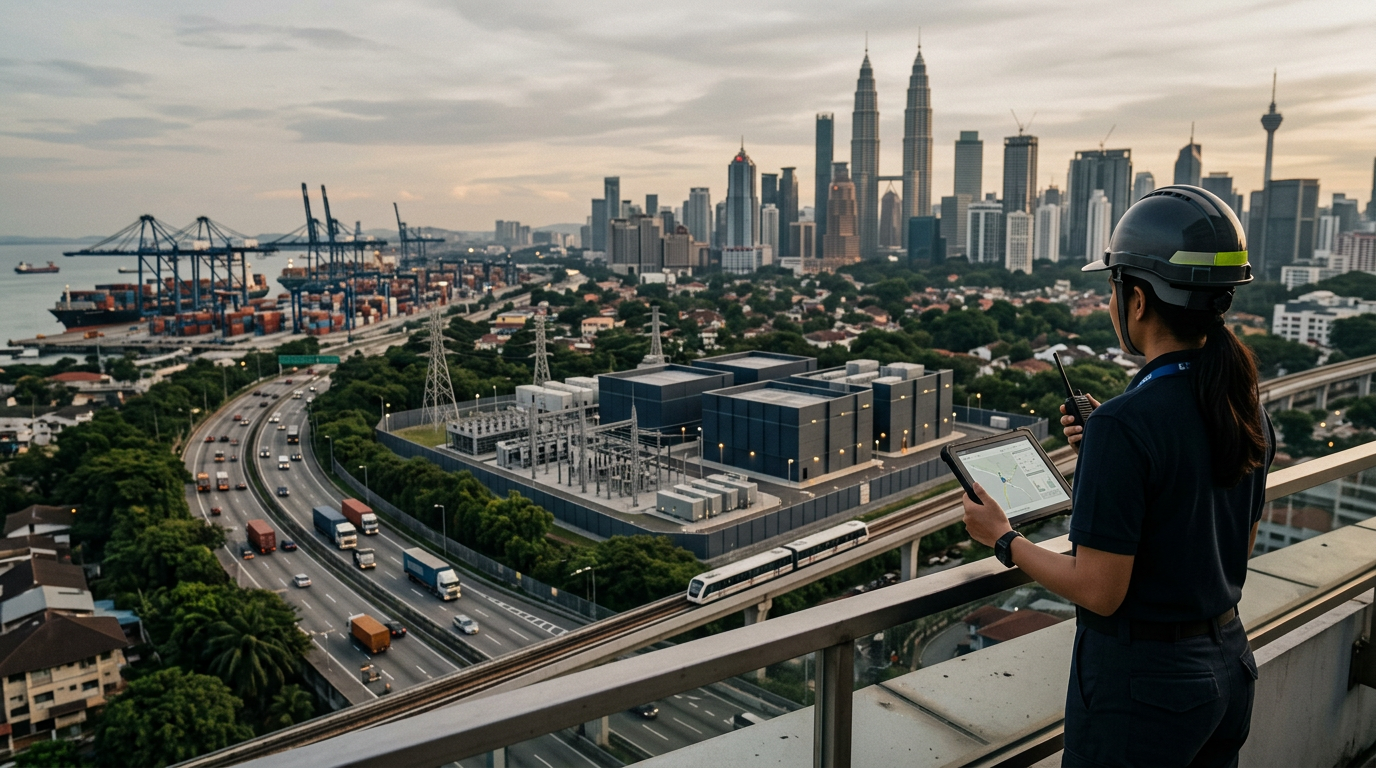
Sovereign AI in ASEAN is a question of infrastructure
The contest for sovereign AI in Southeast Asia will not be won by launching new models, but by controlling the underlying compute, data, and digital identity layers.
 Philippines
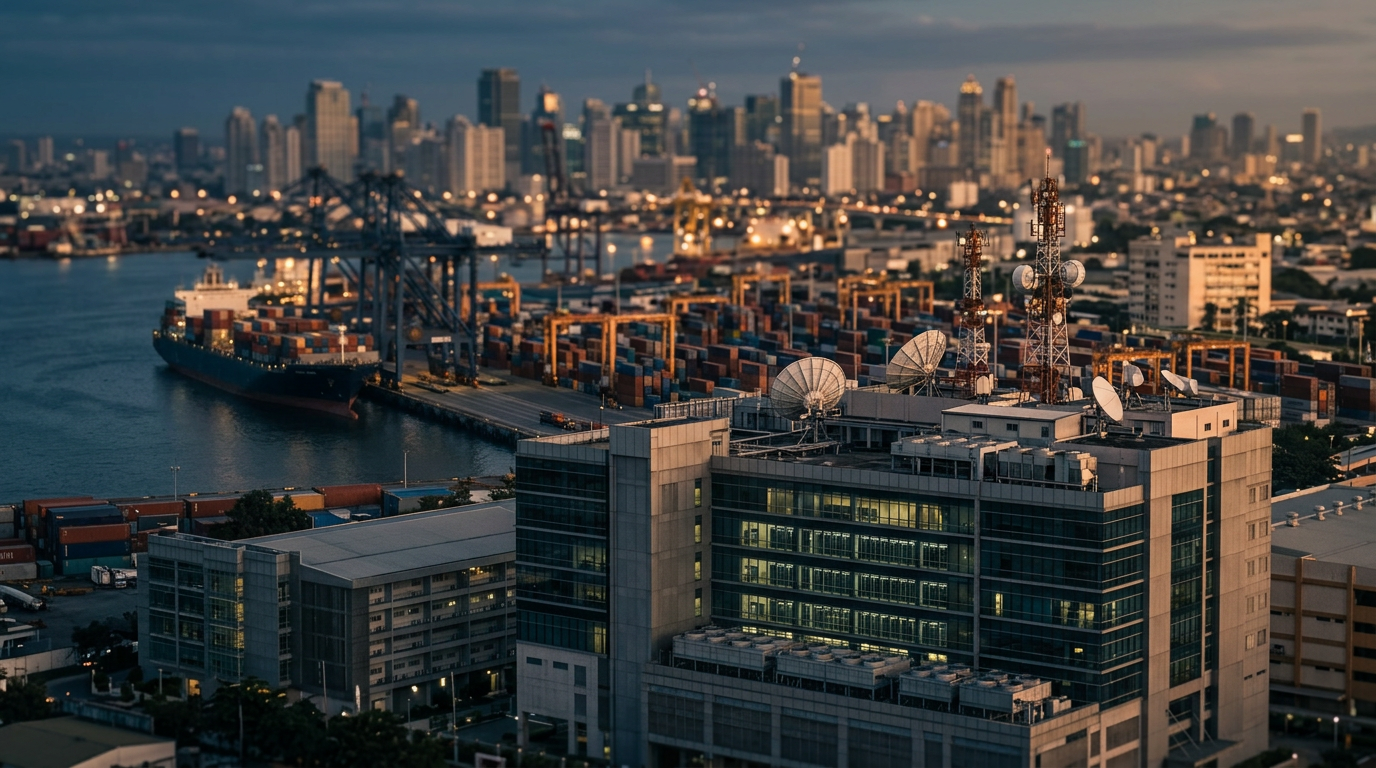
 Telco AI Platform Tests Sovereign Infrastructure
A new AI workspace from a Philippine telco is a reminder that sovereign AI in ASEAN will be tested not by model launches but by who controls the compute and data that sit underneath.
 Philippines
The Philippines' Widening Trade Deficit and the China Question
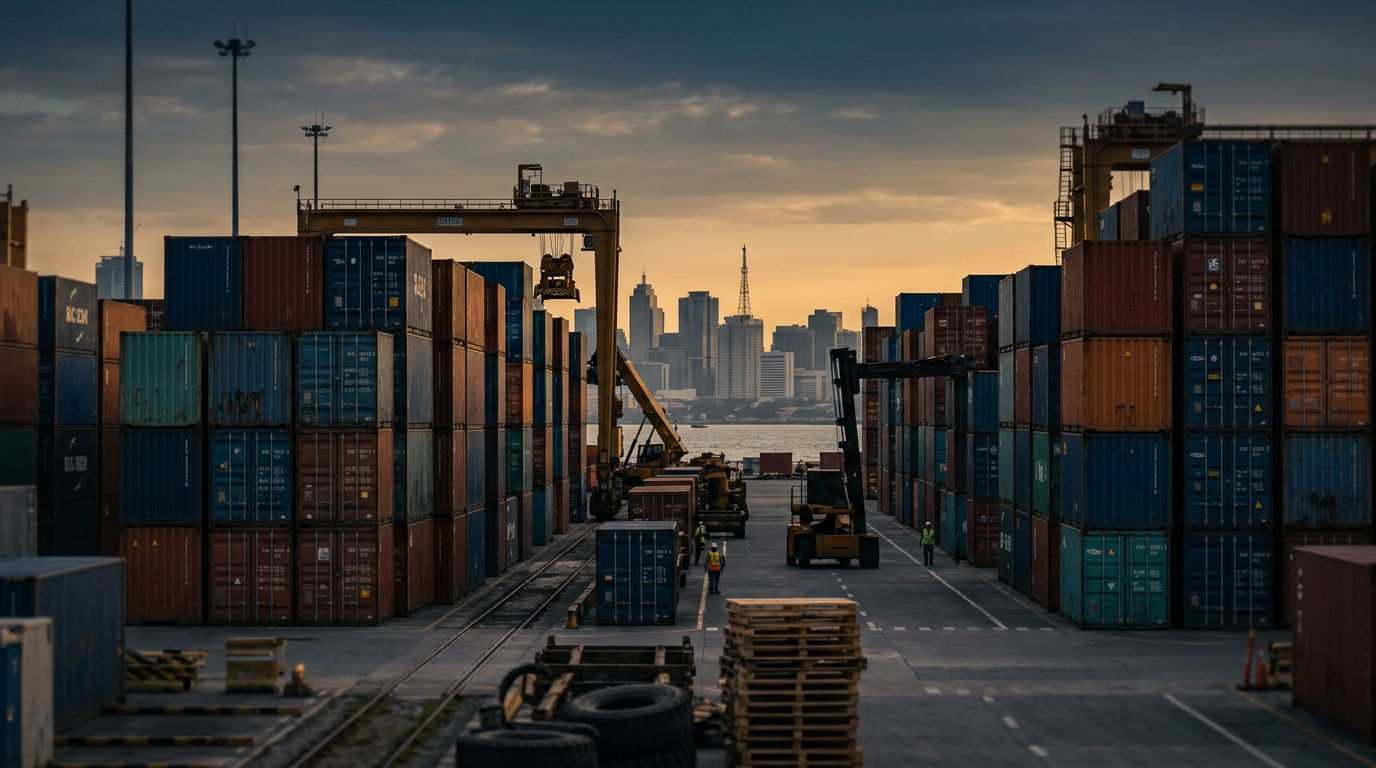
The Philippines' widening trade deficit is not just a national issue, but a reflection of a region-wide structural reality: deep economic integration with China that requires careful management to maintain strategic optionality.
 Philippines
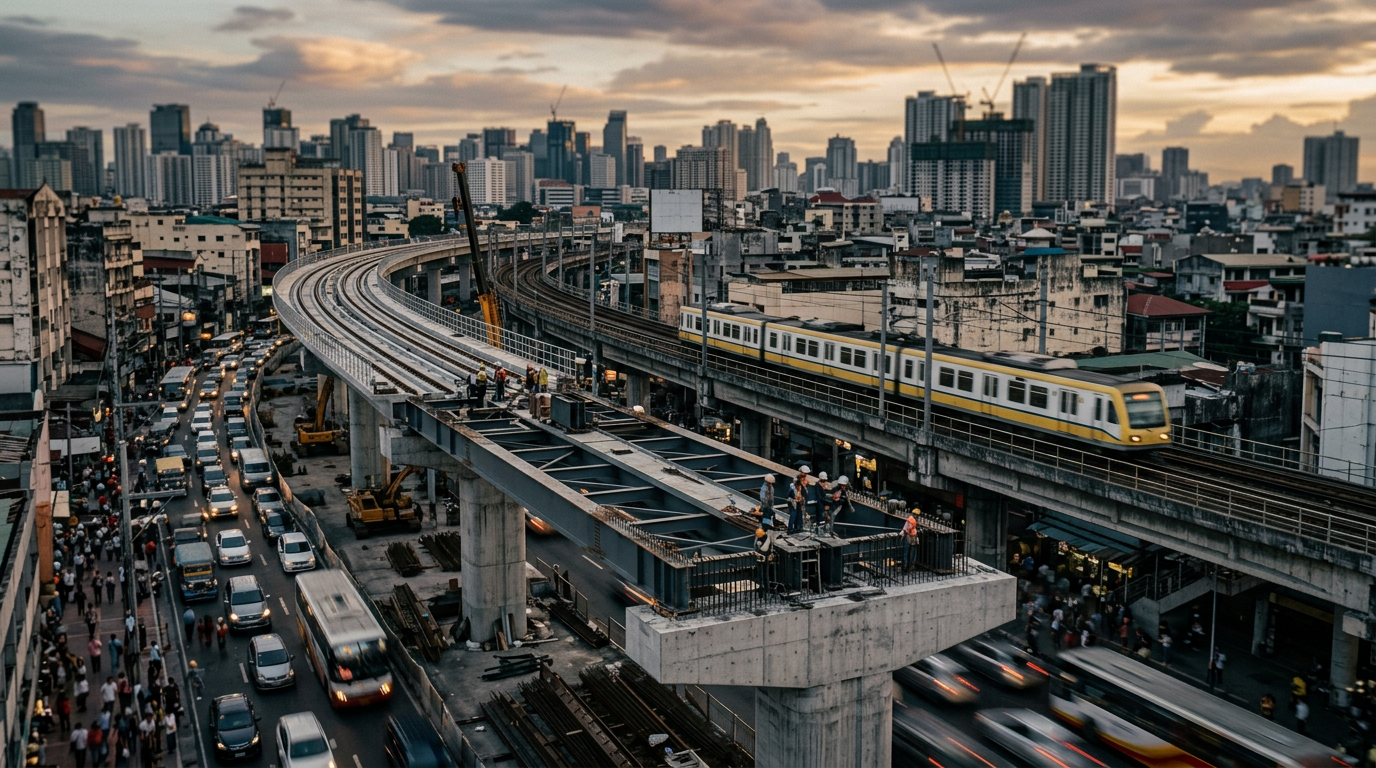
Manila's Metro: A Tale of Two Systems
The Philippines is trying to build a modern metro system in its capital. The project shows how difficult it is to execute large infrastructure projects, and how institutional capacity is as important as the engineering itself.
 Philippines
Foreign Investment and Execution Risk in the Philippines
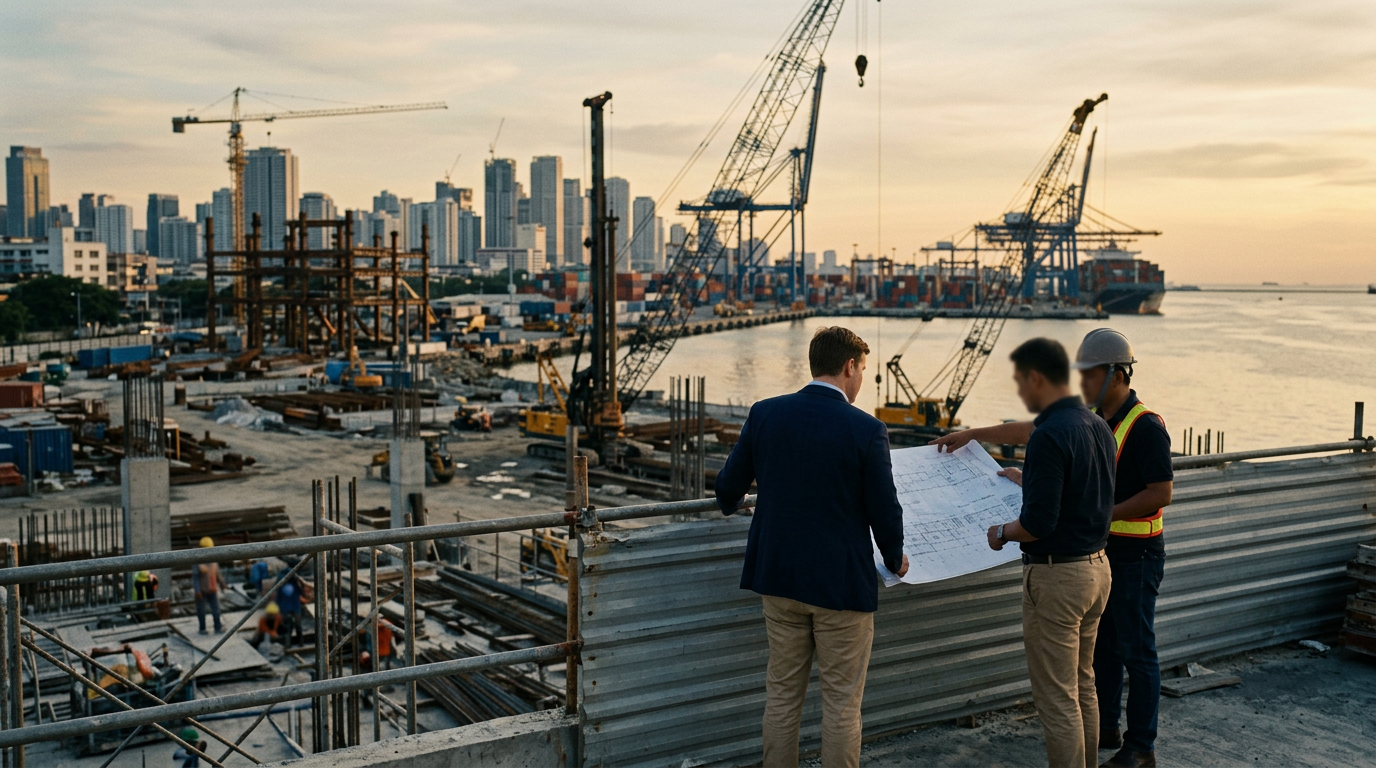
The Philippines has secured significant foreign direct investment commitments, but the recent downward revision of its growth forecast highlights the gap between announcements and reality. Realising these investments requires tackling persistent execution challenges.
 Philippines
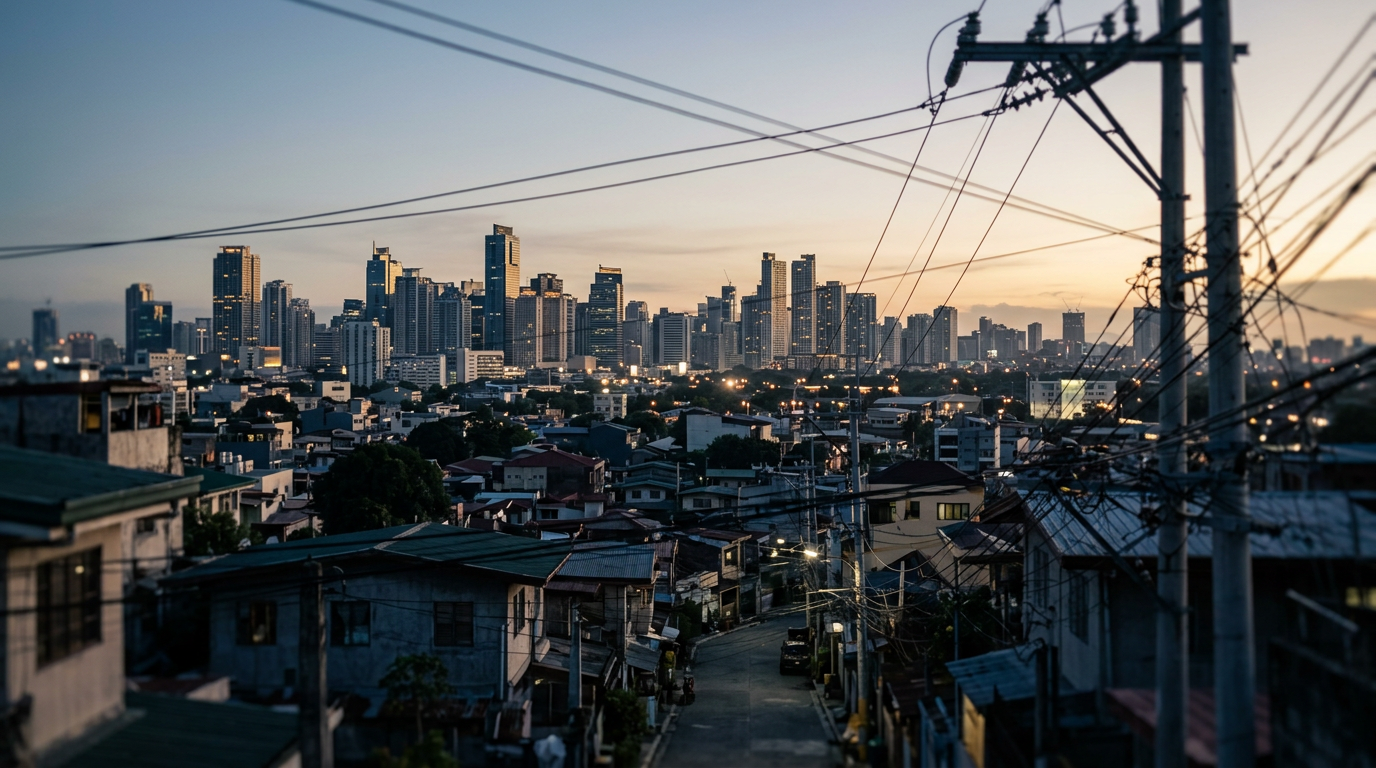
The sachet model for AI arrives in the Philippines
The Philippine telco giant Smart Communications is expanding access to artificial intelligence with a new retail product. But who really controls the AI value chain?
 Philippines
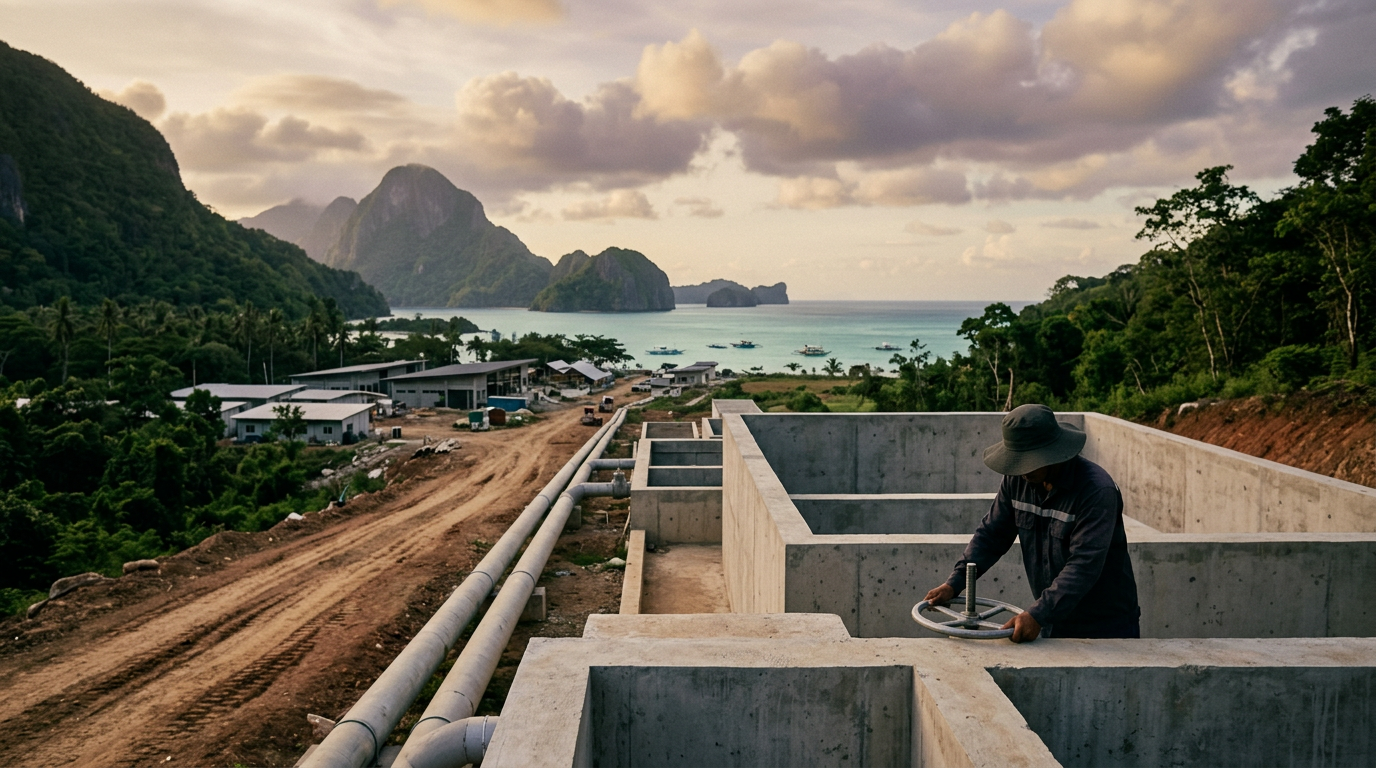
The Quiet Execution of Philippine Infrastructure
Ayala Land's reinforcement of water infrastructure in its Lio Estate is a small but telling signal of a larger trend. Infrastructure that arrives on time signals more than infrastructure that is merely announced.
 Philippines
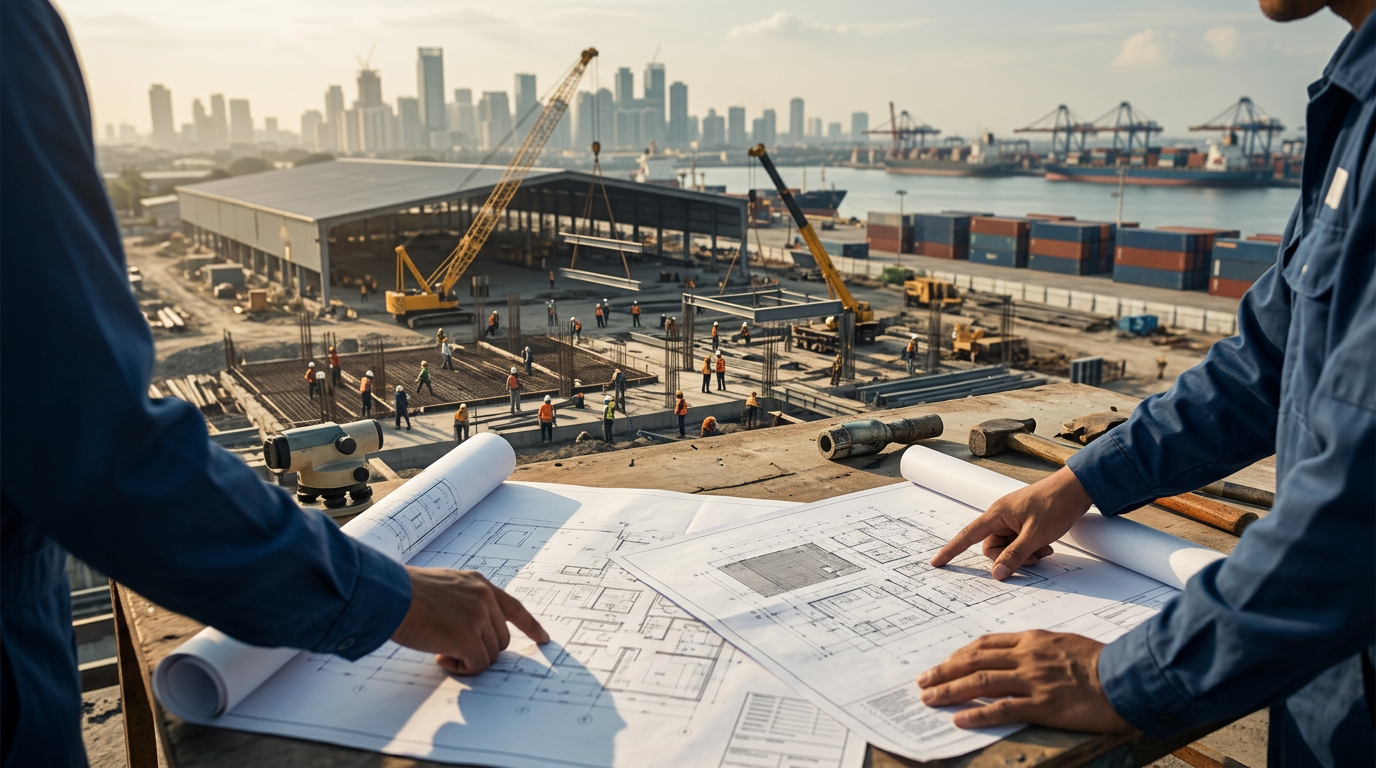
The Hard Work Starts When the Handshakes Stop
Foreign investment announcements travel fast. Realised investment depends on the slower, harder work of connecting land, permits, power, and talent on the ground.
 Philippines
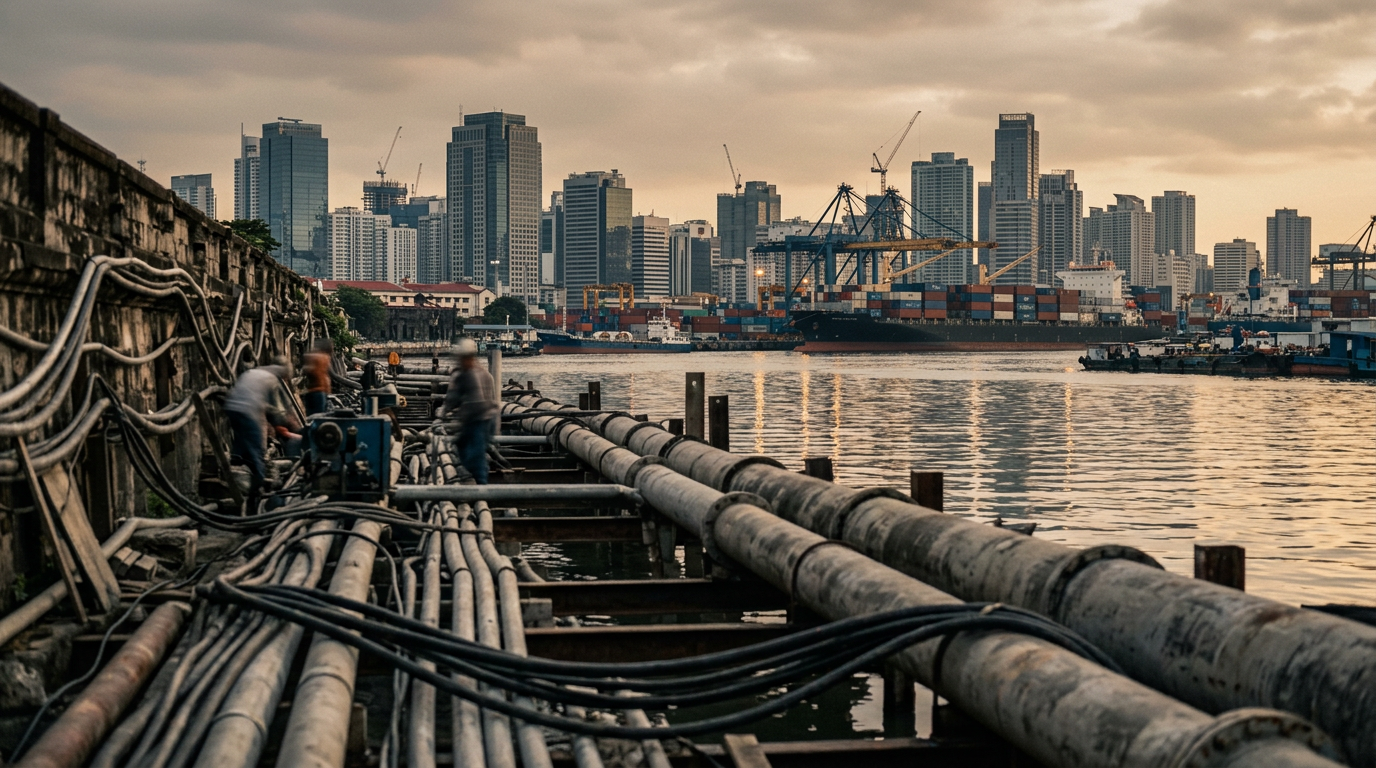
ASEAN Digital Economy Ambitions Test Institutional Plumbing
The ASEAN digital economy framework is a significant step, but its success will depend on the unglamorous work of building robust institutions and ensuring consistent execution on the ground.
 Philippines
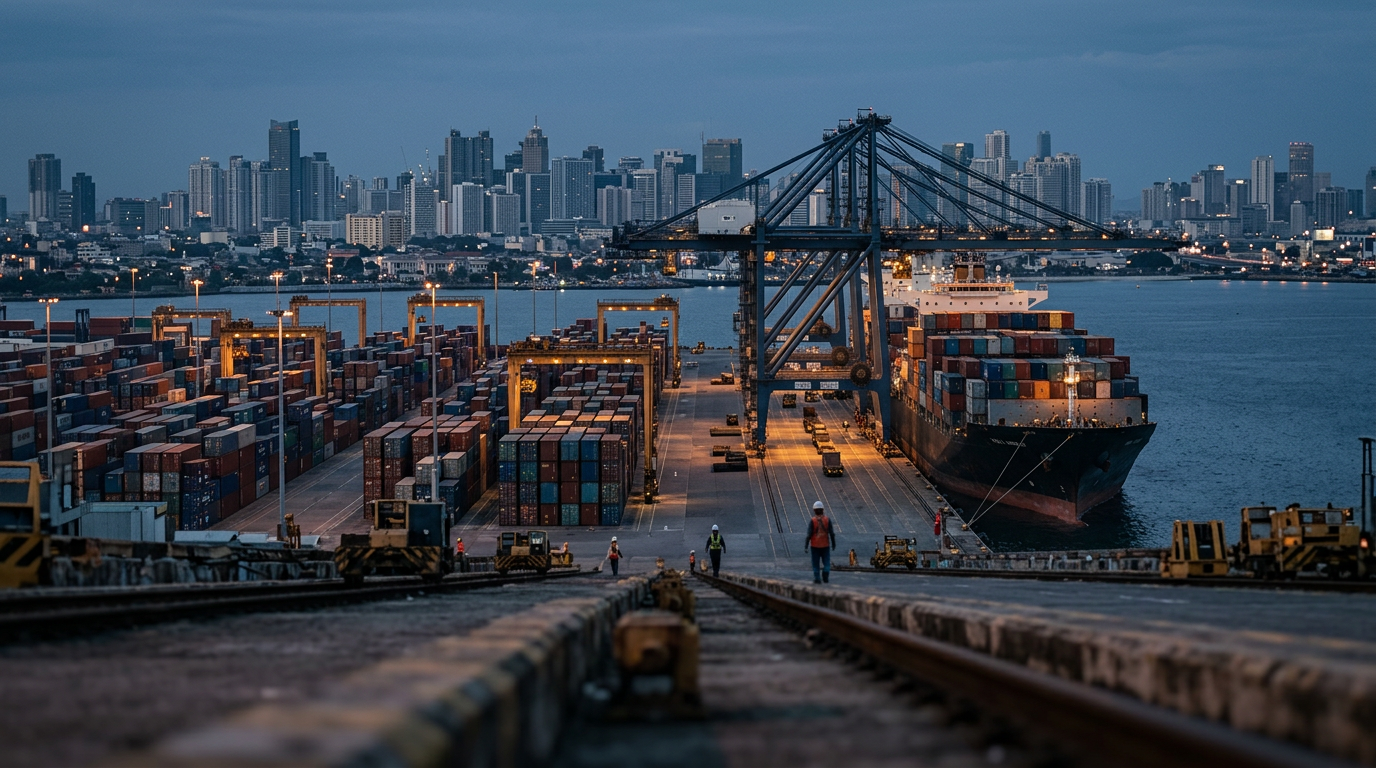
ASEAN Economic Ministers Meet Amid Deepening China Trade
This week's ASEAN Economic Ministers' meeting in Manila occurs as the bloc's members manage their deep and structural trade dependency on China, a core theme of regional economic strategy.
 Philippines
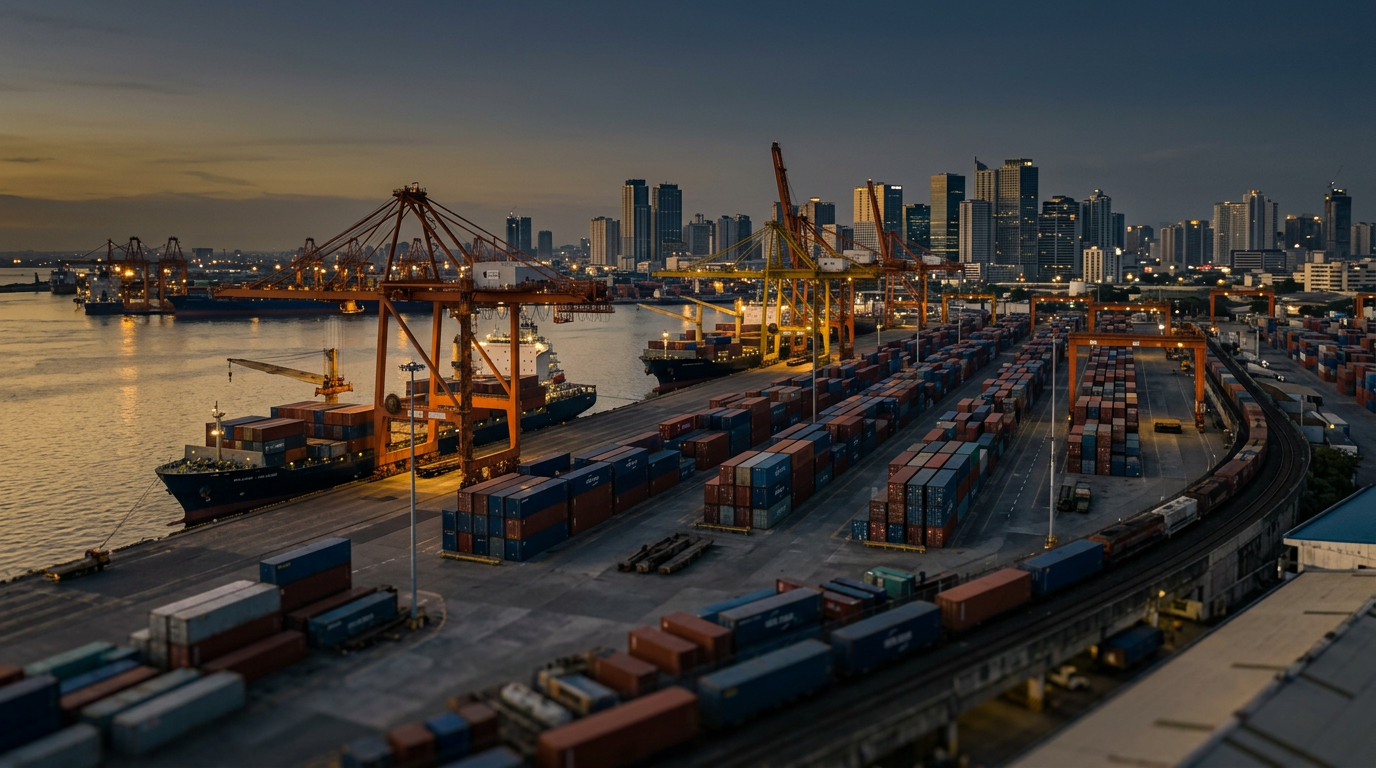
The Philippines Looks to ASEAN for Deeper Ties
The Philippines aims to deepen trade and investment with its ASEAN neighbors, a goal that requires institutional capacity to translate announcements into tangible economic activity.
 Singapore
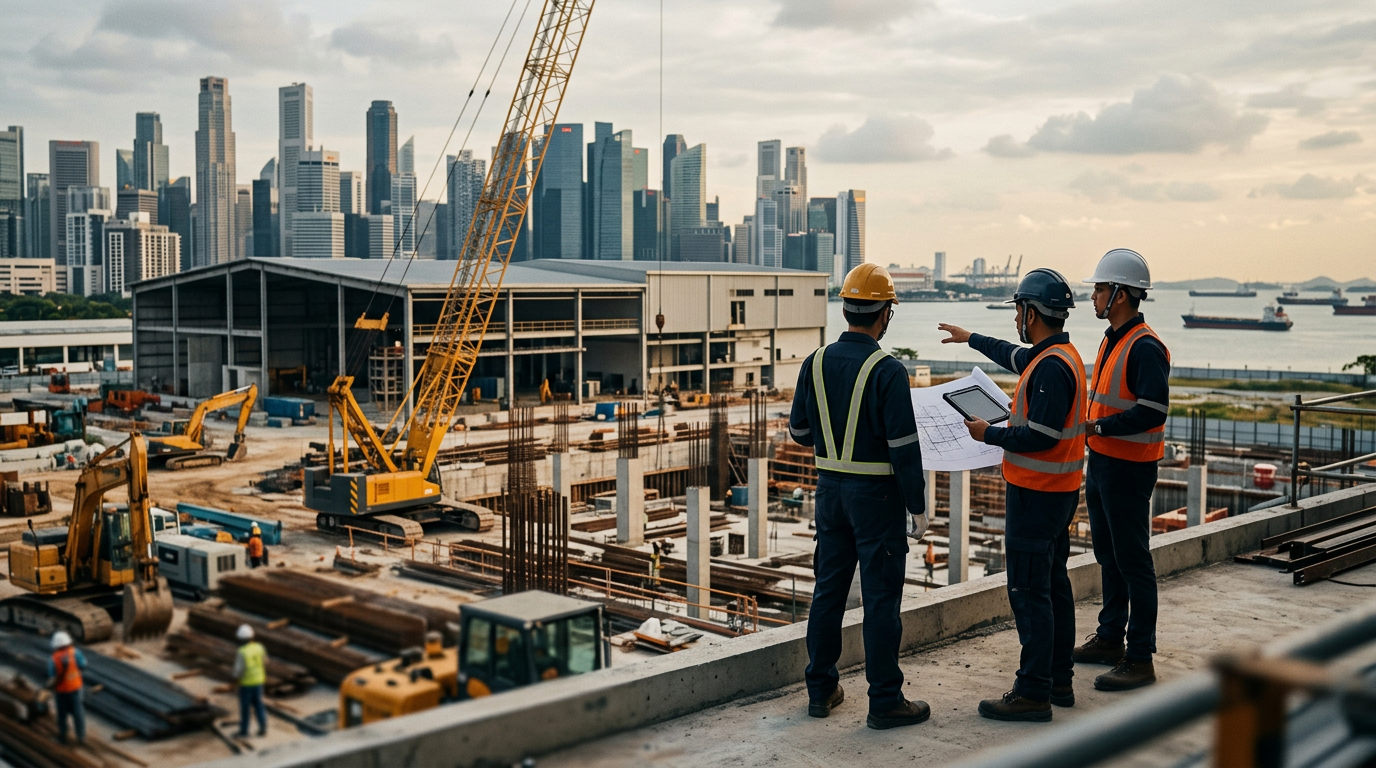
Foreign Direct Investment in ASEAN: From Announcement to Execution
The gap between announced foreign direct investment and realized investment flows is a persistent issue for ASEAN economies. Bridging this divide requires a focus on institutional capacity to handle the complex, on-the-ground work of turning promises into projects.
 Singapore
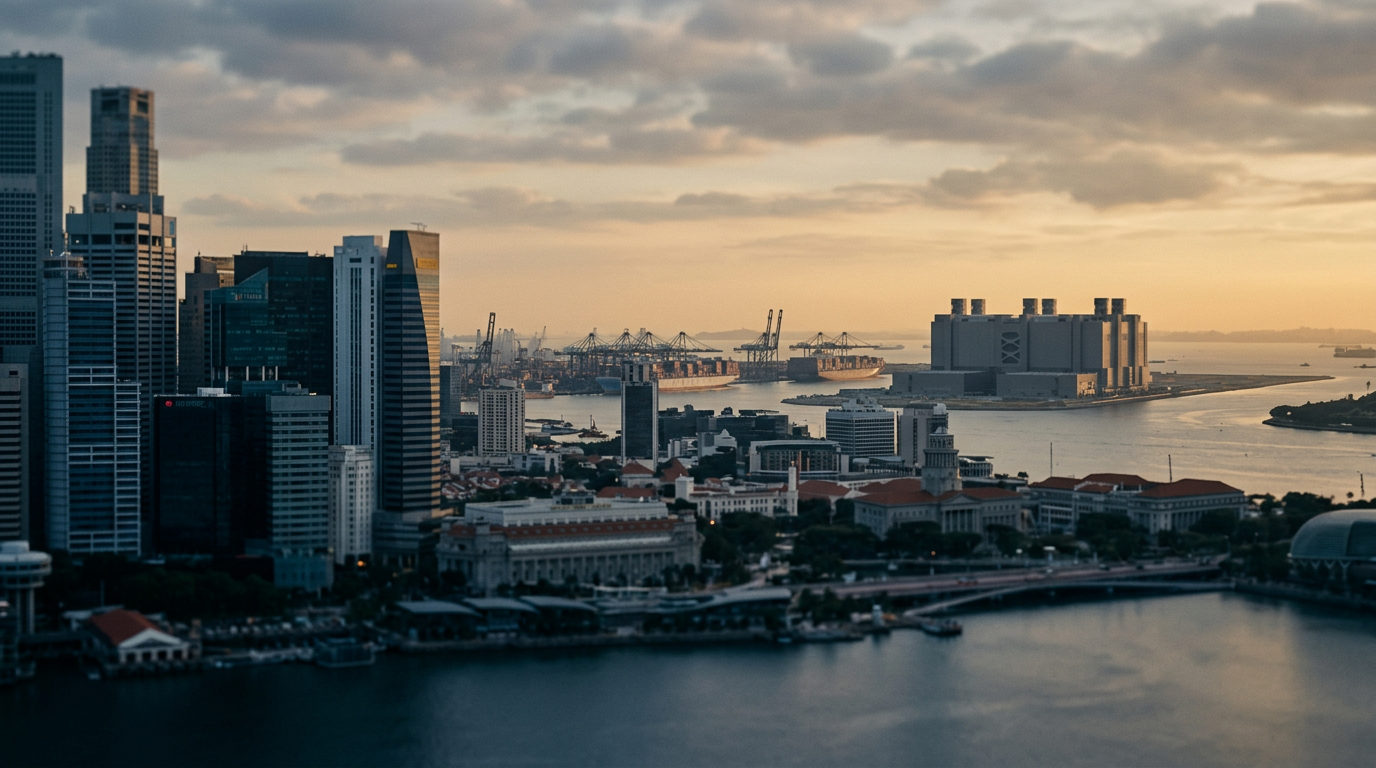
Philippines Central Bank AI Use Case Is a Sovereignty Signal
The Bangko Sentral ng Pilipinas is using AI to track jobs data. This is an early signal of a larger contest over the data layer and digital identity rails that underpin the economy.
 Philippines
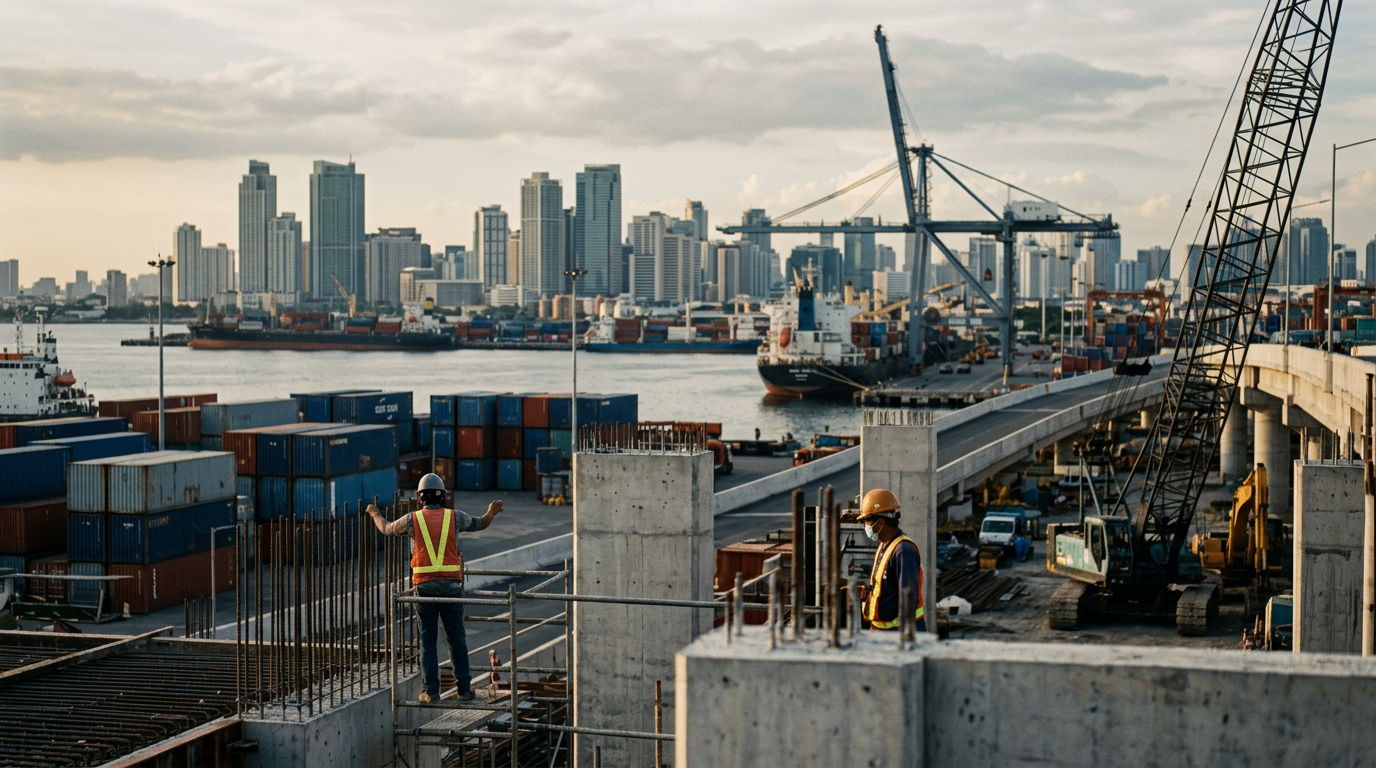
Philippine FDI Drop Highlights the Execution Imperative
A recent drop in foreign direct investment to the Philippines is a reminder that headline announcements are not the same as realised investment. The slower work of improving institutions, building infrastructure, and developing talent is what turns potential into reality.
 Philippines
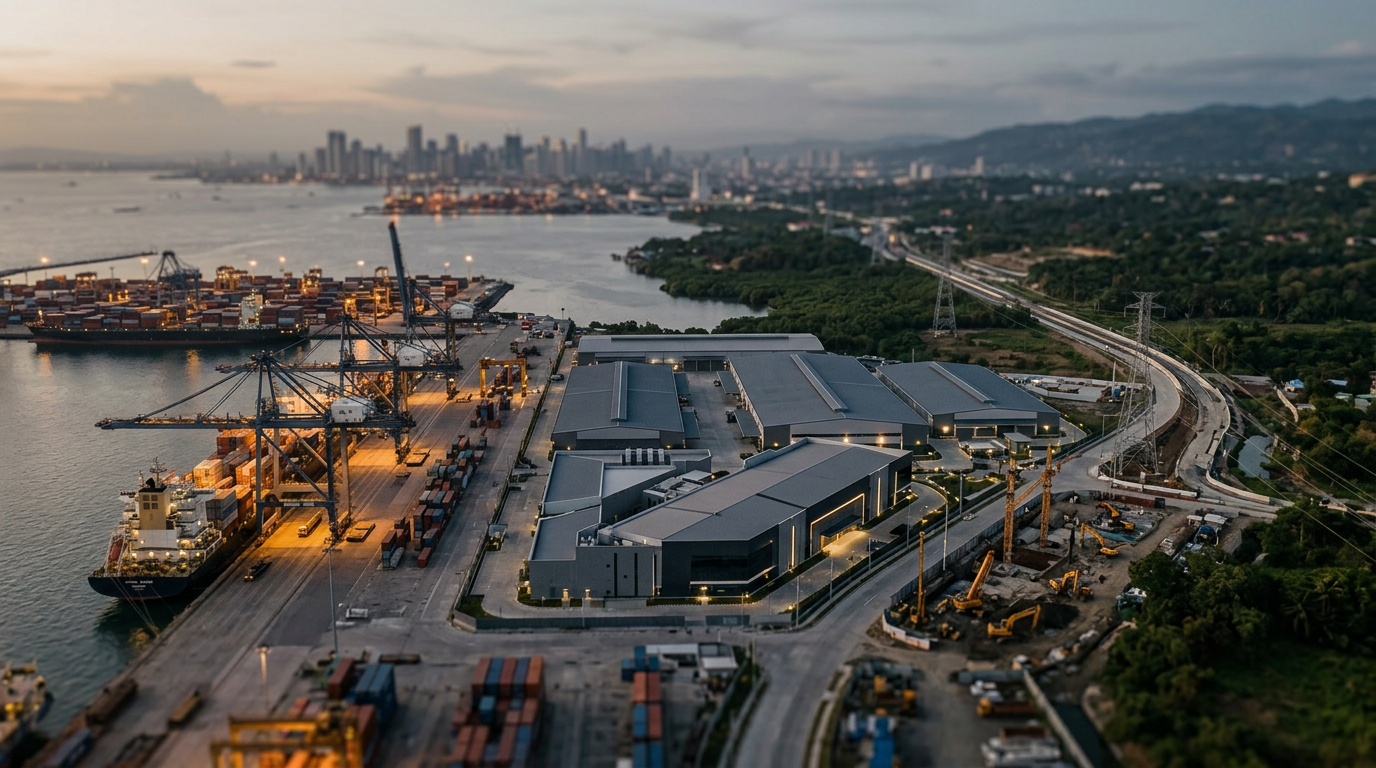
From Ambition to Execution in the Philippines
Headlines on foreign investment are easy to announce. The real work is in the execution: land, permits, power, and talent. Can the Philippines turn its investment pipeline into reality?