
 Philippines
The Hard Work Starts When the Handshakes Stop
Foreign investment announcements travel fast. Realised investment depends on the slower, harder work of connecting land, permits, power, and talent on the ground.
It is always welcome to see ASEAN engaging with high-income partners. A recent dialogue between the ASEAN Economic Ministers Troika and Switzerland, reported in a joint media statement on the ASEAN Secretariat website, is a case in point. The dialogue noted the strong growth in trade and investment, with foreign direct investment (FDI) from Switzerland into ASEAN reaching USD 7.6 billion in 2022.
The statement reaffirms a commitment to deepening economic ties, particularly through the ASEAN-European Free Trade Association (EFTA) Free Trade Agreement and the respective bilateral FTAs. Yet, as with any high-level economic meeting, the real work begins long after the handshakes and the joint statements. The headline figures for FDI are encouraging, but they represent commitments and announcements. The more difficult and slower process is turning those announcements into tangible projects that create jobs and build capacity.
From Announcement to Execution
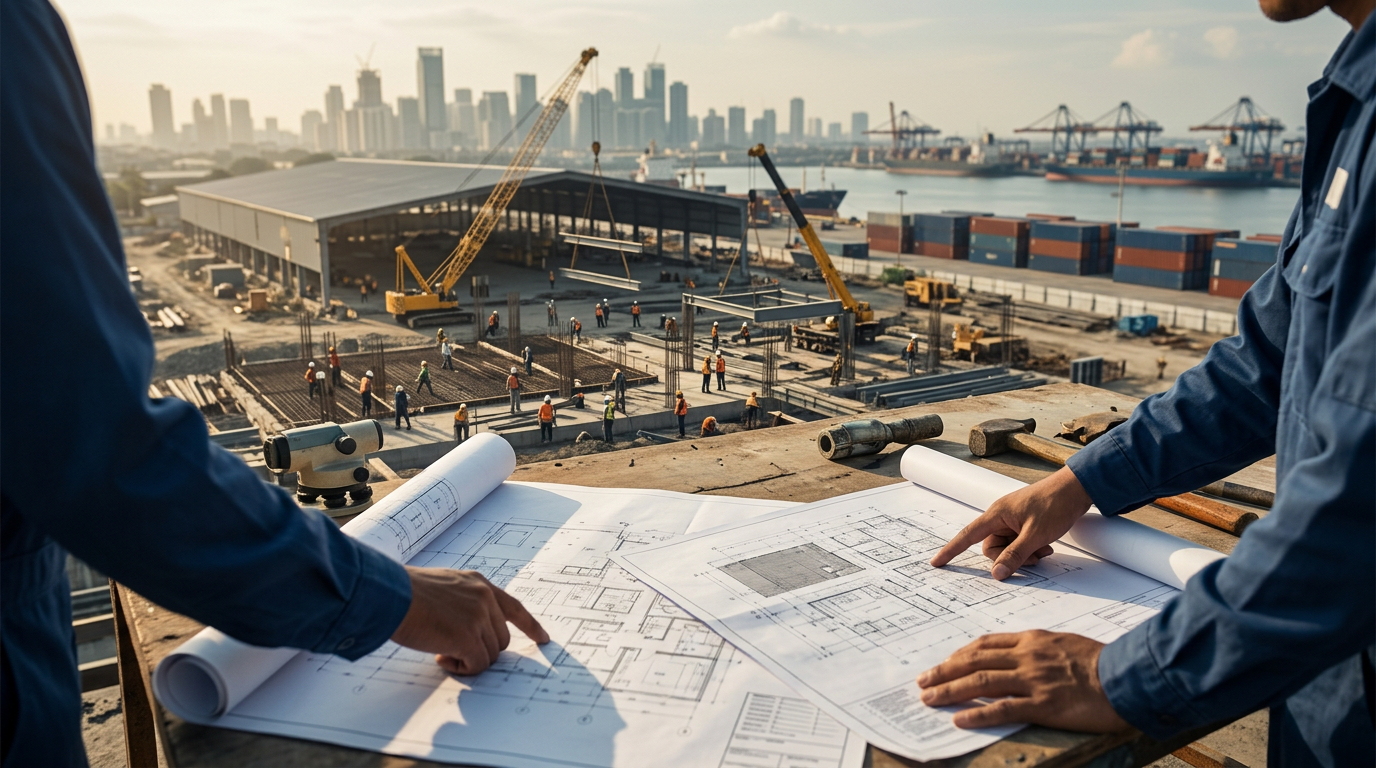
Announced FDI is a signal of intent, not a guarantee of impact. As the book ASEAN Rising notes, the journey from a press release to a functioning factory or a data center involves a series of complex, often frustrating, steps on the ground. The book explains that "realised flows depend on the slower work of land, permits, power and talent reaching the ground." This observation, though made in the context of Indonesia, applies across the ASEAN region.
Investors, particularly from a country with a highly stable and predictable regulatory environment like Switzerland, will scrutinize the execution capacity of the host economy. Their final investment decisions, and the subsequent scale of their operations, depend on navigating a web of local regulations. This includes securing land rights, obtaining the necessary building and environmental permits, ensuring reliable access to electricity and digital infrastructure, and recruiting a workforce with the right skills.
The Institutional Framework
This is where the quality of institutions becomes paramount. Strong, transparent, and efficient institutions are the bedrock of a competitive investment climate. They provide the predictability that long-term capital requires. When an investor sees a clear and timely process for permit applications, they have more confidence in their project timelines and budgets.
Conversely, where institutions are weak, opaque, or subject to political whim, the risks increase. Delays in one area, such as land acquisition, can have cascading effects, jeopardizing offtake agreements, disrupting supply chains, and ultimately making a project unviable. For ASEAN nations, the competition for capital is not just about offering fiscal incentives or touting market size. It is about demonstrating superior institutional capacity to convert investor interest into operational reality.
What to watch
The progress of the ASEAN-EFTA free trade agreement and related bilateral deals is worth monitoring. However, the more telling indicators will be found not in ministerial statements but in the on-the-ground project pipelines. Watch for shifts in the ratio of announced to realised FDI. Pay attention to case studies of specific investments and the timelines for their approval and construction. These details, more than any high-level dialogue, will reveal the true capacity of ASEAN economies to absorb and deploy foreign capital effectively.


