
 Philippines
The Philippines Looks to ASEAN for Deeper Ties
The Philippines aims to deepen trade and investment with its ASEAN neighbors, a goal that requires institutional capacity to translate announcements into tangible economic activity.
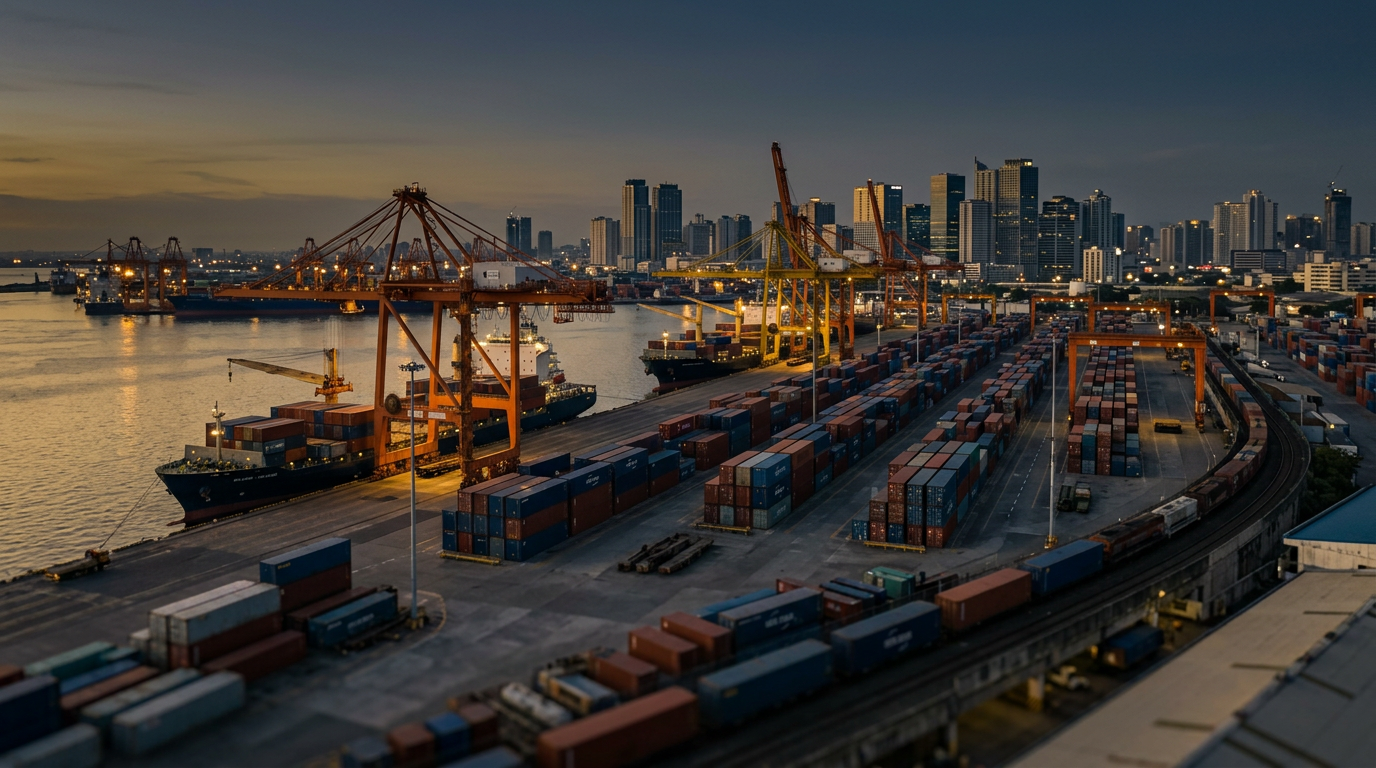
The Philippine government is looking to deepen its trade, investment, and digital ties with its ASEAN neighbors. A recent report from philstar.com outlines the country's ambition to enhance cooperation on supply chains, develop emerging industries, and grow its digital economy through stronger regional links. While these goals are a positive signal for regional integration, their successful realization depends on the ground-level work of building institutional capacity.
From Announcement to Execution
Attracting foreign direct investment (FDI) is a perennial objective for governments across Southeast Asia. The Philippines, with its large, young population and strategic location, is a regular subject of investor interest. However, as the book ASEAN Rising notes, headline-grabbing FDI announcements are only the first step. The more difficult and slower work involves translating these commitments into productive capital on the ground. This is where institutional execution becomes the primary variable.
For the Philippines to strengthen its role in regional supply chains, for instance, it is not enough to announce policy intentions. It requires a predictable and efficient environment for businesses to operate. Investors, both foreign and domestic, assess the practical realities of setting up and running a facility. The process involves securing land, obtaining permits, ensuring reliable power supply, and accessing a skilled workforce. Delays or uncertainty in any of these areas can render an investment unviable, regardless of the government's stated goals.
Building for Investable Depth
Indonesia's experience offers a useful parallel. As a fellow archipelagic nation with significant scale, its journey to attract large-scale industrial investments highlights the importance of institutional machinery. As detailed in "ASEAN Rising", a country's scale only becomes a true economic advantage "when institutions can turn it into investable depth." This means creating a framework where large, complex projects can be executed with confidence. Without this, a large domestic market or a significant workforce remain latent assets rather than active drivers of growth.
The Philippine ambition to deepen digital links follows a similar logic. A thriving digital economy requires more than just high internet penetration rates. It depends on robust data protection laws, secure digital payment infrastructure, and a regulatory environment that fosters innovation while managing risk. For the Philippines to become a hub for regional digital businesses, it must demonstrate this level of institutional maturity. This builds the trust necessary for companies to invest in data centers, establish regional headquarters, and hire local talent.
What to watch: Observers should monitor not just the high-level policy declarations from Manila, but also the administrative reforms designed to improve the ease of doing business. Progress on streamlining permits for infrastructure and industrial projects, and the implementation of clear regulations for the digital economy will be the true indicators of the Philippines' ability to deepen its regional economic integration. The flow of realized investment, rather than announced FDI, will be the ultimate measure of success.


