Philippines
Manila's Metro: A Tale of Two Systems
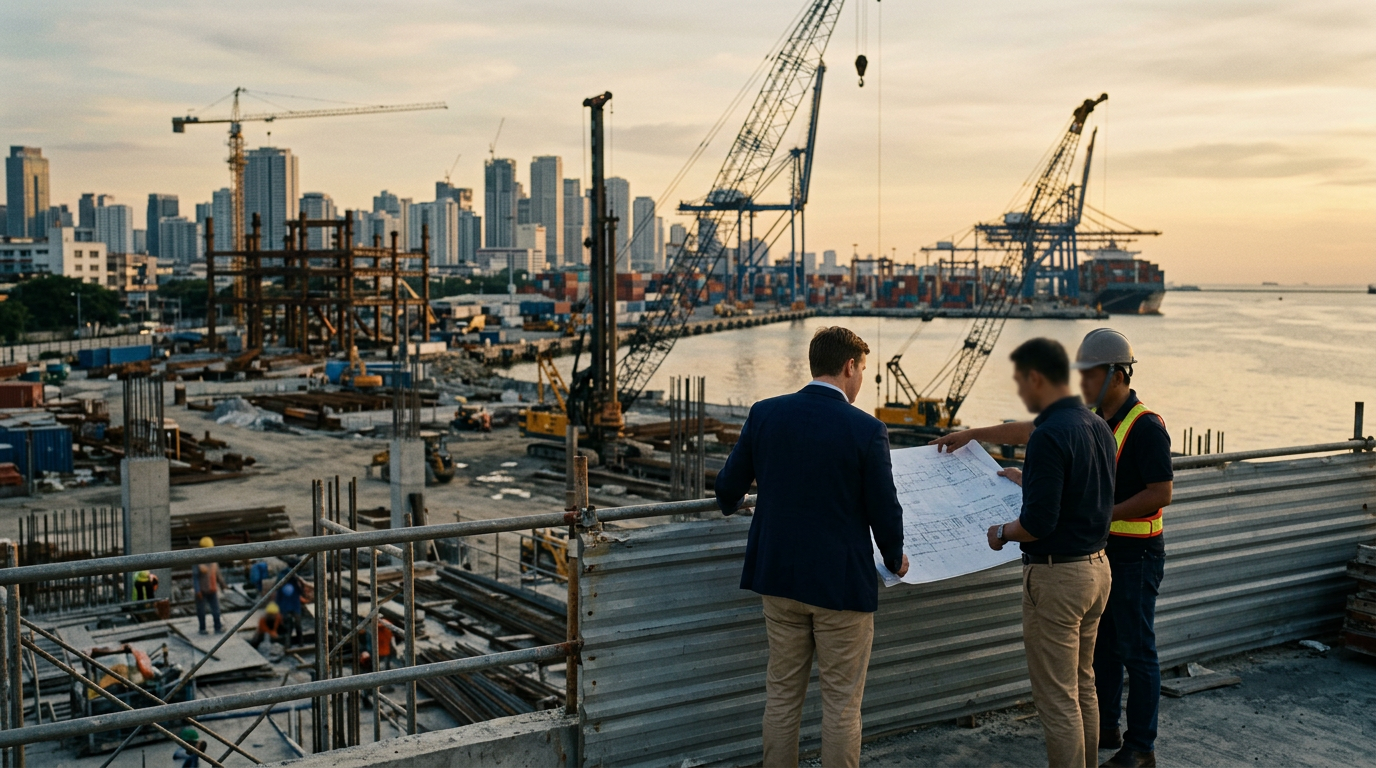
The Philippines is trying to build a modern metro system in its capital. The project shows how difficult it is to execute large infrastructure projects, and how institutional capacity is as important as the engineering itself.
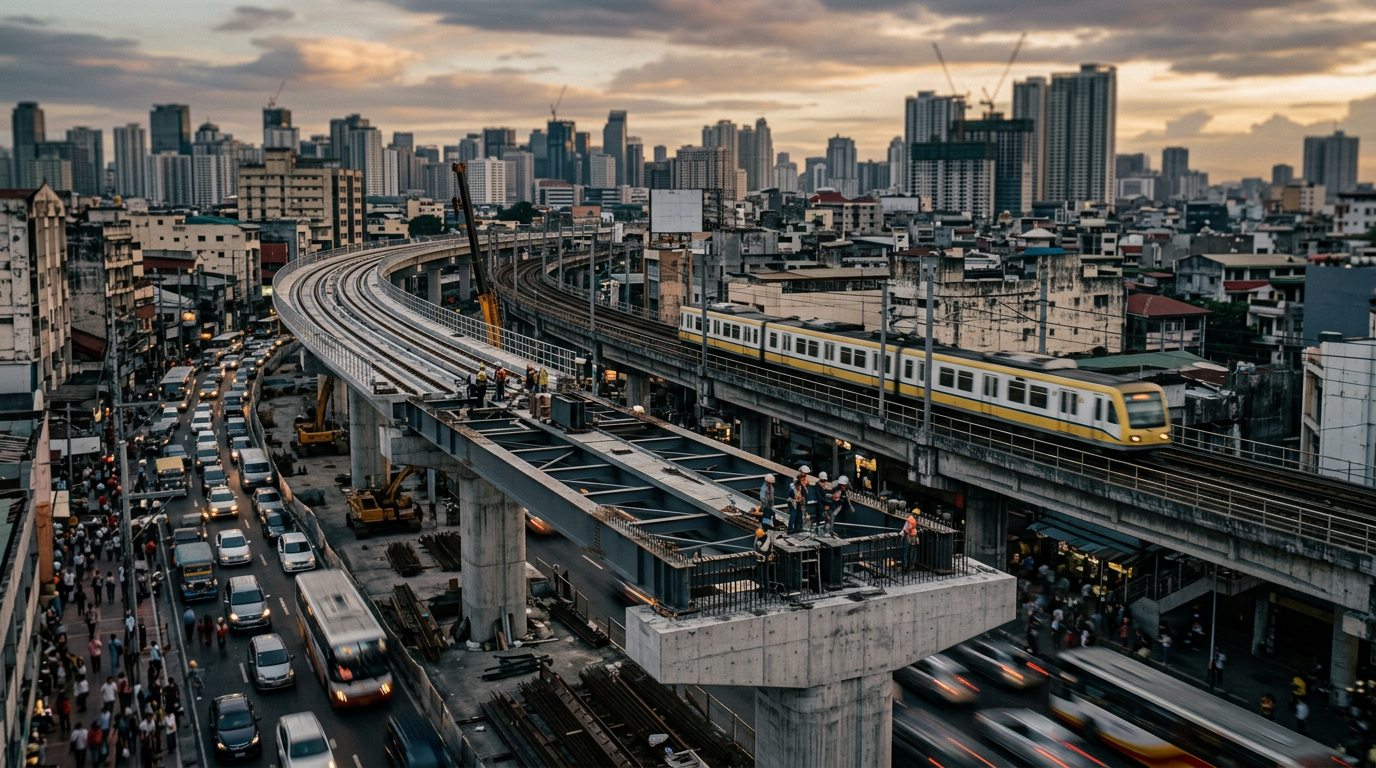
A recent announcement that the Taiwan Excellence Pavilion will come to Manila in 2026, as reported by philstar.com, brings a collection of technology and transportation suppliers to the Philippines. While the event focuses on a range of products, its presence in Manila highlights the ongoing efforts to modernize the city's infrastructure, particularly the long-delayed Metro Manila Subway Project (MMSP).
The Promise of the Subway
The MMSP is one of the most ambitious infrastructure projects in the Philippines' history. It aims to create a 33-kilometer underground railway line that connects the northern and southern parts of the sprawling metropolis. The goal is to ease the severe traffic congestion that costs the economy billions of dollars in lost productivity each year. The project, largely funded by a loan from the Japan International Cooperation Agency (JICA), began construction in 2019. The initial phase involves the construction of several stations and the main depot in Valenzuela City, with Japanese firms providing advanced tunneling technology and railway systems.
Execution and Delays
Despite the clear need and available financing, the subway project has been plagued by the kind of friction that slows down even the most well-intentioned infrastructure plans. Right-of-way acquisition has been a significant hurdle. The process of securing the land needed for stations, tunnels, and depots is complex, involving negotiations with numerous private landowners and navigating extensive legal and administrative procedures. These delays push back timelines and increase costs, illustrating a core theme of ASEAN Rising: the gap between ambitious announcements and on-the-ground execution. While the vision for a modern, efficient transit system is clear, the institutional capacity to acquire land, manage contractors, and coordinate multiple government agencies is tested daily.
The Cost of Friction
The challenges faced by the Manila subway project are not unique. Across Southeast Asia, governments announce large-scale infrastructure projects as a signal of progress and modernity. However, as the book notes, "institutional reliability has become part of comparative advantage." A project that is completed on schedule and within budget sends a powerful message to investors and citizens alike. The MMSP's delays demonstrate the real-world costs of institutional friction. Every setback postpones the economic benefits of faster commutes, cleaner air, and better-connected commercial districts. It also makes future projects seem more daunting, as the difficulties of the present create skepticism about promises for the future.
What to watch
The progress of the Metro Manila Subway Project's first few stations will be a measure of the Philippine government's ability to overcome entrenched obstacles in project execution. Pay attention to how quickly the authorities can resolve the remaining right-of-way issues, which are the primary bottleneck. The ability to streamline this process for the subsequent phases of the project will determine whether the subway can be delivered closer to its revised timelines, or if it will become another case study in how institutional weaknesses can undermine ambitious infrastructure development.