Philippines
Foreign Investment and Execution Risk in the Philippines
The Philippines has secured significant foreign direct investment commitments, but the recent downward revision of its growth forecast highlights the gap between announcements and reality. Realising these investments requires tackling persistent execution challenges.
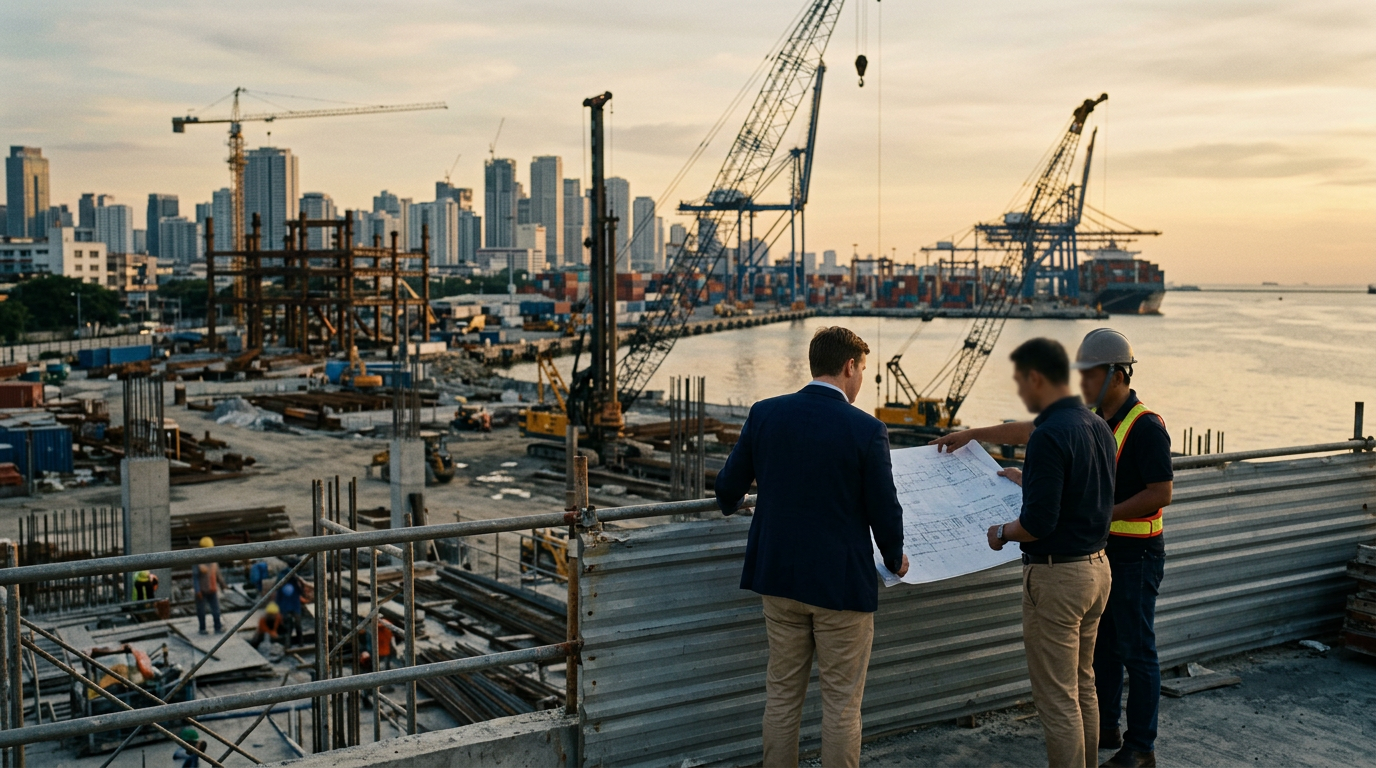
Recent downward revisions to the Philippines' economic growth forecasts by the Asian Development Bank and S&P Global Ratings highlight a persistent challenge in the region: the gap between investment announcements and their real-world execution. As reported by philstar.com, weaker investment outlooks contributed to the adjustment, serving as a reminder that turning promised capital into productive capacity is not automatic.
The Anatomy of Execution
Attracting foreign direct investment (FDI) is a priority for economies across Southeast Asia. The Philippines, under the Marcos administration, has been particularly successful in generating investor interest, securing billions in commitments across sectors like renewable energy, infrastructure, and digital services. These announcements signal confidence in the country's economic trajectory and its large, dynamic domestic market.
However, the journey from a signed memorandum of understanding to an operational facility is long and complex. As outlined in "ASEAN Rising," the headline figures from investment promotion tours often overshadow the substantial work required on the ground. Scale matters only when institutions can turn it into investable depth. The book notes that while "FDI announcements travel quickly," the actual deployment of capital hinges on the much slower, more difficult process of securing land, permits, and reliable power, and ensuring that a skilled workforce is available.
Bridging the Institutional Gaps
These operational hurdles represent the core of execution risk for foreign investors. In the Philippines, as in many parts of the ASEAN region, regulatory frameworks can be complex and sometimes opaque. Navigating the bureaucracy for land acquisition, environmental clearances, and local government permits can delay projects for years, increasing costs and eroding investor returns. A stable and predictable policy environment is just as important as the initial fiscal incentives offered.
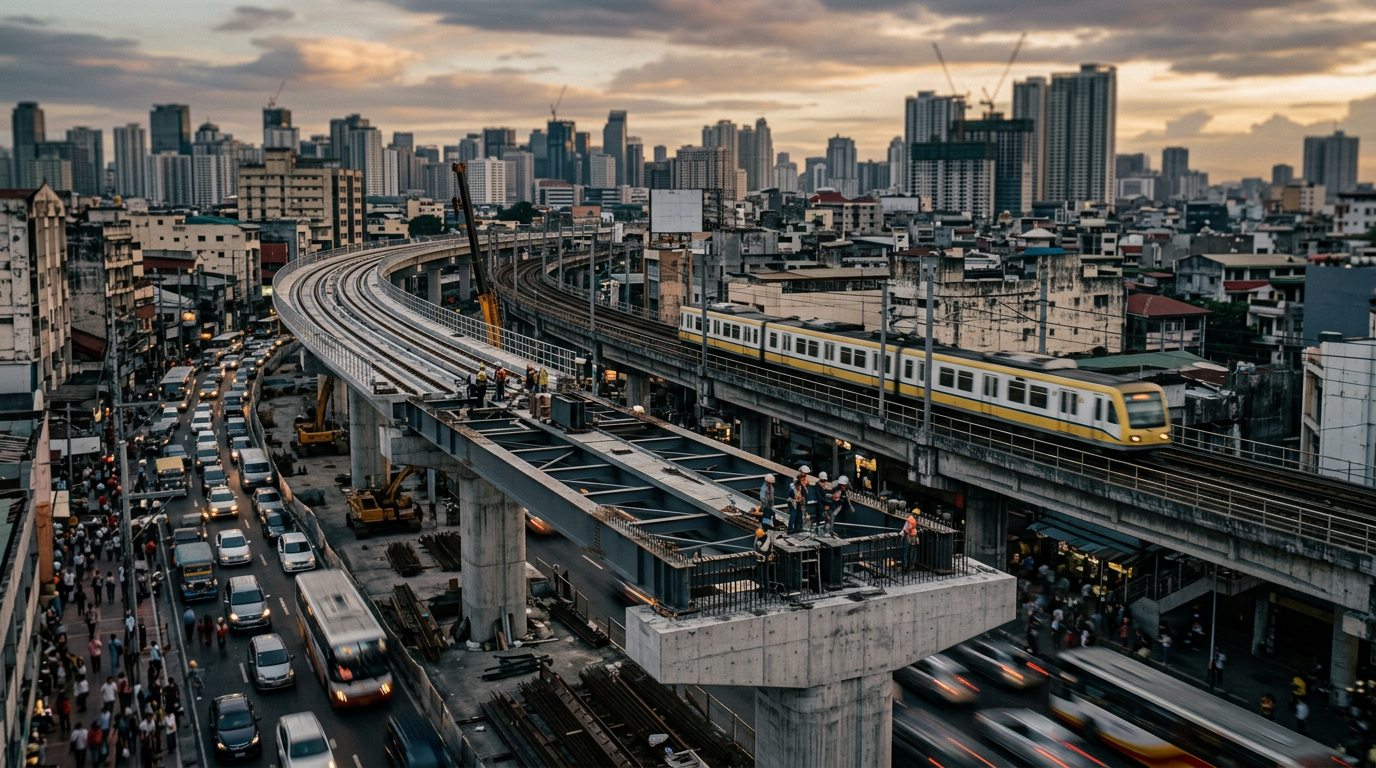
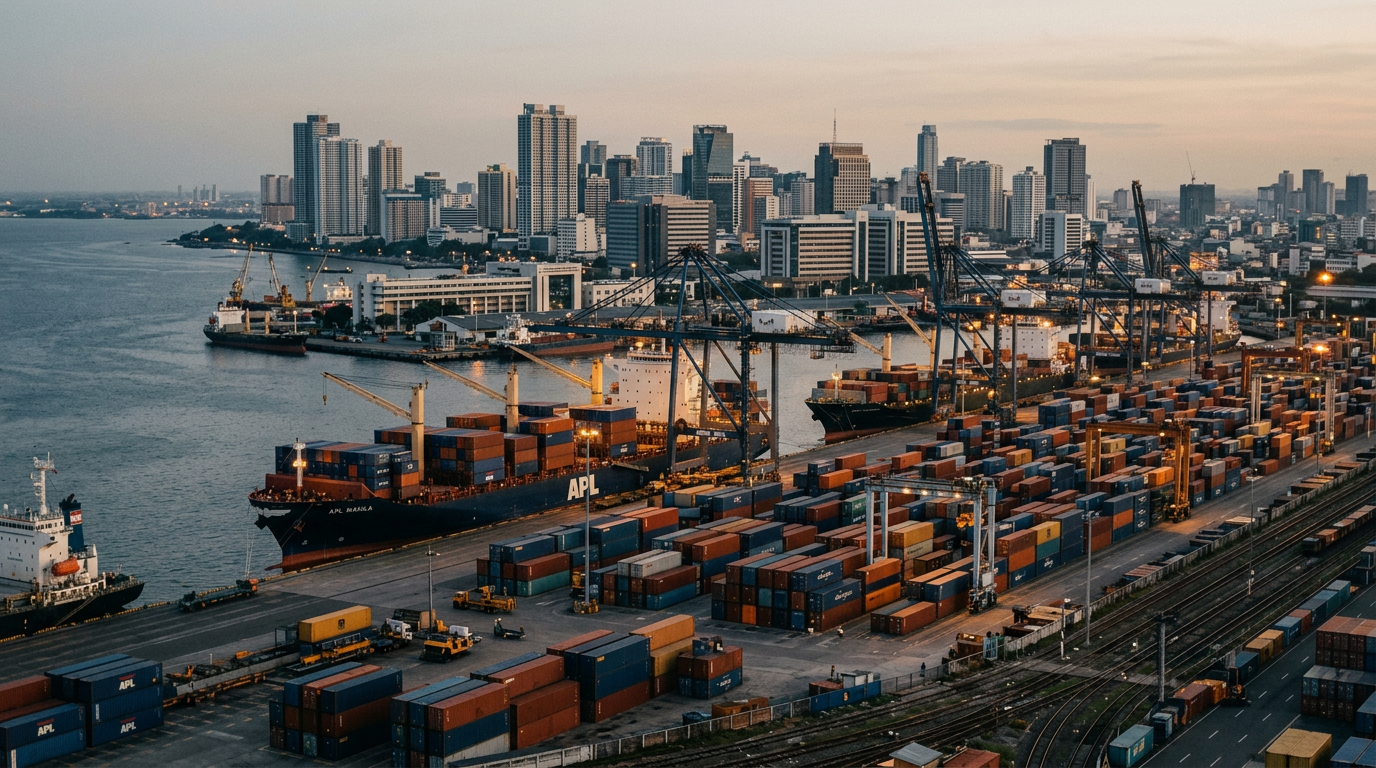
Furthermore, infrastructure remains a critical bottleneck. While the government has prioritized infrastructure spending, reliable electricity and efficient logistics are prerequisites for the advanced manufacturing and digital economy projects the country seeks to attract. Investors in new industrial parks or data centers need assurance that the power grid can support their operations without interruption and that their goods can move efficiently from factory to port. Without these foundational elements, large-scale investment commitments remain just that-commitments.
Talent and Trust
The availability of talent is another key consideration. The Philippines boasts a large, young, and English-proficient population. Yet, for higher-value investments in technology and advanced manufacturing, specific technical skills are often in short supply. Aligning the educational and vocational training systems with the needs of target industries is a long-term institutional project. Investors need to see a clear pipeline of qualified engineers, technicians, and managers to have confidence in the long-term sustainability of their projects.
Ultimately, the conversion of FDI pledges into tangible economic growth depends on trust. Investors must trust that the government can deliver on its promises to streamline bureaucracy, provide stable policy, and build out necessary infrastructure. This trust is not built through high-level announcements but through the consistent and effective execution of policies on the ground. The recent forecast revisions, partly driven by weaker investment, suggest that this trust is being tested.
What to watch
Manila has introduced measures aimed at accelerating project approvals, such as green lanes for strategic investments. The effectiveness of these institutional reforms in closing the gap between FDI announcements and realised investments will be a key determinant of the Philippines' growth trajectory. Observers should monitor the rate at which major announced projects break ground and become operational, as this will be the true measure of the country's ability to translate its significant investor interest into sustainable economic development.